Mục lục
- Exploring the Global Slip Sheet Market
- What Is a Slip Sheet? Definition and Operating Principle
- Slip Sheet Classification - By Material and Structure
- Kraftliner Paper Slip Sheet Specifications
- Slip Sheet vs Pallet - Detailed Table
- Outstanding Advantages of Slip Sheets in Logistics
- Disadvantages and Limitations to Note
- Slip Sheet Applications Across Industries
- Guide to Choosing the Right Slip Sheet for Your Business
- FAQ - Frequently Asked Questions About Slip Sheets
- Conclusion - Slip Sheets Are the Future of Modern Logistics
Quick summary:
- A slip sheet is a thin load sheet (0.6-1.5mm) made of kraftliner paper or PP/HDPE plastic
- Saves 30-70% in cost compared with traditional pallets
- Cuts weight from 12-20kg down to under 1kg, saving 640kg+ per truck trip
- Requires a push-pull attachment to be used effectively
A slip sheet is a thin load sheet that replaces the traditional pallet, widely used in modern logistics and goods transport. With its compact size, light weight and low cost, the slip sheet is becoming the optimal solution for businesses wanting to reduce shipping costs and maximize storage space.
Exploring the Global Slip Sheet Market
The global slip sheet market is growing rapidly. In 2024, the market value reached USD 1.2 billion and is projected to rise to USD 2.3 billion by 2033. This growth reflects the increasing demand from industries seeking sustainable, cost-saving packaging solutions. I have observed that leading logistics businesses are now switching from traditional pallets to slip sheets to improve operational efficiency and reduce environmental impact.
What Is a Slip Sheet? Definition and Operating Principle
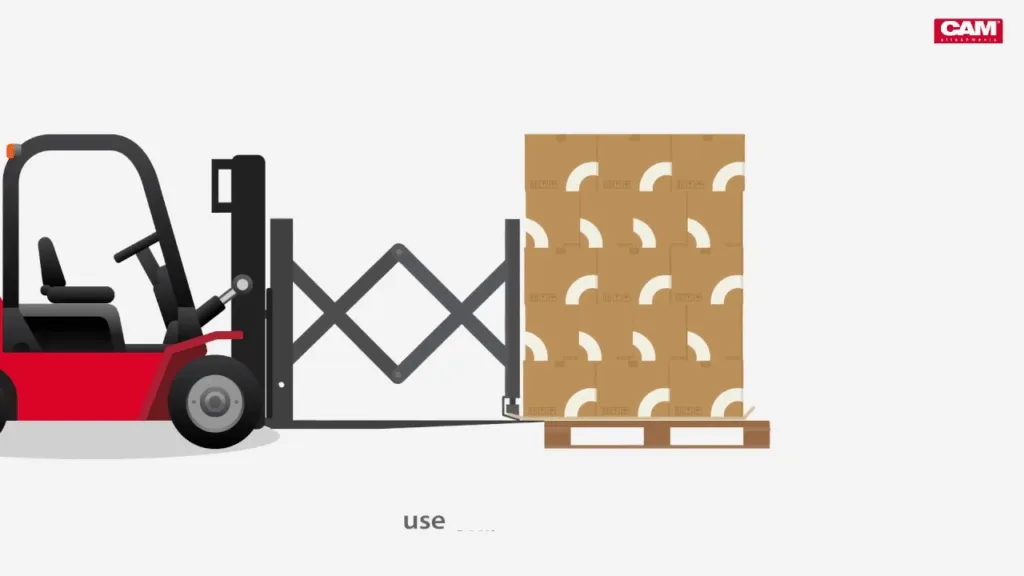
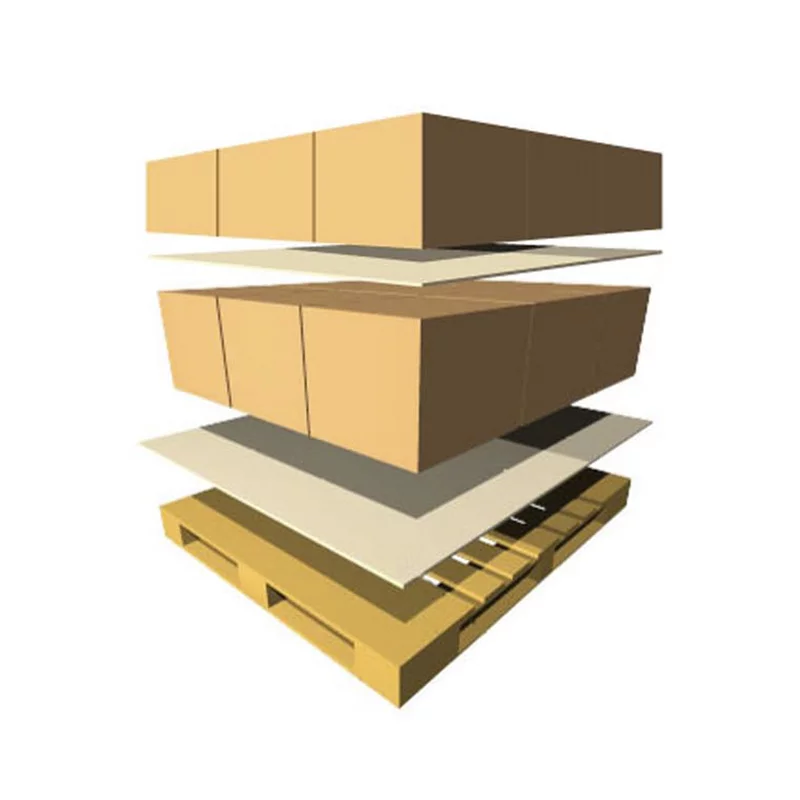
Slip sheets are flat, thin load sheets (around 0.6-1.5mm) made from materials such as laminated kraftliner paper or PP/HDPE plastic. They are designed to be placed under goods instead of using a traditional pallet, protecting products during transport and stacking. The operating principle is very simple: goods are placed on the slip sheet, then the whole unit (goods + slip sheet) is lifted using a forklift’s push-pull device.
The push-pull attachment is the key element for using slip sheets effectively. There are three main types: with 1 pull tab (one-way), 2 pull tabs (two-way) or 4 pull tabs (four-way). These pull tabs grip the lip on the edge of the slip sheet, allowing the forklift to push or pull the goods safely without damaging the product.
Slip Sheet Classification - By Material and Structure
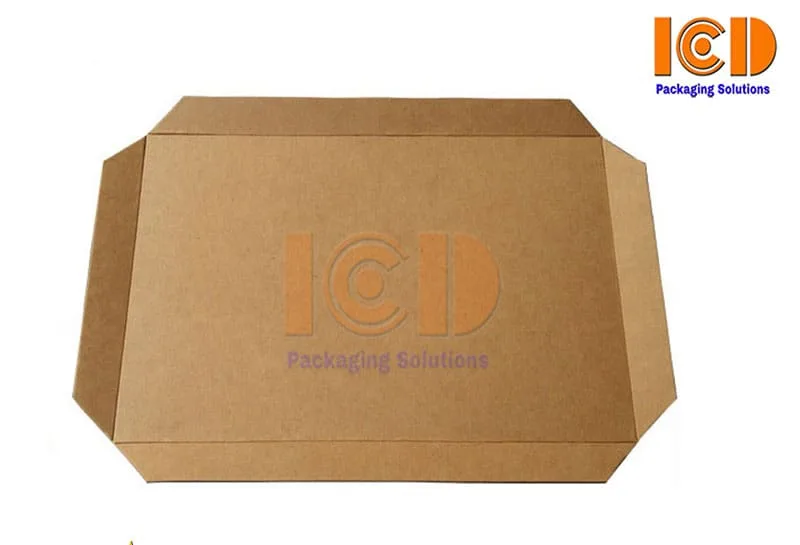
Slip sheets are classified by two main criteria: material and number of pull tabs. By material, there are kraftliner paper slip sheets (laminated paper) and plastic slip sheets (made from PP or HDPE). Paper slip sheets are suitable for transporting food, pharmaceuticals and organic products because they meet food-hygiene standards. ICD Vietnam currently supplies both paper and plastic slip sheet lines in many thicknesses. By contrast, plastic slip sheets bear loads better and suit heavy goods, chemicals, or products needing high moisture resistance.
By number of pull tabs, we have: 1-tab slip sheets (one-way push), 2-tab opposite slip sheets (two-way pull), and 4-tab slip sheets (omnidirectional). Each type has its own advantages. The 1-tab slip sheet suits automated warehouses with one-way goods flow. The 2-tab type balances cost and flexibility. The 4-tab type is best suited to complex warehouses needing flexible handling from multiple directions.
Kraftliner Paper Slip Sheet Specifications
Standard sizes of kraftliner paper slip sheets include 1200x1000mm (the most common in Asia), 1200x800mm, and 40×48 inches (the North American standard). Thickness is usually in the range of 0.6-1.5mm, with a weight under 1kg each, far lighter than wooden pallets (12-20kg) or plastic pallets (5-10kg). The load capacity of paper slip sheets is usually 500-2,000kg depending on thickness and laminate structure, enough for most transport applications.
Paper slip sheets comply with important international standards such as RoHS (restriction of pollutants), MSDS (chemical safety), SGS (quality assurance), and especially ISPM 15 for international transport, as well as HACCP for the food industry. These standards ensure that slip sheets are safe for human health and the environment.
Slip Sheet vs Pallet - Detailed Table
| Criterion | Slip Sheet | Wooden Pallet | Plastic Pallet |
|---|---|---|---|
| Price each (VND) | 20,000 - 100,000 | 150,000 - 300,000 | 200,000 - 400,000 |
| Weight (kg) | < 1 kg | 12 - 20 kg | 5 - 10 kg |
| Cost saving | - | Save 50-70% | Save 30-50% |
| Service life | 1 - 3 uses | 3 - 5 years | 5 - 10 years |
| Storage space | 1,300 units = 10 pallets | Standard | Standard |
| Equipment needed | Push-pull attachment | Standard forklift | Standard forklift |
| Suitable for | Light to medium goods, one-way | Heavy goods, long-term use | Food industry, hygiene requirements |
The comparison table above clearly shows the cost advantage of slip sheets. At just VND 20,000-100,000 each, slip sheets are 50-70% cheaper than traditional pallets. This is especially beneficial when a business needs to ship goods one way (no need to return the pallet). However, if pallets are reused many times, the cost per shipment will be lower.
Outstanding Advantages of Slip Sheets in Logistics
Saving on shipping cost is the top advantage. The price of each slip sheet is only 10-15% of a pallet’s price, helping businesses cut costs by 30-70% per shipment, especially for one-way transport. In addition, the light weight of under 1kg each reduces total load, saving up to 640kg+ per truck trip, thereby lowering fuel cost and increasing cargo capacity.
Optimizing storage space is the second advantage. 1,300 slip sheets take up only as much space as 10 pallets, allowing businesses to save 90% of warehouse space dedicated to storing handling equipment. Moreover, using slip sheets can increase container cargo capacity by up to 15% because they do not take up the space under goods like traditional pallets.
Environmental sustainability is also notable. Kraftliner paper slip sheets are 100% recyclable, leaving no waste like wooden pallets. This fits today’s “green logistics” trend, helping businesses improve their brand image and comply with increasingly strict environmental regulations.
Disadvantages and Limitations to Note
The need to invest in a push-pull attachment is the biggest disadvantage. A push-pull attachment for a forklift costs from VND 5-15 million, a fairly high cost. If a business does not own this device, using slip sheets is not feasible or requires hiring a third-party service, increasing cost. This is an important consideration before switching to slip sheets.
Limited load capacity is the second issue. Slip sheets are not suitable for extremely heavy goods or goods with uneven weight distribution. If the load exceeds 2,000kg or the goods have sharp corners, slip sheets can tear or be punctured. In these cases, traditional pallets remain the better choice.
The short service life (1-3 uses) means slip sheets are usually used once then discarded or recycled, not reusable like pallets. If the same shipment is transported many times, the total slip sheet cost can exceed the cost of a pallet. In addition, you must firmly strap or shrink-wrap the goods when using slip sheets to prevent products from falling or sliding, adding a step and packaging cost.
Slip Sheet Applications Across Industries
The food and beverage industry is the most extensive user of slip sheets. Products such as cakes, biscuits, beverages and milk are transported on paper slip sheets because they meet HACCP and international food-hygiene standards. Slip sheets are also suitable for fragile products such as fish sauce, soy sauce and cooking oil.
The pharmaceutical and cosmetics industries favor slip sheets for their cleanliness and good moisture resistance. Medicines, vitamins and liquid cosmetics are all transported safely on PP plastic or paper slip sheets. Similarly, the chemical industry also uses plastic slip sheets for corrosive or highly toxic substances.
The electronics and technology equipment industry is also increasing its use of slip sheets for products such as electronic components, circuit boards and phone accessories. In addition, the export agriculture sector such as frozen fruit and produce also takes advantage of slip sheets to reduce export shipping costs.
Guide to Choosing the Right Slip Sheet for Your Business
The first step is to assess your business’s transport needs. If your business mainly ships goods one way (no need for pallets to return), slip sheets are the economical choice. If you need long-term transport with pallets reused many times, traditional pallets may be more economical. Assess the goods type: light, high-value goods needing cleanliness → choose paper slip sheets. Heavy goods needing moisture and chemical resistance → choose plastic slip sheets.
Next, check your existing equipment. Does your business have a forklift with a push-pull attachment? If not, calculate whether the cost of buying/renting the equipment is reasonable. Consider your transport scale: if you only ship a few batches a month, hiring a third-party service with a push-pull attachment will be cheaper than buying your own.
Choose a reasonable size and number of pull tabs. The 1200x1000mm size is most suitable for 20-40 foot containers in Asia. If your transport is mostly one-way, a 1-tab slip sheet is enough. If you need flexible handling from multiple directions, choose 4 tabs. Finally, compare multiple suppliers to find the best price and check quality certificates (SGS, RoHS, ISPM 15) before deciding to buy.
FAQ - Frequently Asked Questions About Slip Sheets
1. How many times can a slip sheet be reused?
Slip sheets are usually used 1-3 times depending on quality and transport conditions. Thin paper slip sheets tear easily after the first use, while high-quality plastic slip sheets can be reused 3-5 times. However, compared with pallets (3-10 years of use), the slip sheet’s service life is very short.
2. Are slip sheets safe for food?
Yes, if you choose the right type. Kraftliner paper slip sheets are manufactured to HACCP and international food-hygiene standards, completely safe for food. PP/HDPE plastic slip sheets are also safe if they have FDA certification or equivalent, but you must check carefully with the supplier.
3. What is the current price of slip sheets in Vietnam?
Slip sheet prices in Vietnam range from VND 20,000 to 100,000 each depending on material, size, number of pull tabs and order quantity. Buying in large quantities (1,000 units or more) usually gets a 15-30% discount. Paper slip sheets are usually about 20-40% cheaper than plastic slip sheets.
4. Can slip sheets be recycled?
Kraftliner paper slip sheets are 100% recyclable and can be sold back to paper recycling plants for VND 1,000-3,000/kg. PP/HDPE plastic slip sheets are also recyclable but at a lower price (VND 500-1,500/kg). This helps businesses optimize their final cost.
5. Can slip sheets be used with plastic or wooden pallets?
No, slip sheets completely replace pallets and are not used together. If you stack a slip sheet on a pallet, you lose the cost and space savings. Slip sheets are designed to work independently with push-pull equipment, as a separate system.
Conclusion - Slip Sheets Are the Future of Modern Logistics
Slip sheets are not a solution for every business, but for companies shipping goods one way, wanting to reduce logistics costs by 30-70%, and needing to optimize storage space, this is an excellent choice. The global market is growing 8-10% annually, showing increasingly wide acceptance from leading logistics businesses.
When choosing slip sheets, carefully consider: goods type, transport scale, equipment investment, required quality standards, and compare total long-term cost. If you need detailed advice on choosing the right slip sheet for your industry or want to find a reputable supplier, ICD Vietnam is ready to help.
Contact ICD Vietnam for Free Consultation
We supply a full range of high-quality kraftliner paper and PP/HDPE plastic slip sheets, along with consultation and push-pull equipment supply services. ICD’s expert team will help your business choose the most optimal transport solution to fit your specific budget and needs.
Contact us now:
- North Vietnam: 0983 797 186 / 090 345 9186 / 090 5859 186
- South Vietnam: 098 6784 186
- Email: Sales@icdvietnam.com.vn
- Zalo: https://zalo.me/719060935915885643
Updated: April 9, 2026 | ICD Vietnam - Experts in packaging materials and pallets