Table of Contents
- Quick comparison of plastic and wooden pallets
- Where the two types differ
- Weight and load based on real figures
- Advantages and disadvantages of each type
- ISPM 15: a requirement specific to export wooden pallets
- The real cost per use
- Fire safety: a disadvantage of plastic pallets that is rarely mentioned
- Food and pharmaceuticals: where the real hygiene risk lies
- Which pallet is more environmentally friendly?
- Which to choose by situation
- Frequently asked questions
- Which lasts longer, plastic or wooden pallets?
- Which costs more, wooden or plastic pallets?
- How much does a wooden pallet cost?
- Are plastic pallets heavier or lighter than wooden pallets?
- Do plastic pallets bear as much load as wooden pallets?
- Are plastic pallets more flammable than wooden pallets?
- Does exporting with plastic pallets need fumigation?
- References
Reviewed and updated by ICD - Week 43/2026
Choose plastic pallets when the pallets are collected and circulate many times; choose wooden pallets when the pallet travels with the goods and does not come back. Plastic pallets cost more to buy but last for years, can be washed and need no ISPM 15 treatment for export. Wooden pallets are cheap, can be built to any size and are easy to repair, but deteriorate quickly when damp and must be heat-treated and stamped under ISPM 15 if they go abroad.
ICD Vietnam supplies both wooden and plastic pallets, so I have no reason to lean either way. After years of advising warehouses, factories and exporters, what I have learned is that the right question is not “which is better”, but “how many trips will your pallet make, and where to”. This article sets the two types side by side using sourced figures, including the disadvantages of plastic pallets that few articles mention.
- Choose plastic pallets when: the supply chain is closed and pallets return to the warehouse; cold stores, food and pharmaceuticals; warehouses with racking and forklifts of fixed dimensions.
- Choose wooden pallets when: goods are exported one way with no pallet recovery; you need non-standard sizes; heavy raw goods need a high-friction surface; the upfront budget is limited.
Quick comparison of plastic and wooden pallets
The table below gathers the seven criteria businesses weigh most. The weight, load and cost items have detailed figures in later sections. If you are interested, the article on Tritan vs PP plastic comparison is also worth a look.
| Criterion | Plastic pallet | Wooden pallet |
|---|---|---|
| Durability | Many years if used within load and kept out of direct sun | Shorter, declines quickly when damp; can be extended by replacing damaged slats |
| Purchase price | Higher than a wooden pallet of the same size | Low |
| Hygiene | Does not absorb water, can be washed and disinfected | Absorbs water, hard to clean, prone to mould |
| Export | Outside the scope of ISPM 15 | Must be treated and stamped under ISPM 15 |
| Safety for goods | No nails, no splinters | Nails may loosen, splinters can tear packaging |
| Repair | Almost cannot be repaired | Easy to replace slats |
| Size | Per available mould | Built to order |
Where the two types differ
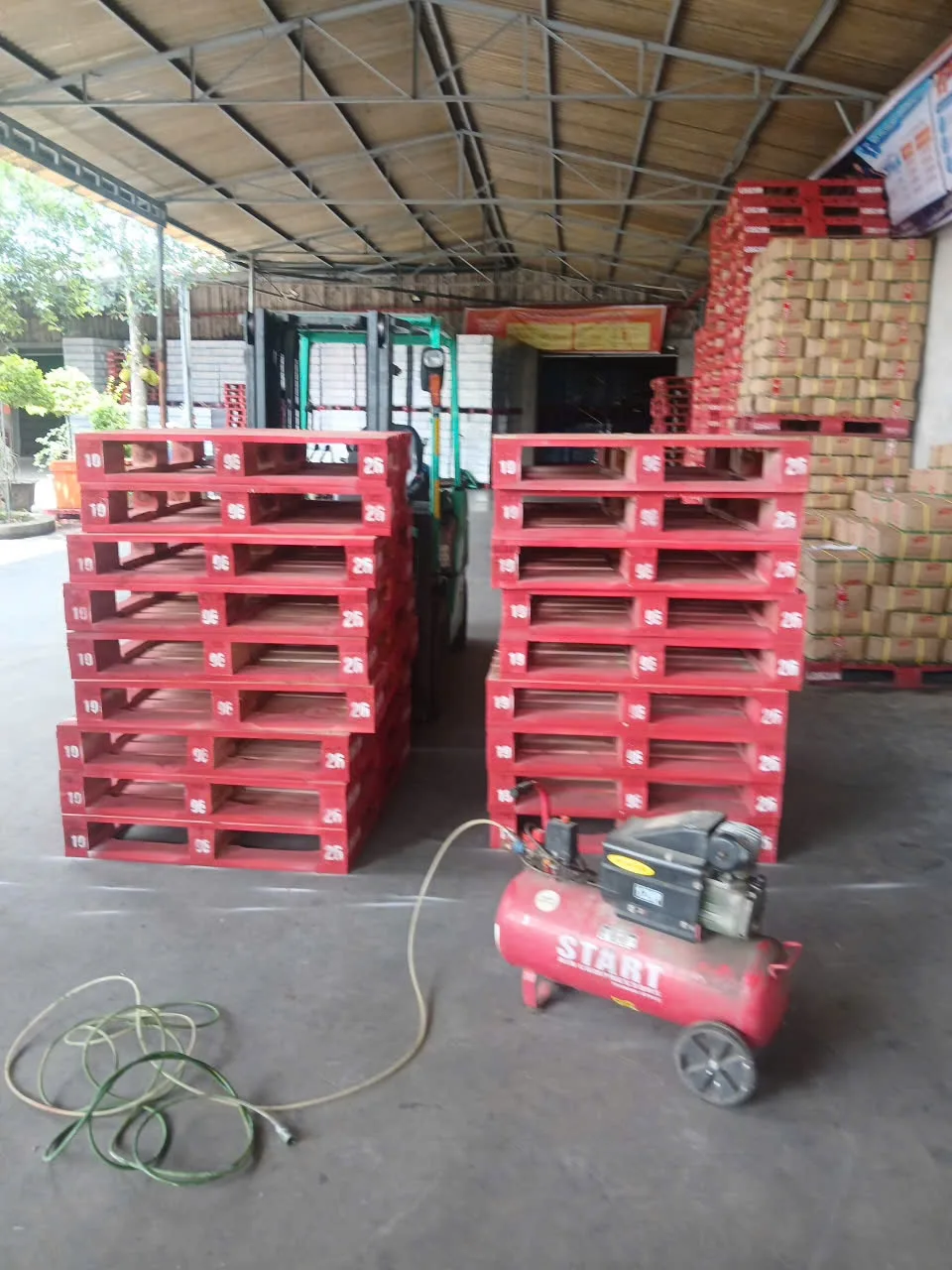
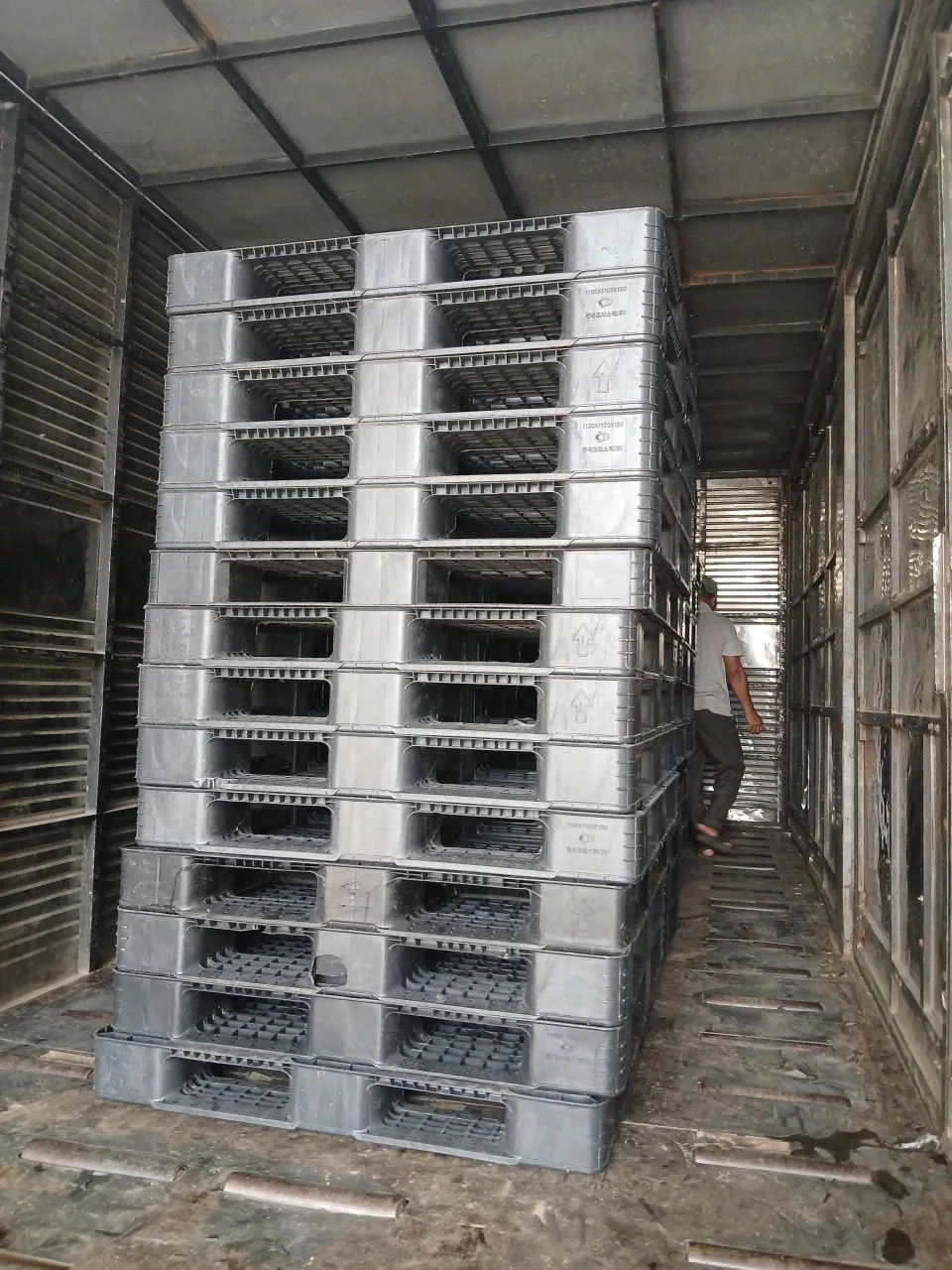
The difference between the two comes from material and manufacture. Plastic pallets are injection-moulded or moulded in one piece from HDPE or PP resin, so codes from the same mould are almost identical in size and weight. Wooden pallets are assembled from pine, melaleuca, acacia or rubberwood slats joined with nails, so each unit can differ a little in moisture and weight. See also What is a plastic pallet for the common plastic pallet types.
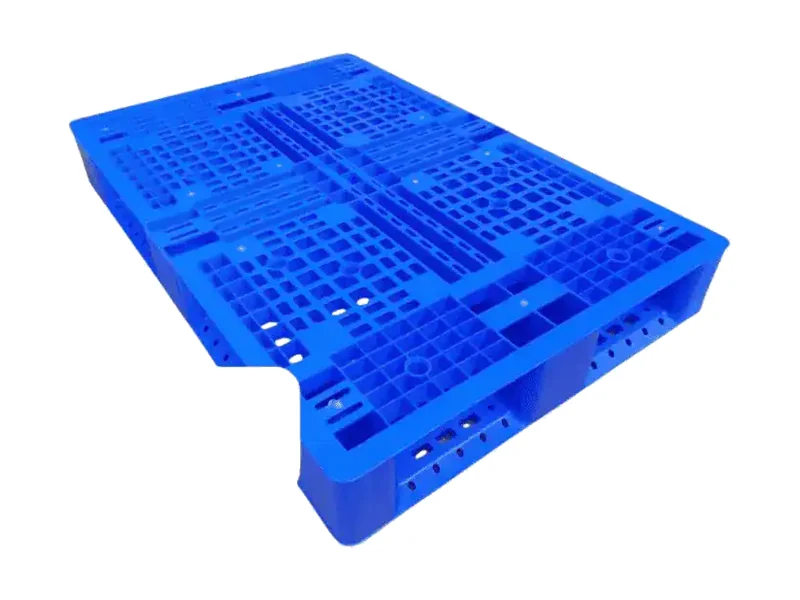
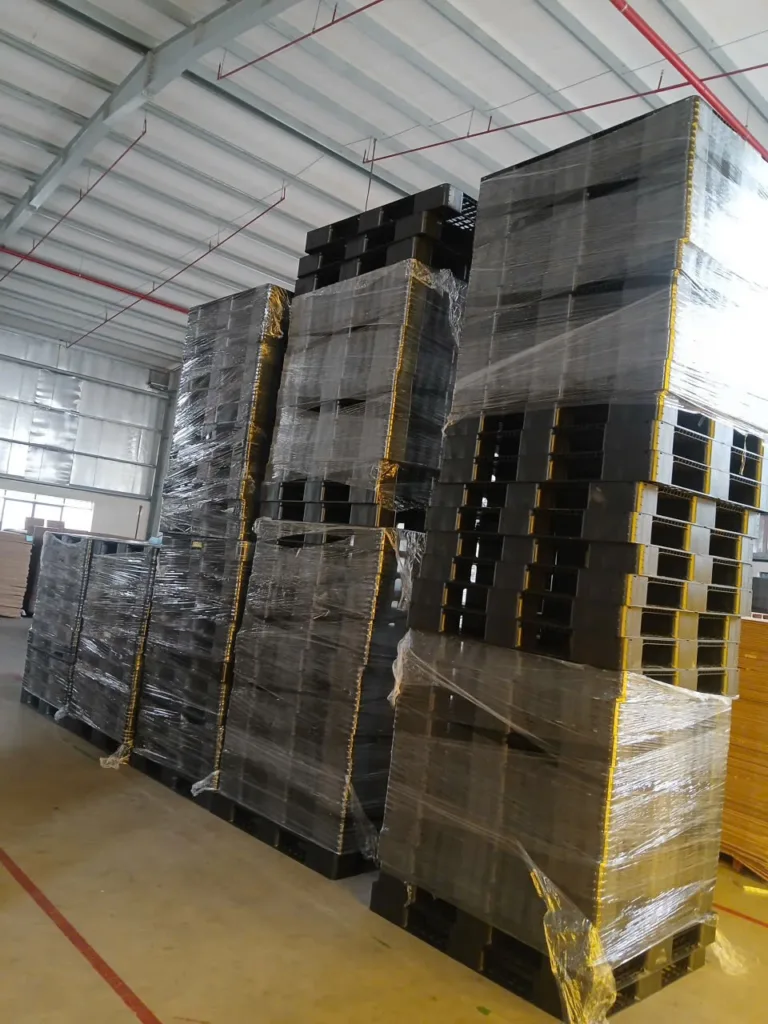
- Plastic pallet: Moulded in one piece from HDPE or PP, mesh or closed deck, no nails. Steel-core reinforced codes are available for heavy loads. (One-piece moulded; HDPE, PP; No nails)
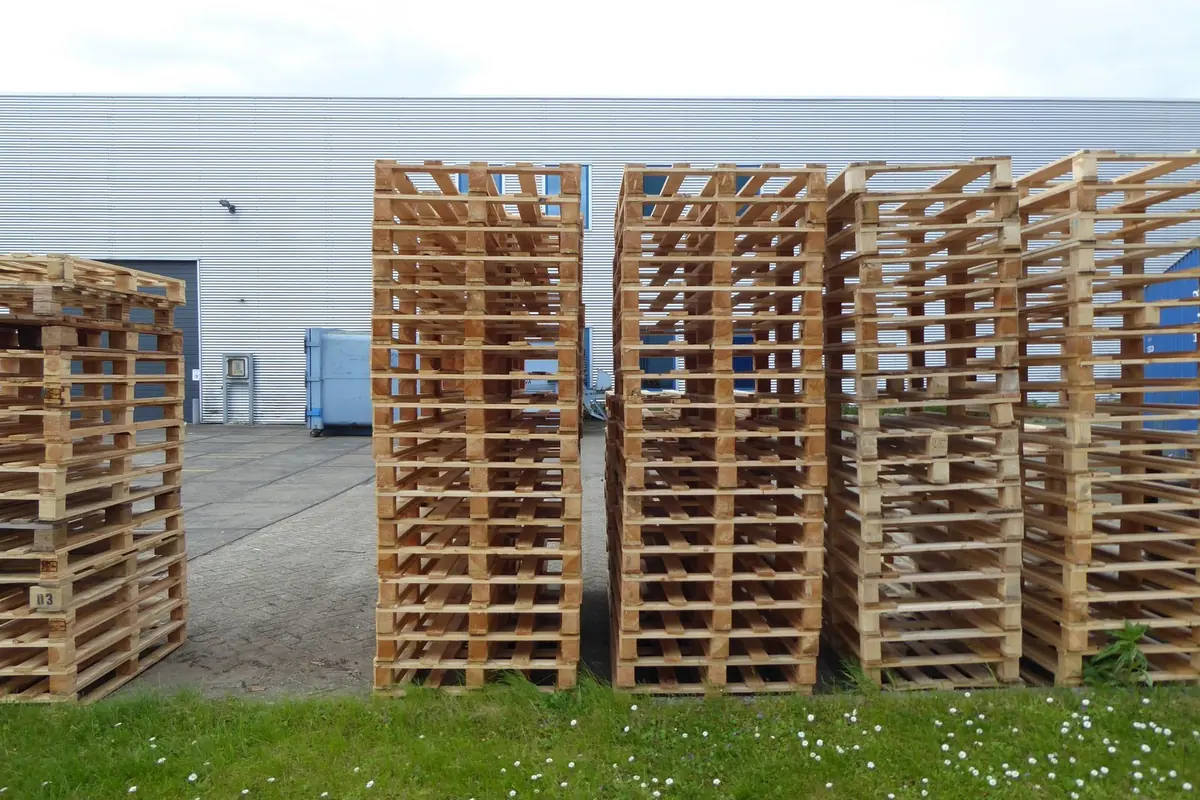
- Wooden pallet: Assembled from slats and block feet joined with nails. EPAL standard pallets have dimensions, nail counts and identification marks set by the association. (Assembled; pine, melaleuca, acacia; Nailed joints)
Weight and load based on real figures
The table below sets plastic pallet codes of the same sizes in the ICD Vietnam catalogue beside standard EPAL and Asian-standard wooden pallets. EPAL pallet specifications were checked against data from the European Pallet Association (EPAL).
- 1200 x 800 mm: weighs 10 to 18 kg; static load 2,000 to 6,000 kg, dynamic load 800 to 1,500 kg
- 1200 x 1000 mm: weighs 6 to 22 kg depending on construction; static load 1,500 to 6,500 kg, dynamic load 500 to 3,200 kg
- The range is wide because one size includes both light cup-foot codes and 3-runner, steel-core codes
- EPAL 1200 x 800 x 144 mm: about 25 kg; static load 4,000 kg, dynamic load 1,500 kg
- Asian standard 1200 x 1000 x 156 mm: about 30 kg
- 1200 x 1000 mm codes: static load 3,000 to 6,000 kg, dynamic load 1,250 to 1,500 kg
According to EPAL, a standard 1200 x 800 mm pallet has a safe load of 1,500 kg; when stacked on a flat floor, the bottom pallet bears at most 5,500 kg. Plastic pallet figures are compiled from the ICD Vietnam catalogue, checked on 11 October 2026, excluding some codes whose load data is being rechecked.
Why you should not compare loads between manufacturers
Two dynamic load figures of 1,500 kg from two manufacturers do not necessarily mean the same thing, because each may test differently. ISO 8611-1 (new edition 2025) sets common test methods for flat pallets of any material: bending, fork lifting, compression and stacking tests, from which the rated load is determined. The standard itself notes that laboratory results do not replace real-world testing in a warehouse.
Plastic pallets have one more particular point: plastic under load for a long time gradually sags (creep), especially on selective racking supporting only two edges and in hot places. That is why plastic pallets always carry an extra racking load figure, usually much lower than the static load on the floor, and codes for high-bay racking usually need a steel core. Wooden pallets creep less but weaken when the wood absorbs moisture. When a customer asks me which pallet can “bear 2 tonnes”, I always ask back: 2 tonnes on the floor, on forklift tines or on racking.
Advantages and disadvantages of each type
Plastic pallets
Plastic pallets are strong in durability and hygiene, weak in purchase price and repairability.
Advantages of plastic pallets
- Durable, stable. No termites, no rot, no warping from moisture; a good-quality pallet used within its load can last many years
- Hygienic. Water-resistant surface, can be washed and disinfected, limits bacterial build-up, suits food and pharmaceuticals
- Safe. Moulded in one piece, so no nails, screws or splinters to tear packaging or cause injury
- No ISPM 15 needed. Not made of raw wood so outside the scope of the standard, with no treatment cost when exporting
- Uniform size. Codes from the same mould are identical, convenient for warehouse racking and forklifts
Disadvantages of plastic pallets
- High purchase price. Higher than a wooden pallet of the same size, worthwhile only when circulated many times
- Hard to repair. Once cracked or broken it can hardly be repaired, only disposed of as recycled plastic
- Fixed size. Made from moulds, so odd sizes cannot be ordered for special orders
- Slipperier surface than wood. Goods slip more easily, so use PE stretch film or choose codes with anti-slip nubs
Wooden pallets
Wooden pallets are strong in price and flexibility, weak in durability in damp environments and in export procedures.
Advantages of wooden pallets
- Cheap. Low purchase cost, suited to one-way goods or a limited upfront budget
- Built to order. Any size can be ordered in a short time, with no mould needed
- High friction. Goods grip better when stacked and when the forklift moves
- Easy to repair. Replace whichever slat breaks at low cost
Disadvantages of wooden pallets
- Absorbs moisture. Takes up water, prone to mould and termites, and deteriorates quickly in damp environments
- Risk to goods. Nails can loosen and splinters can tear packaging or cause injury
- Export procedures. Must be treated and stamped under ISPM 15, otherwise the shipment may be held or required to be re-exported
- Hard to clean. Not suited to cold stores, food and pharmaceuticals that demand high hygiene
ISPM 15: a requirement specific to export wooden pallets
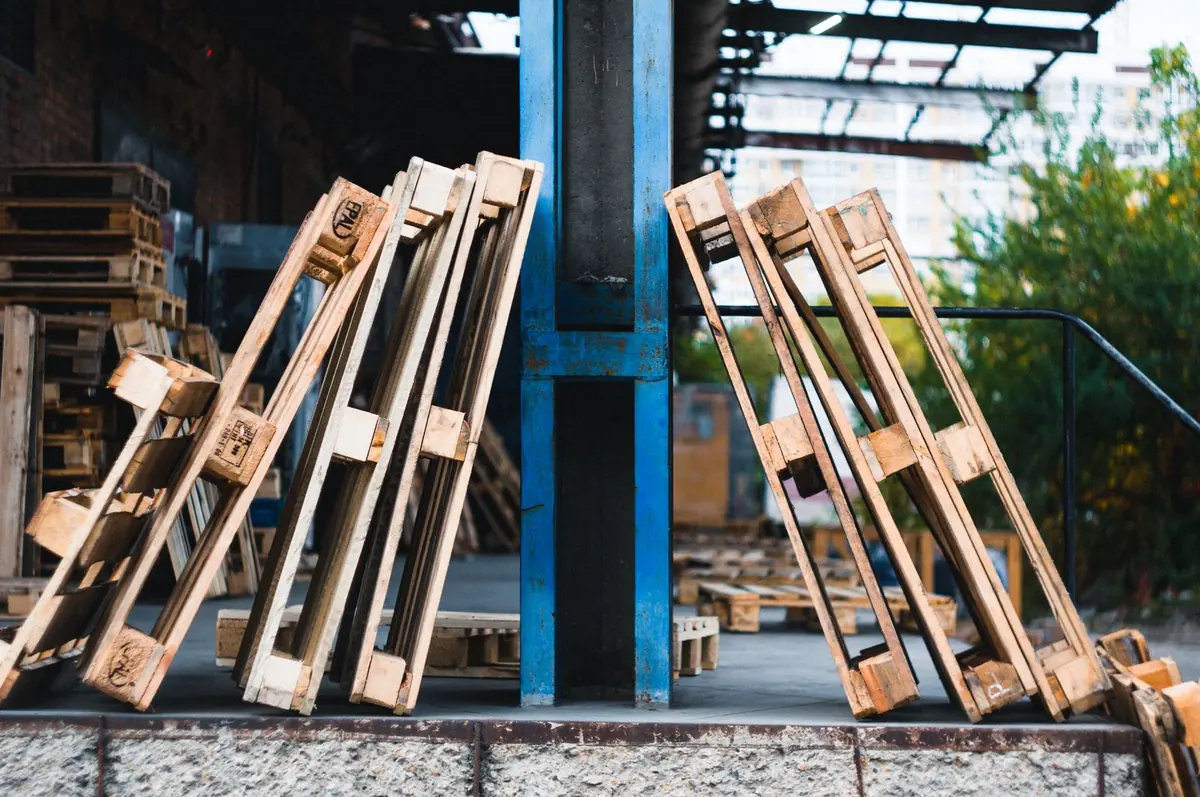
ISPM 15 is International Standard for Phytosanitary Measures No. 15, issued by the International Plant Protection Convention (IPPC), applying to packaging made of raw wood in international trade. The wood must be debarked and treated by a recognised method; the most common is heat treatment, which requires the whole wood cross-section, including the core, to reach at least 56 °C continuously for 30 minutes. After treatment, the pallet is stamped so that the importing country’s quarantine authority can trace the treatment unit.
A valid ISPM 15 mark has the IPPC symbol, country code, registration number and treatment method code. When receiving wooden pallets for export goods, you can quickly check the following components yourself:
- IPPC symbol: the registered certification symbol, required on every ISPM 15 mark.
- Country code: the two-letter ISO code of the country where the wood was treated, for example VN for Vietnam.
- Registration number: a unique code for tracing back to the treatment or pallet manufacturing unit.
- HT: heat treatment in a steam or drying chamber, with the whole wood cross-section including the core reaching at least 56 °C for 30 continuous minutes.
- DH: dielectric heating (microwave), with the whole cross-section reaching at least 60 °C for 1 continuous minute.
- MB or SF: fumigation with methyl bromide or sulfuryl fluoride.
A common misunderstanding is that ISPM 15 “requires fumigation”. In fact the standard allows a choice of heat treatment or fumigation, and heat treatment (HT) is the most used, while methyl bromide is restricted in many countries. Wood must also be debarked before treatment; ISPM 15 accepts only leftover bark pieces narrower than 3 cm, or wider but with each piece under 50 cm².
Not every wood packaging item falls within the scope of ISPM 15. According to the Canadian Food Inspection Agency (CFIA) interpretation based on the standard, the following are exempt: wood 6 mm thick or less; packaging made entirely of wood processed with glue, heat or pressure such as plywood, particleboard and OSB (including pressed-wood pallets); sawdust and wood shavings. This is why pressed-wood pallets also go for export without a mark.
The real cost per use
If you compare only purchase price, plastic pallets are always more expensive. The better question is how much each trip of the pallet costs: take the total cost of ownership divided by the number of uses over the pallet’s life. Total cost of ownership includes the purchase price and the extra costs in the table below.
| Cost item | Plastic pallet | Wooden pallet |
|---|---|---|
| Initial purchase price | Higher | Low |
| Repair | Almost cannot be repaired, disposed of when badly damaged | Replace slats, low cost but frequent |
| ISPM 15 treatment for export | None | Incurred for each batch of pallets exported |
| Cleaning | Wash with water, reuse at once | Hard to clean, prone to damp and mould |
| Return trip of empty pallets | Many cup-foot codes nest into each other, reducing the return volume | Cannot nest, takes full volume |
| End-of-life value | Sold as scrap plastic for recycling | Low, only scrap wood value |
Enter your actual quote and expected number of uses in the tool below. The result shows the cost per use of each type and the minimum number of uses at which the plastic pallet starts to beat the wooden pallet.
Plastic pallet
Wooden pallet
The tool only calculates from the figures you enter and stores no data. Cost per use equals the purchase price divided by the number of uses, plus the extra cost per use.
The number of uses is the most important variable. For a pallet travelling with export goods and not returning, the number of uses for both types is just one, so the pallet with the lower purchase price is always cheaper. When pallets are collected and circulate many times, the purchase price gap is divided down across each trip.
To see how much the number of uses matters, we can use figures from a pallet life-cycle study in Finland (Deviatkin and Horttanainen, 2020): in a closed chain, an EUR wooden pallet is used on average about 20 times (ranging 1 to 83), while a plastic pallet is used about 66 times (34 to 250). Suppose a plastic pallet costs 3 times as much as a wooden one: the purchase cost per use of the plastic pallet is 3 divided by 66, about 1/22 of the wooden pallet price, close to the wooden pallet’s 1/20. If the plastic pallet costs 4 times as much, it pays off only when circulated more than 80 times.
Fire safety: a disadvantage of plastic pallets that is rarely mentioned
Many sales documents say plastic pallets are “fireproof” or safer in fire than wood. Fire protection bodies judge the opposite. According to the US National Fire Protection Association (NFPA), when designing sprinklers under NFPA 13, plastic pallets are generally treated as a higher fire hazard than wooden pallets, unless certified as equivalent to wood. The FM Global guidance document DS 8-24 also places uncertified plastic pallets in the plastics commodity group when calculating fire suppression systems.
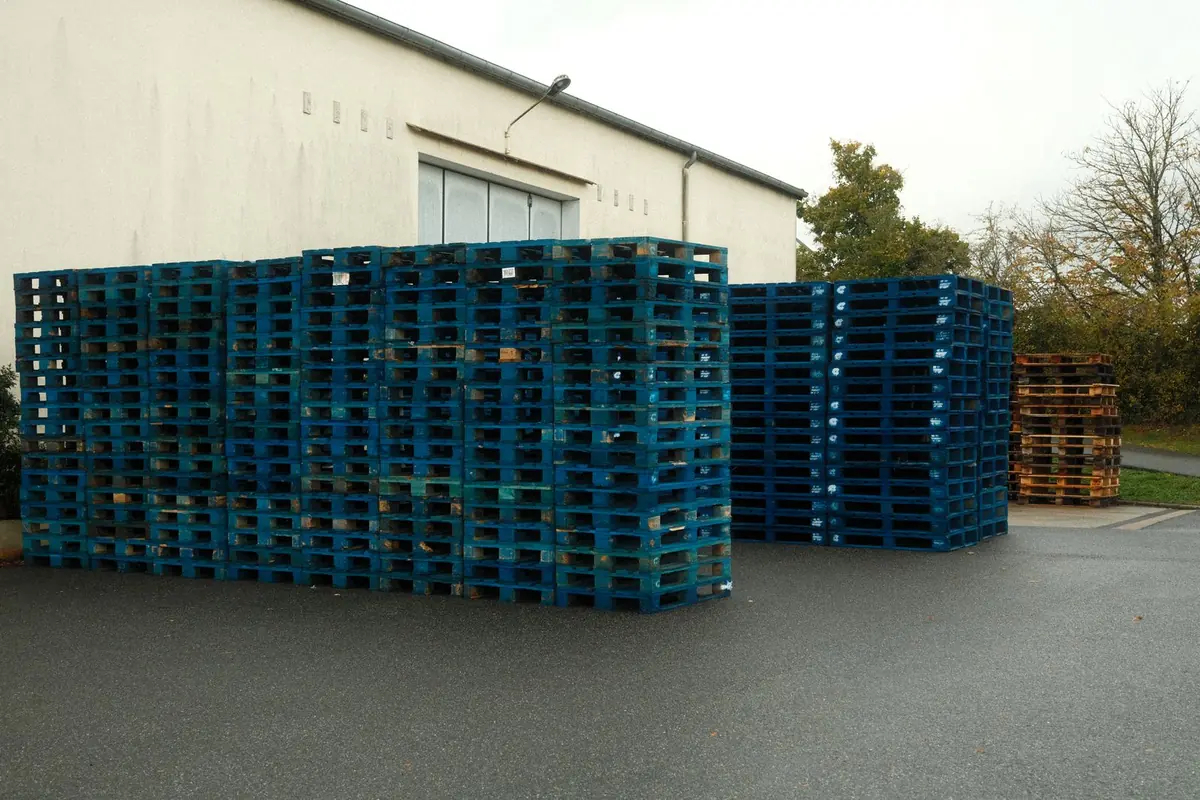
- Stacked empty pallets are the biggest risk: a pile of empty pallets has many gaps and burns very fast; NFPA 13 limits the height of empty plastic pallet piles to lower than wooden pallets within the same sprinkler design (about 1.2 m versus 1.8 m).
- Keep empty pallets outdoors or in a separate area where possible, away from goods and escape routes.
- When switching from wood to plastic in large quantities, tell the fire protection designer so the spray density of the existing sprinkler system can be rechecked.
Food and pharmaceuticals: where the real hygiene risk lies
Plastic pallets are favoured in food warehouses because they can be washed and do not absorb moisture. But that does not mean wooden pallets are banned: the sanitary food transport rules under the US FDA Food Safety Modernization Act (FSMA) require transport equipment to keep sanitary conditions and do not specify a pallet material.
The hygiene risk of wooden pallets lies in how the wood is treated. In 2010, a series of over-the-counter medicines in the US were recalled over an unusual musty smell; the response filed with the FDA showed the odour came from TBA, formed from the preservative TBP on the pallet wood. After the incident, the manufacturer required suppliers to deliver only on heat-treated wooden pallets, with no chemicals. Lessons for food and pharmaceutical warehouses:
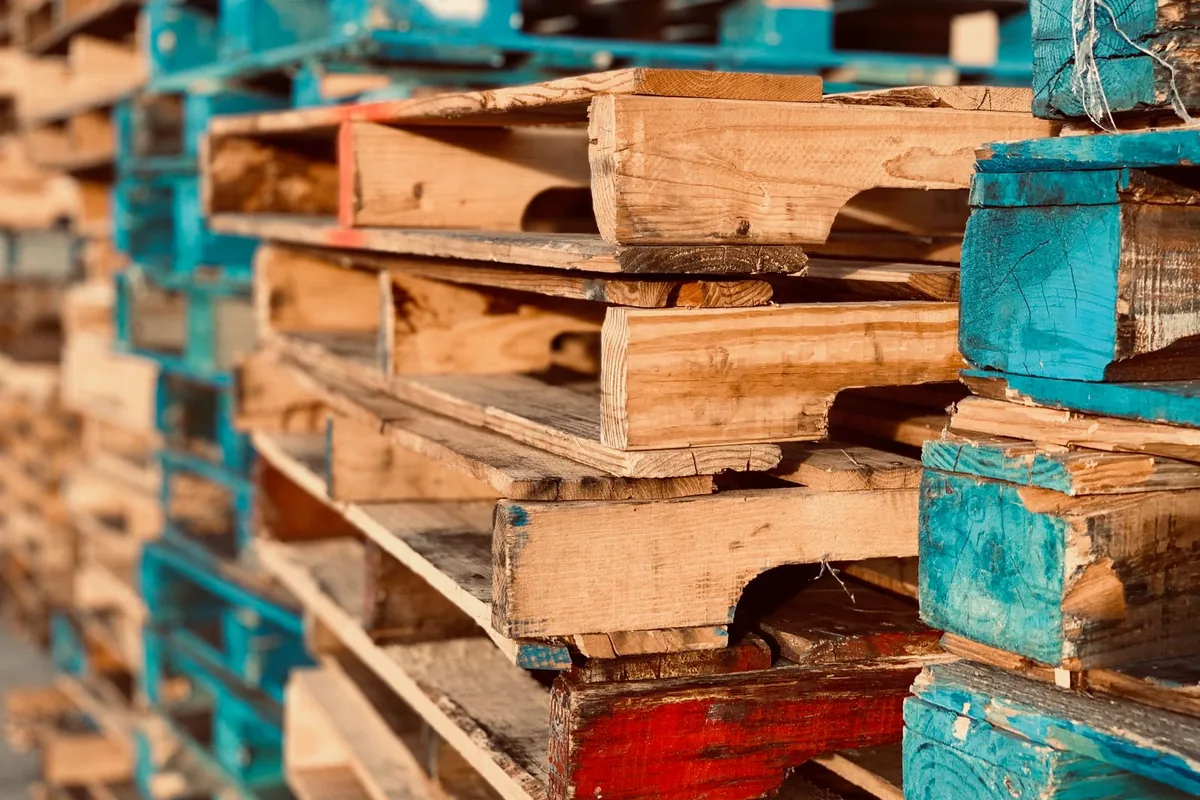
- If you use wooden pallets, use only heat-treated (HT) wood, not wood soaked in chemical preservatives.
- If you use plastic pallets, choose virgin plastic; recycled plastic may contain impurities of unknown origin.
- Whichever you choose, you need a process to inspect, clean and reject dirty or mouldy pallets before they enter the production area.
Which pallet is more environmentally friendly?
This is where comparison articles most often get it wrong. Most life-cycle assessment (LCA) studies show wooden pallets have a lower carbon footprint than virgin plastic pallets, even after allowing for plastic pallets being usable many more times. Wood absorbs CO2 as the tree grows, while virgin plastic is made from petroleum and takes a lot of energy to produce.
- Review of 16 studies (Deviatkin et al., Sustainability, 2019): EUR wooden pallets about -26 to 9.9 kg CO2e per pallet; virgin plastic pallets 22 to 166 kg; recycled plastic pallets only 3.7 to 4.1 kg.
- US food retail sector (Anil et al., Journal of Industrial Ecology, 2020): calculated per use, a heat-treated wooden pallet has a carbon footprint about 72% lower than a plastic pallet.
- Notable exceptions: pallets made from recycled plastic have low emissions, and lighter plastic pallets reduce transport fuel; but these factors are usually not enough to offset the production of virgin plastic.
My view: if the goal is to cut emissions, do not choose plastic pallets because “plastic is greener”. Choose the right type for the right number of uses, prefer repairing wooden pallets over discarding them, and when plastic pallets reach end of life, send them for recycling into plastic resin instead of landfill.
Which to choose by situation
The situations below compile cases businesses often meet. For high-bay racking, whichever type you choose, you need to check the racking load published by the manufacturer.
- One-way export with no pallet recovery: ISPM 15-treated wooden pallets, or pressed-wood pallets; low purchase price, used only once.
- Closed supply chain, pallets circulating many times: plastic pallets; lower cost per use thanks to the long life.
- Seafood, food, pharmaceuticals, cold stores: virgin plastic pallets, preferring HDPE because it is less brittle at sub-zero temperatures.
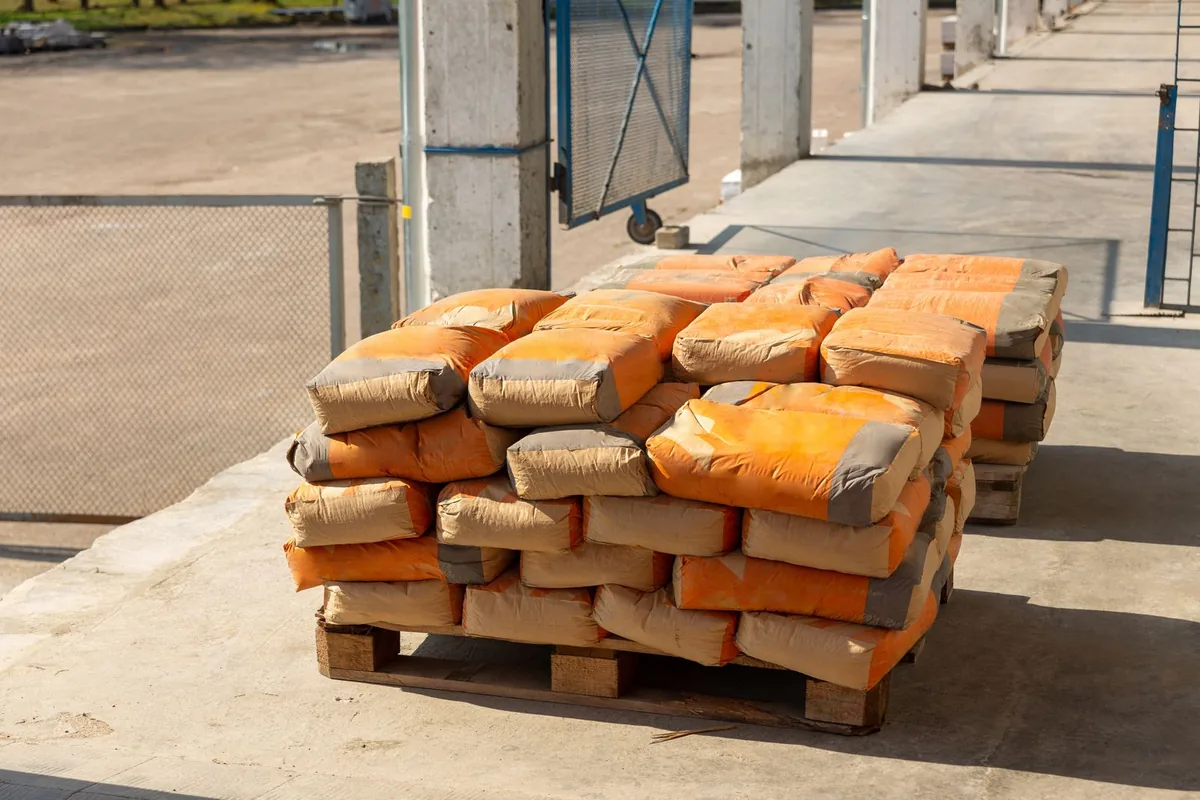
- Construction materials, heavy raw goods: wooden pallets; good friction, low price, easy to repair.
- High-bay racking, automated warehouses: steel-core plastic pallets or EPAL standard wooden pallets; uniform size, with published racking load.
- Non-standard sizes, small quantities: wooden pallets; built to order, no mould needed.
- Warehouses holding many empty pallets indoors: think carefully before switching to plastic because of the higher fire protection requirements.
Once you have chosen plastic pallets, the three specifications below decide whether you are using the right type.
- All three load ratings: Check the static load when stacked, the dynamic load when the forklift moves and the racking load if placed on racking. These three figures differ and cannot be derived from one another.
- Size matching the system: The pallet size must match the rack beams, the container interior and the fork opening of the forklifts used in the warehouse.
- Virgin or recycled plastic: Cold stores, food and pharmaceuticals should use virgin plastic; dry storage or one-way export can use recycled plastic.
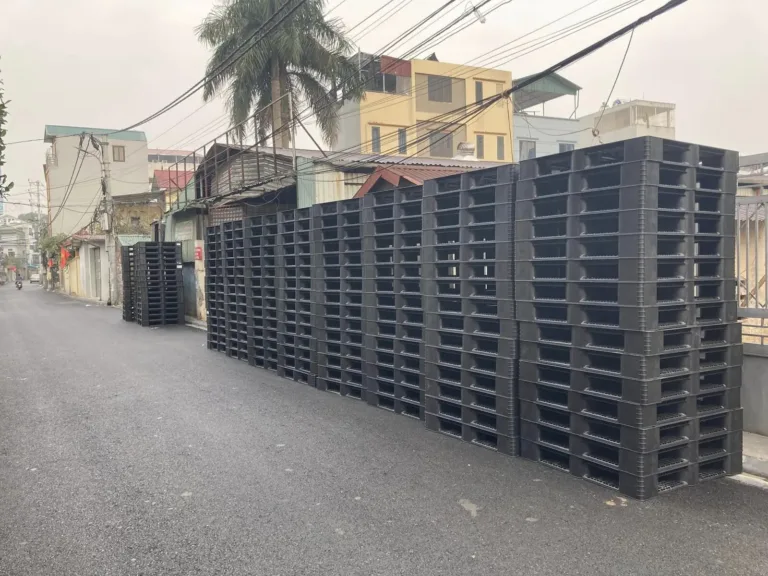
Once you have settled on the right type, you can buy plastic pallets by the size and load you need. See also: comparison of pallet materials | how to read static and dynamic load.
Frequently asked questions
Which lasts longer, plastic or wooden pallets?
Plastic pallets last longer: no termites, no rot from moisture, and a good-quality pallet used within its load can last many years. Wooden pallets deteriorate faster in damp environments but their life can be extended by replacing damaged slats.
Which costs more, wooden or plastic pallets?
By purchase price, plastic pallets cost more. By cost per use, plastic pallets can be cheaper if collected and circulated many times. For one-way export goods, wooden pallets are usually cheaper.
- Purchase price: Wooden pallets are cheaper from the start, an advantage when the pallet makes only one trip.
- Cost per use: Plastic pallets win when collected and circulated many times in a closed chain.
How much does a wooden pallet cost?
The price of a wooden pallet depends on size, wood type (pine, acacia, melaleuca, rubberwood), number of slats and thickness, whether it has ISPM 15 heat treatment, new or used, and order quantity. A wooden pallet has a lower purchase price than a plastic pallet of the same size; ICD Vietnam quotes by model, quantity and delivery location.
Are plastic pallets heavier or lighter than wooden pallets?
Mostly lighter. An EPAL 1200 x 800 mm wooden pallet weighs about 25 kg, while plastic pallet codes of the same size with published weights in the ICD Vietnam catalogue weigh 10 to 18 kg. Some thick-built 1200 x 1000 mm warehouse codes weigh up to 22 kg.
Do plastic pallets bear as much load as wooden pallets?
It depends on the code. EPAL and Asian-standard 1200 x 1000 mm wooden pallets have a dynamic load of 1,250 to 1,500 kg; plastic pallets of the same size have a dynamic load from 500 to 3,200 kg, so some codes are lower and some higher than wooden pallets.
Are plastic pallets more flammable than wooden pallets?
According to NFPA and FM Global, uncertified plastic pallets are generally treated as a higher fire hazard than wooden pallets when designing sprinkler systems, especially when empty pallets are piled up. Plastic pallets are not a fire-resistant material.
Does exporting with plastic pallets need fumigation?
No. ISPM 15 applies only to packaging made of raw wood; plastic pallets lie outside its scope so they need no treatment or stamping.
References
- Concept and role of pallets in logistics and goods transport - Material Handling Industry (MHI) - Pallets.
- ISPM 15 standard - IPPC - Regulation of wood packaging material in international trade; exemptions under CFIA D-13-01.
- EPAL pallet specifications - EPAL - EPAL Euro Pallet.
- Product specifications - ICD Vietnam plastic pallet and wooden pallet catalogue, checked on 11 October 2026.
- Flat pallet test methods - ISO 8611-1:2025.
- Pallet warehouse fire protection - NFPA, How NFPA 13 addresses idle pallet storage (2023); FM Global Data Sheet 8-24.
- Sanitary food transport - FDA FSMA Sanitary Transportation; the 2010 recall - response filed with the FDA.
- Pallet life-cycle assessment - Deviatkin and Horttanainen, 2020; Deviatkin et al., Sustainability, 2019; Anil et al., Journal of Industrial Ecology, 2020.