
Table of Contents
- What is static load?
- What is dynamic load?
- What is racking load?
- Why do you need to tell these load types apart?
- How is the catalogue load figure determined?
- Plastic pallet loads in the ICD Vietnam catalogue
- How to calculate the pallet load you need
- Advice for choosing a pallet by load
- Conclusion
- Frequently asked questions
- Contact us for advice on choosing a pallet by load
- References
- Related articles
Reviewed and updated by ICD - Week 43/2026
Static load is the maximum weight a pallet can bear while standing still on a flat floor or while sitting at the bottom of a stack of loaded pallets; dynamic load is the maximum weight when the pallet is lifted and moved by a forklift. Across the 146 plastic pallet codes for which ICD Vietnam publishes both figures, the median dynamic load is only about one third of the static load. Putting a pallet on racking needs a third figure, the racking load.
I have worked with plastic pallets and wooden pallets at ICD Vietnam since 2011, and the pallet-selection mistake I see most is still the same one: the buyer looks at the biggest number printed in the catalogue and loads goods to that number. A pallet marked 4,000 kg does not mean a forklift may lift 4 tonnes of goods on it. This article explains the three load types in the language of a warehouse operator, shows how the catalogue number is tested, with real data from our catalogue, and offers a tool so you can calculate for your own goods.
What is static load?
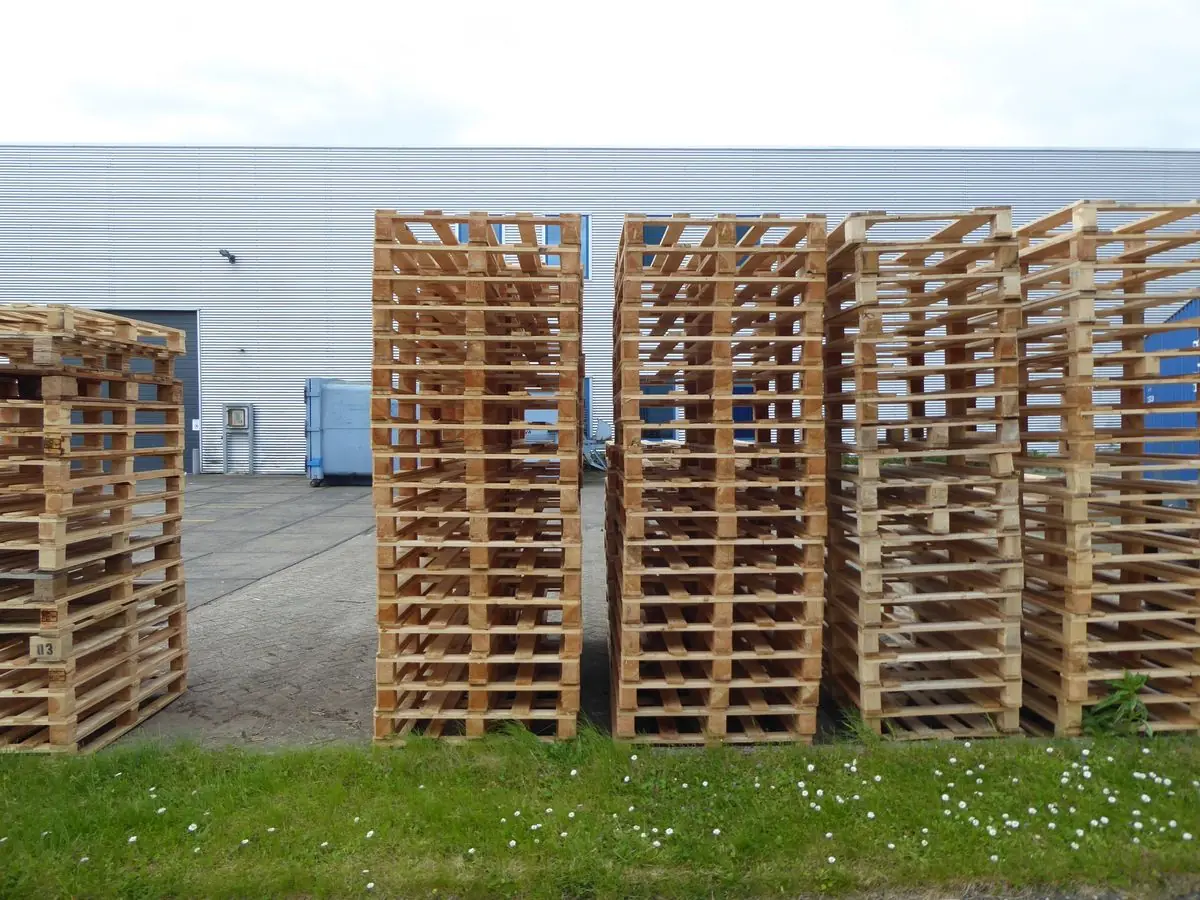
Static load is a pallet’s load-bearing capacity when it rests still on a flat, hard surface. The whole base or the feet of the pallet sit on the floor, the weight of the goods transfers straight down and the pallet is barely bent. There is no vibration, no sudden braking and no impact, so this is always the largest number in the specification table. ICD currently has many models in the steel-core plastic pallet group.
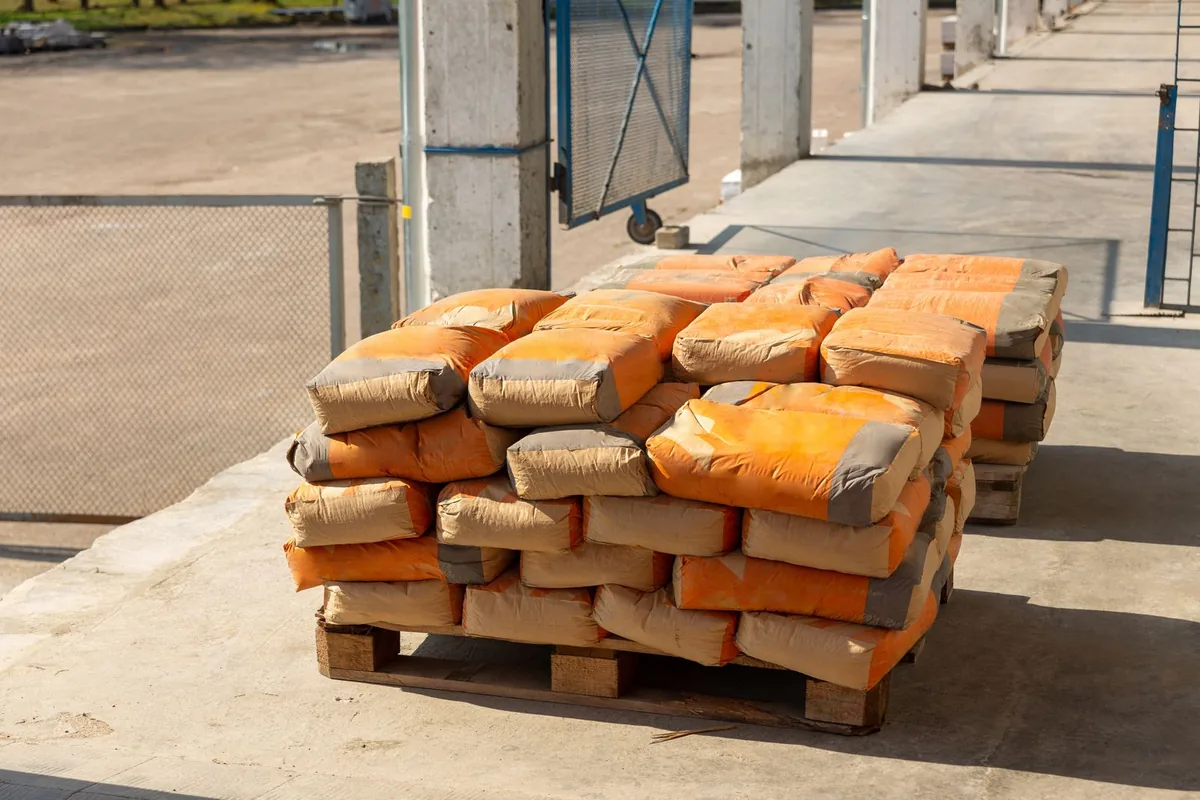
In practice, static load matters most for the bottom pallet of a stack. That pallet carries not only its own goods but also all the loaded pallets stacked above it. One officially published benchmark is the EPAL wooden pallet at 1200 x 800 mm: according to the European Pallet Association (EPAL), the safe working load of the pallet is 1,500 kg, and when loaded pallets are stacked on a flat, firm floor the bottom pallet must not carry more than 5,500 kg. The 5,500 kg figure is the static load limit when stacking. You may also find our article on HDPE plastic pallets useful.
What is dynamic load?
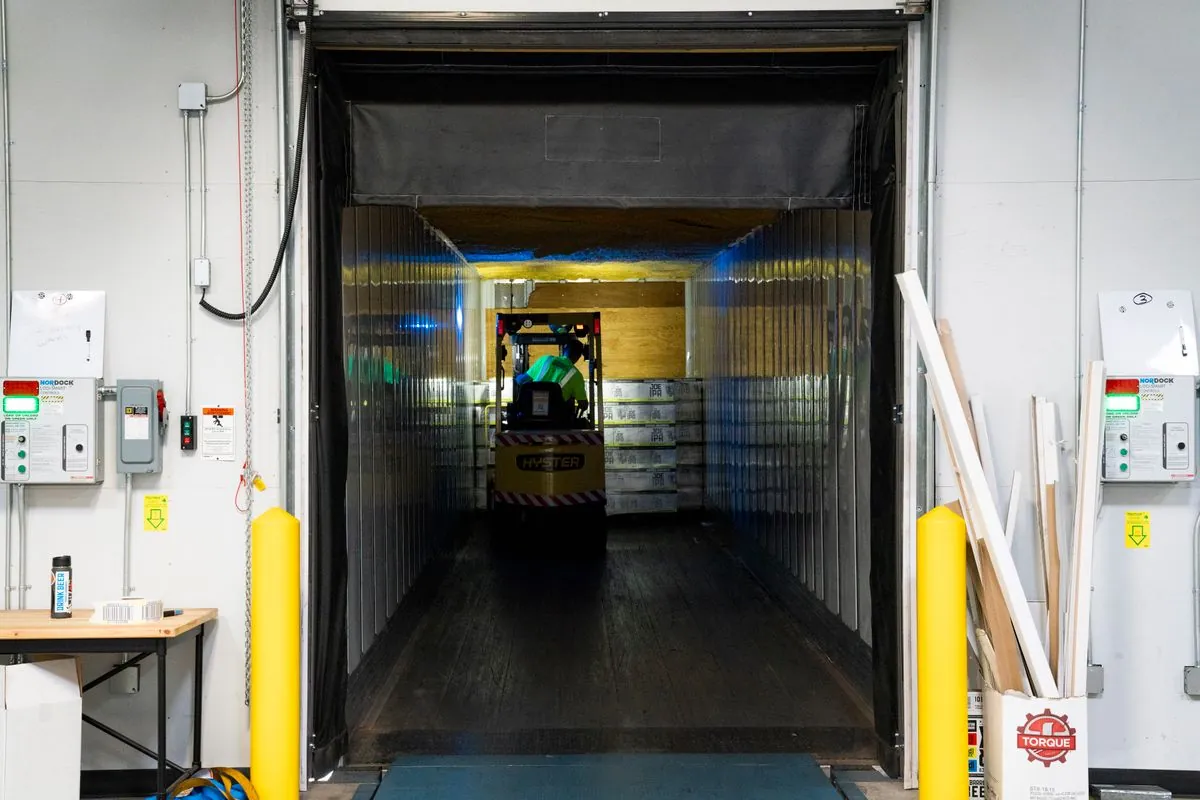
Dynamic load is a pallet’s load-bearing capacity while it is being lifted and moved by a hand pallet truck, electric forklift or diesel forklift, or while riding on a truck or in a container. The pallet no longer rests on the whole floor but only on two forks, with the middle and both edges hanging. Every time the truck accelerates, brakes, crosses a dock threshold or sets the goods down a little roughly, the force on the pallet is greater than the weight of the goods standing still.
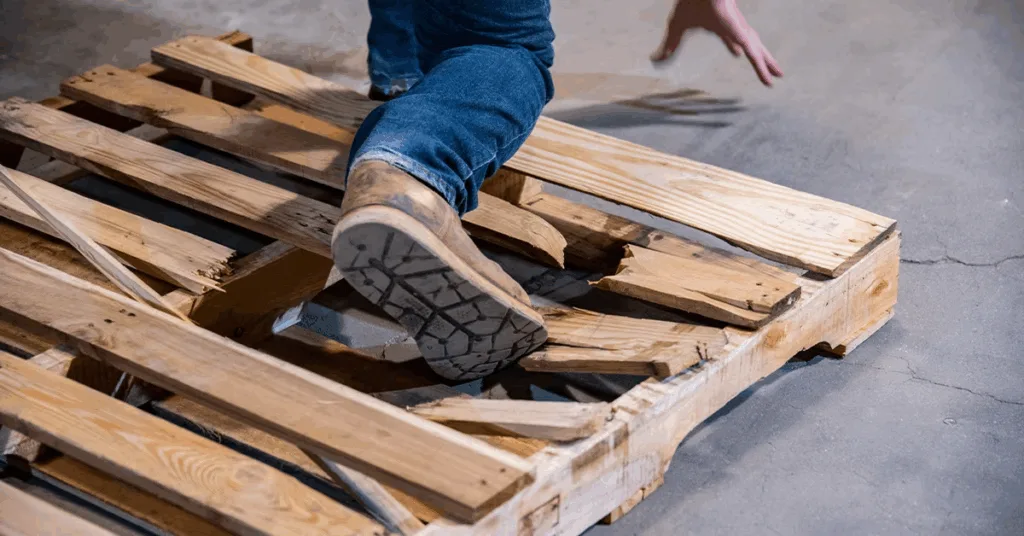
That is why a pallet’s dynamic load is always lower than its static load. For a warehouse that uses forklifts every day, this is the number that decides safety: a pallet that exceeds its dynamic load usually does not break at once, but cracks at the feet and sags gradually over many lifts, and then fails just when it is carrying goods.
What is racking load?
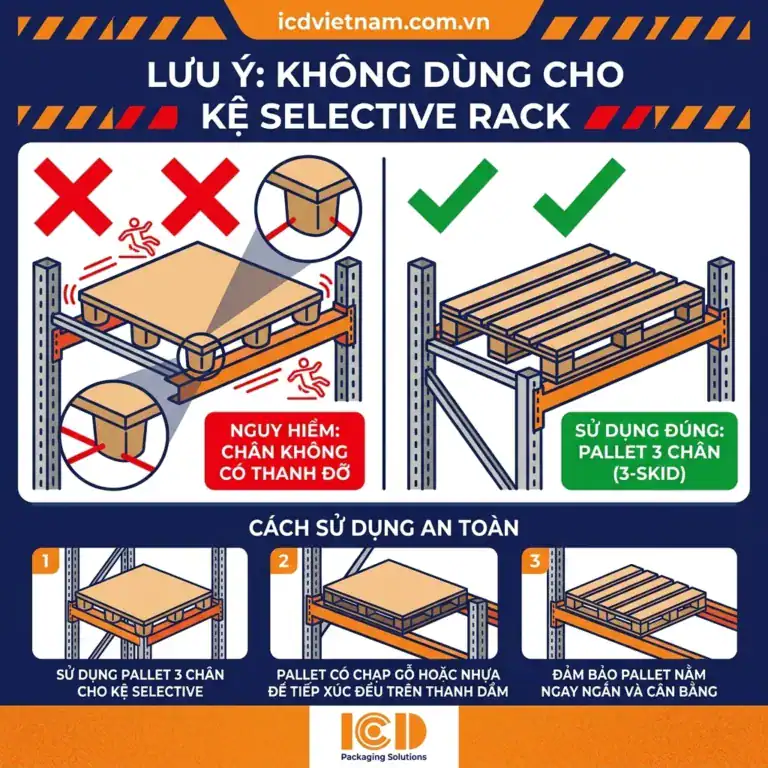
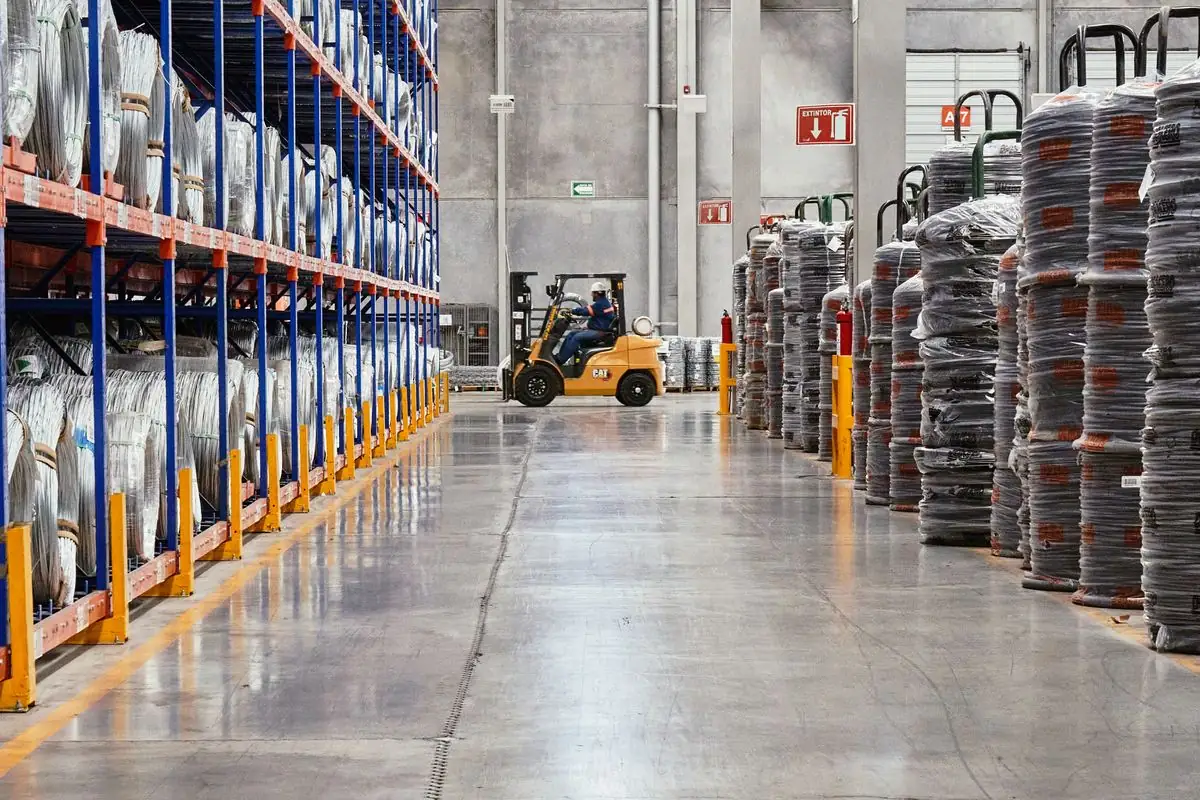
Racking load is the maximum weight a pallet can bear when it rests only on the two beams of a racking system, with nothing under the middle of the pallet. The pallet then works like a bending beam, so for a plastic pallet without a steel core, the racking load is usually lower than the dynamic load. The figure depends on the distance between the two beams and the direction the pallet is placed (along the long or short edge).
The ISO 8611-1:2025 standard for testing flat pallets distinguishes three conditions of use: handling with racking and stacking, handling without racking, and handling with neither racking nor stacking. In other words, a pallet code that has only a static and a dynamic load in the catalogue is not enough basis to put it on racking. For selective racking the pallet must also have feet or bearers that sit evenly across the beams.
The table below puts the three load types side by side so you know which number applies to which situation:
| Load type | Where the pallet is | Risk when overloaded |
|---|---|---|
| Static load | Standing still on a flat floor, at the bottom of a stack | The bottom pallet is crushed, feet crack, deck bends |
| Dynamic load | On forklift tines, in motion | Deck or feet break when braking, lifting or on impact |
| Racking load | Resting on the two beams of racking | Mid-span sag, pallet and goods falling from height |
Why do you need to tell these load types apart?
You need to tell them apart because the same pallet can carry 4,000 kg when standing still but be safe for only about 1,000 kg when a forklift moves it. Choose by the wrong number and the consequences come in a chain: a deformed pallet makes the goods above topple and break, a pallet that breaks in an aisle can injure people nearby, a warped pallet jams on forklift tines or on a conveyor, and finally there is the cost of replacing pallets again and again, which the buyer wrongly blames on poor pallet quality.
Conversely, choosing a pallet by dynamic load alone can also be overkill. A warehouse that keeps goods on the floor and rarely moves them needs to consider static load and stackability; buying a high dynamic load pallet for this kind of warehouse is paying for a feature you never use. So the first question I always ask a customer is where the pallet will sit: on the floor, on a forklift, on racking, or all three.
How is the catalogue load figure determined?
The catalogue figure is a safe load after a safety factor has been applied, not the level at which the pallet starts to break. According to the Center for Unit Load Design at Virginia Tech, the rated load under ISO 8611 comes from two kinds of test. A strength test loads the pallet until it fails and divides by a safety factor of 2. A stiffness test holds a load on the pallet for a period and measures deflection; for racking, deflection is limited to 2% of the distance between the two supports. The smaller figure from the two tests is the safe load for that support condition.
For plastic pallets, the stiffness test is often the deciding one. HDPE or PP under load for a long time keeps sagging over time, a phenomenon called creep, so according to the same source, ISO requires plastic pallets to hold the load for 24 or 48 hours in testing, longer than wooden pallets. The procedure for predicting creep of plastic pallets in ISO/TS 8611-4 also applies only at room temperature. These two points explain what I keep telling customers: a heavy stack left for weeks in a hot tin-roof warehouse will make a plastic pallet sag more than a stack of the same weight that sits only overnight.
Plastic pallet loads in the ICD Vietnam catalogue
Across 146 plastic pallet codes that publish both load types (checked on 14 October 2026), the median static load is 4,000 kg and the median dynamic load is 1,000 kg. Taking each code’s ratio of dynamic to static load and finding the median gives exactly one third, and half of the codes fall between 25% and 33%. The figures circulating online, such as “static load is 3 to 5 times dynamic load”, are therefore only partly right: most warehouse plastic pallets fall at about 3 to 4 times. You can see the real specifications of the ICD steel-core plastic pallet 1200x1000x150mm.
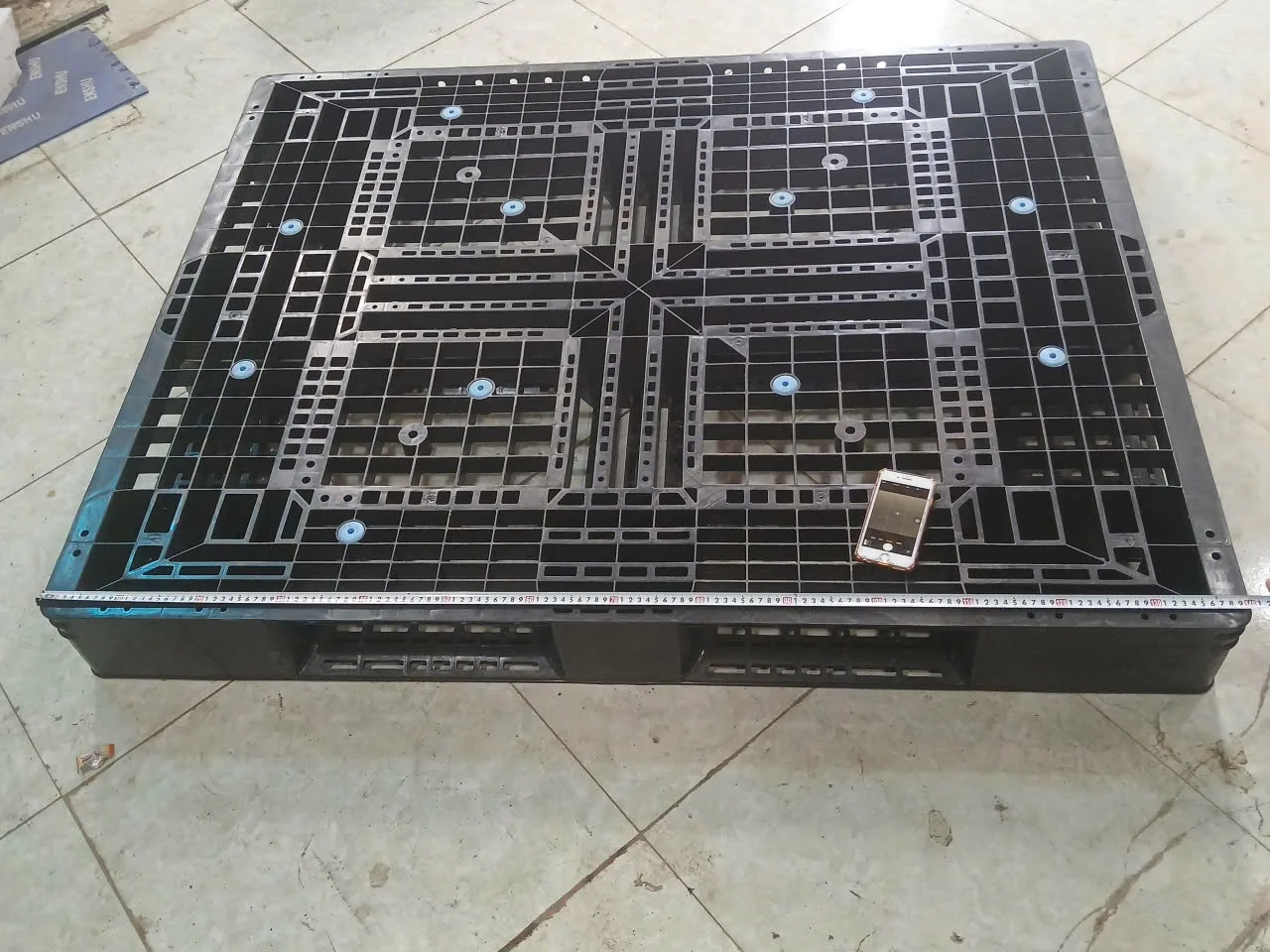
The load range in the catalogue is much wider than a single “general reference” level: static load from 1,000 to 8,000 kg and dynamic load from 500 to 3,200 kg, depending on size, height and foot structure. The most common dynamic load is 1,000 kg. The highest is the steel-core plastic pallet 1200 x 1000 x 150 mm with a static load of 6,500 kg and a dynamic load of 3,200 kg; two of the three steel-core codes show a dynamic-to-static ratio of about 48% to 49%, well above ordinary plastic pallets because the steel bars keep the deck from sagging when it rests on only two forks.
How to calculate the pallet load you need
The static load the bottom pallet needs equals the weight of the goods on it plus all the loaded pallets stacked above, including the weight of the empty pallets; the dynamic load needed equals the weight of goods on one pallet plus a safety margin. For example, with 800 kg of goods per pallet stacked 3 tiers high and an empty pallet weighing 20 kg: the bottom pallet carries 800 + 2 x (800 + 20) = 2,440 kg of static load, and when lifted by a forklift you need a pallet with a dynamic load of at least 800 x 1.3 = 1,040 kg.
The tool below does that calculation for your weight and number of tiers, and also counts how many plastic pallet codes in the ICD Vietnam catalogue meet both conditions.
Calculated across 153 plastic pallet codes that publish both static and dynamic load on the ICD Vietnam website (checked on 11 October 2026). The tool does not account for racking load; goods placed on racking need to be checked against the racking load of each code.
Advice for choosing a pallet by load
Choose a pallet by load by working out which state the pallet will be used in, taking the matching load type, then adding a safety margin of 25-30% on the real weight of the goods. The margin covers unevenly stacked goods, uneven warehouse floors and forklift drivers who are not always gentle.
Applying the 30% reserve rule to common goods weights, the table below shows the minimum dynamic load to choose and how many plastic pallet codes in the ICD Vietnam catalogue meet it:
| Goods weight per pallet | Minimum dynamic load (plus 30%) | Codes at ICD Vietnam that qualify |
|---|---|---|
| 500 kg | 650 kg | 138 / 146 |
| 800 kg | 1,040 kg | 62 / 146 |
| 1,000 kg | 1,300 kg | 56 / 146 |
| 1,200 kg | 1,560 kg | 32 / 146 |
| 1,500 kg | 1,950 kg | 30 / 146 |
The 800 kg level is the threshold that surprises most customers: with goods heavier than about 770 kg, a pallet with a 1,000 kg dynamic load, the most common kind, no longer has the 30% safety margin. That is why at 500 kg there are 138 qualifying codes, but at 800 kg only 62 remain.
Before calling a supplier, prepare the following information so that you get advice on the right code the first time:
- The weight of goods on one pallet, including cartons, stretch film and strapping.
- The number of tiers of loaded pallets stacked on the floor, if any.
- Whether the pallet goes on racking, and the beam spacing.
- The type of forklift used: hand pallet truck, electric forklift or diesel forklift.
- The type of goods: evenly spread like cartons, or concentrated like drums, rolls and machinery.
- The environment: ordinary warehouse, cold store or hot tin-roof warehouse.
Conclusion
Static load applies when the pallet stands still or sits at the bottom of a stack, calculated for the bottom pallet. Dynamic load applies when a forklift lifts and moves it, and is usually only about one third of the static load. Racking load applies when the pallet goes on racking and must be looked up separately for each code, not inferred from the other two numbers. Choosing the right number for the right state is the cheapest way to protect your goods, your operators and the pallets you paid for.
Frequently asked questions
What is the static load of a pallet?
It is the maximum weight a pallet can bear when resting still on a flat, hard surface, with goods spread evenly over the pallet face. This figure is used to calculate the bottom pallet when several loaded pallets are stacked.
What is the dynamic load of a pallet?
It is the maximum weight a pallet can bear while being lifted and moved by a forklift or hand pallet truck, or while transported by truck or in a container. It is the figure that decides safety for a warehouse that uses forklifts every day.
Why is static load usually higher than dynamic load?
When standing still, the pallet rests on the whole floor and is not shaken. On a forklift, the pallet sits on only two forks, is bent and takes extra force when accelerating, braking or crossing thresholds. In the ICD Vietnam plastic pallet catalogue, the median dynamic load is about one third of the static load.
How many kg can a plastic pallet carry?
It depends on size and structure. Across the 146 ICD Vietnam plastic pallet codes that publish both figures, static load ranges from 1,000 to 8,000 kg and dynamic load from 500 to 3,200 kg; the most common dynamic load is 1,000 kg. Steel-core pallets give the highest dynamic load, up to 3,200 kg.
What is the load of a wooden pallet?
A wooden pallet has no single figure because it depends on the wood type, number of slats and construction. The officially published example is the EPAL wooden pallet at 1200 x 800 mm with a safe working load of 1,500 kg, and a bottom pallet carrying at most 5,500 kg when stacked on a flat floor.
How is pallet load tested?
Under the ISO 8611 series, flat pallets are tested for bending, forklift lifting, foot compression, stacking, impact and other tests. The safe load is taken from the smaller of the strength test (divided by a safety factor of 2) and the stiffness test that holds the load over time; plastic pallets must hold the load for 24 or 48 hours.
Can you put plastic pallets on racking based on dynamic load alone?
You should not. On racking the pallet rests only on two beams and bends in the middle of the span, so racking load is usually lower than dynamic load for a plastic pallet without a steel core. Ask for the racking load at your exact beam spacing and pallet direction.
Contact us for advice on choosing a pallet by load
If you need to choose a pallet by goods weight, number of stacked tiers or the racking you use, send me and the ICD Vietnam team the details and we will advise a suitable code.
North: 0983 797 186 / 090 345 9186 / 090 5859 186
South: 098 6784 186
Email: sales@icdvietnam.com.vn
References
- ISO 8611-1:2025 Pallets for materials handling, Flat pallets, Part 1: Test methods - the three conditions of use, rated load and maximum working load; see also ISO 8611-3:2011 (maximum working load) and ISO/TS 8611-4:2013 (predicting creep of plastic pallets).
- Center for Unit Load Design, Virginia Tech - How Much Load Can My Pallet Carry? - safety factor, load-holding time, deflection limits.
- European Pallet Association (EPAL) - EPAL Euro pallet - safe working load and stacking limit.
- Material Handling Industry (MHI) - Pallets - pallet classification and construction.
Related articles
- Standard plastic pallet sizes by ISO and by container
- Calculating how many pallets fit in a container
- Heavy-duty plastic pallets for heavy goods