

Table of Contents
- What is a HACCP product description?
- Detailed guide to building a HACCP product description
- A complete HACCP product description example
- Common mistakes when building a product description
- Conclusion
- Frequently asked questions
- What is a HACCP product description used for?
- Is a HACCP product description mandatory?
- What is the first piece of information to fill in on a product description?
- Who is responsible for building the product description?
- Do I need a separate table for each product?
- Which version of the allergen list should the description follow?
- What should be recorded about pallets in the product description?
- When must the product description be updated?
- Contact for pallet advice for food warehouses and cold chains
- References
Reviewed and updated by ICD - Week 44/2026
A HACCP product description is the document that records every characteristic affecting a product’s safety: ingredients, pH, water activity, heat treatment, packaging, storage, shelf life, distribution, intended users and labelling. It covers steps 2 and 3 of the 12 steps of applying HACCP in Codex, and is the direct input to hazard analysis.
I am Le Van Thang, and I have worked on pallets and packaging supplies at ICD Vietnam since 2011. Most of our customers are food, seafood and beverage plants building or maintaining HACCP, and the question about pallets usually comes from exactly one cell in the product description: the distribution item. This article goes through the whole table, what each item records and why, with a filled-in example, common mistakes, and how to write the transport packaging section so that the HACCP team can use it in hazard analysis.
What is a HACCP product description?
A product description is a systematic summary of all the safety information about a product, so that the HACCP team can see at a glance which microorganisms may grow, which chemical or physical hazards may appear, and who will eat the product. It is a basic but important document of the HACCP system, because every conclusion in later steps relies back on it. A related article is plastic pallets for cold storage.
The main purpose of the table is to serve principle 1 of HACCP: hazard analysis. When the table is complete and uses numbers, identifying hazards, critical control points (CCPs) and critical limits is more accurate; a vague table leads to a vague hazard analysis.
Where does the product description sit in the HACCP process?
The product description belongs to the group of 5 preparatory steps, specifically step 2 (describe the product) and step 3 (identify intended use and users) in the 12-step sequence of the Codex General Principles of Food Hygiene CXC 1-1969, which Vietnam adopted as TCVN 5603:2023. The HACCP application guidelines of the US Food and Drug Administration (FDA) also put the product description before hazard analysis. To compare sizes and loads, see closed-deck plastic pallets.
Where does the product description sit in the HACCP process?
Steps 2 and 3 are often merged into one form but answer two different questions. Step 2 asks what the product is: what it is made of, how it is processed, packed and stored. Step 3 asks how the product will be used and by whom. The FAO GHP and HACCP toolbox stresses the second point: a business cannot assume its responsibility ends when the goods leave the plant, but must ensure the next user has enough information to reduce risk.
Detailed guide to building a HACCP product description
A complete description has 9 items, each tied to a type of hazard to consider. The table below summarises the 9 items and why each affects hazard analysis; the next sections go into how to write each one, with what I see HACCP teams often miss.
Many forms, for example the bilingual HACCP template set compiled by the World Bank Group for Vietnamese businesses, add a separate page describing incoming ingredients and packaging, recording origin, supplier and receiving conditions for each. This split keeps the final product description shorter, while traceability information on ingredients still has its own place.
| Item | What to record | Why it matters for hazard analysis |
|---|---|---|
| 1. Product name | Full name, variants | Defines the scope of the HACCP plan correctly |
| 2. Ingredients | Raw materials, additives, processing aids | Identifies allergens and microbiologically risky ingredients |
| 3. Product characteristics | pH, water activity, heat treatment, salt content | Shows which microorganisms can grow |
| 4. Packaging | Material, type of packing | Risk of migration, level of product protection |
| 5. Storage conditions | Temperature, humidity, special requirements | Basis for limits in storage and transport |
| 6. Shelf life | Shelf life under specific storage conditions | The time over which hazards can increase |
| 7. Distribution | Vehicle, temperature, pallet, load unit | Hazards arising outside the plant |
| 8. Use and users | Further preparation, user groups | Acceptable risk level for sensitive groups |
| 9. Labelling | Allergen warnings, storage instructions | Communicates control measures to users |
1. Product name
The product name needs to be specific enough not to be confused with another product, because each HACCP plan is tied to one product or one defined group of products. Write the full, exact name; if there are variants in flavour, size or specification, list each variant, or make a separate table when that variant has different safety characteristics. My advice is to use exactly the name in the product declaration file, so that when cross-checking you do not have to explain two names for one item.
2. Ingredients
The ingredients item must list everything that goes into the product, including additives and processing aids not shown on the label, because these are a source of chemical hazards and allergens. Give percentages when the proportion affects hazard analysis (for example salt or sugar concentration); otherwise list in descending order by weight as labelling rules require. Pay particular attention to ingredients with high microbial risk such as eggs, fresh milk and dry spices.
For allergens, many Vietnamese-language documents still cite the old list of 8 groups from the Codex standard for labelling of prepackaged foods, CXS 1-1985. At the end of 2024, the Codex Commission amended the allergen labelling section of this standard. Under the current version, the following groups must always be declared when intentionally present in food:
- Cereals containing gluten: wheat, rye, barley and products of these.
- Crustaceans such as shrimp, crab and products made from them.
- Eggs and egg products.
- Fish and fish products, including fish sauce.
- Peanuts and peanut products.
- Milk and milk products.
- Sesame and sesame products, a group added in 2024.
- Six tree nuts: almonds, cashews, hazelnuts, pecans, pistachios and walnuts.
Sulfite at 10 mg/kg or more must still be named separately under another provision of the standard. Soybeans, buckwheat, celery, oats, lupin, mustard and some nuts such as macadamia and pine nuts have moved to a second list, where each country or region decides whether declaration is mandatory. So when building the table for export goods, the HACCP team should also check the importing country’s labelling rules, especially for soybeans, which are common in Vietnamese food.

3. Final product characteristics
Final product characteristics are the physico-chemical indicators that determine which microorganisms can survive and grow. The most important are pH, water activity (aw, the free water available to microorganisms) and the heat treatment regime, stating the type of treatment (sterilisation, pasteurisation, cooking) with temperature and time. Others include salt content, preservative concentration, viscosity, solid or liquid state, and whether it is vacuum packed.
These parameters are the basis for choosing CCPs and setting critical limits, so they must come from real measurements of the product itself, with the range between batches noted, and be updated when the formulation changes. A figure copied from the documents of a similar product can be off enough to change the conclusion on a hazard.
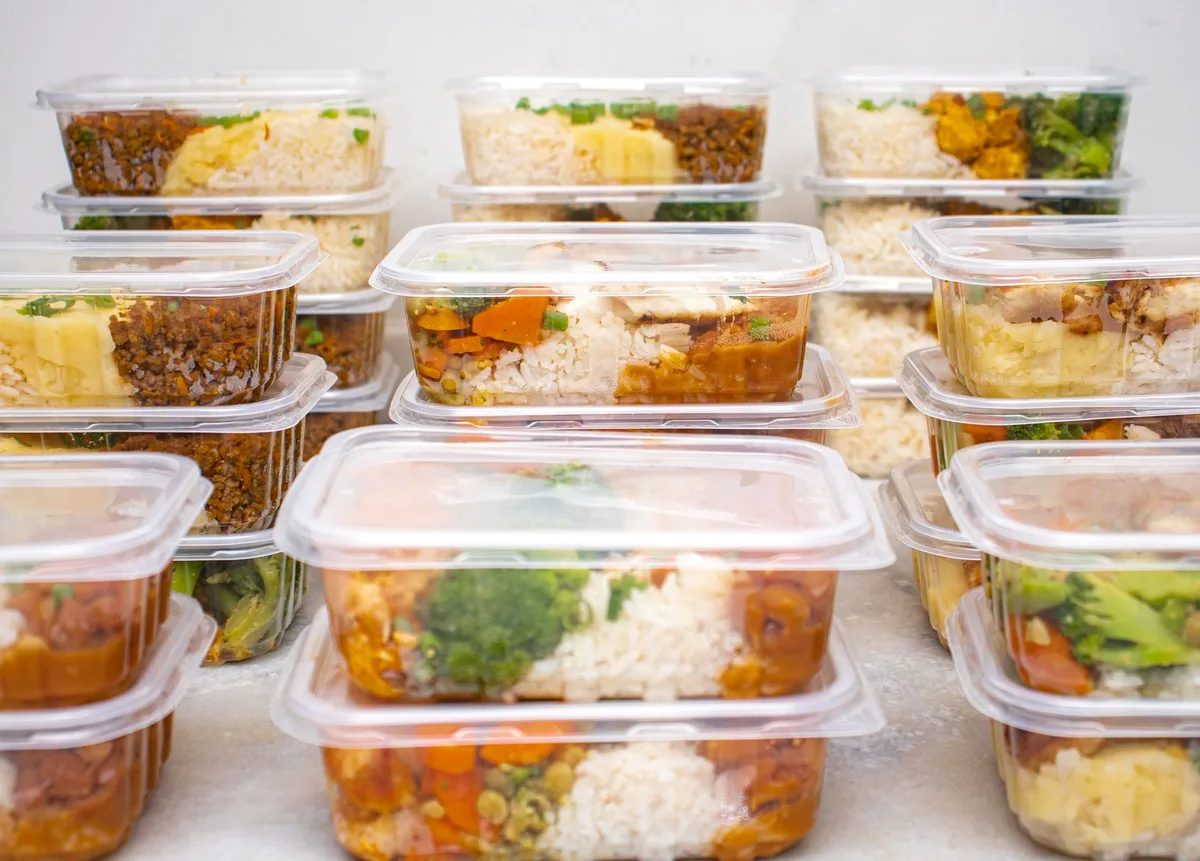
4. Packaging
The packaging item states the material and type of packing, because packaging both protects the product and can be a source of chemical hazard if the material is unsuitable. Separate two layers: packaging in direct contact with food (PE bags, trays, bottles, cans) and outer packaging (cartons, shrink film). Plastic in direct contact must meet QCVN 12-1:2011/BYT and come with migration test results from the supplier.
The type of packing also changes the hazard. Vacuum packing or hot-filling into sealed jars creates an oxygen-poor environment favourable to anaerobic bacteria, so the description must state it clearly for the HACCP team to consider the matching control measures.
5. Storage conditions
Storage conditions must be written as numbers, for example 0 to 4 °C for chilled goods or -18 °C and below for frozen goods, rather than just “keep cold”. For ambient goods, state dry conditions, humidity if relevant, and protection from sunlight and insects. For chilled goods, state the temperature range and the requirement for continuous monitoring, since shelf life is short and sensitive to fluctuation. For frozen goods, add the requirement not to thaw and refreeze.
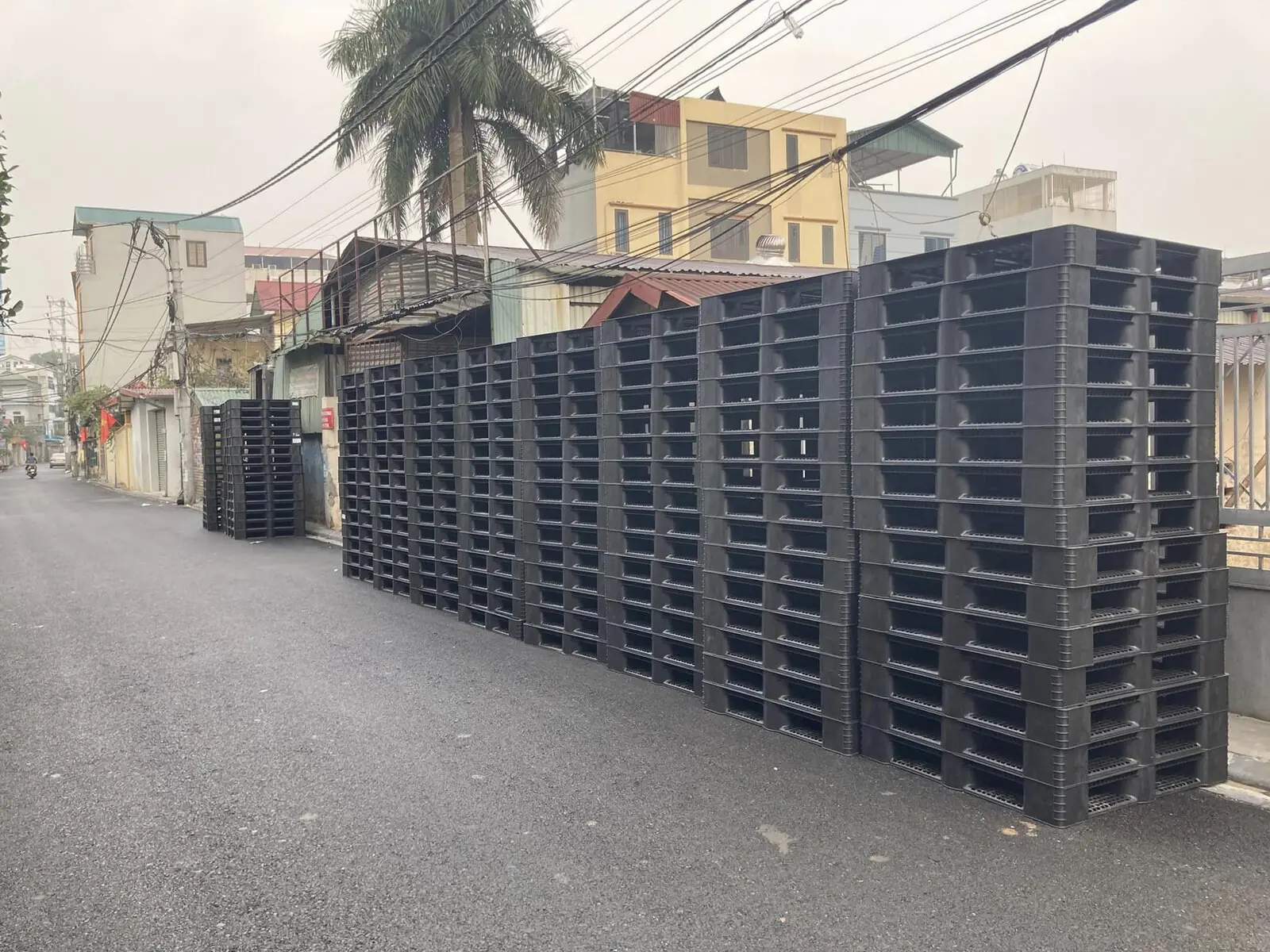
How goods are laid out in the warehouse is also part of storage conditions. Goods are not placed against the floor, with space for cold air to circulate and for cleaning and inspection. In my experience, using suitable plastic pallets in a cold store lets cold air flow evenly around the load and, because they do not absorb moisture like wooden pallets, limits damp and mould at the foot of the load.
6. Shelf life
Shelf life must come with the matching storage conditions, because the same product can have very different shelf lives at different temperatures. State the type of date (use-by or best-before), how it is counted from the production date, and the life after opening if any. Shelf life should be set by the facility’s own study or storage test, not copied from another product.
7. Distribution method
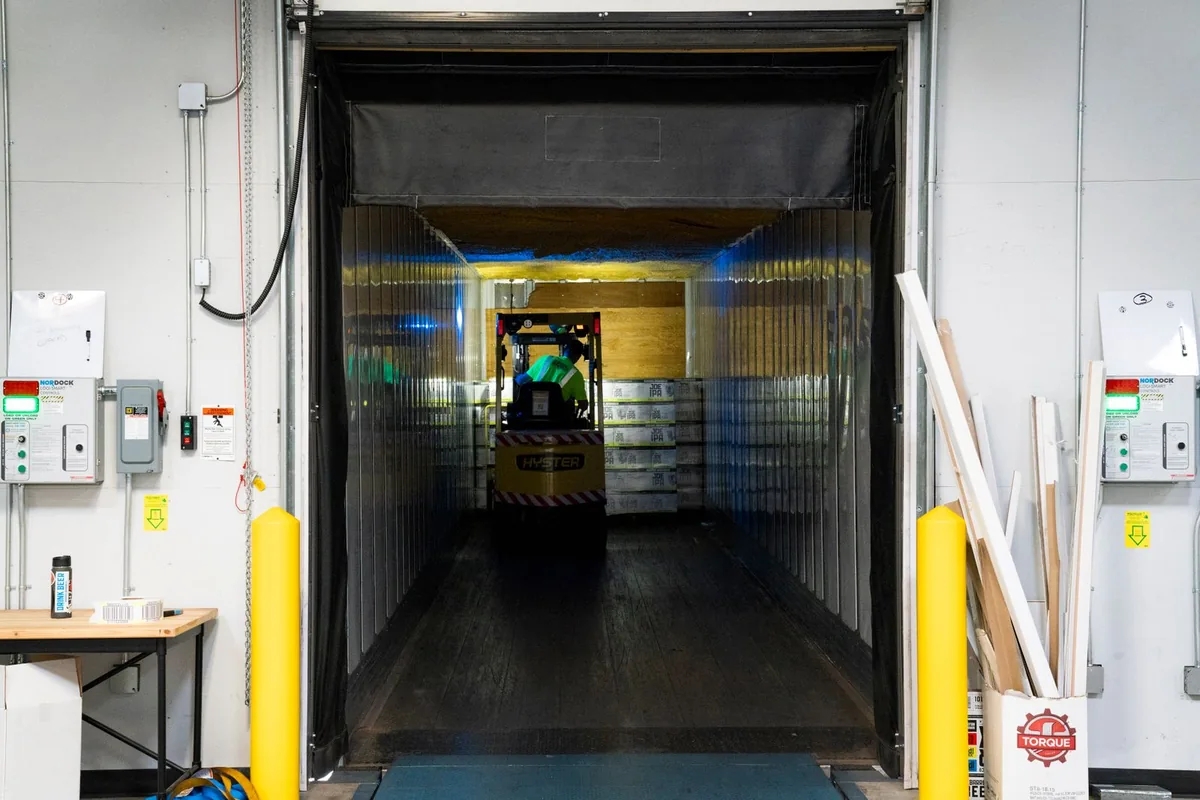
The distribution method describes the product’s journey after leaving the plant: vehicle (refrigerated truck, dry container, reefer container, sea, air), transport temperature, expected time and how the load is packed. Hazards on the way, such as damaged loads, contamination from the vehicle or a break in the cold chain, are considered only if this item is complete.
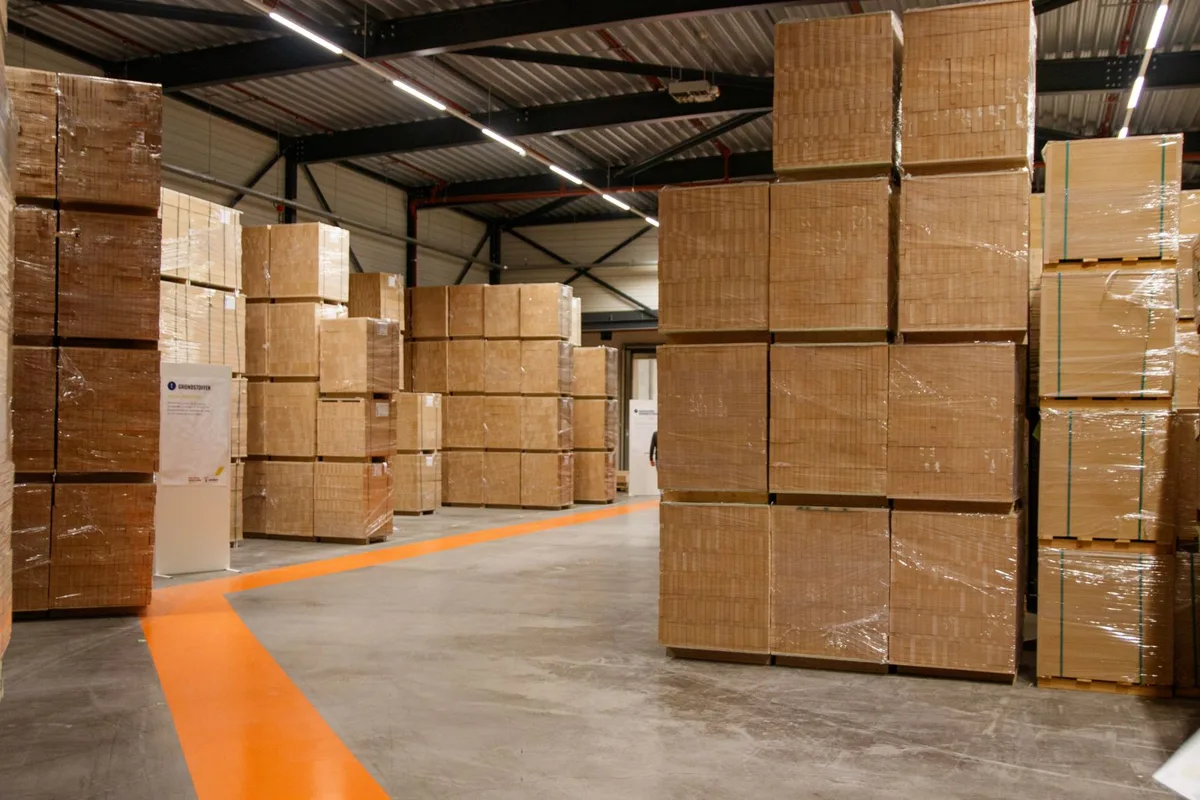
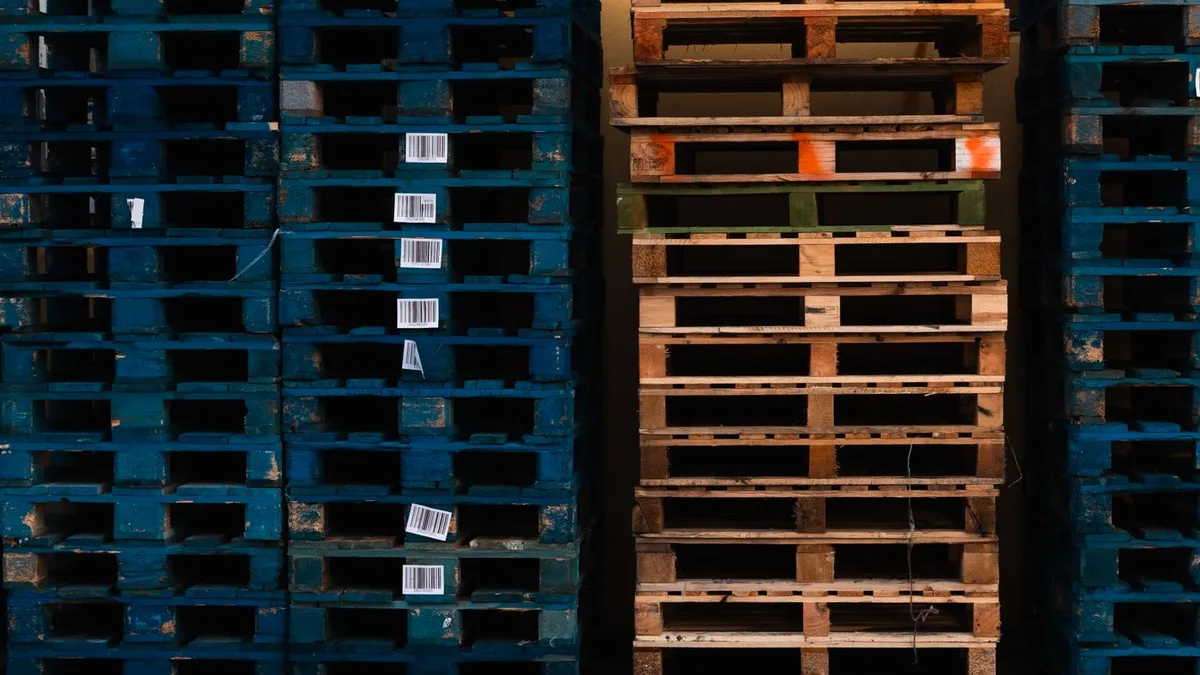
The pallet is the outermost transport packaging, so it belongs in this item. From what I see at customers’ plants, a description usable for hazard analysis should record the following about the load unit:
- Pallet type: plastic or wood; if wood for export, treated under ISPM 15.
- Required condition: pallet clean, dry, uncracked, not shared with chemicals.
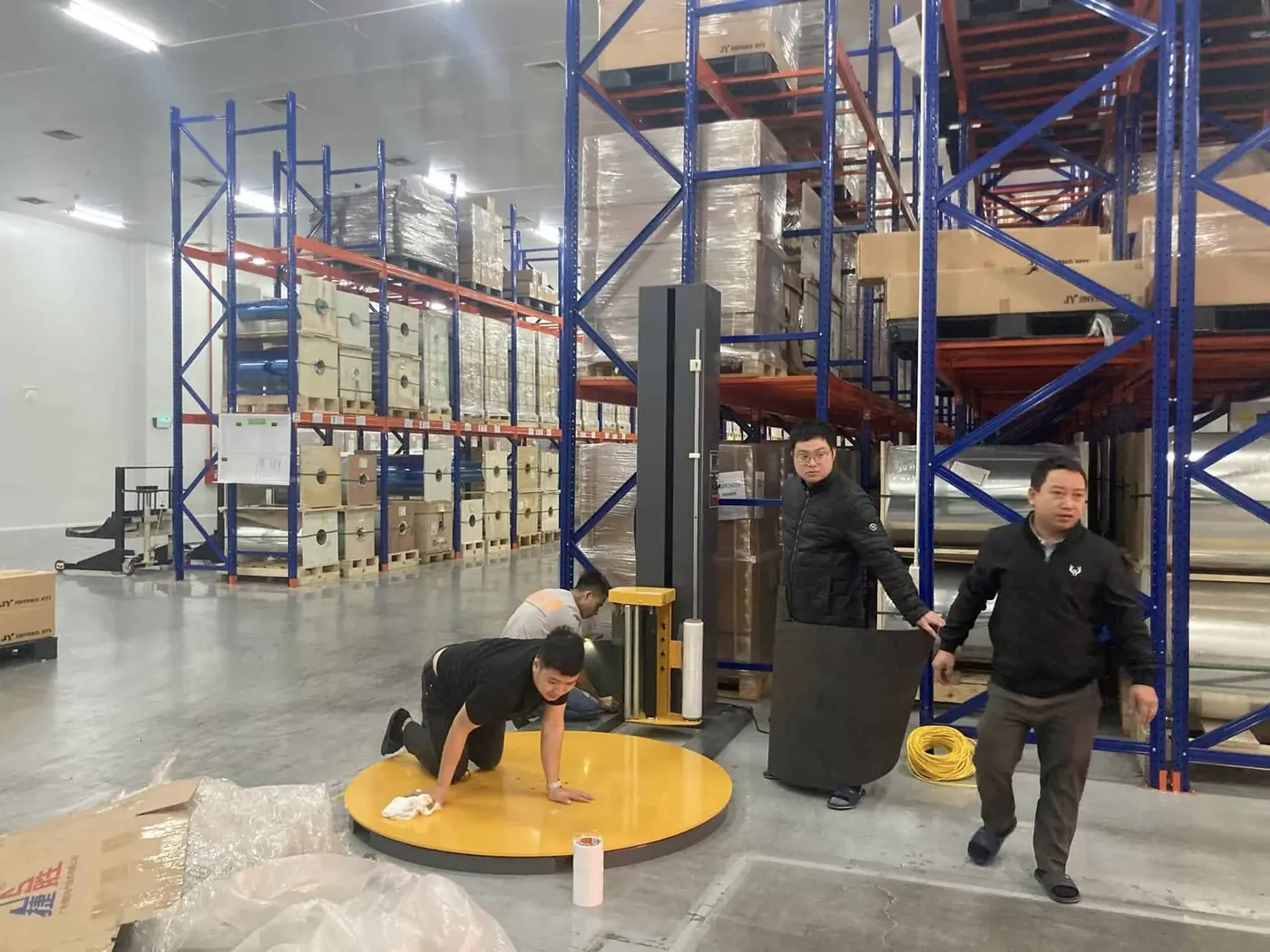
- How the load is secured: PE stretch wrap, strapping, corner protectors.
- Number of carton tiers per pallet and number of pallets stacked on one another.
- Set temperature of the vehicle and how temperature is monitored on the way.
These lines help the HACCP team assess the risk of contamination, damage and cold-chain breaks. For examples such as anti-slip pallets for fragile goods or closed-deck pallets for high-hygiene areas, which type to choose is the plant’s decision based on the hazard analysis results, not the other way round.
8. Instructions for use and intended users
This item answers two questions: is the product eaten as is or cooked first, and who will use it, especially young children, the elderly, pregnant women, people with weak immunity or people with allergies. A ready-to-eat product has no microbe-killing step after the plant, so critical limits must be tighter. A product that must be cooked gives the user one more heat-treatment step, but the label must give clear instructions.
The intended user can also be another business, for example fish fillets sold to a fish cake plant or flour sold to a bakery. Then record how the buyer will process further, because a hazard controlled at a later step may not need a CCP at your plant, as long as the information is fully passed to the buyer.
9. Special labelling
The label is where the final control measure reaches the user, so the description should record the safety information that must be on the label: allergen warnings, storage instructions before and after opening, cooking instructions, shelf life and lot code. The lot code is what allows tracing and recalling the right scope when an incident occurs.

A note on certification logos: HACCP is certified for a facility’s system, not for individual products, so printing a certification mark on packaging must follow the certification body’s rules on mark use. If your description has a “HACCP logo” line, check that condition first.
A complete HACCP product description example
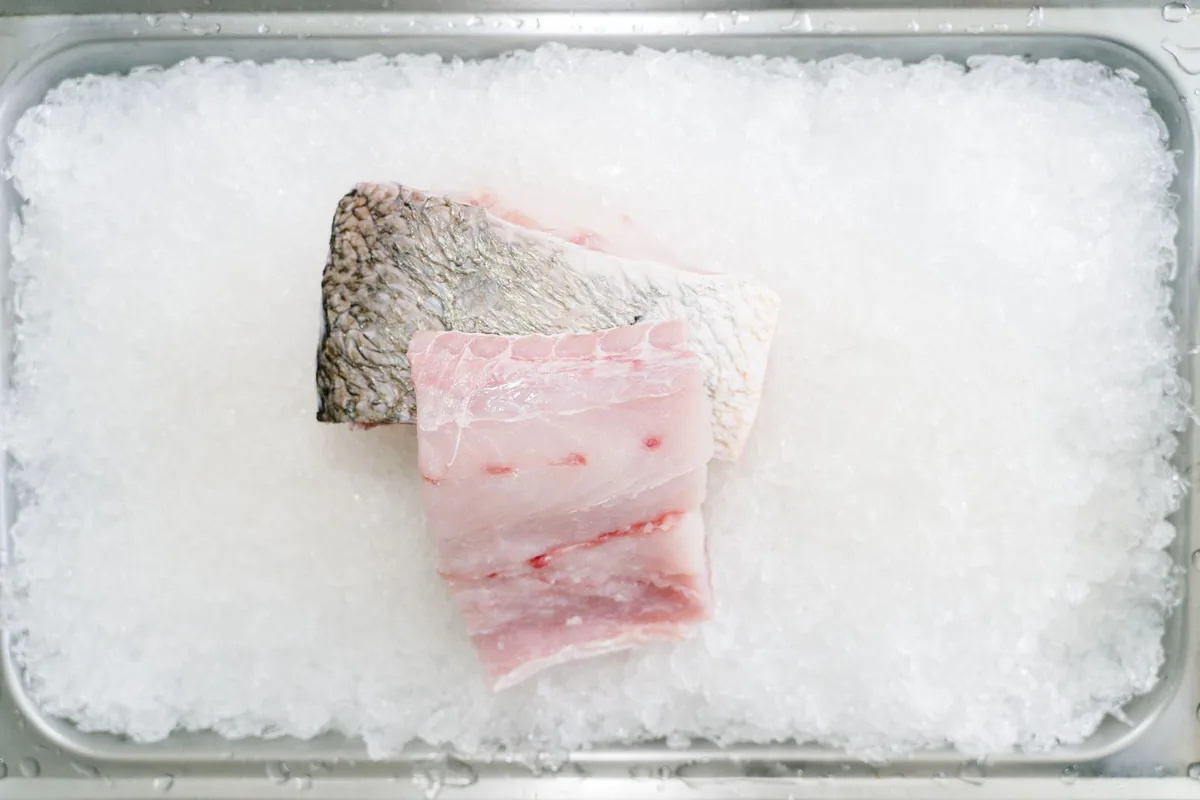
Below is an example for frozen pangasius fillet, a leading Vietnamese export item. The values only illustrate how to write; the business must replace them with its own measurements and shelf-life studies.
| Item | Example content |
|---|---|
| Product name | Frozen pangasius fillet, individually quick frozen (IQF) |
| Ingredients | Pangasius fillet; if a moisture-retaining additive is used, its name and number must be stated |
| Product characteristics | Raw product, not heat-treated; core temperature after freezing at -18 °C or below |
| Packaging | PE bag in direct contact, placed in a carton; cartons stacked on a pallet, wrapped in PE film |
| Storage conditions | Cold store at -18 °C or below |
| Shelf life | Per the facility’s shelf-life study, stated with the storage temperature |
| Distribution | Reefer container held at -18 °C or below, with temperature monitored throughout the journey |
| Use and users | Must be cooked before eating; for all users except those allergic to fish |
| Labelling | Contains fish warning; frozen storage instructions; do not refreeze after thawing |
The level of -18 °C or below for storage and transport of frozen goods is the threshold used in the Codex code of practice for quick-frozen foods (CXC 8-1976). When the shipment travels on pallets, also record the pallet type and stacking method so that cold air circulates evenly around the load.
The level of -18 °C or below for storage and transport of frozen goods is the threshold used in the Codex code of practice for the processing and handling of quick-frozen foods (CXC 8-1976). When the shipment travels on pallets, also record the pallet type and stacking method so that cold air circulates evenly around the load in the container.
Common mistakes when building a product description
Most mistakes in building a product description come from vague writing, missing numbers, or not updating when the product changes. The first mistake is writing qualitatively, for example “keep cold” instead of a specific temperature, which makes it impossible to set a critical limit. The second is missing additives, listing only the ingredients on the label and forgetting processing aids and hidden allergen sources. The third is not updating: the formulation, packaging or supplier changes but the table still shows the earlier edition.
There are two more mistakes I see when working with customers’ logistics. One is a distribution item that says only “refrigerated truck”, with no temperature, packing method or pallet, so when goods are damaged on the road there is no basis for assessment. The other is using an old allergen list for export goods when the importing country has already applied the new list.
According to Codex, the HACCP system needs to be reviewed whenever there is a change in product, process or equipment. Before submitting a description for approval, the HACCP team can run a quick self-check:
- Every temperature, pH and water activity is a measured, sourced figure.
- The ingredient list matches the production formula, including processing aids.
- Allergens have been checked against the current Codex list and the importing country’s rules.
- Shelf life is stated with the storage temperature.
- The distribution item has vehicle, temperature, load packing and pallet.
- The table has a document code, issue date, review date and approver.
Conclusion
Building a product description is not just a formality. It is the foundation for a sound HACCP system, because every hazard, CCP and critical limit is derived from what is recorded in the table. A table written in numbers, with the current allergen list and a complete distribution item, helps the HACCP team do later steps faster and with fewer disputes.
If your plant needs to choose pallets for the warehouse and cold chain to match the storage and distribution items in the HACCP plan, the ICD Vietnam team is ready to discuss. Read more: Plastic Pallets in the Pharmaceutical & Food Industry: More Than a Transport Tool.
Frequently asked questions
What is a HACCP product description used for?
The product description compiles every safety-related characteristic of the product (ingredients, physico-chemical properties, packaging, storage, distribution, users, labelling) to serve the hazard analysis step, which is principle 1 of HACCP, and to provide the basis for choosing CCPs.
Is a HACCP product description mandatory?
Yes, if the business applies HACCP under Codex or TCVN 5603:2023. Describing the product and identifying intended use are steps 2 and 3 of the 12 application steps, and the certification body will review this document during assessment.
What is the first piece of information to fill in on a product description?
The product name, written in full and exactly; if there are many variants in flavour or size, list them specifically or make a separate table for variants with different safety characteristics.
Who is responsible for building the product description?
The facility’s HACCP team builds the table, usually including people in charge of quality, production, engineering and logistics. The table needs approval by the HACCP team leader or management and an issue date.
Do I need a separate table for each product?
Not required. Codex allows grouping products with similar characteristics or processing steps into one table, as long as differences affecting safety such as allergens or pH are stated clearly.
Which version of the allergen list should the description follow?
It should follow the Codex labelling standard CXS 1-1985 as amended in 2024, in which sesame was added to the mandatory declaration group and soybeans moved to the group each country decides. Export goods also need to be checked against the importing country’s rules.
What should be recorded about pallets in the product description?
Record it in the distribution item: pallet type (plastic or wood, with export wood treated under ISPM 15), requirement for clean and intact pallets, how the load is secured, number of stacking tiers and vehicle temperature.
When must the product description be updated?
When there is a change in formulation, ingredients, packaging, storage conditions, distribution method or user group, and reviewed at each periodic verification of the HACCP system.
Contact for pallet advice for food warehouses and cold chains
For pallet advice that fits the storage and distribution items in your HACCP plan, send ICD Vietnam your warehouse temperature, load weight, stacking method and quantity needed.
ICD Vietnam Industrial Manufacturing Co., Ltd.
North: 3rd Floor, Thang Long A1 Building, Bau Hamlet, Thien Loc Commune, Hanoi - 0983 797 186 / 090 345 9186 / 090 5859 186
South: 551/212 Le Van Khuong Street, Tan Thoi Hiep Ward, District 12, Ho Chi Minh City - 098 6784 186
Email: sales@icdvietnam.com.vn
Zalo: Chat on Zalo with ICD Vietnam
References
- General principles of food hygiene and the 12 HACCP steps (CXC 1-1969): FAO/WHO Codex Alimentarius.
- HACCP application guidelines: FDA, HACCP Principles and Application Guidelines.
- Definition of low-acid food (pH above 4.6, water activity above 0.85): 21 CFR 113.3.
- List of allergens that must be declared, 2024 amendment: Codex CXS 1-1985, General Standard for the Labelling of Pre-packaged Foods.
- Steps 2 and 3, product description and intended use; storage time of frozen fishery products: FAO, GHP and HACCP Toolbox and FAO, Food loss and waste in fish value chains, Cold storage.
- Bilingual HACCP form set (product description, ingredient description): World Bank Group, Module 4 HACCP worksheet.
- The -18 °C threshold for quick-frozen foods: Codex CXC 8-1976.
- TCVN 5603:2023 General principles of food hygiene, announced under Decision 586/QD-BKHCN of 6 April 2023, Ministry of Science and Technology.
- Safety requirements for plastic packaging and utensils in direct contact with food: QCVN 12-1:2011/BYT.