Mục lục
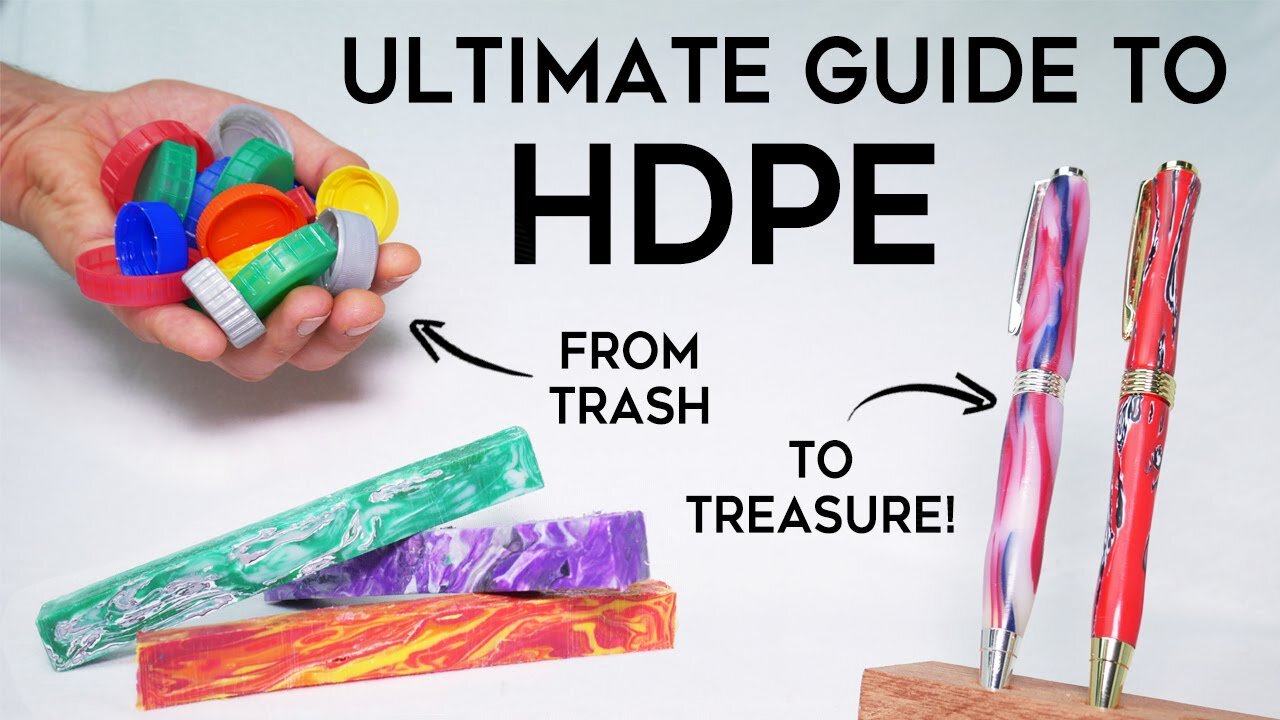
HDPE (High Density Polyethylene) is one of the most widely used thermoplastic polymers in industry. With a density of 0.93-0.97 g/cm3, excellent tensile strength, chemical resistance, and full recyclability, HDPE is the primary raw material for plastic pallets, industrial pipes, food-contact containers, and a broad range of packaging products.
What is HDPE plastic?
HDPE (also written PEHD) stands for High Density Polyethylene. It is a petroleum-derived thermoplastic polymer produced through catalytic polymerisation of ethylene monomers into a predominantly linear molecular chain with minimal branching.
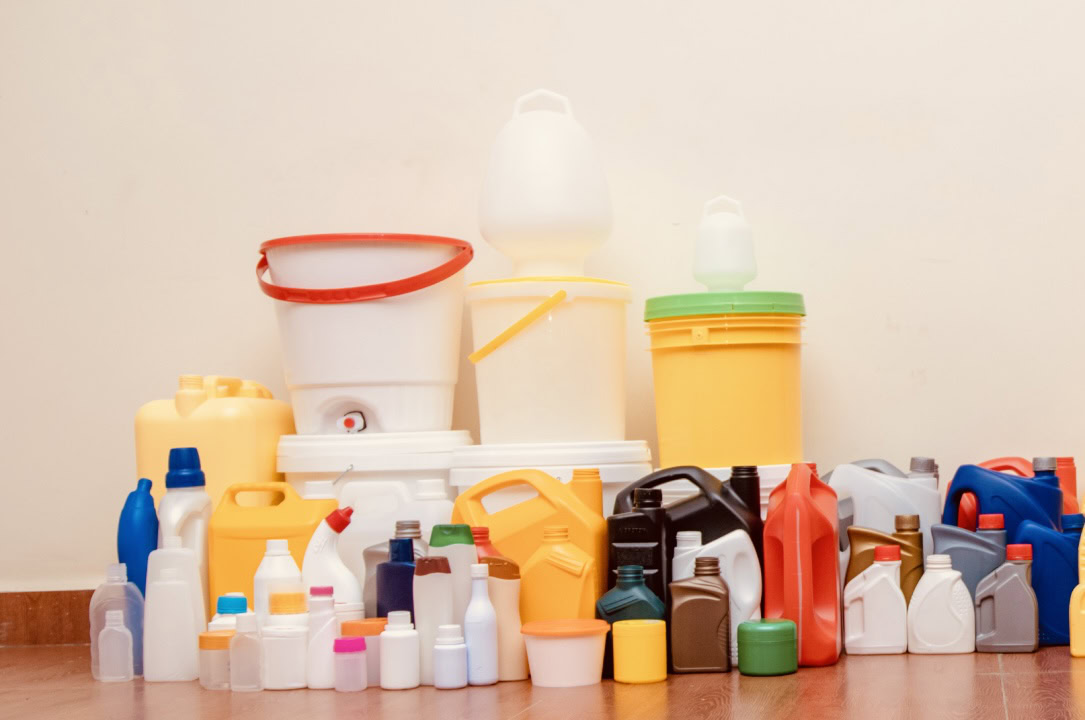
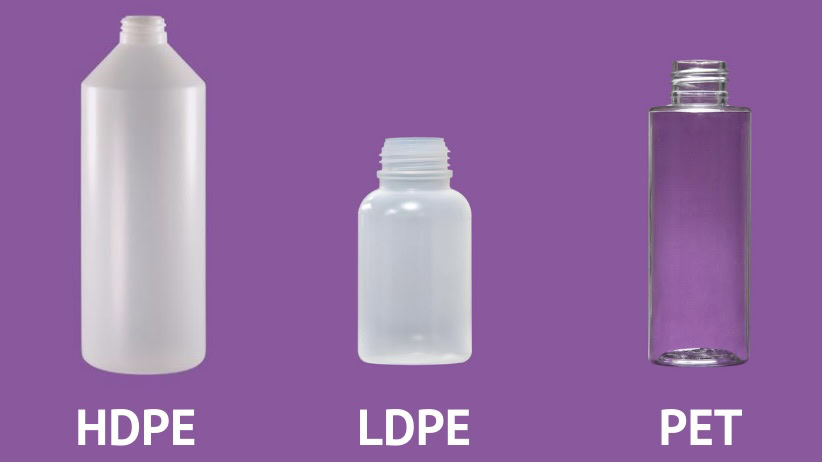
This linear, low-branching structure produces strong intermolecular forces, which give HDPE higher tensile strength and rigidity compared to Low Density Polyethylene (LDPE) of similar density. In practical terms, a 60-gram HDPE container can safely hold one gallon (approximately 3.63 kg) of liquid.
According to market research by Ceresana, global HDPE production reached 30 million tonnes in 2007, reflecting the material’s central role in modern manufacturing. (Source: Ceresana)
HDPE appears in a wide range of everyday and industrial products:
- Food and beverage containers: milk bottles, cooking oil containers, food storage boxes
- Household items: cutting boards, kitchen shelves, bar counters
- Water and drainage pipe systems
- Composite materials for construction
- Medical applications: bone reconstruction and facial prosthetics
- Sporting equipment: snowboard bases, shoe soles
- 3D printing filament
- Food-grade packaging certified by the US FDA, NSF, and USDA
Key properties of HDPE
| Property | Specification / Performance |
|---|---|
| Density | 0.93 - 0.97 g/cm3 |
| Tensile strength | High - linear chain structure with strong intermolecular bonding |
| Heat resistance | Up to 120 degrees C (short-term exposure) |
| Melting point | 210 - 270 degrees C |
| Moisture vapour transmission rate (MVTR) | 0.5 g-mil/100 in2/24 h (lower than PS, PET, PVC) |
| Chemical resistance | Resistant to most acids, bases, solvents, and cleaning agents; moderate grease resistance |
| Recyclability | Fully recyclable; recycling reduces plastic production by up to 50% |
High tensile strength
The linear molecular structure with minimal branching gives HDPE strong intermolecular bonds. This translates to tensile strength and rigidity significantly higher than LDPE, making it suitable for load-bearing applications such as industrial pallets and pipes.
Rigidity and heat resistance
HDPE maintains structural rigidity at elevated temperatures and can withstand short-term exposure up to 120 degrees C. This makes it suitable for containers that require hot-water sterilisation.
Recyclability
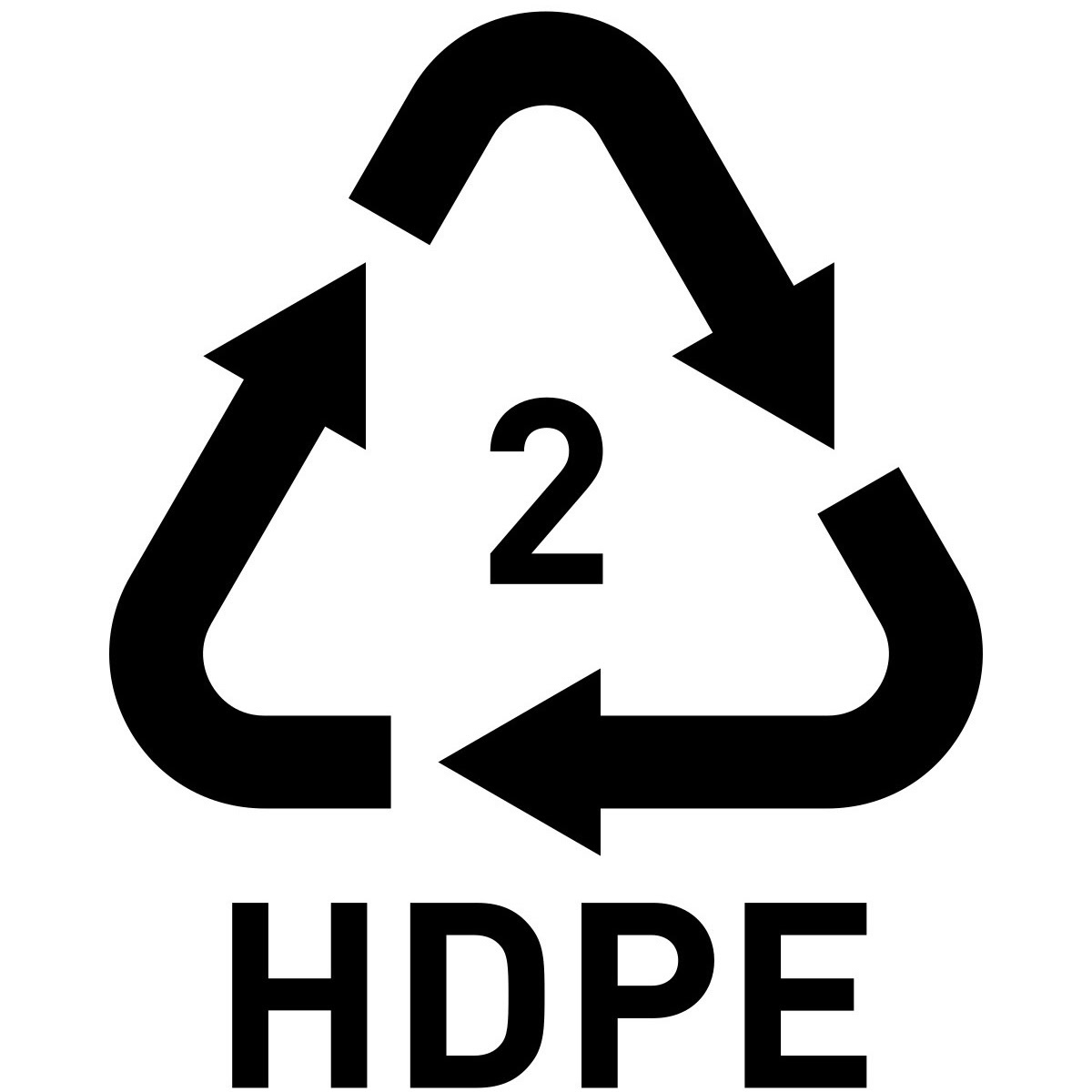
HDPE is classified as resin code 2 and is one of the most widely recycled plastics globally. Recycling programmes can reduce the volume of new HDPE production required by up to 50%, supporting circular economy targets.
Corrosion and chemical resistance
HDPE resists fungal and microbial growth, and withstands the majority of strong mineral acids and bases. It is impermeable to water, most solvents, acids, and common cleaning agents. This makes it well suited to underground piping and chemical storage. The material also offers moderate resistance to oils and greases.
Ease of moulding
When melted at 210-270 degrees C, HDPE flows easily into moulds, enabling efficient production of diverse products: cutting boards, cleaning solution bottles, milk containers, food boxes, corrosion-resistant pipes, geomembranes, and wood-plastic composites.
Moisture barrier
With an MVTR of 0.5 g-mil/100 in2/24 h - lower than polystyrene, PET, and PVC - HDPE provides an effective long-term moisture barrier, protecting packaged products from ambient humidity.
Advantages of HDPE
- Chemical resistance: withstands a wide range of common industrial and household chemicals, including strong oxidisers and organic solvents.
- Moisture impermeability: does not absorb water, protecting contents from humidity - ideal for packaging products that must remain dry.
- Electrical insulation: high dielectric strength makes HDPE a standard material for wire and cable sheathing; it also absorbs impact without cracking.
- Thermal stability: resists high-temperature deformation under normal use conditions.
- Mechanical strength: rigidity and tensile strength are 4-5 times that of LDPE and comparable to polypropylene (PP), providing reliable load-bearing performance.
- Non-toxic and odourless: safe for food-contact packaging; meets US FDA standards for applicable uses.
- Cost-effective: competitive material cost relative to performance.
Limitations of HDPE
- UV and oxidative ageing: HDPE is less resistant to thermal oxidation than LDPE. Antioxidants and UV stabilisers are typically compounded in during production to address this.
- Opacity: HDPE is not transparent. Applications requiring clarity require a different polymer.
- Printability: HDPE surfaces require corona or flame pre-treatment before printing, as the material does not accept ink well without surface activation. Colours may fade over time.
Applications of HDPE in industry
The combination of outdoor durability, chemical resistance, and mechanical strength makes HDPE the preferred material for outdoor and industrial applications:
- Garden furniture and outdoor play equipment
- Bins, storage containers, and compost systems
- Wood-plastic composite lumber
- Ionising radiation shielding panels
- Pyrotechnic industry components
Agriculture: HDPE is used for irrigation pipes, fish-farming cages, livestock fencing (horses, cattle, buffalo), firefighting water systems in agricultural facilities, and as a mulch film to block sunlight and retain soil moisture.
Industry: HDPE wood-plastic composites are commercially established products. Unlike natural wood, HDPE does not rot, warp, or develop mould in fluctuating temperature conditions. Products can be machined into diverse profiles and dimensions.
Plastic pallets: plastic pallets manufactured from HDPE are highly favoured for their load-bearing capacity, impact resistance, corrosion resistance, and waterproof characteristics. HDPE pallets are suitable for export (no fumigation required), cold storage, clean rooms, and food-grade supply chains.
Recycling HDPE
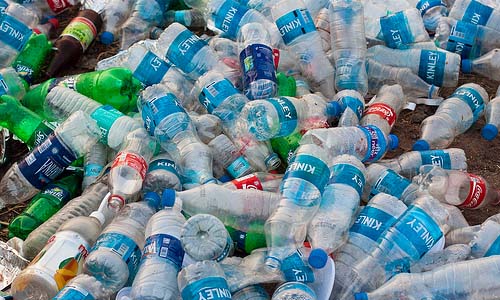
HDPE is fully recyclable. The standard recycling process follows four stages:
- Collection: HDPE waste is gathered from manufacturers, households, and businesses.
- Sorting: HDPE items are separated from other plastic types by resin code.
- Processing: the sorted material is shredded, washed, and dried.
- Reprocessing: the cleaned material is extruded into pellets, powder, or regrind for use as secondary raw material in new product manufacturing.
Recycled HDPE (rHDPE) re-enters the supply chain as pellets or regrind that can be blended with virgin HDPE or used independently, depending on the performance requirements of the end product.
Virgin HDPE vs recycled HDPE: key differences
| Criterion | Virgin HDPE | Recycled HDPE |
|---|---|---|
| Physical properties (tensile, impact, puncture resistance) | Superior | Lower - degrades with each reprocessing cycle |
| Chemical resistance (corrosion, water) | Higher | Reduced - depends on contamination of source material |
| Surface appearance | Smooth, high gloss | Mottled, rough surface; more prone to tearing |
| Colour consistency | Uniform | Variable - depends on mixed source streams |
| Cost | Higher | Lower |
| Environmental impact | Higher energy and resource input | Lower - reduces landfill and virgin resin demand |
For structural applications such as industrial plastic pallets, virgin HDPE or a controlled virgin/recycled blend is specified to ensure consistent load-bearing capacity and surface integrity. For non-critical applications, recycled HDPE offers an acceptable and lower-cost alternative.
Related articles on HDPE plastic
Frequently Asked Questions about HDPE plastic
1. What is HDPE plastic?
HDPE (High Density Polyethylene) is a petroleum-derived thermoplastic with a predominantly linear molecular structure and minimal branching. Developed in the 1930s and used in high-frequency radar cable during World War II, it entered commercial production shortly after. Its density, rigidity, and chemical resistance make it one of the most widely used plastics in industrial and consumer applications.
2. What does HDPE stand for?
High Density Polyethylene.
3. Is HDPE plastic toxic?
In its finished product form - containers, pallets, pipes - HDPE is non-toxic and odourless, and is safe to use until recycling. HDPE meets US FDA standards for applicable food-contact applications; however, not all HDPE products are approved for direct food contact - this depends on the specific grade and any additives used. During processing, polyethylene dust can irritate the eyes and hot plastic vapour can be harmful, so appropriate personal protective equipment is required for production workers.
4. What is the melting point of HDPE plastic?
210-270 degrees C, depending on density and grade.
5. What is the difference between virgin HDPE and recycled HDPE?
Virgin HDPE is produced from 100% pure HDPE resin pellets. Recycled HDPE (rHDPE) is produced from collected and reprocessed HDPE waste. Virgin HDPE is superior in tensile strength, puncture resistance, chemical resistance, surface gloss, and colour consistency. Recycled HDPE is lower in cost and reduces environmental impact, but has reduced mechanical and chemical properties compared to virgin material. For load-bearing products such as industrial pallets, virgin or controlled-blend HDPE is typically specified.
6. What is the HDPE recycling process?
The four stages are: (1) collection from manufacturers, households, and businesses; (2) sorting by resin code to isolate HDPE; (3) shredding, washing, and drying; (4) extrusion into pellets, powder, or regrind for use as secondary raw material. Recycling HDPE can reduce the volume of virgin resin required by up to 50%.
Contact ICD Vietnam
Hotline: 0983 797 186 / 090 345 9186 / 090 5859 186
Email: sales@icdvietnam.com.vn | Zalo: Chat Zalo
ICD Vietnam supplies HDPE plastic pallets in virgin and recycled grades. Contact us for specifications, pricing, and delivery options.