Mục lục
Reviewed and updated by ICD - Week 24/2026
This article helps you understand the main types of kraft paper on the market and the technical pros and cons of each, so you can make the best choice for packaging and logistics.
Key summary
- Kraft paper is classified by three main criteria:
- Color: natural brown, white, black.
- Composition: virgin paper, recycled paper, PE-laminated paper.
- Application: kraft liner, kraft fluting, kraft-paper dunnage bags.
- Most common and durable type: virgin natural-brown kraft paper.
- Selection criteria: balance compression strength, moisture resistance and cost.
- Safety note: the paper type directly affects cargo safety in sea and rail transport.
1. Kraft paper by composition and origin
Material composition is the most important factor determining the mechanical strength and economy of kraft paper, directly affecting the load capacity of the packaging.
1.1. Virgin kraft paper
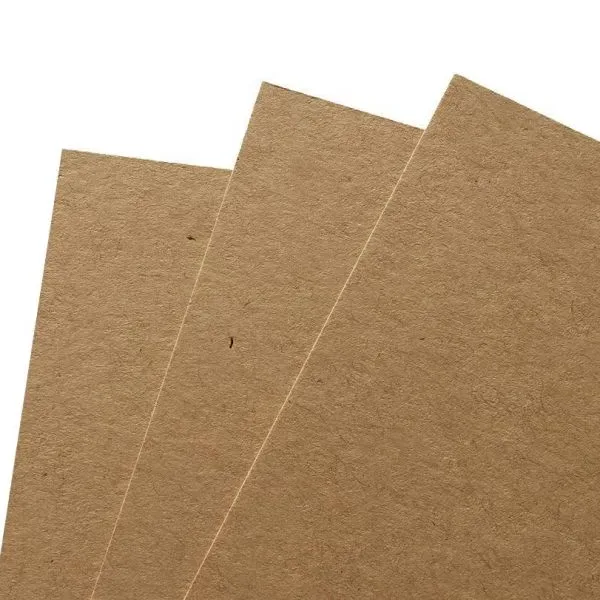
This is the highest-quality kraft paper and the foundation for load-bearing applications.
- Origin: made from 100% pure wood pulp (long cellulose fibers), with no recycled pulp.
- Technical traits: the highest tear strength, tensile strength and toughness. Long fibers boost compression strength and puncture resistance. Very uniform and clean, suitable for food packaging.
- Applications: cartons requiring maximum compression strength (high BCT), packaging in direct contact with dry food, and the outer skin of high-strength dunnage bags, where force absorption is critical.
1.2. Recycled kraft paper
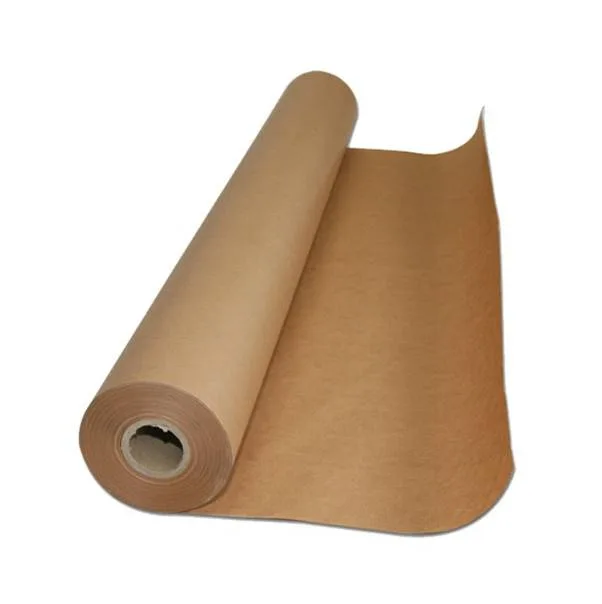
- Origin: made from recovered pulp (used paper, old cartons).
- Technical traits: lower mechanical strength than virgin paper because cellulose fibers break down during recycling. It absorbs moisture more easily and has a larger grammage tolerance.
- Applications: lining paper, wrapping paper, and cartons that do not require very high compression strength or heavy stacking. Often used as the inner fluting layer to cut cost.
1.3. PE-laminated kraft paper

Paper engineered to resist the environment, the optimal moisture-proof solution.
- Composition: kraft paper (usually virgin) coated with a thin polyethylene (PE) layer by extrusion. The PE bonds tightly to the paper and acts as a vapor barrier.
- Technical traits: creates an absolute moisture barrier, water-resistant and grease-resistant, keeping the base paper’s strength even in damp conditions.
- ICD Viet Nam experience: in dunnage bag production, ICD Viet Nam always uses PE-laminated kraft paper for the outer skin. This is mandatory so the load-bearing kraft layer does not lose strength to container humidity during long sea voyages, ensuring Level 1 bags maintain the rated 15,000 lbs compression as promised.
2. Kraft paper by color
Kraft paper color mainly relates to the bleaching process and affects the material’s maximum strength.
2.1. Natural-brown kraft paper
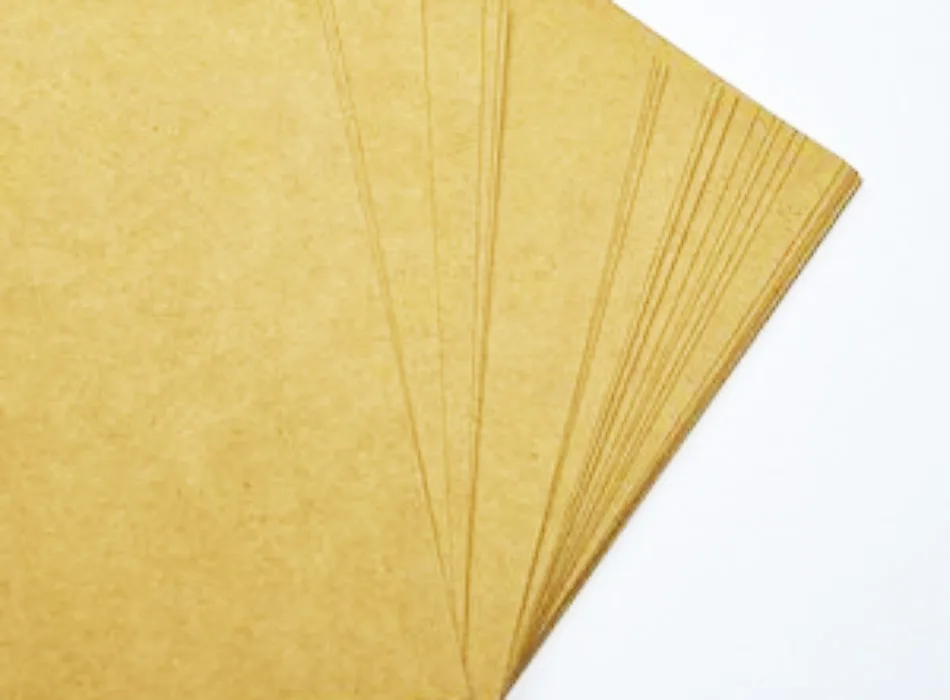
- Traits: natural brown color, unbleached or lightly bleached. This is the strongest type because the cellulose fiber structure is preserved and not weakened by chemicals.
- Cost impact: the most economical kraft paper, as production uses less energy and bleaching chemicals.
- Applications: the most common choice for industrial packaging, load-bearing kraft paper bags, and high-strength kraft cartons.
2.2. White kraft paper
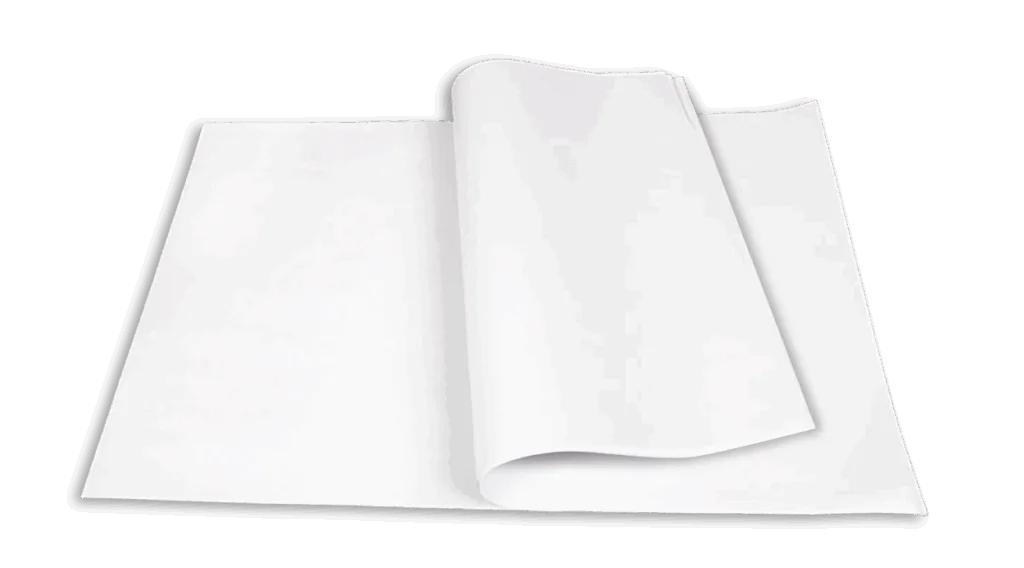
- Traits: bleached to a pure white. Bleaching chemicals slightly reduce fiber length and strength compared with the brown type.
- Applications: premium packaging requiring multi-color printing, cartons needing high aesthetics, suitable for consumer goods (FMCG).
2.3. Black and other colors

- Traits: dyed paper. Mechanical strength is usually not the priority; the focus is decoration or a base for special packaging designs (for example metallic printing).
3. Kraft paper by technical application
In the carton industry, kraft paper is split into two main types by its role in a corrugated box. Each has its own grammage range.
3.1. Kraft liner (facing layer)
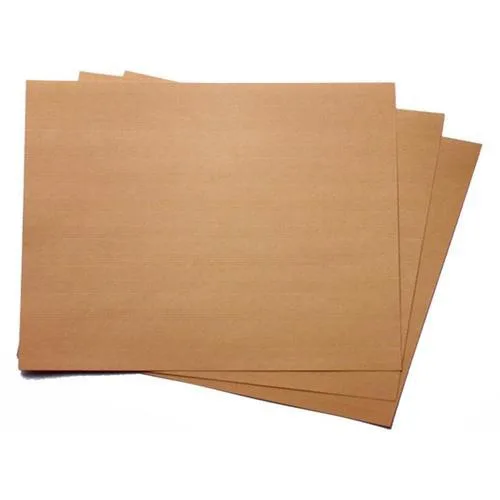
- Role: the outermost and innermost layer of a corrugated box, directly taking impact, abrasion and moisture.
- Traits: high grammage (usually 150 g/m² and up), with a flat, smooth surface. Liner quality determines the box’s compression strength (BCT) and edge crush (ECT). Liner is further split into virgin and recycled, with virgin liner being far stronger.
3.2. Kraft fluting/medium (corrugated layer)
- Role: the middle layer, formed into flutes to create air channels. The fluting acts as shock cushioning and bears axial load when boxes are stacked.
- Traits: lower grammage (usually 100-180 g/m²), needing good stiffness and flute-forming ability. It mainly bears horizontal force.
4. ICD Viet Nam’s kraft paper selection experience
Choosing the kraft paper type must weigh cost, environment and cargo load to ensure absolute supply-chain safety.
4.1. For industrial load-bearing applications
- Level 1 dunnage bags (standard): use virgin natural-brown kraft, multi-layered (4 to 6 layers of 120-150 g/m² kraft). High total grammage combined with a PE laminate is mandatory.
- Real-world moisture experience: the biggest logistics risk is moisture. Wet kraft paper can lose up to 50% of its load capacity. ICD Viet Nam therefore prioritizes PE-laminated (waterproof) kraft for container shipping to maintain optimal compression strength.
- AAR control: always check the AAR certification. This confirms the multi-layer kraft bag has passed the strict impact tests of the Association of American Railroads.
4.2. Cost and carton performance
- Maximum compression strength: for high stacking and heavy cargo, prioritize virgin kraft liner above 250 g/m² for both outer and inner facing.
- Cost optimization: to balance cost, many businesses use virgin kraft for the outer facing (needing aesthetics, printing and impact resistance) and recycled liner for the inner facing or fluting.
5. Frequently Asked Questions (FAQ)
Q1: Which is stronger, white or brown kraft paper?
Natural brown kraft is usually mechanically stronger. The bleaching that makes white kraft slightly reduces cellulose fiber length and strength. If strength is the top priority, brown kraft is the optimal choice.
Q2: Can PE-laminated kraft paper be recycled?
PE-laminated kraft is a multi-material packaging. In theory it is recyclable, but the process is more complex than pure paper because the PE layer must be separated from the paper. Many specialized recyclers can now handle it, but at higher cost and energy.
Q3: What advantage does kraft paper offer over woven PP in jumbo bags?
Jumbo bags (FIBC) are mainly made from woven polypropylene. Very high-grammage kraft paper (usually above 400 g/m²) is used as an inner liner or outer protective layer to: (1) absorb moisture, stabilizing the humidity of sensitive powders or granules; and (2) add strength, improving puncture and tear resistance from sharp outer edges.
Q4: How does carton edge crush (ECT) relate to the kraft paper type?
Edge Crush Test (ECT) measures a box’s axial compression resistance, a prerequisite for stacking. ECT depends directly on the kraft liner grammage and the fluting stiffness. High-grammage virgin kraft liner raises ECT significantly compared with recycled paper.