
Mục lục
- 1. Quick answer: which timber group is rubberwood?
- 2. Why Group VII rubberwood dominates pallet and packaging production
- 3. Rubberwood versus other industrial timber species
- 4. Rubberwood products manufactured by ICD Viet Nam
- 5. Conclusion
- Related articles
- Frequently asked questions about rubberwood timber classification
- Contact ICD Viet Nam for rubberwood pallet and crate quotation
Rubberwood is classified in Vietnam Timber Group VII - the category for lightweight species with moderate natural durability. That low rank on the construction hardness scale turns into a distinct advantage in industrial packaging: lighter pallet weight, superior nail retention, and straightforward ISPM 15 phytosanitary treatment. This article explains what Group VII means in practice and why rubberwood has become the go-to raw material for export pallets, wooden crates and dunnage at ICD Viet Nam.
1. Quick answer: which timber group is rubberwood?
Under Vietnam’s official timber classification table, rubberwood is placed in Group VII.
Group VII covers species that are light, have moderate load-bearing strength in their natural state, and are susceptible to termite and fungal attack when freshly cut. On the hardness and density scale used for house frames or structural columns, rubberwood clearly cannot compare with Group I or Group II species such as ironwood or teak.
In the industrial and packaging sector, however, a Group VII classification brings specific advantages. Lower density reduces the weight of pallets and crates, cutting freight costs - especially for air cargo - while still meeting technical packaging requirements.
2. Why Group VII rubberwood dominates pallet and packaging production
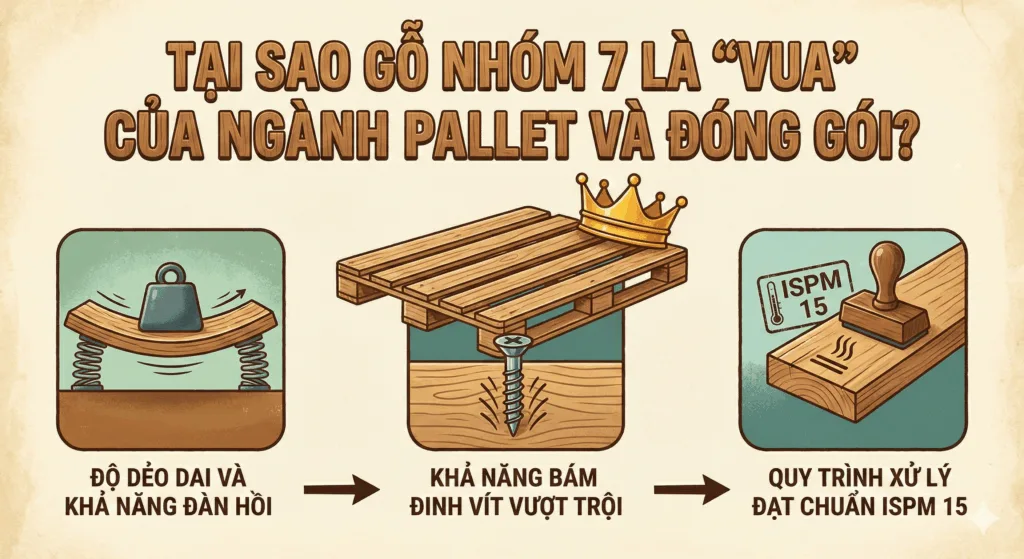
Large Vietnamese exporters consistently choose rubberwood pallets over acacia or mixed-species timber. The technical reasons below explain why a species with a lower group rating outperforms harder alternatives in industrial applications.
2.1. Toughness and impact elasticity
In warehouse and logistics environments, pallets regularly absorb forklift impact and vibration during container transport. Group I species are very hard but brittle - they crack and split under sudden shock loads. Rubberwood in Group VII has a densely interlocked grain structure that gives it natural elasticity.
When a forklift tine strikes a pallet board, rubberwood absorbs and deflects the force rather than fracturing. This reduces pallet damage rates during repeated use cycles and lowers replacement costs for the operator.
2.2. Superior nail and screw retention
Nail retention is critical to pallet structural integrity. Rubberwood has a fine, dense grain that grips helical nails firmly between the deck boards and blocks. Other mixed-species timbers commonly split at the ends when nailed, or loosen over time, causing the pallet to rack and creating a risk for the cargo above. Rubberwood eliminates both failure modes and produces consistently tight joints.
2.3. ISPM 15 compliance through pressure treatment
Rubberwood feedstock at ICD Viet Nam’s manufacturing plants is put through pressure impregnation and industrial kiln drying. This process not only increases the wood’s density and hardness through chemical modification, but also eliminates termite larvae and fungal spores completely. As a result, rubberwood pallets readily achieve the ISPM 15 phytosanitary mark - the mandatory certification required for wood packaging entering markets such as the United States, the European Union and Australia.
3. Rubberwood versus other industrial timber species
The table below compares rubberwood Group VII against its two main competitors in the pallet market: pine and acacia.
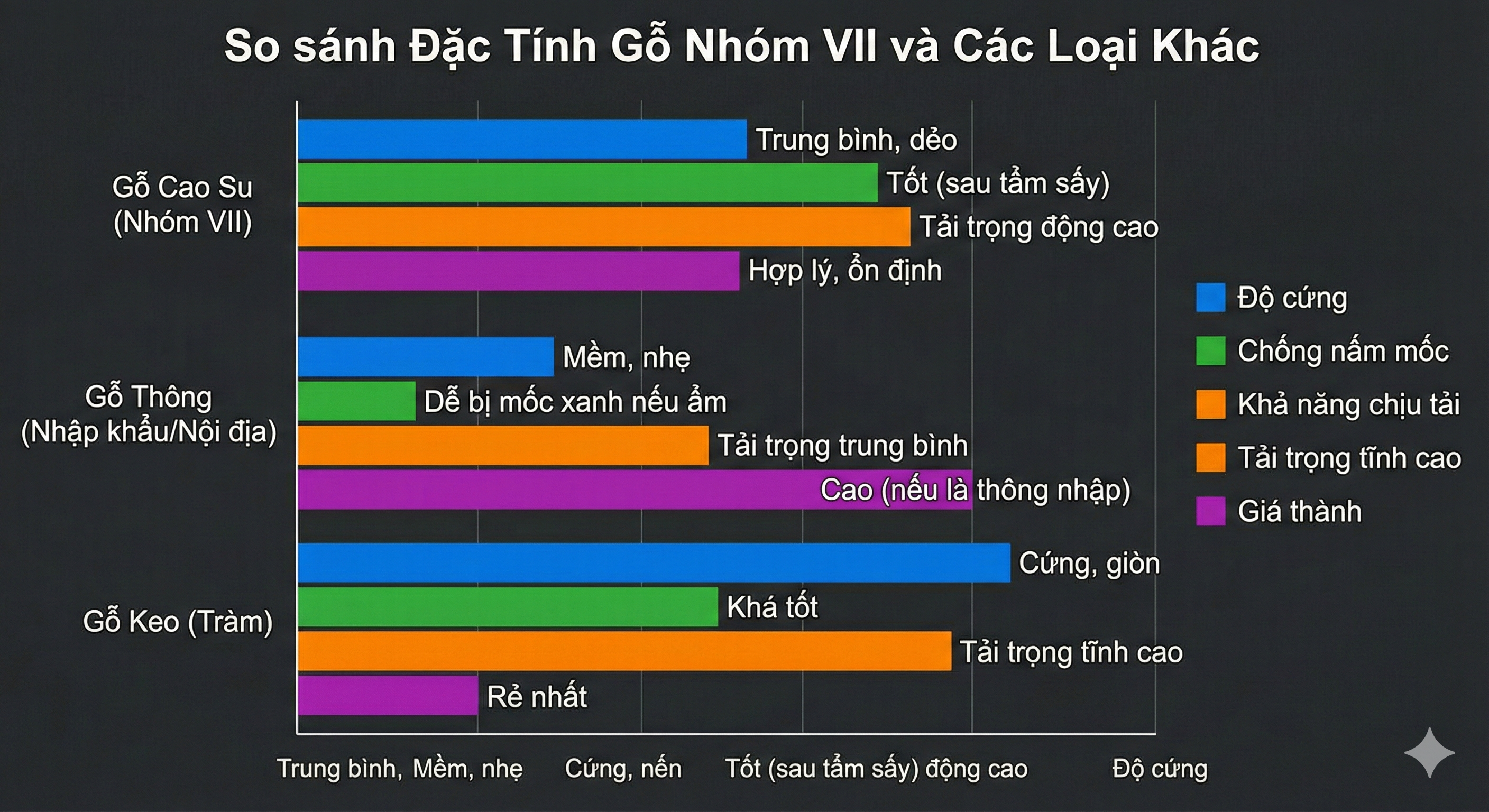
| Criterion | Rubberwood (Group VII) | Pine (imported / domestic) | Acacia |
|---|---|---|---|
| Hardness | Medium, tough | Soft, light | Hard, brittle |
| Surface | Smooth, bright, few dead knots | Many knots, coarse grain | Rough, dark, prone to cracking |
| Mould resistance | Good (after treatment) | Blue-stain mould if wet | Fairly good |
| Load capacity | High dynamic load | Medium load | High static load |
| Price | Reasonable and stable | High (if imported pine) | Lowest |
Pine is valued for its appearance but costs more and carries less dynamic load than rubberwood. Acacia is hard and inexpensive but warps, splits at nail ends, and has a rough surface that abrades packaging. Rubberwood balances all factors: sufficient hardness for heavy loads, smooth enough to protect cargo, and priced to optimise logistics costs.
4. Rubberwood products manufactured by ICD Viet Nam
At ICD Viet Nam, we make full use of the physical characteristics of this Group VII species to produce high-quality industrial packaging products.
- 2-way and 4-way entry rubberwood pallets:
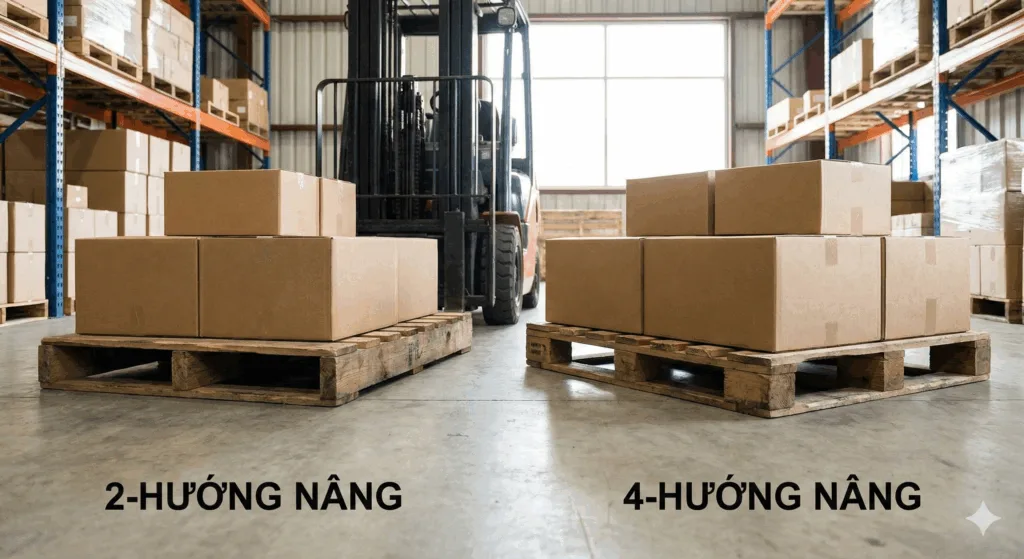
These are our core product range. The strong grain bond of rubberwood allows us to manufacture pallets rated for dynamic loads of 1.5 to 2 tonnes, suitable for racking systems and container stacking.
- Wooden crates and packaging boxes:
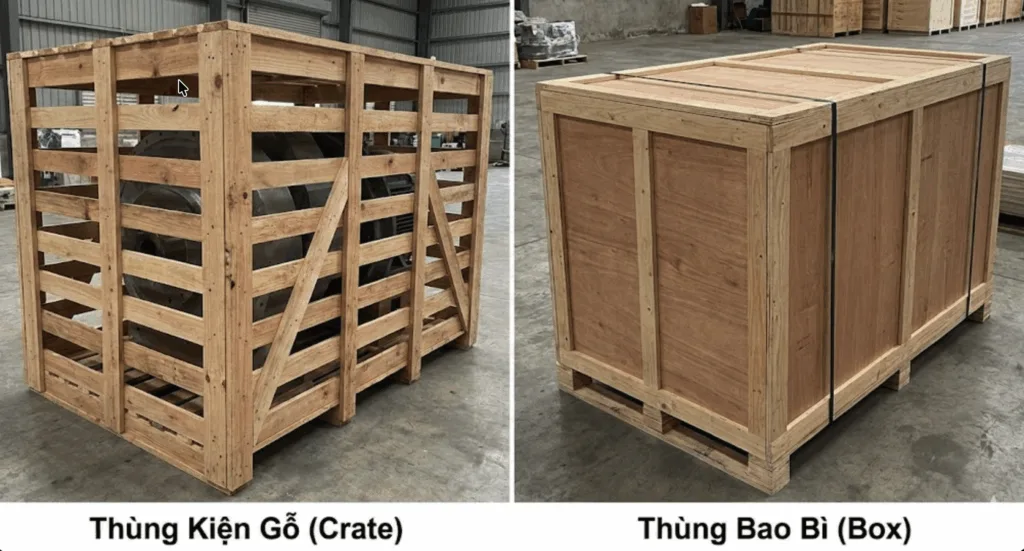
For precision machinery or electronic components requiring strict protection, kiln-dried sawn rubberwood is the ideal crating material. The wood does not exude resin (unlike some tropical species), so it cannot contaminate machinery, and a moisture content of 8-12% prevents rust on enclosed metal parts.
- Deck boards, stringers and blocks:
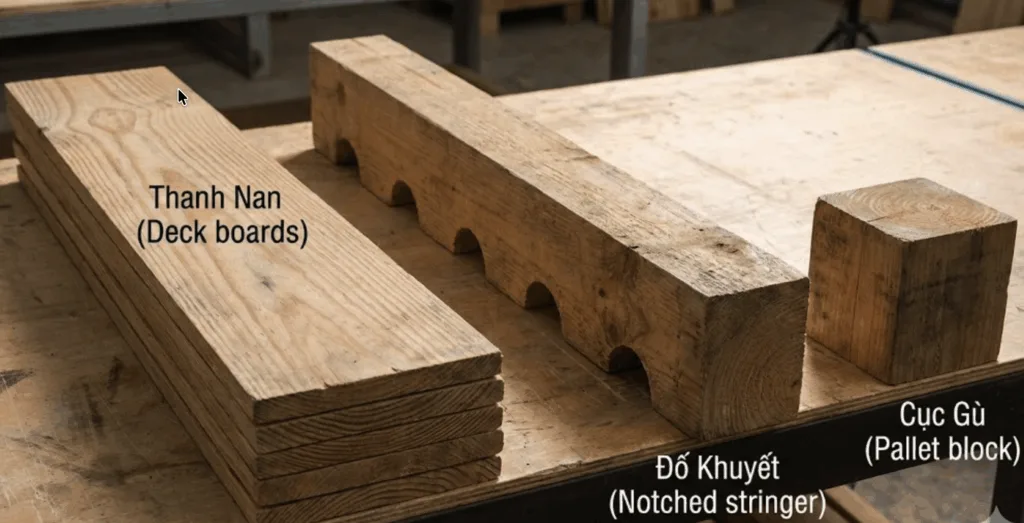
We also supply pre-processed rubberwood components - boards, stringers and blocks - for businesses that self-assemble packaging or use timber for dunnage inside containers, ensuring cargo is fully secured during sea freight.
5. Conclusion
Rubberwood’s Group VII classification does not diminish its value in industrial supply chains. On the contrary, the physical properties of this timber group, combined with modern treatment technology, produce an optimal packaging material.
For businesses seeking a durable pallet solution that carries heavy loads and meets export certification requirements, rubberwood is the most economical and technically sound choice available. At ICD Viet Nam, we supply rubberwood to strict quality standards, fully inspected and treated, to protect your cargo on every journey.
Related articles
| Rubberwood: Properties, Uses and Price Guide | Is rubberwood good? Honest assessment | How heavy is one cubic metre of rubberwood? |
Frequently asked questions about rubberwood timber classification
1. What timber group is rubberwood classified in?
Rubberwood is officially classified in Vietnam Timber Group VII, the category for lightweight species with moderate natural durability and density.
2. Does Group VII mean rubberwood is low quality?
Not for industrial packaging. Group VII means it is lighter and less hard than structural timber species. In the pallet and crating sector, this translates to lower freight weight, better nail retention, and easier ISPM 15 treatment - all practical advantages.
3. Can rubberwood pass ISPM 15 phytosanitary certification?
Yes. After pressure impregnation and kiln drying to reduce moisture content to 8-12%, rubberwood readily achieves ISPM 15 certification, allowing the finished packaging to enter the United States, EU, Australia and other markets that require the mark.
4. How does rubberwood compare to pine for pallets?
Rubberwood carries higher dynamic loads than pine, retains nails better, and has a smoother surface that does not abrade packaging. Imported pine costs more and performs less well under forklift impact. For export pallets, rubberwood is the more cost-effective choice.
5. Why is rubberwood preferred over acacia for pallet production?
Acacia is harder and cheaper, but it warps during drying, splits at nail points, and has a rough surface. Rubberwood stays straight, grips nails firmly, and has a smooth surface that protects cargo wrapping. These properties outweigh the lower purchase price of acacia over a full pallet service life.
6. What rubberwood products does ICD Viet Nam supply?
ICD supplies 2-way and 4-way entry rubberwood pallets rated 1.5 to 2 tonnes dynamic load, wooden crates and packaging boxes for machinery and electronics, and pre-processed components including deck boards, stringers and blocks for self-assembly packaging.
Contact ICD Viet Nam for rubberwood pallet and crate quotation
ICD Viet Nam Industrial Production Company Limited
North: Floor 3, Thang Long A1 Building, Bau Hamlet, Thien Loc Commune, Hanoi - 0983 797 186 / 090 345 9186 / 090 5859 186
South: 551/212 Le Van Khuong, Tan Thoi Hiep, District 12, Ho Chi Minh City - 098 6784 186
Email: sales@icdvietnam.com.vn · Zalo: Chat on Zalo now
Send your pallet dimensions, load weight, and destination market, and ICD will confirm specifications, ISPM 15 treatment options, and pricing right away.