Table of Contents
- How Does the EPAL Pallet System Work?
- Common Euro Pallet Size Codes
- How Are EPAL Pallets Treated Under ISPM 15 and Marked?
- How Are Used EPAL Pallets Graded?
- How Do a Genuine EPAL Pallet and an “EPAL-size” Pallet Differ?
- Which Wooden Pallets Does ICD Vietnam Supply for Cargo to Europe?
- What Benefits Does Pallet Standardisation Bring to the Supply Chain?
- Frequently Asked Questions
- What does the EUR mark on a pallet mean?
- How does the EPAL pallet system work?
- What is the standard EPAL pallet size?
- How many kilograms does an EPAL pallet weigh?
- How many kilograms can an EPAL pallet carry?
- Can EUR pallets and EPAL pallets be exchanged for each other?
- Who may make and repair EPAL pallets?
- Can wooden pallets fumigated with methyl bromide enter the EU?
- Contact ICD Vietnam
- References
Reviewed and updated by ICD - Week 43/2026
An EPAL pallet is a wooden pallet made and stamped by a workshop licensed by the European Pallet Association (EPAL). The most common model is EPAL 1 (EUR 1): 800 x 1200 x 144 mm, weighing about 25 kg, made of 11 boards, 9 blocks and 78 nails, with a safe working load of 1,500 kg. A genuine pallet carries the EPAL mark in an oval on the corner blocks and the IPPC HT mark on the middle block.
I am Le Van Thang, and I have been making pallets at ICD Vietnam since 2011. When an exporter shipping to Europe orders a “Euro pallet”, the first thing I ask back is always: do you need a pallet carrying the EPAL mark to swap within the network, or only the exact size of 800 x 1200 mm? These two requirements differ more than people think. This article goes in turn through the EPAL organisation, the kinds of marks, the five size codes, quarantine rules, how used pallets are graded and how to write the requirement in the purchase order.
How Does the EPAL Pallet System Work?
The EPAL system is an open exchange network of pallets: compliant pallets are swapped like for like between parties in the supply chain instead of each company buying new pallets for every trip. Because every licensed workshop follows the same set of specifications, a pallet built in Poland and a pallet built in Germany can replace each other on the same conveyor and the same rack.
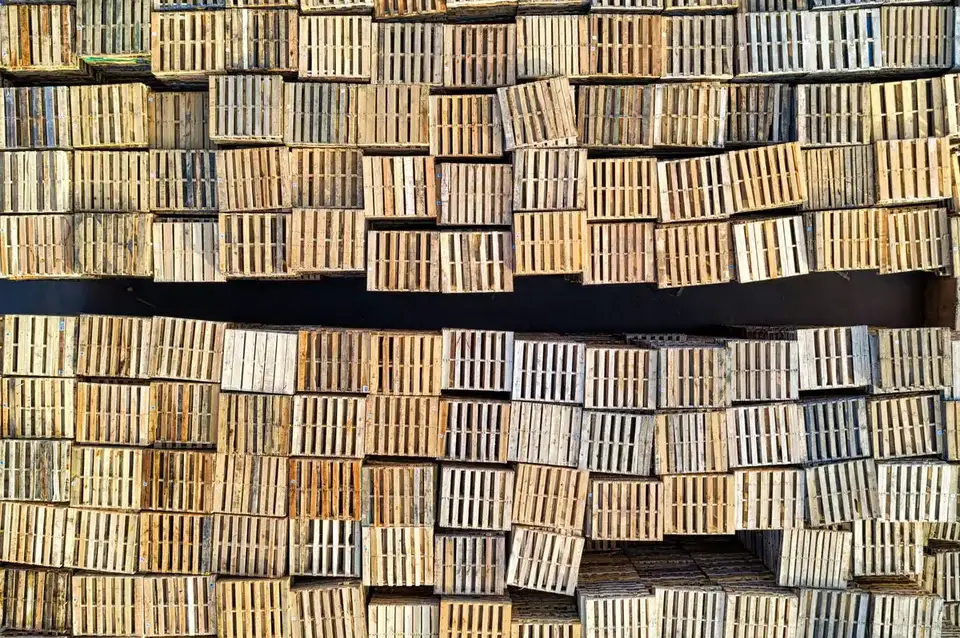
An easy example: a supplier delivers goods on pallets to a warehouse in Berlin and receives the equivalent number of pallets back at another collection point. Pallets circulate many times, which saves the cost of buying new ones and reduces wood waste. The condition for this to work is that pallets are compliant and identifiable by their marks, so the marks on the blocks matter as much as the structure itself.
What Is EPAL?
EPAL (European Pallet Association e.V.) is an association headquartered in Dusseldorf, Germany, founded in 1991. EPAL does not build pallets itself. It licenses manufacturing and repair workshops, sets technical rules for the wood, nails, blocks and nailing pattern, and organises independent inspection. According to EPAL’s specification page, more than 650 million EPAL pallets are in circulation; a damaged pallet may only be repaired at a licensed workshop, and unlicensed repair is prosecuted.
How Do the EPAL Mark and the EUR Mark Differ?
The EPAL mark is a registered trademark of the European Pallet Association and may only be applied by a workshop with an EPAL licence. The letters EUR are the mark of the UIC railway pallet system. In structure, the EUR (UIC) pallet and the EPAL Euro pallet have the same size of 800 x 1200 mm; the difference lies in the licensing and quality control system. The EPAL Euro pallet today carries the “EPAL in an oval” mark on the corner blocks.
The two systems were once regarded as equivalent and then drifted apart. EPAL was founded in 1991, separating pallet quality management from the railway companies. In October 2014, EPAL and UIC agreed to exchange each other’s pallets. On 1 May 2017, according to EPAL’s press release of 1 March 2017, EPAL recommended ending the exchange of EPAL pallets for UIC/EUR pallets because of shortcomings in quality control and counterfeit EUR pallets entering the EU. EUR pallets produced before 28 February 2017 were exchanged during a transition period until the end of 31 December 2021.
Common Euro Pallet Size Codes
The EPAL system has five common flat wooden pallet codes: EPAL 1 (800 x 1200), EPAL 2 (1200 x 1000), EPAL 3 (1000 x 1200), EPAL 6 (800 x 600) and EPAL 7 (800 x 600, display type). In the market, the first three and EPAL 6 are often shortened to EUR 1, EUR 2, EUR 3 and EUR 6. Choose a code below to see the use and specifications of each:
The table below summarises the official specifications of the codes, for a quick comparison when choosing a code by truck, rack and conveyor:
| EPAL code | Size (mm) | Weight | Boards / blocks / nails | Safe working load | Max load on bottom pallet when stacked |
|---|---|---|---|---|---|
| EPAL 1 (EUR 1) | 800 x 1200 x 144 | ~25 kg | 11 / 9 / 78 | 1,500 kg | 5,500 kg |
| EPAL 2 | 1200 x 1000 x 162 | ~35 kg | 17 / 9 / 133 | 1,250 kg | 4,250 kg |
| EPAL 3 | 1000 x 1200 x 144 | ~30 kg | 13 / 9 / 84 | 1,500 kg | 4,500 kg |
| EPAL 6 | 800 x 600 x 144 | ~9.5 kg | 13 / 9 / 69 | 750 kg | 1,500 kg |
| EPAL 7 | 800 x 600 x 163 | ~9.5 kg | 13 / 3 / 42 | 500 kg | 1,500 kg |
The two load columns in the table measure two different things. “Safe working load” is the maximum weight of goods on one pallet when lifted, moved or placed on a rack. “Max load on bottom pallet when stacked” is the total weight the lowest pallet can bear when several loaded pallets are stacked on a flat, hard floor. Note also that EPAL 2 is heavier than EPAL 3 and has the same 1200 x 1000 mm deck but a lower safe working load (1,250 against 1,500 kg), so when you receive a request for a “Euro pallet 1200 x 1000″ you need to ask which code.
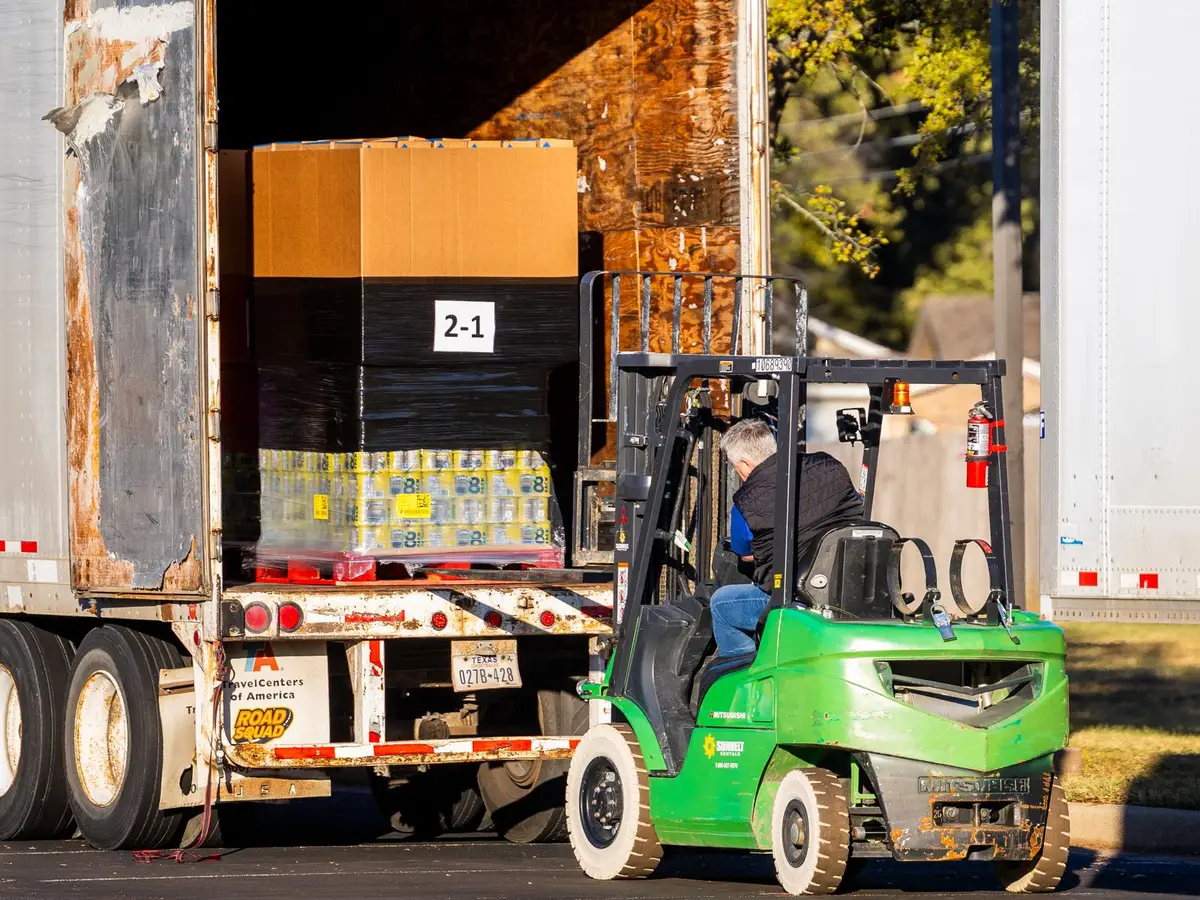
In my experience, the common mistake is not choosing the wrong code but writing only the deck size. A 800 x 1200 mm pallet 120 mm high and a 800 x 1200 x 144 mm pallet look alike at a glance, but only the latter has the correct EPAL 1 height, and an automated warehouse in the importing country may reject the other. So when ordering, give all three dimensions, the working load needed and the lift direction.
How Are EPAL Pallets Treated Under ISPM 15 and Marked?
Every new EPAL pallet produced since 1 January 2010 is heat treated under ISPM 15 and carries the IPPC mark on the two middle blocks of the two long sides. EPAL’s technical rules prohibit treating EPAL pallets with methyl bromide (MB), and this applies to repaired pallets too.
The EU’s general rules for imported wood packaging are broader than EPAL’s own rules. Under the European Commission’s guidance, wooden pallets and wood packaging from outside the EU must be debarked, heat treated or fumigated by a method approved in ISPM 15 and carry the ISPM 15 mark. The EU has banned the use of methyl bromide within the bloc since 18 March 2010, but still accepts imported pallets treated by HT or MB correctly under ISPM 15. In other words, HT is mandatory under EPAL’s rules only when the customer asks for an EPAL pallet; ordinary wooden pallets going to the EU can still use HT or MB, although most European importers prefer HT.
On each long side of an EPAL Euro pallet there are 3 blocks, each carrying a different group of marks. The diagram below shows the layout per EPAL’s specification document:
Read from left to right: the two corner blocks carry the EPAL mark in an oval, showing the pallet belongs to the EPAL system and was built by a licensed workshop; for EPAL QR pallets, the right corner block may be replaced by a QR code with a 9-character serial number. The middle block carries the IPPC mark with the country code, the registration number issued by the plant protection authority and the method code HT, showing the pallet has been heat treated under ISPM 15. Also on the middle block are the workshop licence number, and the year and month of production, which let you trace where and when the pallet was built.
One middle block also has the EPAL control staple, a sign that the pallet belongs to a lot that has passed independent quality inspection. If the pallet has been repaired, you will also see a repair nail bearing the EPAL logo and the licence number of the repair workshop. A missing IPPC mark is the most serious defect for export cargo, because the shipment can be held, forced to re-treat, returned or have its packaging destroyed at the border of the importing country.
How Are the Structure and Nails of an EPAL 1 Pallet Specified?
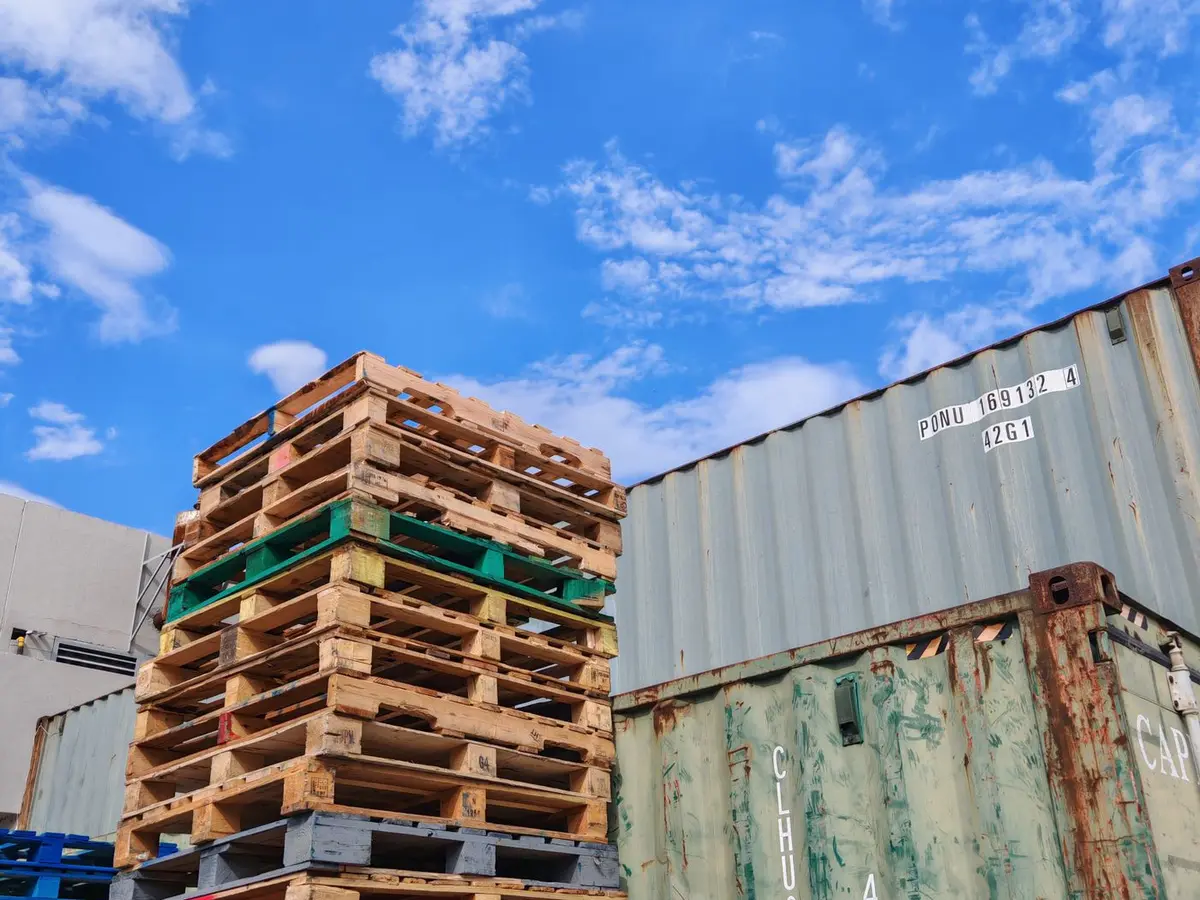
The physical structure of an EPAL Euro pallet is also specified in detail. A standard EPAL 1 pallet is built with exactly 78 nails to a fixed pattern. Deck and bottom boards are 22 to 24 mm thick (stringer boards up to 25 mm), stringer boards may not have wane and may not be made of poplar. The bottom boards must have their upper edge chamfered on both long sides.
How Are Used EPAL Pallets Graded?
EPAL divides used Euro pallets into classes A, B and C (besides new pallets) by wood colour, wear and residue. This is a non-binding recommendation, applied only when the two parties agree. Without an agreement, EPAL’s exchange rules treat new pallets and class A, B and C pallets as equally exchangeable, provided there is no damage that impairs function.
| Class | Main characteristics | General requirements |
|---|---|---|
| New | ISPM 15 treated, chamber dried, maximum moisture 22%, nominal load 1,500 kg | Full EPAL marks on the 4 corner blocks, IPPC mark, licence number-year-month, control staple |
| A | Used, wood mostly light in colour; may have been repaired (with a repair nail) | At least 1 legible EPAL mark remains on each side |
| B | Used, wood mostly dark in colour, surface moisture from use allowed | At least 1 legible EPAL mark remains on each side |
| C | Heavily used; blocks slightly twisted (protruding no more than 1 cm); remaining cardboard, film, tape and labels allowed | Removing the residue may allow a higher grade |
A pallet is regarded as not exchangeable when it has missing boards, a block that is lost or broken so that more than 1 nail shank shows, a deck or bottom board broken so that more than 1 nail shank shows, a board broken across or diagonally, or dirt that could soil goods. A twisted block also may not protrude more than 10 mm. These pallets must be repaired at an EPAL-licensed workshop before returning to the network.
How Do a Genuine EPAL Pallet and an “EPAL-size” Pallet Differ?
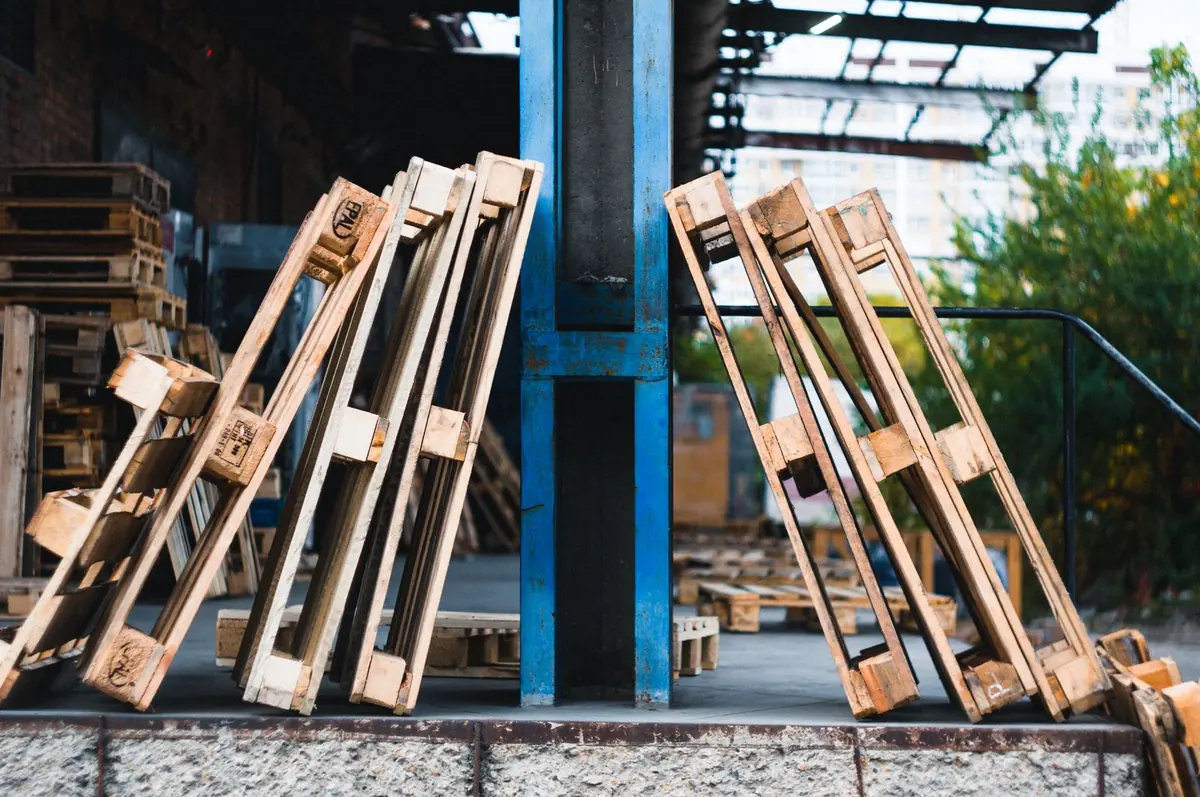
A genuine EPAL pallet is built by an EPAL-licensed workshop and carries a valid EPAL mark. An “EPAL-size” pallet only has the same dimensions, for example 800 x 1200 x 144 mm, and may not be stamped with the EPAL mark. A pallet of the same size, sold honestly as an ordinary pallet, is entirely legal; it is counterfeit, infringing the trademark, only when an EPAL mark is applied without permission.
Whether you need a pallet carrying the EPAL mark depends on the route of the shipment. When a European customer asks for pallets to be exchanged within the EPAL network it is mandatory, because a pallet without the right mark will be refused on exchange. When an automated warehouse or conveyor in the importing country only requires the standard size it is not mandatory, but the pallet must have the right size and an equivalent structure. For one-way pallets that are not recovered, or for cargo going outside the EU, a pallet of the same size that meets ISPM 15 and carries the IPPC mark is enough.
- “EPAL pallet” if the shipment needs pallets exchanged within the EPAL network.
- “Pallet 800 x 1200 x 144 mm, ISPM 15 treated” if the pallet only travels one way.
- The working load needed, the lift direction and the treatment method (HT or MB) accepted by the partner.
Which Wooden Pallets Does ICD Vietnam Supply for Cargo to Europe?
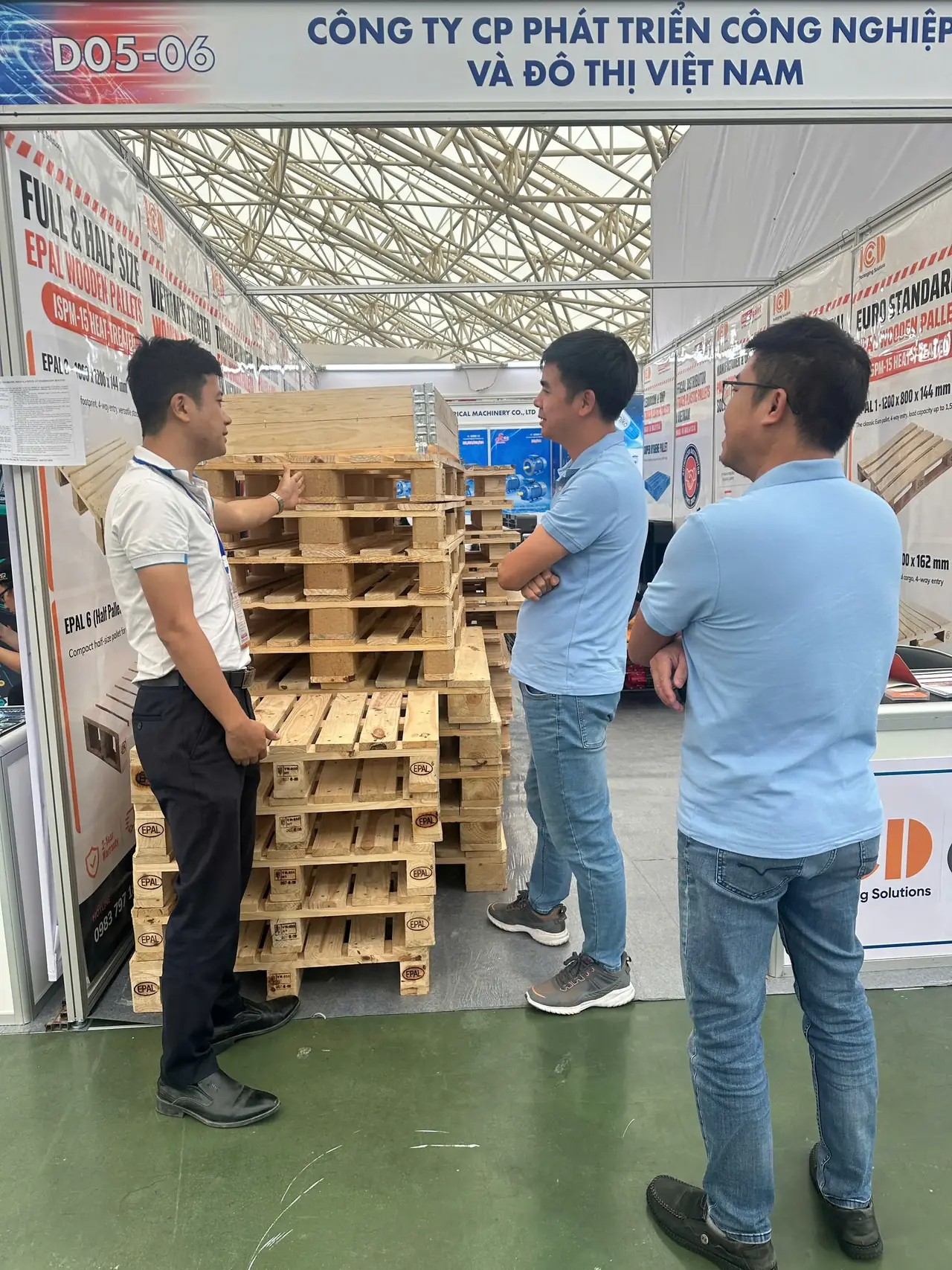
ICD Vietnam makes wooden pallet codes to EPAL system dimensions, with advice on choosing the code by market and use. Pallets for export cargo are treated and marked with the IPPC stamp under ISPM 15 through a licensed treatment provider. Besides wooden pallets, we also advise on plastic pallets for food and pharmaceutical sectors needing high hygiene or pallets for long service life in the warehouse.
Specifications of the same-size codes currently published on the ICD Vietnam website (checked 16 October 2026); all four codes are single-face, 4-way entry:
Two points need careful reading when comparing with EPAL’s table. The “static load” on the product page is the load when the pallet rests still on the floor, not EPAL’s “max load on bottom pallet when stacked”, so the two figures cannot be compared directly. For the 800 x 600 mm code only, the dynamic load we publish is 500 kg, lower than the 750 kg of EPAL 6; if your goods are heavier, tell us the actual load for advice on a suitable structure. Customers who need pallets carrying the EPAL mark for exchange within the network should state this as soon as they ask for a price.
What Benefits Does Pallet Standardisation Bring to the Supply Chain?
The biggest benefit is a lower cost per unit of goods as pallets fill the truck floor and fit the racks, while pallets are swapped like for like instead of bought new every trip. When every pallet has the same size and height, a warehouse can design rack bays, conveyors and loading doors to a single standard, forklifts do not have to keep adjusting their tines, and goods suffer less damage from mismatched pallets during multimodal transport.
For Vietnamese exporters, standardisation is also a way to reduce risk at the final stage. A pallet with the right code, the right mark and full treatment documents is less likely to be questioned at the port of arrival and less likely to be refused by the customer’s warehouse. I often advise customers to keep a standard pallet requirement on file for each market (code, size, load, treatment method, marks needed) so each order does not have to be negotiated from scratch.
Frequently Asked Questions
What does the EUR mark on a pallet mean?
The letters EUR are the mark of the UIC railway pallet system, not EPAL’s mark. The EPAL Euro pallet today carries the EPAL mark in an oval on the corner blocks. Since 1 May 2017, EPAL has recommended no longer treating UIC/EUR pallets as equivalent when exchanging.
How does the EPAL pallet system work?
EPAL runs an open exchange (pooling) mechanism: compliant pallets are swapped back and forth between parties in the supply chain instead of each company buying its own pallets for every trip. The condition for exchange is that the pallet is not damaged to the point of losing function and still has a legible EPAL mark.
What is the standard EPAL pallet size?
The EPAL 1 (EUR 1) pallet measures 800 x 1200 x 144 mm, the most common size in European logistics. There are also EPAL 2 (1200 x 1000 x 162 mm), EPAL 3 (1000 x 1200 x 144 mm), EPAL 6 (800 x 600 x 144 mm) and EPAL 7 (800 x 600 x 163 mm).
How many kilograms does an EPAL pallet weigh?
According to EPAL, an EPAL 1 pallet weighs about 25 kg, EPAL 3 about 30 kg, EPAL 2 about 35 kg, and the half pallets EPAL 6 and EPAL 7 about 9.5 kg. Actual weight varies with wood moisture.
How many kilograms can an EPAL pallet carry?
The safe working load of EPAL 1 is 1,500 kg. When loaded pallets are stacked on a flat floor, the bottom pallet carries up to 5,500 kg. For EPAL 2 the figures are 1,250 kg and 4,250 kg, and for EPAL 3, 1,500 kg and 4,500 kg.
Can EUR pallets and EPAL pallets be exchanged for each other?
Since 1 May 2017, EPAL has recommended ending the exchange of EPAL pallets for UIC/EUR pallets; EUR pallets produced before 28 February 2017 were exchanged during a transition period until 31 December 2021. Today, if you need to exchange within the EPAL network, use pallets carrying the EPAL mark.
Who may make and repair EPAL pallets?
Only workshops licensed by EPAL may make or repair EPAL pallets. A repaired pallet receives a repair nail bearing the EPAL logo and the repair workshop’s licence number; unlicensed repair is prosecuted.
Can wooden pallets fumigated with methyl bromide enter the EU?
Yes, for ordinary wooden pallets. The EU has banned using methyl bromide within the bloc since 2010 but still accepts imported wood packaging treated by HT or MB correctly under ISPM 15. For EPAL pallets in particular, EPAL only allows heat treatment and prohibits methyl bromide.
Contact ICD Vietnam
For advice on wooden pallets to EPAL dimensions for a shipment to Europe, send us the pallet code, quantity and the importing customer’s requirements. ICD Vietnam has a manufacturing workshop, a Hanoi warehouse and a southern workshop; price: contact for a quote.
- North: 0983 797 186 / 090 345 9186.
- South: 098 6784 186; southern workshop: 551/212 Le Van Khuong Street, Tan Thoi Hiep Ward, District 12.
- Email: sales@icdvietnam.com.vn.
References
- Specifications, marks, exchange criteria and ISPM 15 rules for the EPAL 1 pallet: EPAL, EPAL Euro pallet; product pages of EPAL 2, EPAL 3, EPAL 6, EPAL 7 on the same website.
- EPAL Quality Classification, recommendations on using and exchanging used EPAL Euro pallets (EPAL).
- EPAL press release of 1 March 2017 on ending the exchange agreement with UIC (EPAL).
- Requirements for wood packaging entering the EU: European Commission, Requirements for wood packaging and dunnage.
- Standard for treating wood packaging material: IPPC, ISPM 15 Regulation of wood packaging material in international trade.
- ICD Vietnam wooden pallet specifications: product pages on icdvietnam.com.vn, checked 16 October 2026.