Table of Contents
- What is ISO 6780:2003 and what exactly does it say?
- Besides dimensions, what else does ISO 6780:2003 specify?
- Application to wooden pallets and scope
- Why does ISO 6780:2003 matter for the wooden pallet industry?
- Challenges and points to note when applying ISO 6780:2003
- How can you tell whether a supplier complies with ISO 6780:2003?
- Conclusion
- Frequently asked questions
- How many standard pallet sizes does ISO 6780:2003 specify?
- Which pallet parameters does ISO 6780:2003 focus on?
- Where is the 1000 x 1200 mm size under ISO 6780 used?
- Is ISO 6780:2003 still valid?
- What is the tolerance on pallet dimensions under ISO 6780?
- What is the difference between a 1200 x 1000 mm and a 1000 x 1200 mm pallet?
- Which TCVN is equivalent to ISO 6780:2003?
- Is there an ISO 6780 certificate for pallet manufacturers?
- Contact ICD Vietnam
- References
Reviewed and updated by ICD - Week 43/2026
ISO 6780:2003 is the international standard that sets six footprint sizes for flat pallets used in intercontinental materials handling (1200 x 800, 1200 x 1000, 1219 x 1016, 1067 x 1067, 1100 x 1100 and 1140 x 1140 mm), a manufacturing tolerance of +3/-6 mm and minimum fork entry clearances. The standard is still current: the iso.org page shows that ISO reviewed and confirmed it on 15 April 2026 (checked 17 October 2026). In Vietnam its content was adopted unchanged as TCVN 9022:2011.
ISO 6780:2003 is a cornerstone standard that shapes how wooden pallets are made and used, above all wooden pallets for export. This article explains what the standard covers beyond the 6 sizes, how it relates to ISPM 15, ISO 8611 and EPAL, and how to measure a sample pallet yourself to see whether it really meets ISO 6780. I write as someone who has been making wooden pallets at ICD Vietnam since 2011, working from the text of the standard rather than trade hearsay.
What is ISO 6780:2003 and what exactly does it say?
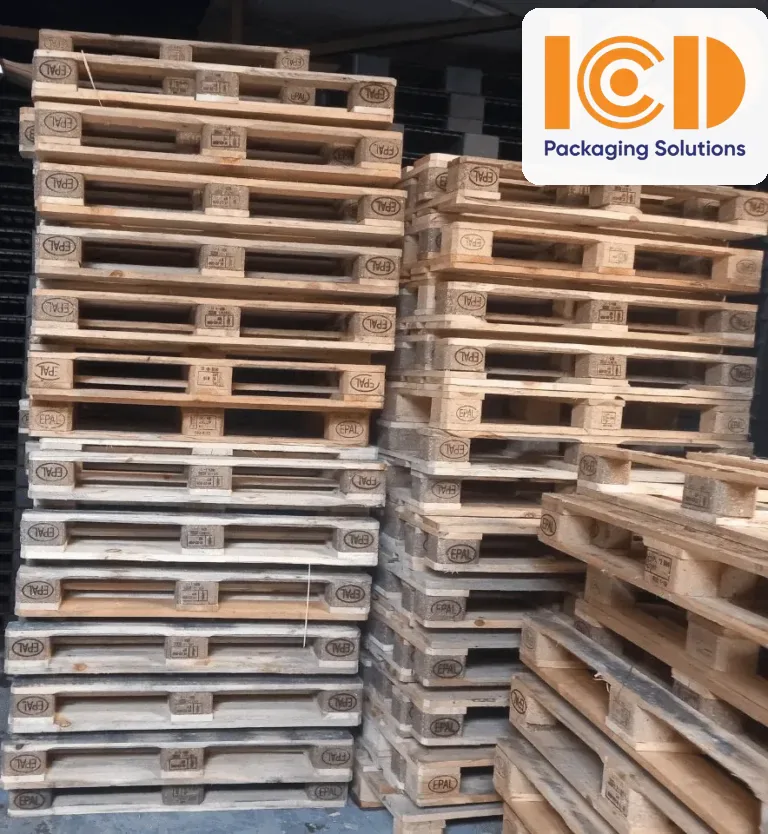
ISO 6780:2003 is the international standard that sets the principal dimensions and tolerances of new flat pallets used to move goods between continents. It applies to single-deck and double-deck pallets, to every type of entry and to any material, from wood and plastic to metal.
The aim is a uniform pallet size worldwide, which makes the best use of transport space (containers, trucks) and warehouse space while cutting cost and the risk of damage to goods. The focus is the length and width of the pallet; beyond that, ISO 6780:2003 also sets the clearance for forklift tines, the chamfer on bottom boards, and limits for diagonal difference and flatness. The standard is maintained by technical committee ISO/TC 51 (pallets for unit load method of materials handling). Its Vietnamese version is TCVN 9022:2011, stated to be fully equivalent to ISO 6780:2003 and issued by the Ministry of Science and Technology.
The six sizes in ISO 6780:2003 split into 3 rectangular and 3 square footprints. Annex A of the standard lists the region where each size is used, for reference; I summarise it below with inch conversions for customers who deal with American partners.
According to Annex A, the 1200 × 800 mm size (47.2 × 31.5 in) is used mainly in Europe and is the size of the Euro pallet (EPAL Euro) in retail and food; 1200 × 1000 mm (47.2 × 39.4 in) is used in Europe and Asia and suits ISO containers and trucks. The 1219 × 1016 mm size (48 × 40 in) is the GMA pallet, the most common in North America, while 1067 × 1067 mm (42 × 42 in) is used in North America, Europe and Asia for intercontinental supply chains. 1100 × 1100 mm (43.3 × 43.3 in) is the familiar size in Asia. The 1140 × 1140 mm size (44.9 × 44.9 in) is tied to Australia, although the Australian pallet commonly seen on the market is 1165 × 1165 mm.
Side by side, the 6 sizes fall into two groups by shape, and the deck area differs by almost 40% between the smallest and the largest:
| Size (mm) | Inch | Shape | Pallet deck area |
|---|---|---|---|
| 1200 x 800 | 47.2 x 31.5 | Rectangular | 0.96 m² |
| 1200 x 1000 | 47.2 x 39.4 | Rectangular | 1.20 m² |
| 1219 x 1016 | 48 x 40 | Rectangular | 1.24 m² |
| 1067 x 1067 | 42 x 42 | Square | 1.14 m² |
| 1100 x 1100 | 43.3 x 43.3 | Square | 1.21 m² |
| 1140 x 1140 | 44.9 x 44.9 | Square | 1.30 m² |
I cover this part in detail in: Wooden pallet dimension standards.
Besides dimensions, what else does ISO 6780:2003 specify?
Besides the 6 sizes, ISO 6780:2003 sets a manufacturing tolerance of +3/-6 mm and minimum opening heights so that hand pallet truck forks, forklifts and automated systems can enter the pallet safely. According to the standard preview published on the ISO website and to TCVN 9022:2011, the main parameters are:
| Item | ISO 6780:2003 requirement | What it means when ordering pallets |
|---|---|---|
| Length and width tolerance | +3 mm / -6 mm | A compliant 1200 mm pallet measures 1194 - 1203 mm |
| Hand pallet truck entry (H1) | At least 100 mm (high), 95 mm (standard), 89 mm (low) | Hand truck forks slide in without scraping the boards |
| Top of opening to underside of pallet (H2) | At most 156 mm | The hand truck can lift the pallet off the floor |
| Forklift fork entry | At least 50 mm; 55 mm in some European countries | Enough room for counterbalance forklift tines |
| Automated systems | At least 100 mm recommended | Robots and conveyors pick up pallets reliably |
| Other requirements | Bottom board chamfer, diagonal difference, flatness and lateral clearances per Annex B | Pallets run smoothly on conveyors and racks |
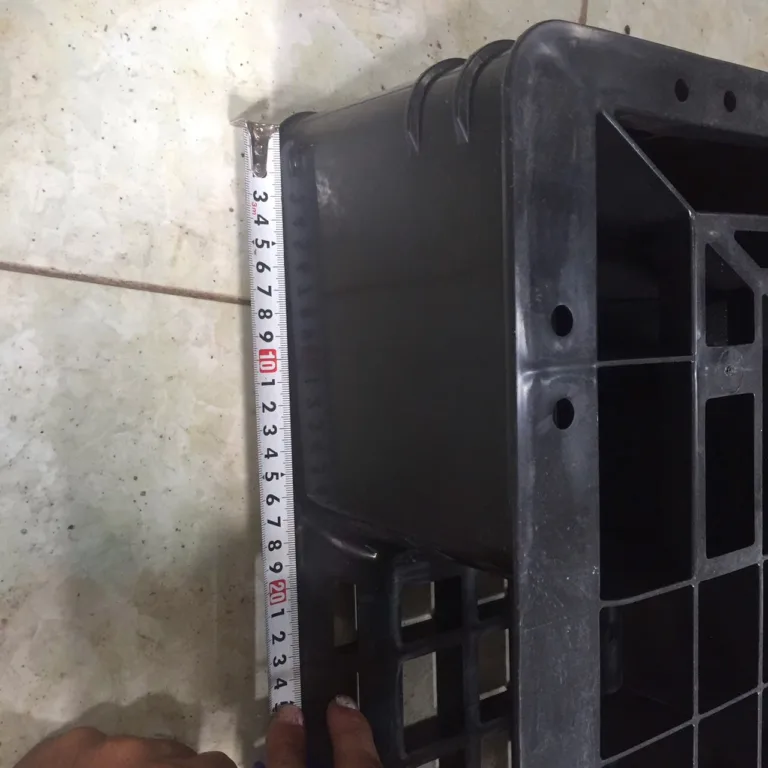
The last part of the standard is read by few people but often causes disputes at goods receipt. Under TCVN 9022:2011, the difference between the two diagonals of the deck may not exceed 1% of the diagonal length at manufacture, the deviation of the deck from the reference plane may not exceed 7 mm, and the contact surface of the bottom deck must be at least 35% of the nominal area. If the bottom boards are chamfered so a hand pallet truck rolls up easily, the chamfer slopes at 40 ± 5 degrees and the vertical part is no more than 16 mm high. A part of the deck that projects less than 65 mm is called an edge, and one that projects 65 mm or more is called a wing.
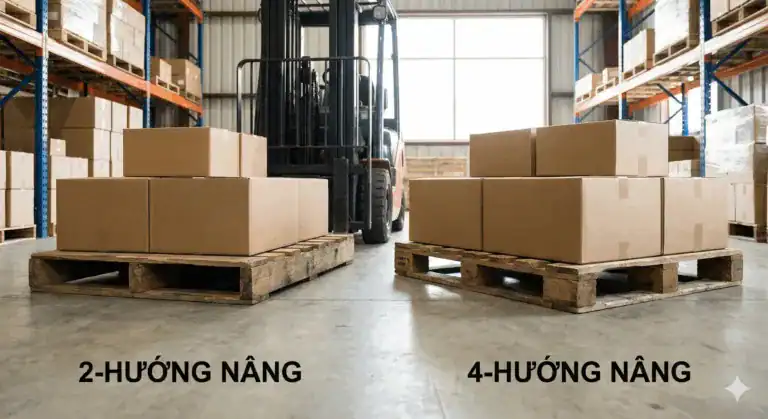
The standard also fixes how the dimensions are named: the length is the side running in the direction of the stringers or bearers, so a 1200 x 1000 mm pallet and a 1000 x 1200 mm pallet have the same footprint but a different structural direction. ISO 6780:2003 is the second edition, replacing ISO 6780:1988 and its 1994 amendment, and it adds the sizes preferred in Asia and the Pacific that the earlier edition lacked.
Application to wooden pallets and scope
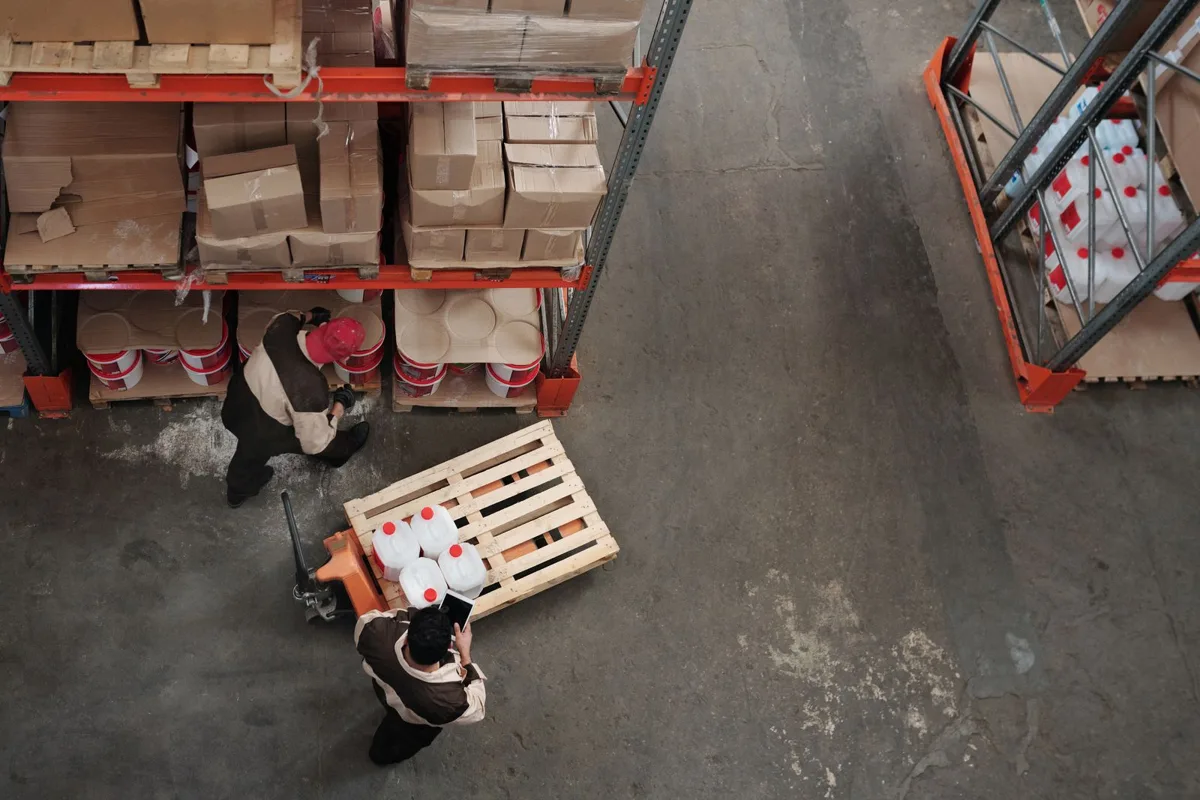
ISO 6780:2003 applies to wooden pallets by setting the footprint, tolerances and fork entry that a new pallet must meet; it does not specify the wood species, the load capacity or the quarantine treatment.
Wooden pallet makers worldwide, Vietnam included, use these sizes as the benchmark for designing and producing pallets. The scope is global, with an emphasis on international trade: a pallet of the right size works flexibly with forklifts, conveyors and standard transport units such as containers and trucks in most countries. ISO 6780 is a voluntary standard; it becomes mandatory when it is written into a contract or into the receiver’s requirements.
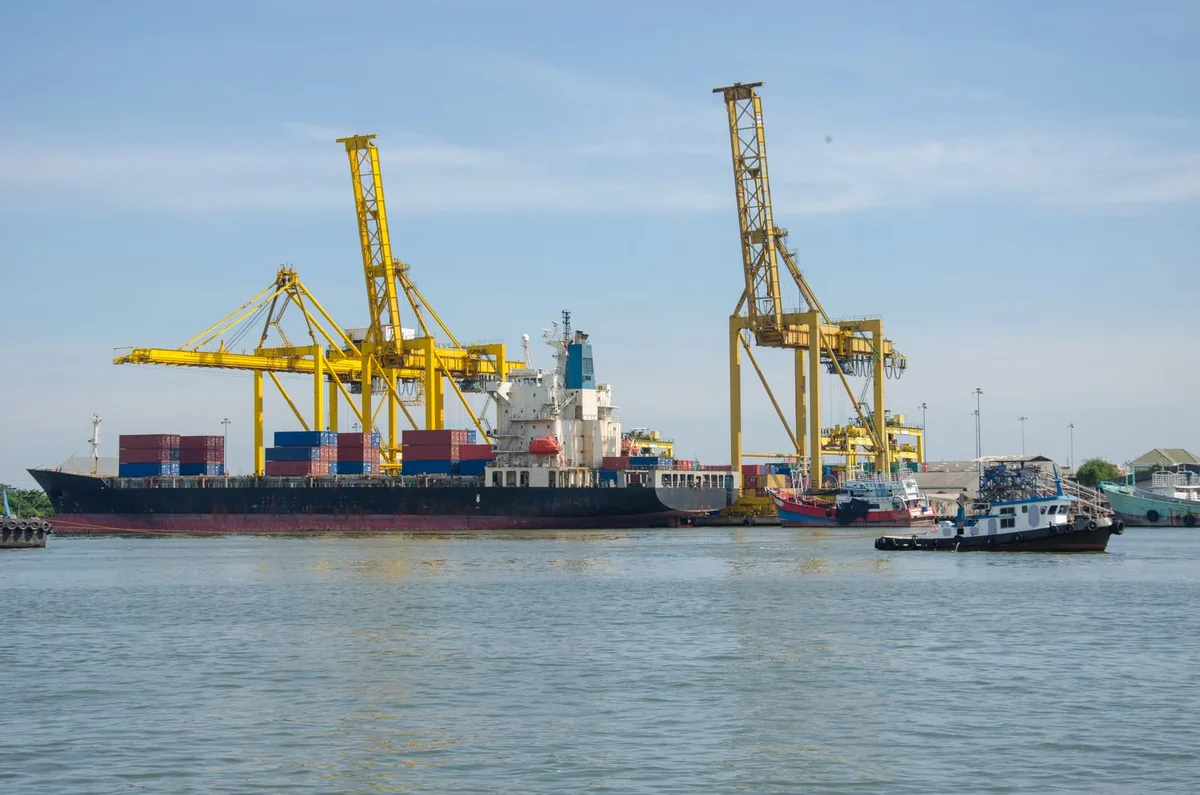
Meeting ISO 6780:2003 dimensions is not enough for a wooden pallet to be exported. The pallet must also meet ISPM 15 (treatment and quarantine marking of wood packaging) and usually has to match a regional specification such as EPAL (Europe) or GMA (North America). Each standard governs a different aspect, so an export pallet usually has to meet several at once. For load capacity, the ISO 8611 series sets the test methods; part 1 is currently ISO 8611-1:2025, while TCVN 10173-1:2025 is equivalent to ISO 8611-1:2021.
Think of each standard as answering a separate question. ISO 6780 answers whether the pallet fits forklifts, containers and racks, through its footprint, tolerances and fork entry. ISO 8611 answers how many kilograms the pallet can carry, through its test methods and load requirements. ISO 445 unifies terminology, that is, what the parts and types of pallet are called. ISPM 15 decides whether a wooden pallet clears customs, through treatment and marking of wood packaging. And EPAL and GMA answer whether the pallet can be used in the receiving customer’s system, because they are regional pallet specifications.
Why does ISO 6780:2003 matter for the wooden pallet industry?
ISO 6780:2003 matters because it lets the sender’s pallet fit the receiver’s forklifts, racks, containers and conveyor systems without changing pallets halfway.
From practical experience, the first benefit I see is making full use of transport and warehouse space, which lowers logistics cost. Goods pass through several countries more easily without equipment incompatibility; customs clearance of wood packaging is a matter for ISPM 15, not for dimensions. A size that suits the package also holds the load better and reduces impact and breakage when stacking and lifting.
From a management angle, uniform dimensions make stock counting, racking and pallet circulation much simpler than in a warehouse that mixes a dozen pallet sizes. For international buyers, a supplier who delivers pallets with the right dimensions and tolerance also shows professionalism and gives rise to fewer complaints when the goods reach the warehouse.
Challenges and points to note when applying ISO 6780:2003
The biggest challenge for wooden pallets is keeping dimensions within tolerance as the wood dries; beyond that come material, quarantine treatment, cost and the need for custom sizes.
Each wood species affects the load capacity and durability of a pallet, so the right size does not mean the pallet is strong enough; material and design must still meet the load requirements of the goods. An export wooden pallet must also be treated under ISPM 15, by heat treatment (HT) or methyl bromide (MB), and carry the IPPC mark. If the goods go to the EU, note that the EU banned the use of methyl bromide within the EU from 18 March 2010 but still accepts imported pallets treated with HT or MB in line with ISPM 15; pallets bearing the EPAL mark may only be heat treated. At ICD Vietnam, treatment and IPPC marking are carried out through a licensed unit.
On cost, making pallets that hold their tolerance requires wood that is dried, cut and nailed in a fixed jig, so the starting cost can be higher than for pallets nailed together casually, but it pays back in fewer returns and access to international customers. Some cases still call for a non-standard pallet to suit the package; in that case choose a size that is a multiple or a divisor of the ISO sizes so containers are easier to load.
On moisture, ISO 6780:2003 notes that the dimensions of a sawn wood pallet must be tied to a stated moisture content, while plastic pallets are measured at a temperature of 23 ± 2 degrees C. Wood that is still wet when nailed shrinks as it dries, so a pallet that was the right size on delivery can fall below -6 mm after a few weeks.
How can you tell whether a supplier complies with ISO 6780:2003?
ISO 6780:2003 is a dimensional standard with no certificate of its own; the surest way is to measure a sample pallet and check it against the standard’s parameters.
Because there is no certificate, the claim “ISO 6780 compliant pallet” on a website or in a catalogue is only a self-declaration; what is more trustworthy is a drawing that states the dimensions, tolerance, fork entry height and wood moisture content. Ask the supplier how they control dimensions in production (jigs, fixtures, sample measurement by batch), then ask to see a real sample and measure it again. A long-established pallet maker, especially one making export pallets, can usually tell you at once which size fits your container and what extra requirements such as ISPM 15 apply.
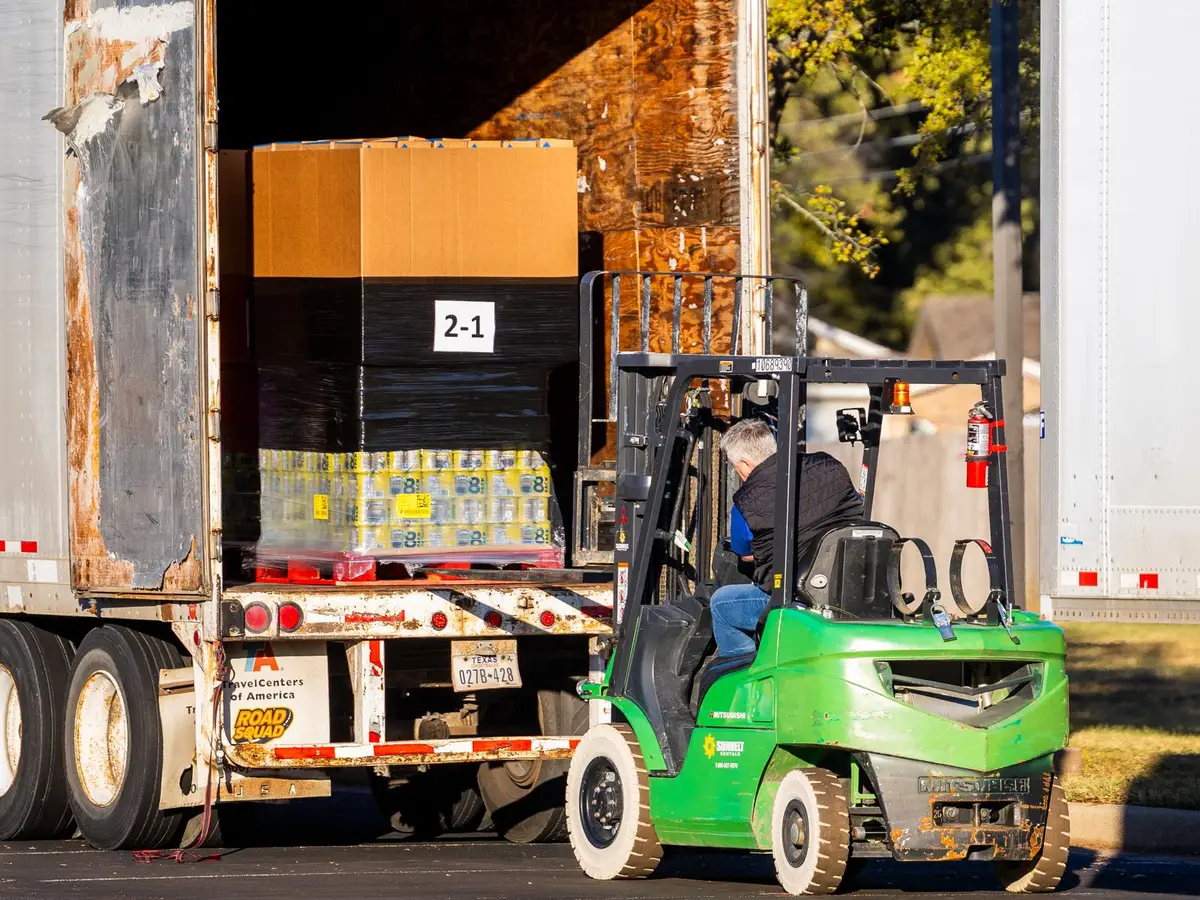
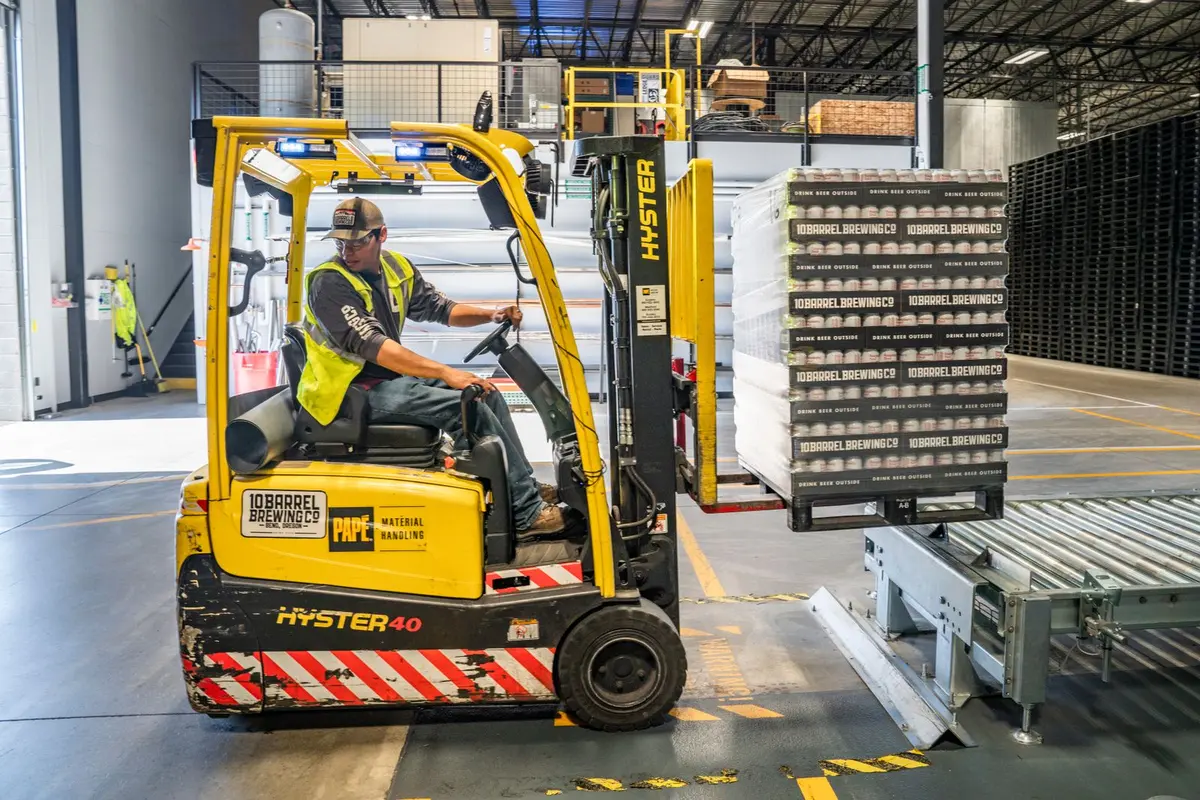
When you receive a sample pallet, you can check it with a tape measure, a hand pallet truck and a wood moisture meter in these steps:
- Measure length and width: compliant when within the nominal size +3 mm / -6 mm.
- Measure the hand pallet truck entry: 89 mm or more depending on whether the pallet is low, standard or high, then try sliding a hand pallet truck in.
- Measure the forklift fork entry: 50 mm or more.
- Measure the two diagonals of the deck: they may differ by no more than 1% of the diagonal length.
- Place the pallet on a flat floor: the deck may deviate by no more than 7 mm.
- For a wooden pallet, measure wood moisture: it must match the moisture agreed in the order.
Conclusion
ISO 6780:2003 is still the current edition and the common language of pallet dimensions in international trade. For me, the most worthwhile step is to write the dimensions, tolerance and fork entry into the order and then measure a sample pallet before placing a large quantity; that way both seller and buyer have a shared basis.
See also: international standards | exporting wooden pallets to Europe
Frequently asked questions
How many standard pallet sizes does ISO 6780:2003 specify?
The standard specifies 6 sizes: 1200 x 800, 1200 x 1000 and 1219 x 1016 mm (rectangular), and 1067 x 1067, 1100 x 1100 and 1140 x 1140 mm (square). Each size is tied to a region of use: 1100 x 1100 mm is common in Asia, for example, and 1200 x 800 mm is the European Euro pallet.
Which pallet parameters does ISO 6780:2003 focus on?
The standard concentrates on pallet length and width, aiming for uniform dimensions worldwide and better use of container, truck and warehouse space. It also covers the +3/-6 mm tolerance, fork entry clearances, chamfering of bottom boards, diagonal difference (no more than 1%) and flatness (no more than 7 mm).
Where is the 1000 x 1200 mm size under ISO 6780 used?
The 1200 x 1000 mm size is used in both Europe and Asia and fits ISO containers and standard trucks. Writing 1000 x 1200 mm means the stringers run along the 1000 mm side.
Is ISO 6780:2003 still valid?
Yes. The iso.org page (checked 17 October 2026) lists ISO 6780:2003 as published, periodically reviewed and confirmed on 15 April 2026, so it remains the current edition. The standard is maintained by ISO technical committee ISO/TC 51 and reviewed every five years.
What is the tolerance on pallet dimensions under ISO 6780?
The manufacturing tolerance on length and width is +3 mm / -6 mm. For example, a 1200 x 1000 mm pallet complies when its length is between 1194 and 1203 mm and its width between 994 and 1003 mm.
What is the difference between a 1200 x 1000 mm and a 1000 x 1200 mm pallet?
The two pallets have the same footprint but a different structural direction. Under ISO 6780, the length is the side running along the stringers or bearers and is always written first, so 1000 x 1200 mm means the stringers run along the 1000 mm side.
Which TCVN is equivalent to ISO 6780:2003?
TCVN 9022:2011, “Flat pallets for intercontinental materials handling - Principal dimensions and tolerances”, is fully equivalent to ISO 6780:2003 and was issued by the Ministry of Science and Technology. Vietnamese companies can cite it in contracts written in Vietnamese.
Is there an ISO 6780 certificate for pallet manufacturers?
No. There is no separate certification for ISO 6780. It is a dimensional standard, so the way to check is to measure a sample pallet for tolerance, fork entry, diagonals and flatness, then write those figures into the purchase order.
Contact ICD Vietnam
If you need wooden pallets in one of the 6 ISO 6780 sizes, or built to your own dimensions, send ICD Vietnam your package dimensions, load weight and handling equipment. Hotline: 0983 797 186 / 090 345 9186 / 090 5859 186. Zalo: Chat on Zalo. Email: sales@icdvietnam.com.vn.
ICD Vietnam has a production workshop, a Hanoi warehouse and a southern workshop (551/212 Le Van Khuong Street, Tan Thoi Hiep Ward, District 12, Ho Chi Minh City). Wooden pallet price: contact us for a quote based on size, load and quantity.
References
- ISO 6780:2003 Flat pallets for intercontinental materials handling, Principal dimensions and tolerances, status and life cycle of the standard (confirmed 15 April 2026, viewed 17 October 2026) - ISO.
- ISO 6780:2003, content preview of clauses 1 - 4.2 - standards.iteh.ai.
- TCVN 9022:2011 (ISO 6780:2003) Flat pallets for intercontinental materials handling - Principal dimensions and tolerances - Thu Vien Phap Luat.
- Pallet concept and pallet sizes by region - Wikipedia, Pallet.
- ISO 8611-1:2025 Pallets for materials handling, Flat pallets, Part 1: Test methods - ISO.
- EU rules on methyl bromide and imported wood packaging - European Commission (food.ec.europa.eu).