Table of Contents
- What Is Methyl Bromide?
- Why Are Wooden Pallets Fumigated with Methyl Bromide?
- Methyl Bromide Fumigation Process for Wooden Pallets Under ISPM 15
- How Toxic Is Methyl Bromide to People?
- What Is the Environmental Impact of Methyl Bromide?
- Is Methyl Bromide Banned?
- Are There Alternatives to Methyl Bromide for Wooden Pallets?
- What Should You Watch for When Using MB-marked Pallets?
- Frequently Asked Questions
- What is methyl bromide?
- How is a wooden pallet treated with methyl bromide marked?
- Why do export wooden pallets need methyl bromide treatment?
- Is methyl bromide banned in Vietnam?
- Can MB-marked pallets be exported to Europe?
- What is the chemical formula of methyl bromide?
- Should export wooden pallets use heat treatment (HT) or methyl bromide (MB)?
- Contact ICD Vietnam
- References
Reviewed and updated by ICD - Week 43/2026
Methyl bromide (CH3Br, code MB) is a highly toxic fumigant used to kill insects and nematodes in timber, soil and farm produce. It is not banned outright: the Montreal Protocol phases it out for general use (in Vietnam from 1 January 2015) but still allows it for quarantine, so wooden pallets fumigated with MB for at least 24 hours under ISPM 15 are still accepted.
Customers who ask ICD Vietnam about methyl bromide usually come down to three questions: what is it, is it banned, and can a pallet with the MB mark still enter Europe. This article answers each one, with the ISPM 15 parameters and the legal documents still in force.
What Is Methyl Bromide?
Methyl bromide is an organic compound containing bromine, a gas at room temperature, used as a fumigant to kill fungi, insects, weeds, nematodes (roundworms) and rodents. Its other name is bromomethane. It was once widely used to treat growing soil, to fumigate farm produce in stores and to disinfect timber and goods before export.
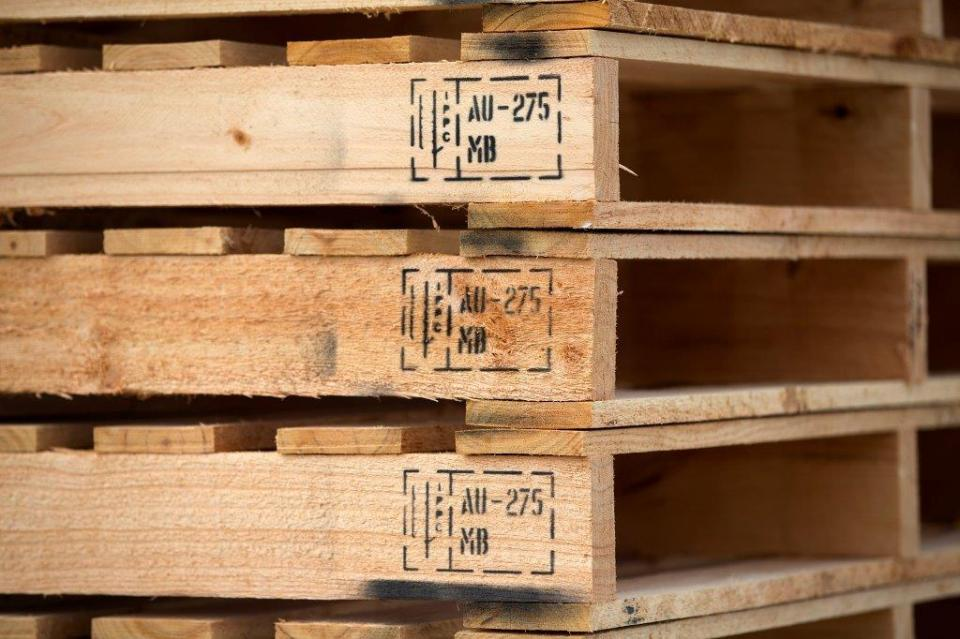
At room temperature methyl bromide is a gas and liquefies below about 3.6 °C, so it is shipped as a compressed liquefied gas in cylinders. Its vapour is about 3.36 times heavier than air, so it settles in low spots such as the floor of a container or a ship’s hold. At low concentrations the gas is almost colourless and odourless, so manufacturers usually add about 2% chloropicrin, an eye irritant, to warn people who come into contact. On a pallet, methyl bromide leaves no visible trace; the only evidence is the IPPC mark carrying the MB code and the fumigation certificate for the lot.
A wooden pallet treated with methyl bromide is stamped “MB” to certify that it has been fumigated. This is a step before a lot of export wooden pallets goes to other countries, and it is one of the four methods accepted by ISPM 15.
Why Are Wooden Pallets Fumigated with Methyl Bromide?
Wooden pallets are fumigated with methyl bromide to kill pests still living in the wood grain before they cross a border. Untreated wood can carry weevils, longhorn beetles, nematodes or fungi; when pallets travel with cargo to another country, these species can become invasive pests for the forests and crops of the importing country. That is why wood packaging material in international trade must be treated under the ISPM 15 standard of the International Plant Protection Convention (IPPC).
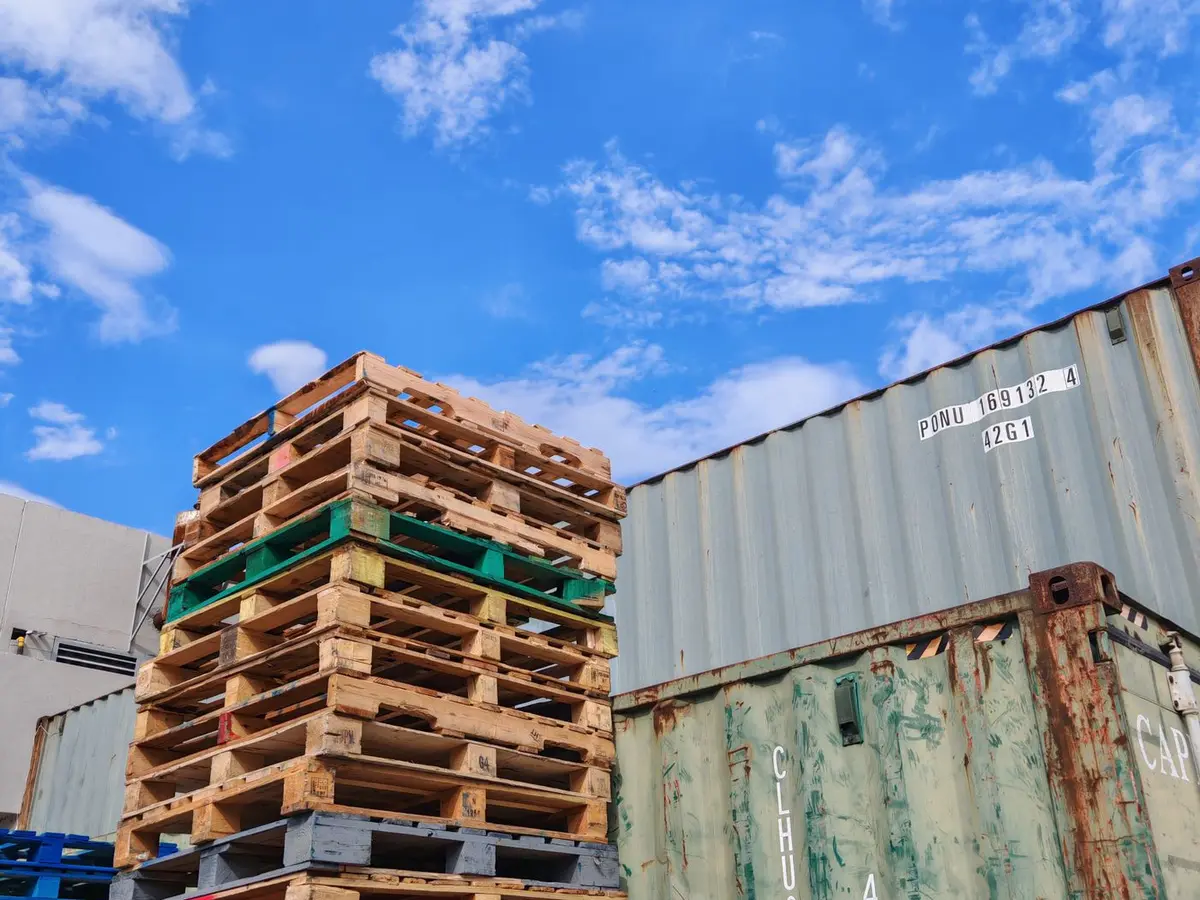
Methyl bromide is chosen often because it is flexible. The gas penetrates the gaps in a load, so a whole lot of pallets already loaded with goods can be fumigated right in the container or under a sealed tarpaulin in the yard, with no kiln needed. In return, the gas is highly toxic, destroys the ozone layer and is being tightened by many countries, as the sections below explain.
Methyl Bromide Fumigation Process for Wooden Pallets Under ISPM 15
Under ISPM 15, pallets must be fumigated in an enclosed space for at least 24 hours, with wood and air temperature at 10 °C or above, then aired before the MB mark is applied. The 16-hour figure still found in many older sources was the rule in the 2002 edition of ISPM 15 and was replaced by 24 hours from the 2009 revision. A compliant fumigation batch goes through these steps:
- Check that the wood is debarked, because bark reduces fumigation effectiveness and ISPM 15 requires debarking before MB fumigation.
- Load the pallets into a fumigation chamber, container or under a sealed tarpaulin, filling no more than 80% of the fumigation space and leaving gaps for gas circulation.
- Release the gas at the dose approved by the national plant protection organization, calculated by volume and temperature.
- Measure the minimum gas concentration at hours 2, 4 and 24; if the concentration falls short, extend the time or fumigate again.
- Air the space, re-measure the residual gas and only then allow people in to unload and apply the MB mark.
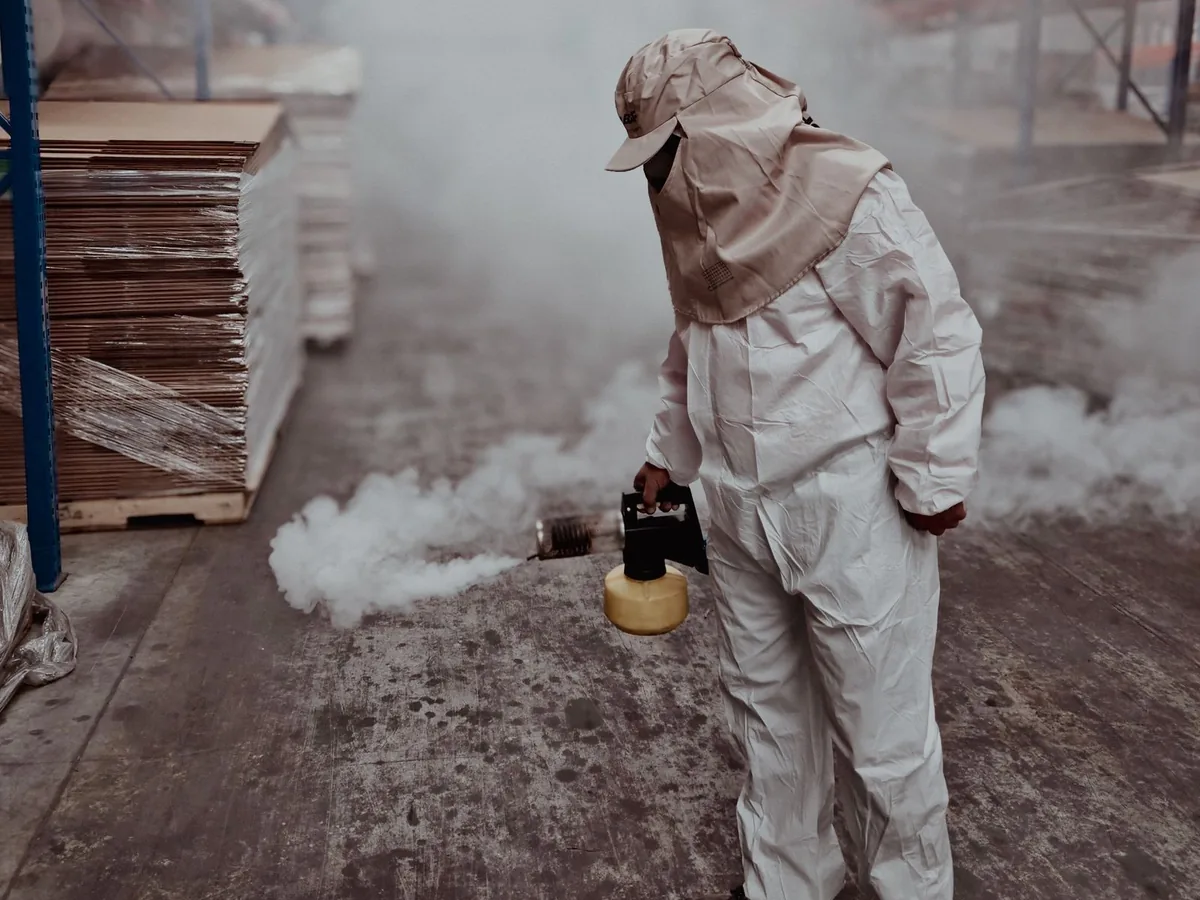
The standard does not set one fixed dose but requires reaching a minimum concentration-time (CT) product over 24 hours. The lower the temperature, the harder it is for gas to penetrate the wood, so the dose must be higher. The table below gives the parameters from Annex 1 of ISPM 15:
| Wood and air temperature | Minimum CT over 24 hours (g.h/m³) | Example dose (g/m³) | Minimum concentration after 24 hours (g/m³) |
|---|---|---|---|
| 21 °C or above | 650 | 48 | 24 |
| 16 to 20.9 °C | 800 | 56 | 28 |
| 10 to 15.9 °C | 900 | 64 | 32 |
Two limits are often overlooked. First, a pallet with a wood part whose smallest cross-section dimension exceeds 20 cm may not be fumigated with MB, because the gas cannot be guaranteed to reach the core. Second, the doses in the table are only examples; in an open chamber or when the wood absorbs gas strongly, the treatment provider must release a higher dose to still reach the CT. That is why the fumigation certificate needs to record the dose, time and actual temperature of the batch.
How Toxic Is Methyl Bromide to People?
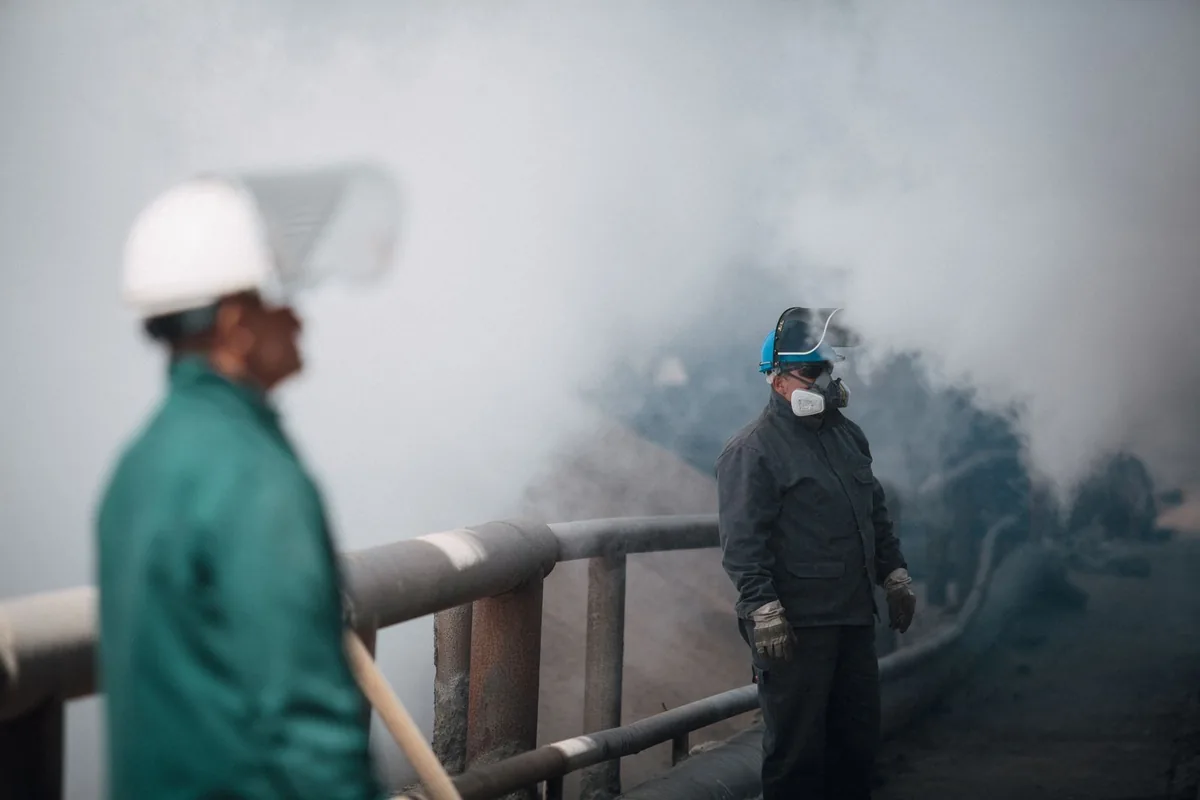
Methyl bromide is a neurotoxin and respiratory toxin: breathing a high concentration can cause lung damage, convulsions, coma and even death. At lower exposure, people may get headaches, dizziness, nausea, abdominal pain, blurred vision, slurred speech and memory loss. The liquid, or the gas at high concentration, on the skin causes redness, itching and blisters like a burn. More dangerous still, symptoms can appear several hours later, so an exposed person often does not connect them with the contact.
Because of its high toxicity, US occupational safety agencies set very low exposure limits:
- OSHA sets a workplace ceiling limit of 20 ppm, with a skin absorption notation.
- NIOSH defines the concentration immediately dangerous to life and health (IDLH) as 250 ppm.
- NIOSH classes methyl bromide among substances that are potential occupational carcinogens.
What Is the Environmental Impact of Methyl Bromide?
Methyl bromide depletes the ozone layer and is in the group of controlled substances (Annex E) of the Montreal Protocol, with an ozone depletion potential (ODP) of 0.6. Each kilogram of methyl bromide emitted does about 60% as much harm as a kilogram of CFC-11, the substance used as the benchmark.
When the ozone layer thins, more ultraviolet (UV) radiation reaches the ground, raising the risk of skin cancer and cataracts and affecting crops and marine life. This is why the Montreal Protocol set a phase-out schedule for methyl bromide: developed countries before 2005, developing countries before 2015, except for quarantine and pre-shipment (QPS) purposes.
Is Methyl Bromide Banned?
Methyl bromide is not banned outright worldwide: it is phased out for general use but is still used for quarantine and pre-shipment (QPS). The Montreal Protocol allows two groups of exceptions. Critical uses are reviewed by the parties each year where no alternative exists. QPS is exempt from the phase-out schedule, because fumigating goods and packaging material is a quarantine requirement of the importing country.
In Vietnam, the Department of Climate Change reports that since 1 January 2015 it has phased out more than 500 tonnes of methyl bromide used outside quarantine and export fumigation; the Ministry of Industry and Trade states that methyl bromide may now be imported only for fumigation. Substances controlled under the Montreal Protocol are managed under Decree 06/2022/ND-CP on greenhouse gas emission reduction and ozone layer protection. In addition, fumigating objects subject to plant quarantine is a conditional business line, which only organisations holding a practising certificate issued by the Department of Crop Production and Plant Protection may carry out.
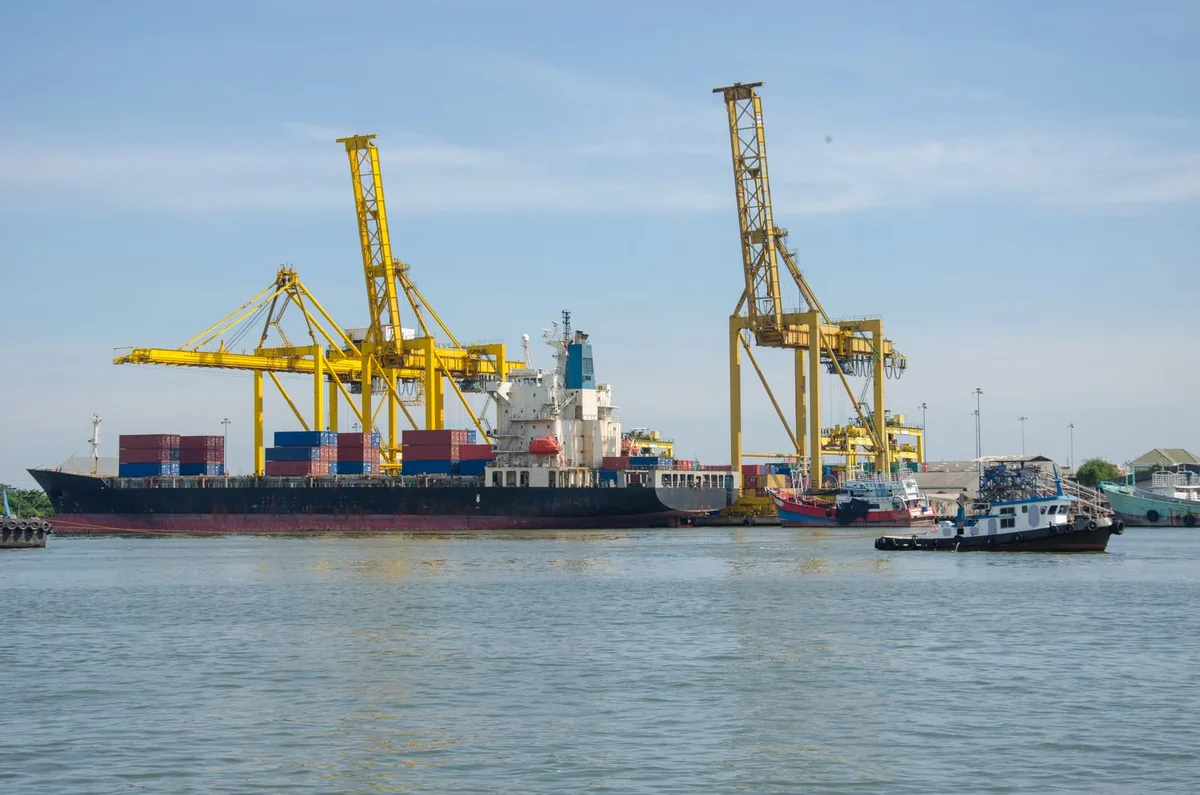
The European Union goes further than the Protocol. According to the recitals of Regulation (EU) 2024/590, which replaced Regulation (EC) 1005/2009 from 2024, the exemption for all critical uses of methyl bromide, including quarantine and pre-shipment, ended in the EU on 18 March 2010. The EU now only leaves open the possibility of emergency use when an unexpected pest outbreak occurs, for a maximum of 120 days and 20 tonnes each time.
What exporters often misunderstand is that the EU bans using methyl bromide within EU territory, not pallets that were fumigated with MB in another country. The European Commission’s guidance page on imported wood packaging material states clearly that wood packaging from outside the EU must be heat treated or fumigated under ISPM 15, debarked and carry the ISPM 15 mark. So an MB-marked pallet that meets the standard is still allowed into the EU; the reason to choose HT for cargo to Europe is that partners often ask for it and to avoid chemical concerns, as the comparison below shows.
| Scope | Current status | Basis |
|---|---|---|
| Montreal Protocol | Phased out for general use (developed countries from 2005, developing countries from 2015); QPS exempt | Control schedule for Annex E substances |
| Vietnam | Phased out for uses outside quarantine and export fumigation from 1 January 2015; imported only for fumigation | Decree 06/2022/ND-CP; information from the Department of Climate Change and the Ministry of Industry and Trade |
| European Union | Use banned in the EU, including QPS, from 18 March 2010; only a time-limited emergency use mechanism remains. Pallets with the MB mark imported into the EU are still accepted under ISPM 15 | Regulation (EU) 2024/590; European Commission guidance |
| ISPM 15 | Still one of four approved methods; the IPPC encourages the use of alternative methods | Annex 1, ISPM 15 |
Are There Alternatives to Methyl Bromide for Wooden Pallets?
Yes. ISPM 15 now accepts four ways of treating wood packaging material, each with its own code on the IPPC mark: conventional heat treatment (HT), dielectric heating by microwave or radio waves (DH), methyl bromide fumigation (MB) and sulfuryl fluoride fumigation (SF). Of these, HT is the most common chemical-free method, requiring the whole wood cross-section, including the core, to reach at least 56 °C continuously for 30 minutes.
| Method | Code on the mark | Minimum conditions | Main limitation |
|---|---|---|---|
| Conventional heat treatment | HT | 56 °C continuously for 30 minutes across the whole wood cross-section | Needs a heat chamber or kiln with core temperature measurement |
| Dielectric heating (microwave, radio waves) | DH | 60 °C continuously for 1 minute across the whole cross-section, including the surface | Specialised equipment, rarely seen |
| Methyl bromide fumigation | MB | Reach CT by temperature, at least 24 hours, from 10 °C | Not for wood with a smallest cross-section over 20 cm; use banned in the EU |
| Sulfuryl fluoride fumigation | SF | From 20 °C for 48 hours, or from 30 °C for 24 hours, at the specified CT | Not for wood with a cross-section over 20 cm or moisture over 75% |
Measures such as hot steam or integrated pest management (IPM) still have value in storage, but for export pallets only the methods listed in Annex 1 of ISPM 15 may carry the IPPC mark. Steam only counts when it reaches exactly the HT parameters and a temperature record proves it.
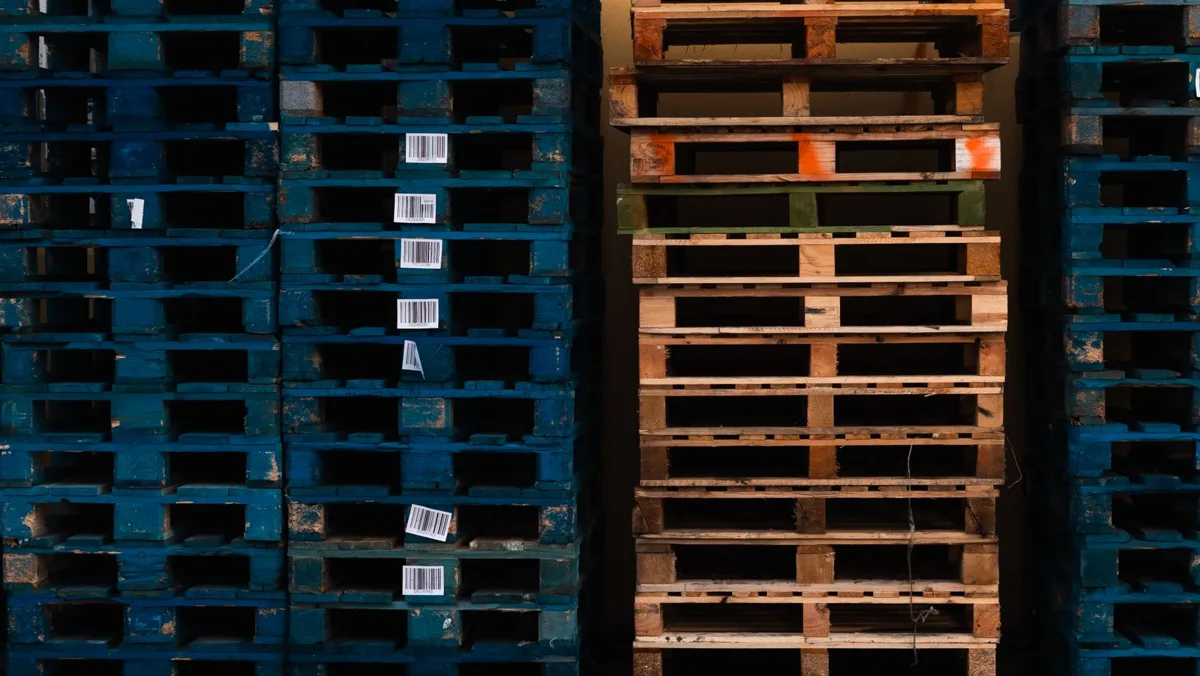
When choosing between HT and MB, two questions help. A newly built pallet not yet loaded, going to several markets, or for a customer who asks for no chemicals, should use HT. A pallet already built together with the goods, where the whole load must be treated in the yard, can still use MB as a valid choice, provided it gets the full 24 hours, the right dose for the temperature and a certificate. Wooden pallets from ICD Vietnam for export cargo are treated and marked with the IPPC stamp under ISPM 15 through a licensed treatment provider; customers should state the destination market and the partner’s requirements when ordering so the right method is chosen.
What Should You Watch for When Using MB-marked Pallets?
MB-marked pallets can still be used normally to support goods in the warehouse and for export, but should not be recycled into furniture or toys or burned as firewood. The MB mark shows that the wood has been exposed to a toxic chemical, and when burned, chemically treated wood can produce toxic smoke, so the safest course is not to bring this wood into homes, food processing areas or children’s play areas.
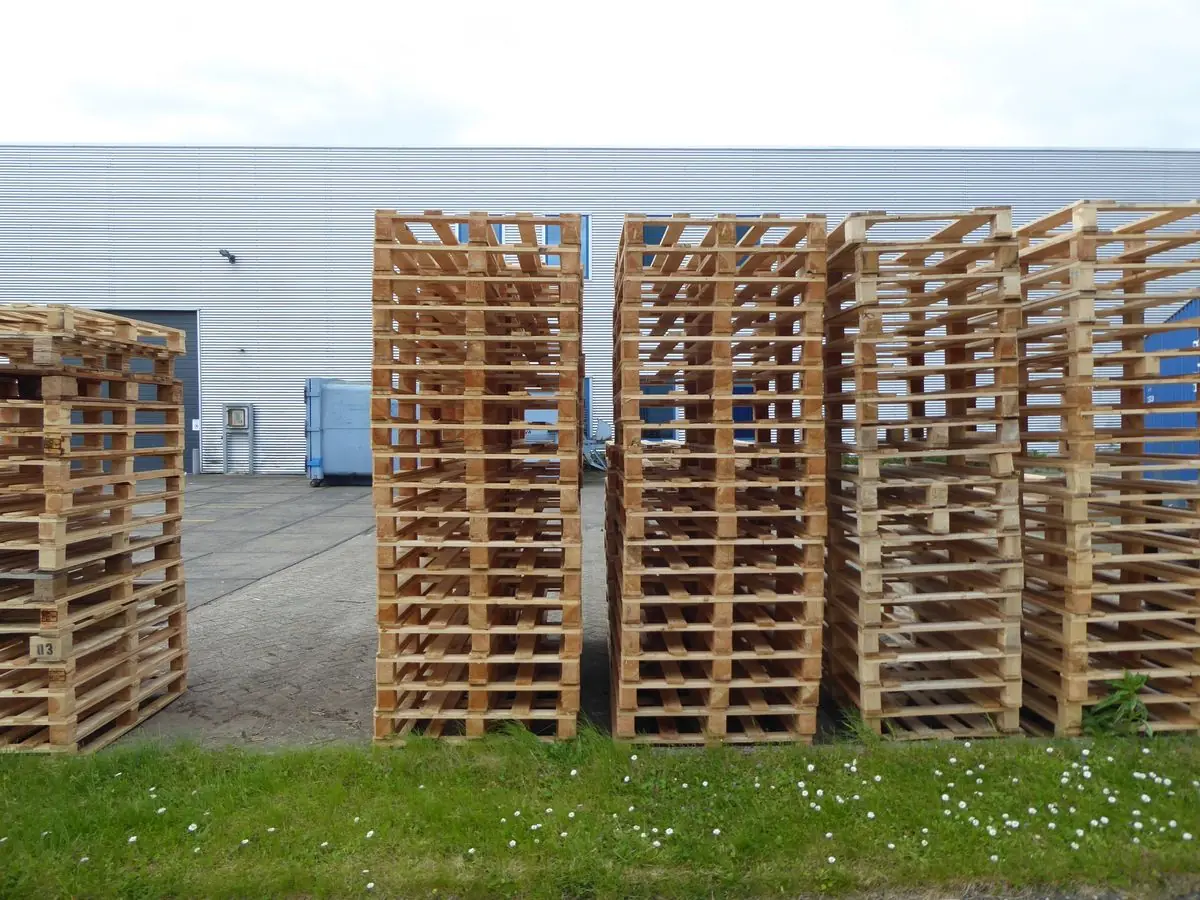
For a company, there are three things worth doing. Check that the IPPC mark is clear and has the country code, facility code and method code before loading. Keep the fumigation certificate with the lot’s document set, as it is the evidence when customs in the destination country asks. And consider gradually moving to HT for regular shipments, because the direction of both the IPPC and many markets is to reduce the use of methyl bromide.
In short, methyl bromide is still a valid method for wooden pallets to meet ISPM 15, but it is a poison, it destroys the ozone layer and its use is steadily narrowing. Exporters should understand the destination market’s rules, prefer heat treatment where possible and only work with fumigation providers that hold a practising certificate.
Frequently Asked Questions
What is methyl bromide?
Methyl bromide (CH3Br, bromomethane) is a fumigant gas used to kill fungi, insects, weeds, nematodes and rodents. It is colourless, almost odourless at low concentrations and highly toxic to people.
How is a wooden pallet treated with methyl bromide marked?
The pallet is stamped with the IPPC mark, made up of the wheat-ear symbol, country code and treatment facility code (for example VN-xxx), plus the method code MB. The mark must be legible, durable and on at least two opposite sides of the pallet.
Why do export wooden pallets need methyl bromide treatment?
Export wooden pallets must be treated under ISPM 15 to kill pests in the wood. Methyl bromide is one of four accepted methods, alongside heat treatment (HT), dielectric heating (DH) and sulfuryl fluoride (SF); using MB is not mandatory.
Is methyl bromide banned in Vietnam?
Not outright. Since 1 January 2015 Vietnam has phased out methyl bromide for purposes other than quarantine and export fumigation; the substance may only be imported for fumigation and is managed under Decree 06/2022/ND-CP.
Can MB-marked pallets be exported to Europe?
Yes, as far as the rules go. The EU bans using methyl bromide within EU territory but still accepts imported wood packaging that has been heat treated or fumigated under ISPM 15 and carries a compliant mark. In practice many European importers ask for HT, so ask your partner first.
What is the chemical formula of methyl bromide?
Methyl bromide has the formula CH3Br: one carbon atom bonded to three hydrogen atoms and one bromine atom. Its vapour is about 3.4 times heavier than air and it liquefies below about 3.6 °C.
Should export wooden pallets use heat treatment (HT) or methyl bromide (MB)?
Prefer HT for newly built pallets: no chemicals, accepted by the countries applying ISPM 15 and less likely to be questioned by partners. MB suits cases where pallets already built together with the goods must be treated, provided the fumigation lasts a full 24 hours at the right dose for the temperature.
Contact ICD Vietnam
If you need wooden pallets for an export shipment, already treated and marked with the IPPC stamp under ISPM 15: ICD Vietnam has a manufacturing workshop, a Hanoi warehouse and a southern workshop, and quotes by size, load rating and quantity (price: contact for a quote).
- North: 0983 797 186 / 090 345 9186.
- South: 098 6784 186; southern workshop: 551/212 Le Van Khuong Street, Tan Thoi Hiep Ward, District 12.
- Email: sales@icdvietnam.com.vn.
References
- Methyl bromide in the list of controlled substances: UNEP Ozone Secretariat, Montreal Protocol.
- Fumigation parameters for MB, HT, DH, SF: IPPC, ISPM 15 Regulation of wood packaging material in international trade, Annex 1.
- Exposure limits, physical and chemical properties: NIOSH Pocket Guide to Chemical Hazards: Methyl bromide (CDC).
- Symptoms of poisoning: Bromomethane, Medical Management Guidelines (ATSDR).
- Vietnam’s phase-out of methyl bromide: Department of Climate Change, Ministry of Agriculture and Environment.
- Methyl bromide imported only for fumigation: Ministry of Industry and Trade, Vietnam’s contributions in nearly 30 years of implementing the Montreal Protocol.
- EU rules on ozone-depleting substances: Regulation (EU) 2024/590 (replacing Regulation (EC) 1005/2009), EUR-Lex.
- Requirements for wood packaging entering the EU: European Commission, Requirements for wood packaging and dunnage.
- Practising certificate for treating objects subject to plant quarantine: Department of Crop Production and Plant Protection, reply on the Chinh sach online portal, 17 April 2026.