Table of Contents
- Acacia (Tram Wood) - The King of Vietnam’s Pallet Industry
- Pine for Pallets - When Is the Higher Price Worth It?
- Rubber Wood - A Premium Choice from the South
- Pressed Wood (Plywood) - Exempt from Fumigation, Best for One-Way Export
- Comparison Table of the 4 Pallet Woods
- What Moisture Level Is Acceptable for Pallet Wood?
- How to Choose Pallet Wood for Each Purpose
- 3 Common Mistakes When Choosing Pallet Wood
- Cheap Pallet Wood - How to Save Without Losing Quality
- Conclusion
- Frequently Asked Questions
- Which wood makes the most durable pallets?
- Is pine good for pallets?
- Why is acacia the most used wood for pallets in Vietnam?
- Is pressed wood the same as plywood?
- Does ICD Vietnam supply pallets in all 4 woods?
- What wood is used for pallets?
- What moisture does pallet wood need?
- Is tram wood good for pallets?
- Contact ICD Vietnam
- References
Reviewed and updated by ICD - Week 43/2026
The most common wood for pallets in Vietnam is acacia, followed by pine, rubber wood and pressed wood (plywood). Acacia is cheap and easy to buy for domestic warehouses; pine is light for cargo where weight matters; rubber wood has a smooth surface for clean industries; pressed wood needs no ISPM 15 treatment when exported. Whichever you choose, natural wood should be dried below 20% moisture to limit mould.
Quick summary:
- The 4 most common pallet woods in Vietnam are acacia (called tram in the trade), pine, rubber wood and pressed wood (plywood).
- Acacia is the most used for domestic wooden pallets thanks to low prices and plentiful plantation supply.
- Imported pine is the lightest of the three natural woods, suiting cargo where weight must be cut, but it costs more than acacia.
- Choosing the wrong wood for the purpose can raise pallet cost considerably without better quality.
The wood you choose affects price, lifespan and load capacity directly, because wood is the largest cost of a pallet. In Vietnam, the four woods used most to build pallets are acacia (tram), pine, rubber wood and pressed wood (plywood).
Each has clearly different physical properties, price and range of use. This article looks at each wood from a manufacturer’s practical viewpoint, helping companies choose the best material for storage, transport and export.
In more than 15 years making pallets at ICD Vietnam, I have met quite a few companies that chose expensive imported pine for warehouse pallets, when cheaper acacia would have met the requirement just as well.
The reverse also happens: some companies used cheap mixed wood for export pallets to the EU, and the shipment was held at the port because the pallets had not been treated correctly under ISPM-15. Understanding each wood helps you avoid costly mistakes like these.
Acacia (Tram Wood) - The King of Vietnam’s Pallet Industry
Acacia is the wood most used for pallets in Vietnam. That position comes from a mix of low cost, steady plantation supply and mechanical properties that suit most companies.
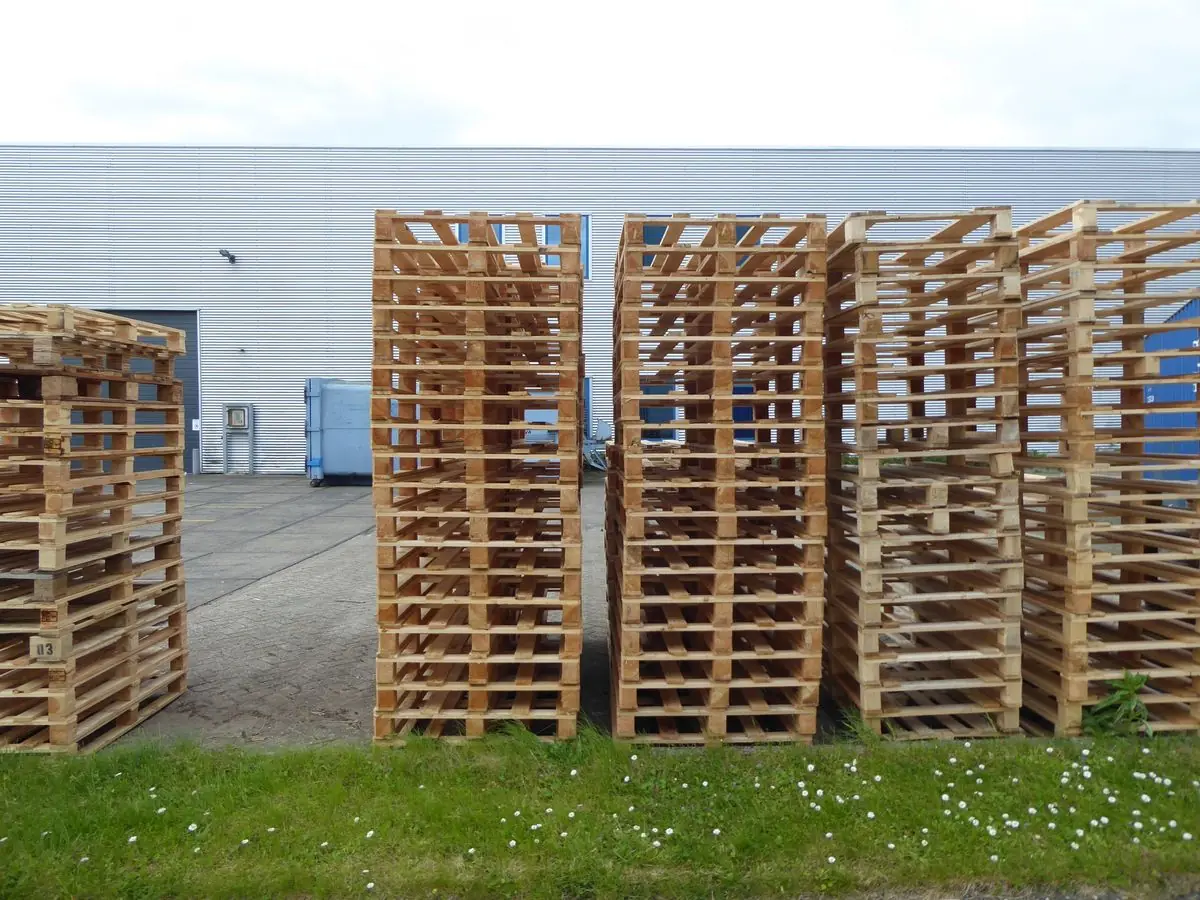
Acacia is the most common plantation tree in the northern and central provinces of Vietnam, with a harvest cycle of only 5-7 years. Fast growth means plentiful supply and a low raw material price.
Technically, acacia has a density of 550-650 kg/m3, which puts it in the medium-hard group, and it carries load well once dried properly. Sawn acacia dries quickly and is not prone to mould under normal storage.
Acacia does have one drawback that everyone in the trade knows: many knots and eyes. This is a natural trait of the species. So why is it still the most used? The answer lies in how manufacturers deal with the drawback.
When the wood is sawn, boards are graded: boards with few knots are kept for pallets, while boards with many knots are usually sold as chip or paper raw material. This keeps pallet quality up while using almost all of the log, so little is wasted.

Pine or rubber wood cost more, and if poor boards were rejected the manufacturer would take a loss; this is why acacia always gives the most competitive wooden pallet price.
Acacia pallets suit best: domestic warehouse storage, supporting goods in factories, sea export (after ISPM-15 treatment), and applications that need large quantities on a limited budget.
Acacia pallet prices are quoted by size, design and quantity; contact ICD Vietnam for a quote per lot.
Pine for Pallets - When Is the Higher Price Worth It?
Pine is the wood most widely used for pallets in Europe and North America.
In Vietnam, pine is not a native pallet wood: most pine pallets you see on the market arrive with imported goods or are built from imported pine.
Pine grown in Vietnam (mainly in Lam Dong and Nghe An) is usually small, crooked and full of knots, and does not meet the standard for large-scale industrial pallet production.
The standout feature of pine is its light weight: imported pine has a density of about 400-550 kg/m3, lower than acacia (550-650 kg/m3).
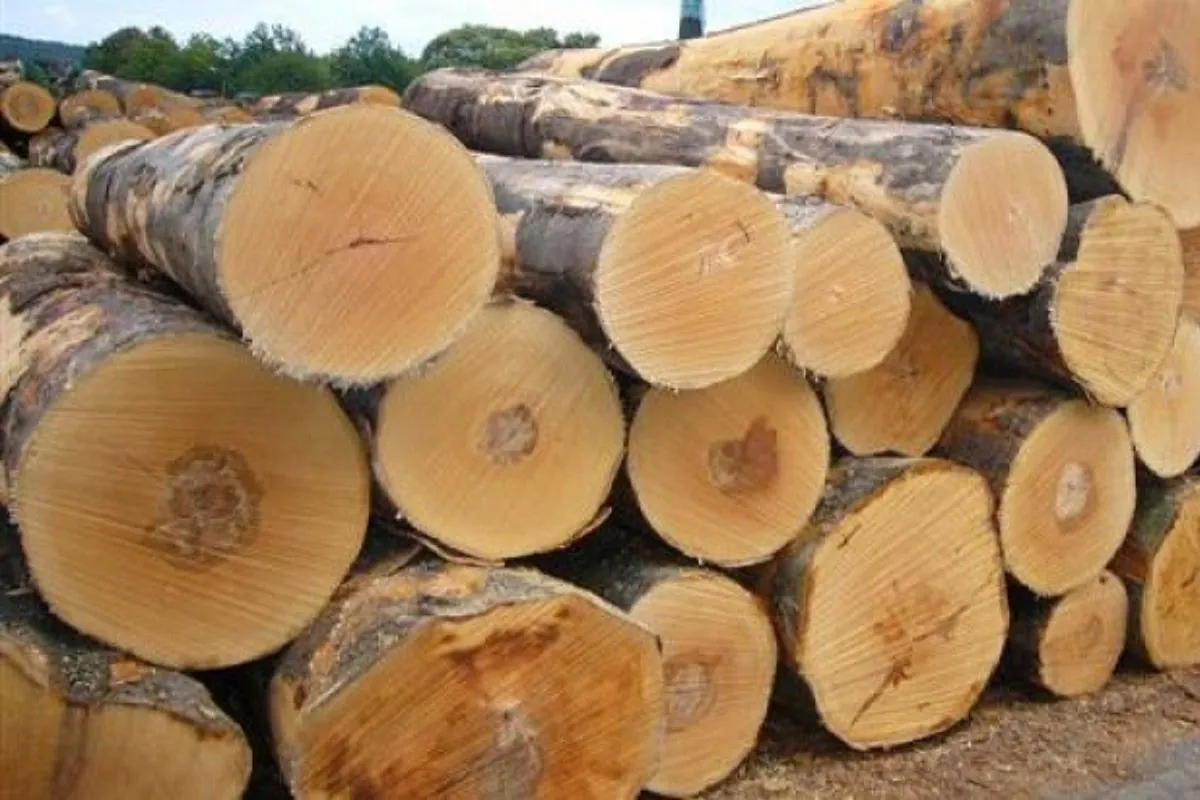
With the same structure and the same volume of wood, this density gap makes an imported pine pallet about 20% lighter than an acacia pallet. A pallet weighing 30 kg in acacia would weigh about 24 kg in imported pine, about 6 kg lighter each. Multiplied across a few dozen pallets in a shipment, the tare weight saved is considerable, especially for air freight, where cost is charged per kg.
Besides being light, pine looks better: pale colour, attractive grain and fewer knots than acacia. Pine also contains natural resin that gives fairly good moisture resistance once dried.
The biggest drawback of pine for pallets in Vietnam is a higher price than acacia because it depends on imports. Pine boards are also softer than acacia, so load capacity is lower at the same board thickness.
So when should you choose pine? When exporting light cargo by air or when a foreign customer specifically asks for this wood (many EU and US markets are used to pine pallets). New pine pallet prices are quoted by size and quantity; contact ICD Vietnam for a quote.
Rubber Wood - A Premium Choice from the South
Rubber wood is salvaged from rubber plantations that have finished their latex cycle; it has a hard, smooth surface and a density of about 595 kg/m3, suiting industries that need a clean surface; its weakness is poor natural durability, so it must be treated and dried against borers.
Rubber wood is typical of Vietnam’s Southeast and Central Highlands. When a rubber tree reaches the end of its latex cycle (usually after 25-30 years), the trunk is used to make furniture and pallets.
This is an important difference: rubber wood for pallets is “retired” wood, taken after the tree has delivered its main economic value in latex, so supply depends on the replanting schedule of rubber plantations.
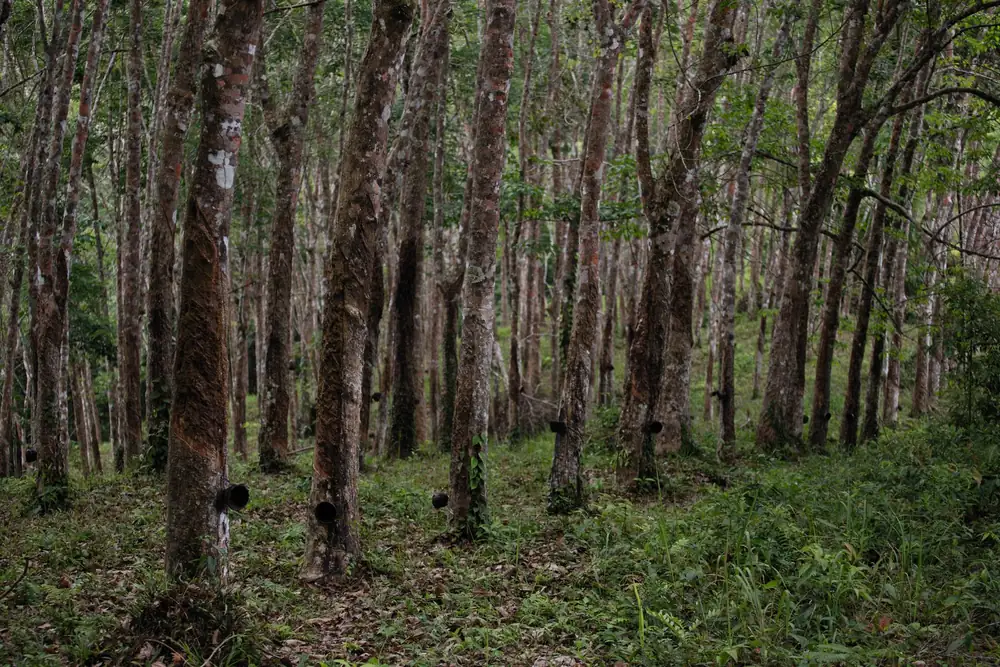
Technically, rubber wood has an average dry density of about 595 kg/m3, ranging 560-640 kg/m3 (per The Wood Database and the US Forest Products Laboratory), similar to acacia and heavier than most imported pine. It carries load well and its hard surface resists dents. The surface is smooth, with far fewer knots than acacia, an even colour and a gentle grain.
Because of these traits, rubber wood usually goes to furniture (higher value), and using it for pallets in practice means using the part that falls short of furniture standard, which is still very good for industrial use.

Rubber wood pallets are well regarded in food, pharmaceuticals and electronics thanks to a smooth, easy-to-clean surface with no sharp splinters.
There is one drawback to note: The Wood Database places rubber wood in the poor natural durability group, prone to rot, discolouration by fungi and insect attack. The wood is easily bored if it has not gone through HT heat treatment or proper vacuum impregnation and drying. To be clear: HT heat treatment kills organisms in the wood at the time of treatment, while long-term resistance to borers comes from impregnation and drying.
Rubber wood pallets usually cost more than acacia because they need more thorough treatment and drying; in return, a pallet that is treated and stored correctly has a durable surface with few splinters.
Pressed Wood (Plywood) - Exempt from Fumigation, Best for One-Way Export
Unlike the three natural woods above, pressed wood (presswood) and plywood are industrial materials made from wood chips or thin wood layers pressed under high heat and pressure.
The biggest advantage of pressed wood pallets is that they need no ISPM-15 treatment for export, if the whole pallet is made from wood processed with glue, heat and pressure; ISPM 15 excludes these materials from its scope, so no IPPC mark is needed.
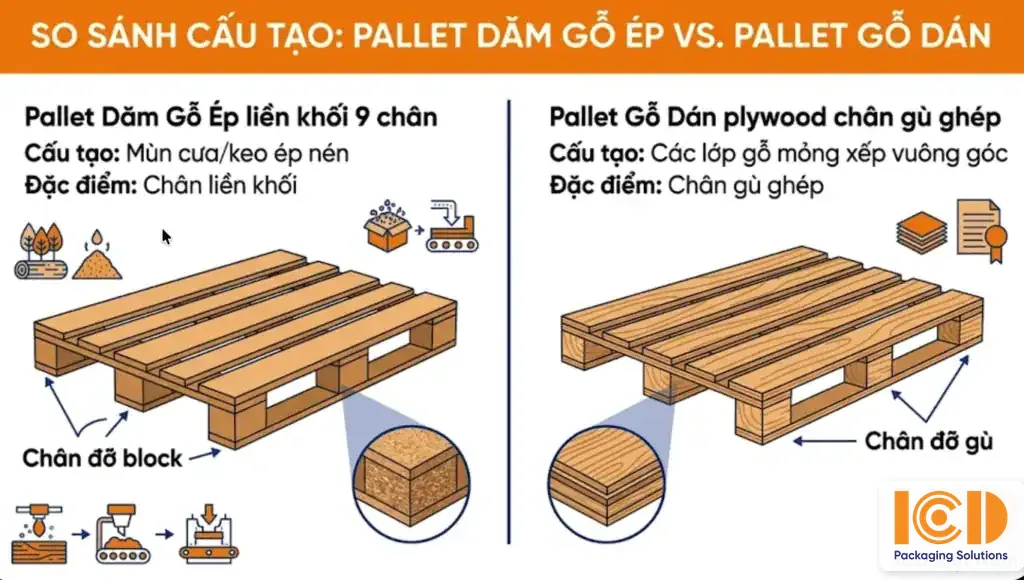
Pressed wood pallets are usually lighter and cheaper than natural wood pallets of the same size, and can be nested together when not in use to save warehouse space.
The drawbacks are also clear: poor water resistance (they swell when wet), lower load capacity than solid wood, and fewer reuse cycles than natural wood pallets.
Pressed wood pallets suit light one-way export best (the pallet is not recovered), where low pallet cost and saved fumigation time are the priority.
Comparison Table of the 4 Pallet Woods
The table below pulls together the traits analysed above so companies can quickly pick the right wood. Density follows The Wood Database, PROSEA and TCVN 12619-2:2019; the remaining criteria are relative comparisons among the 4 types.
| Criterion | Acacia (tram) | Pine | Rubber wood | Pressed wood / plywood |
|---|---|---|---|---|
| Density (kg/m3) | 550-650 | 400-550 (imported pine) | 560-640 (average 595) | 500-600 |
| Weight versus an acacia pallet of the same structure | Benchmark | About 20% lighter | Similar | Lighter, thin pressed structure |
| Load capacity | Good | Lower than acacia at the same section | Similar to or higher than acacia | Lowest of the 4 types |
| Price | Contact for a quote | Contact for a quote | Contact for a quote | Contact for a quote |
| ISPM-15 treatment needed for export? | Yes | Yes | Yes | No, if made entirely from processed wood |
| Natural durability | Needs drying to avoid mould | Needs drying | Poor, must be treated against borers | Poor when wet |
| Supply in Vietnam | Very plentiful (North and Central) | Limited (mostly imported) | Plentiful (South) | Plentiful |
| Moisture resistance | Medium | Fair | Poor (needs treatment) | Poor |
| Surface | Many knots | Smooth, attractive grain | Smooth, few knots | Flat, uniform |
What Moisture Level Is Acceptable for Pallet Wood?
Pallet wood should reach below 20% moisture before building. According to the Wood Handbook of the US Forest Products Laboratory on the biological properties of wood, wood must be dry below 20% to control mould and discolouration; decay fungi only grow strongly when moisture passes the fibre saturation point, around 30%, at 10-35°C.
It helps to separate drying from ISPM 15 treatment: HT heat treatment only requires the wood core to reach 56°C for 30 minutes to kill pests and does not require a specific moisture level. A pallet with an HT mark can still be damp and mouldy if the wood was never dried or was left out in the rain.
| Treatment step | Purpose | What you can measure | Can it replace the other step? |
|---|---|---|---|
| Air drying | Reduce moisture in sawn wood before building | Moisture falls gradually with the weather | Cannot replace kiln drying when stable moisture is needed |
| Kiln drying (KD) | Bring wood to a target moisture, usually below 20% | Moisture read with a wood moisture meter | Does not replace ISPM 15 unless the mark is applied |
| HT heat treatment (ISPM 15) | Kill insects and nematodes in the wood | Wood core 56°C for 30 minutes, HT mark | Does not guarantee the wood is dry |
| MB fumigation (ISPM 15) | Kill pests with methyl bromide | MB mark, fumigation certificate | Does not dry the wood |
On receiving pallets, use a handheld wood moisture meter to measure a few boards at random in the middle of the stack (where wood dries slowest). If you need pallets for a long container trip or a cold store, state the maximum moisture in the order. The moisture figures follow the Wood Handbook of the US Forest Products Laboratory (USDA); see the References section.
How to Choose Pallet Wood for Each Purpose
The general rule is to choose wood by where the pallet will go and how many times it will be reused; I sum it up in 5 rules any company can apply right away.
Rule 1, domestic storage, cargo over 1 tonne per pallet: choose acacia. It has the best price-to-performance ratio, because acacia carries load well, is cheap and has stable supply all year. Knots matter little, since storage pallets put function ahead of looks.
Rule 2, sea export, heavy cargo: choose acacia or rubber wood, then treat to the ISPM 15 standard. Treatment is only a small part of the pallet price and is minor against the value of the shipment.
Rule 3, light cargo under 1 tonne, one-way export: choose pressed wood. This skips ISPM-15 treatment, cuts weight and removes the need to recover pallets. Rule 4, air freight or a customer who asks for pine: choose pine, since light weight cuts freight and offsets the higher pallet price.
Rule 5, food and pharmaceuticals needing a clean surface: choose rubber wood or pressed wood. A smooth, low-splinter, easy-to-clean surface helps plants meet hygiene requirements under HACCP and GMP.

3 Common Mistakes When Choosing Pallet Wood
The mistake I see most often is a company choosing imported pine for a long-term storage pallet. Pine costs more than acacia and has lower load capacity at the same board thickness.
The main reason people choose pine is its light weight, but when the pallet sits still in a warehouse, light or heavy makes no difference. The company is paying extra for an advantage it does not use.
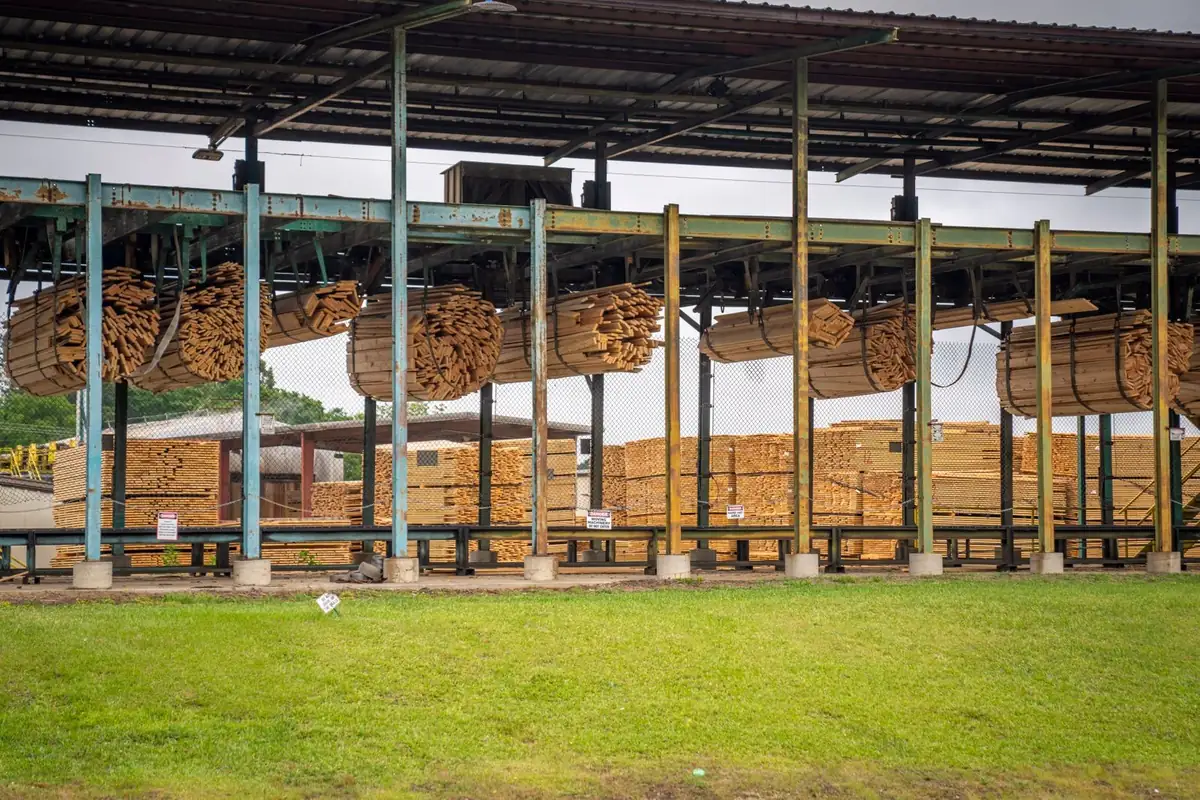
The second mistake is using mixed wood (forest wood of unknown species) for export pallets. Mixed wood is very cheap but uneven in quality: some boards hard, some soft, so the pallet does not reach its design load.
More seriously, mixed wood can include rare species on controlled lists, causing legal trouble when forest rangers inspect.
The third mistake is choosing pressed wood for pallets that must be reused many times. Pressed wood pallets are designed for few cycles and then wear out fast. If a company needs pallets that circulate dozens of times internally, investing in acacia pallets from the start usually gives a lower total cost of ownership than replacing pressed wood pallets again and again.
Cheap Pallet Wood - How to Save Without Losing Quality
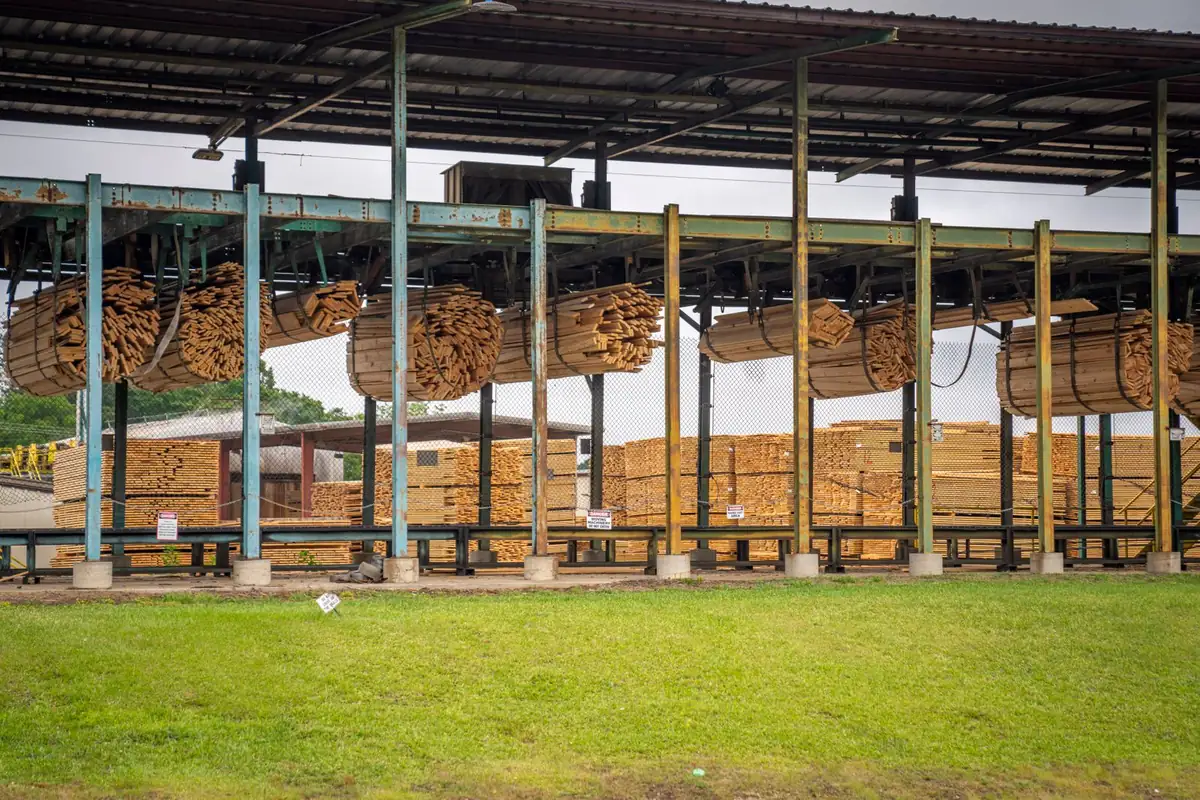
The real way to save is to compare cost per month of use (total cost of ownership, TCO), not just the unit price of each pallet. For example, a mixed wood pallet lasts 6 months and fails, while a grade A acacia pallet costs 2.4 times as much to buy but lasts 36 months. Dividing purchase price by months of use, the grade A acacia pallet costs about 60% less per month even though the purchase price is higher.
The calculation above only divides purchase price by months of use. In a real comparison, also add replacement cost, re-handling labour and the risk of damaged goods when a pallet breaks midway.
To get truly cheap pallet wood, a company can apply 3 approaches. First, order in large quantities to get volume discounts. Second, use grade B acacia (boards with a few knots but still stiff enough) in place of grade A to cut the price while load capacity barely changes. Third, consider used pallets that are still in good condition, usually priced at about half to two thirds of a new pallet of the same size, suitable for short-term storage.
Conclusion
No single pallet wood is “the best” for every situation, only the wood that fits each need. Acacia is the default choice for most companies thanks to low price and good load capacity.
Pine suits air export or cases where the lowest weight is needed. Rubber wood fits food and pharmaceuticals that need a clean surface. Pressed wood is best for one-way export of light cargo where fumigation time should be saved.
Contact ICD Vietnam for advice on choosing the right wood for your purpose and for a quote per lot.
Frequently Asked Questions
Which wood makes the most durable pallets?
There is no single most durable wood for every case. Acacia and rubber wood have hard surfaces and carry load better than imported pine and pressed wood, but rubber wood has poor natural durability, so it lasts only when treated and dried properly. If the pallet is used only once for export, cheaper pressed wood still meets the need. The choice depends on the purpose, not absolute durability.
Is pine good for pallets?
Pine is good for certain cases: light air export, pallets that need good looks (attractive grain), or when a foreign customer specifies the wood. Outside these cases, acacia is usually the better choice in Vietnam thanks to a lower price and better load capacity.
Why is acacia the most used wood for pallets in Vietnam?
Three main reasons: the cheapest raw material thanks to plentiful plantation supply, good load capacity that meets most needs, and knotty boards rejected during selection can be sold as chip or paper raw material instead of being wasted. These three factors give acacia the best price-to-performance ratio for large-volume pallet production.
Is pressed wood the same as plywood?
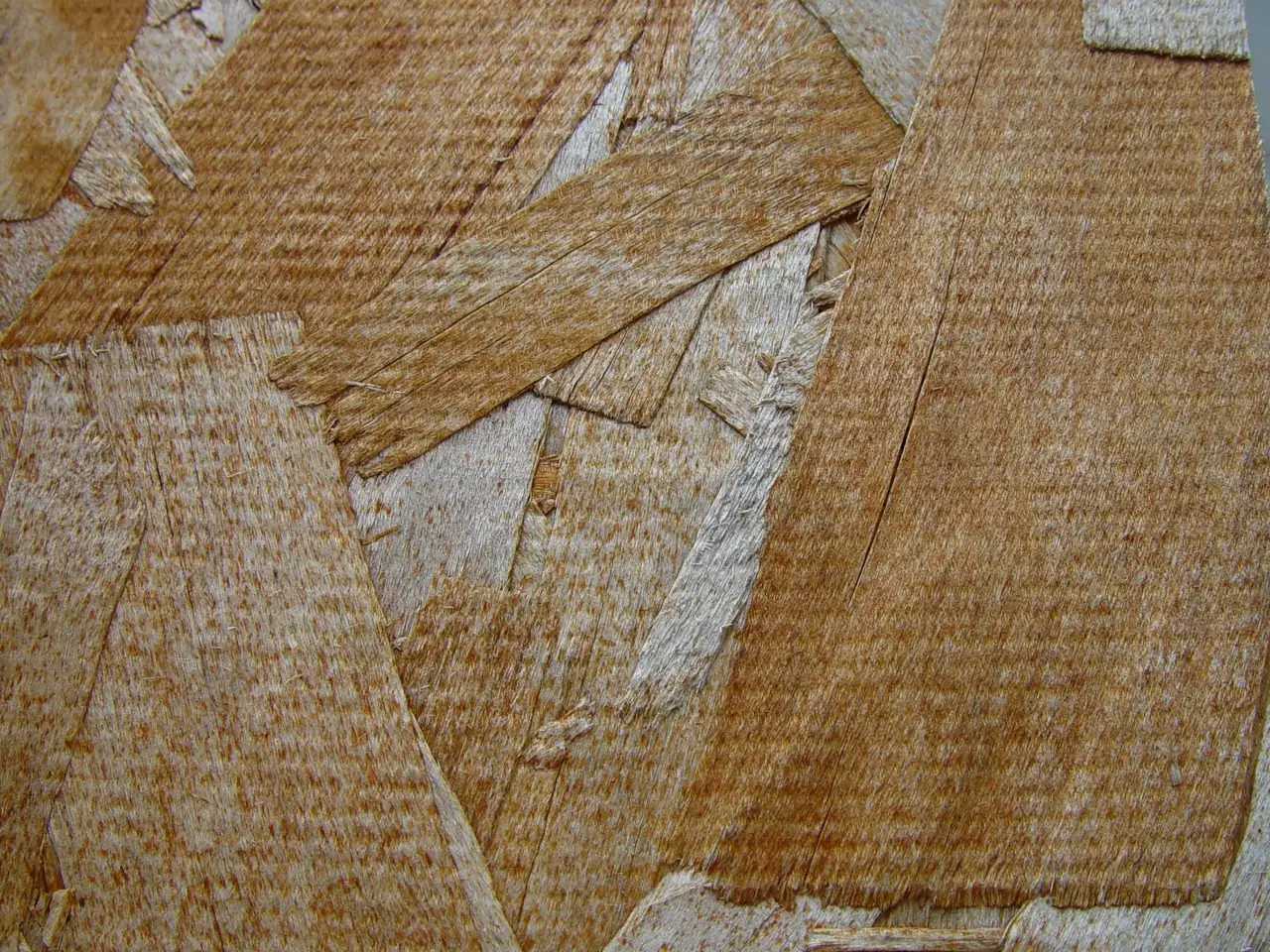
Pressed wood (presswood) and plywood are both engineered wood but differ in material and structure. Pressed wood is made from finely ground chips pressed in a mould, with a smooth surface and no grain. Plywood is made from thin layers (veneer) laid at right angles, keeps a natural grain and is stronger. Pallets made entirely from these two materials need no ISPM-15 treatment for export.
Does ICD Vietnam supply pallets in all 4 woods?
Yes. ICD Vietnam supplies acacia, pine, rubber wood and pressed wood pallets, for both domestic storage and export cargo; export pallets are treated and marked with the IPPC stamp under ISPM-15 through a licensed provider. The technical team advises on the right wood by use, load, quantity and budget.
What wood is used for pallets?
In Vietnam, pallet wood is mainly plantation acacia, plus pine (mostly imported), rubber wood salvaged after the latex cycle, and pressed wood and industrial plywood. Each differs in weight, price and treatment needed for export.
What moisture does pallet wood need?
It should be below 20%. According to the US Forest Products Laboratory, wood dry below 20% moisture limits mould and discolouration. ISPM 15 heat treatment does not replace drying, so state the maximum moisture when ordering pallets.
Is tram wood good for pallets?
The wood the pallet trade calls tram is usually Acacia auriculiformis, an acacia with a density of 490-840 kg/m3, strong enough for domestic warehouses and sea export after ISPM 15 treatment. The point to control is drying enough to avoid shrinkage and cracked boards.
Contact ICD Vietnam
ICD Vietnam has a workshop and warehouse in Hanoi and a southern workshop at 551/212 Le Van Khuong Street, Tan Thoi Hiep Ward, District 12, Ho Chi Minh City, supplying acacia, pine, rubber wood and pressed wood pallets for storage and export cargo; export pallets are treated and marked with the IPPC stamp under ISPM-15 through a licensed provider. Orders are processed within 1-2 working days; delivery takes 1-3 days within Hanoi and Ho Chi Minh City, 2-5 days between regions and 3-7 days to other provinces under the shipping policy. Wooden pallets carry no warranty and can be returned within 7 days under the return policy; volume discounts apply.
- North: 0983 797 186 / 090 345 9186 / 090 5859 186.
- South: 098 6784 186.
- Email: sales@icdvietnam.com.vn.
- Zalo: 090 345 9186.
References
- Density, hardness and natural durability of rubber wood: The Wood Database, Rubberwood (Hevea brasiliensis).
- USDA Forest Products Laboratory, Rubberwood technical sheet.
- Density of Acacia auriculiformis: PROSEA, Acacia auriculiformis.
- Scope of ISPM 15 and heat treatment: International Plant Protection Convention (IPPC), list of ISPMs.
- Moisture threshold below 20% for mould control: Ibach, Biological Properties of Wood, Wood Handbook chapter 5, USDA Forest Products Laboratory (2013).
- Management and traceability of forest products: Circular 26/2025/TT-BNNMT, Ministry of Agriculture and Environment, effective 1 July 2025 (Government Gazette).
- TCVN 12619-2:2019 Wood - Classification - Part 2: By physical and mechanical properties.