Table of Contents
- Common wooden pallet types for export to Europe
- Quarantine requirements and paperwork for wooden pallets entering the EU
- Difficulties and costs
- European markets and industries that use wooden pallets
- Conclusion
- Frequently asked questions
- Which wooden pallet is most common for exports to Europe?
- Which standard must wooden pallets meet when exported to Europe?
- Why must wooden pallet rules be followed exactly when exporting to Europe?
- Can pallets fumigated with methyl bromide be exported to Europe?
- Do pressed-wood pallets going to Europe need fumigation?
- Do I need a fumigation certificate for pallets when shipping to Europe?
- Can a repaired pallet be used for goods going to the EU?
- Contact ICD Vietnam
- References
Reviewed and updated by ICD - Week 43/2026
Wooden pallets going to Europe must be made from debarked wood, treated under ISPM 15 (usually heat treatment, HT, with the core of the wood held at 56 °C for 30 minutes) and carry a valid IPPC mark. The EU checks that mark at the port of entry. The most common size is the 1200 x 800 mm Euro pallet, and the EPAL version has a safe working load of 1,500 kg.
Wooden pallets are close to unavoidable when you ship goods to Europe. Choosing the right pallet and meeting the quarantine rules is what keeps a consignment from being held at the port or hit with unplanned costs. The sea route to Europe crosses several climate zones, so exporters often add desiccant for export containers to protect the cargo.
This article focuses on the EU market: the pallet types you will meet, the quarantine requirements, the faults that most often get pallets held, and a checklist to run before the container is packed. The general rules for exporting wooden pallets to any market, including the paperwork when the pallets themselves are the export, are covered in a separate article.
Common wooden pallet types for export to Europe
Four groups come up most often: EPAL/EUR pallets at 1200 x 800 mm, EPAL pallets at 1200 x 1000 mm, CP chemical pallets, and one-way pallets built to the size of the cargo. They differ in size, in who licenses the mark, and in whether the pallet can be exchanged inside the European pallet system. All of them must meet ISPM 15 when they are made of natural wood.
Pallet EPAL Euro (EPAL 1)
The EPAL Euro pallet measures 1200 x 800 x 144 mm, and its specification and production licences are managed by the European Pallet Association (EPAL). According to EPAL, each pallet has 11 boards, 9 blocks and 78 nails, weighs about 25 kg and has a safe working load of 1,500 kg; when loaded pallets are stacked on a flat floor, the bottom pallet can carry up to 5,500 kg. The boards are 22 - 24 mm thick, the bottom boards are chamfered along the upper edge of the two long sides, and poplar is not allowed for the stringer boards.
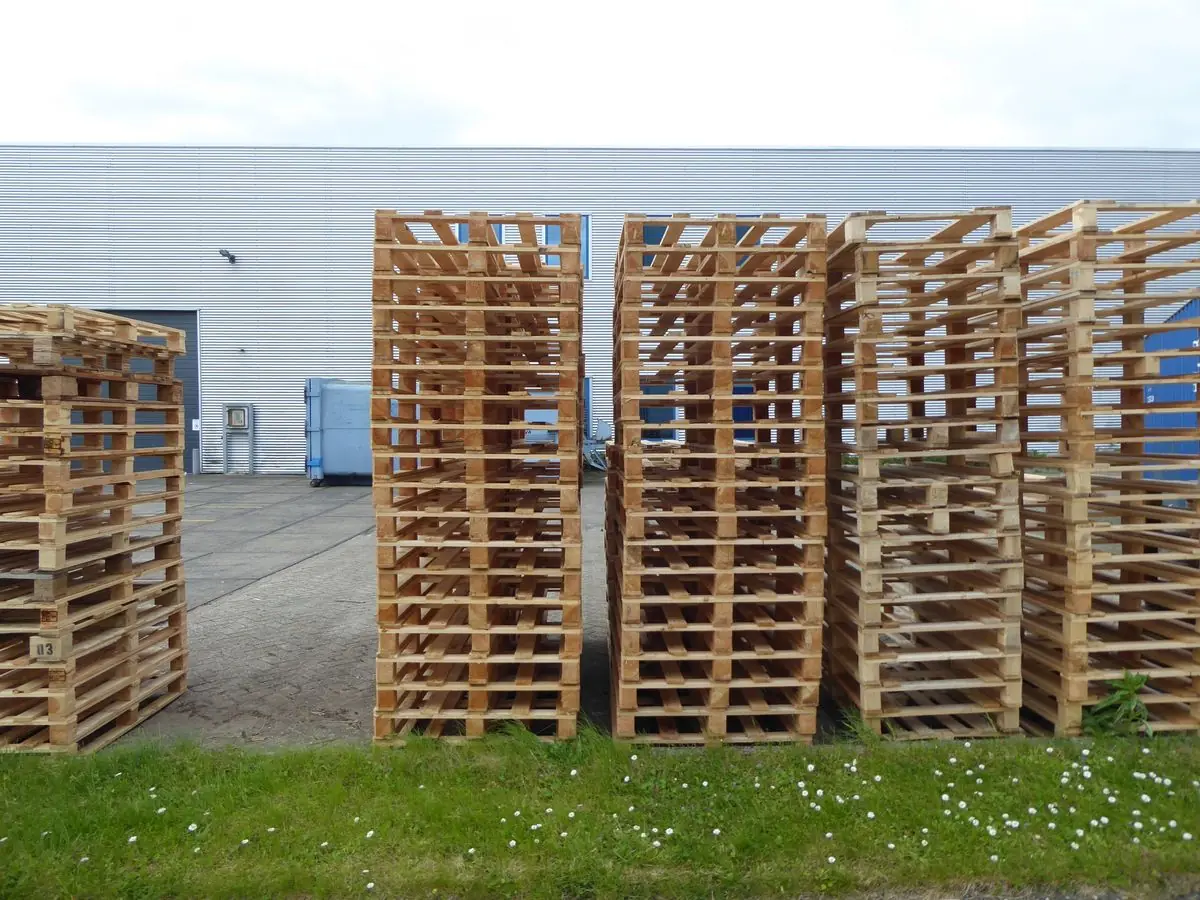
Since 1 January 2010, every newly built EPAL Euro pallet has been heat treated under ISPM 15, and EPAL prohibits methyl bromide fumigation for pallets carrying its mark, repaired pallets included. Since 1 August 2013, the word EPAL inside an oval has been branded on all corner blocks, while the middle block carries the IPPC mark with the HT code, the manufacturer’s licence number and the year and month of production. This pallet is widely used in food, beverages and retail supply chains.
Pallet EUR
The EUR pallet has the same 1200 x 800 mm footprint and the same construction as the EPAL Euro pallet, because both derive from technical leaflet UIC 435-2 of the International Union of Railways. The difference lies in the marking and the licensing body: the EUR mark inside an oval belongs to the railway system (UIC), while the EPAL mark belongs to the European Pallet Association. A EUR pallet must also meet the same requirements for size, quality and ISPM 15 treatment as an EPAL pallet.
EPAL 2 and EPAL 3 pallets, 1200 x 1000 mm
The 1200 x 1000 mm footprint is used to move and store heavy goods in industrial production. EPAL 2 is 162 mm high; EPAL 3 is 144 mm high and is lifted from the other direction. Both must also carry the IPPC mark and comply with ISPM 15.
Pallet GMA (48 x 40 inch)
The GMA pallet, 48 x 40 inches (1219 x 1016 mm), is the standard in North America. In Europe this size is much less common than EPAL and mostly appears when the buyer’s supply chain also touches the North American market.
The table below summarises the pallet sizes mentioned in this article so you can check them quickly against the buyer’s requirements:
| Pallet type | Size (mm) | Main market | Notes |
|---|---|---|---|
| EPAL 1 (Euro) | 1200 x 800 x 144 | Europe | Safe working load 1,500 kg (EPAL) |
| EPAL 2 | 1200 x 1000 x 162 | Europe | Industrial size |
| EPAL 3 | 1000 x 1200 x 144 | Europe | Same footprint as EPAL 2, lifted from the other direction |
| EPAL 6 (half pallet) | 800 x 600 x 144 | European retail | Used for display shelves |
| GMA | 1219 x 1016 | North America | Rarely used in Europe |
| CP1 | 1000 x 1200 x 138 | European chemical industry | One of nine sizes, CP1 to CP9 |
When an order simply says “Euro pallet”, ask the buyer whether they need a pallet with the EPAL mark (part of the exchange system) or just a one-way pallet with the same 1200 x 800 mm footprint, because price and inspection requirements differ.
CP chemical pallets
CP pallets come in nine sizes, CP1 to CP9, designed for the European chemical and plastics industries, where goods usually travel in sacks, drums or IBC containers. A CP pallet made of natural wood must also be treated and marked under ISPM 15 when it travels with goods into the EU.
Asian-standard wooden pallet
The Asian-standard pallet, 1200 x 1000 mm, is widely used across Asia-Pacific and in some European industries, though far less common than EPAL. Designs vary, and it suits retail chains and warehouses; when shipped to Europe it must still meet ISPM 15.
Light wooden pallets and one-way pallets
A light wooden pallet built to the size of the cargo is used for light goods and usually makes only one trip. It does not need an EPAL mark but must still meet ISPM 15 like any other natural-wood pallet.
Quarantine requirements and paperwork for wooden pallets entering the EU
A wooden pallet travelling with goods into the EU must meet three conditions: the wood is debarked, it has gone through a treatment recognised by ISPM 15, and it carries a valid ISPM 15 mark. The EU inspection system relies on the mark on the pallet, not on a separate certificate for wood packaging.
The four treatments under ISPM 15
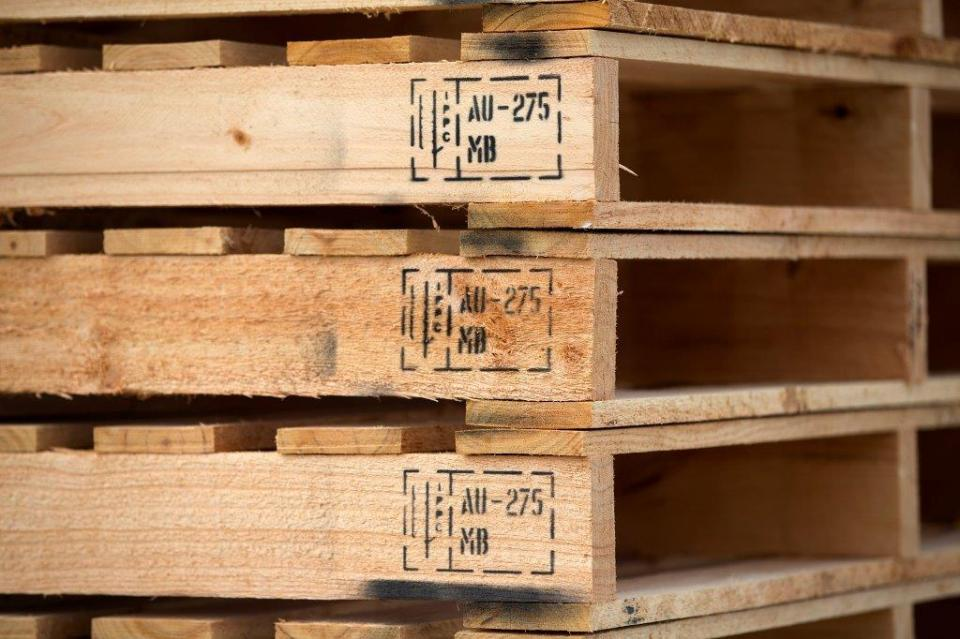
ISPM 15 recognises four treatments, each with its own code printed on the mark: heat treatment (HT), dielectric heating (DH), methyl bromide fumigation (MB) and sulfuryl fluoride fumigation (SF). For pallets going to the EU, HT is the most common choice. The mark must show the IPPC symbol, the country code, the treatment provider’s code and the treatment code.
| Code on the mark | Treatment | Main requirement | Notes for the EU |
|---|---|---|---|
| HT | Heat treatment (HT) | Wood core reaches at least 56°C and holds it for 30 minutes | Most common, the one to choose |
| DH | Dielectric heating (microwave, radio waves) | Wood reaches at least 60°C and holds it for 1 minute | Rarely seen on commercial pallets |
| MB | Methyl bromide fumigation | Dose and time as set in Annex 1 of ISPM 15 | Banned for use inside the EU since 18 March 2010; imported pallets correctly fumigated with MB under ISPM 15 are still accepted; EPAL pallets must not be fumigated with MB |
| SF | Sulfuryl fluoride fumigation | Dose and time as set in Annex 1 of ISPM 15 | Rarely seen |
Documents you need
For a wooden pallet travelling with goods, the mandatory proof is the ISPM 15 mark on the pallet itself. A treatment certificate from the treatment provider is only needed when the buyer, the shipping line or the letter of credit asks for one. The usual commercial documents for the shipment are:
- Commercial Invoice.
- Packing List.
- Bill of Lading.
- Customs declaration and paperwork for the type of goods.
According to European Commission guidance, the ISPM 15 mark allows quick checks in a paperless system. The same guidance says that wood 6 mm thick or less, and materials made entirely of wood that has been processed with glue, heat and pressure, such as plywood, OSB and veneer, do not have to be treated under ISPM 15 when entering the EU.
Applied to each pallet type: pallets made of natural wood (pine, acacia, rubber wood and so on) must be treated and marked. Pallets made entirely of pressed wood, plywood or OSB, including pressed-wood blocks, do not need treatment. A pallet that combines plywood with natural-wood blocks must still be treated, because it still contains natural wood parts. Plastic and paper pallets fall outside the scope of ISPM 15.
On the inspection mechanism, the EU Plant Health Law (Regulation (EU) 2016/2031, Article 43) identifies wood packaging as a pathway for pests. Official controls follow Regulation (EU) 2017/625 and Regulation (EU) 2019/2125; for certain goods from certain countries with a history of non-compliance, the frequency of wood packaging checks is increased under Regulation (EU) 2024/288. In other words, a company’s pallets may be inspected more closely simply because of the product category or the country of origin.
Difficulties and costs
The biggest risk in sending wooden pallets to Europe is a pallet failing inspection at the port of entry; the ISPM 15 treatment itself is only a small part of the total cost of a shipment. Europe applies strict plant health rules, and non-compliance can lead to the cargo being held, the pallets destroyed or the import refused, so pallets should be checked carefully before they ship.
Measured against ISPM 15 and the faults EU authorities commonly record, pallets are usually held for one of four reasons:
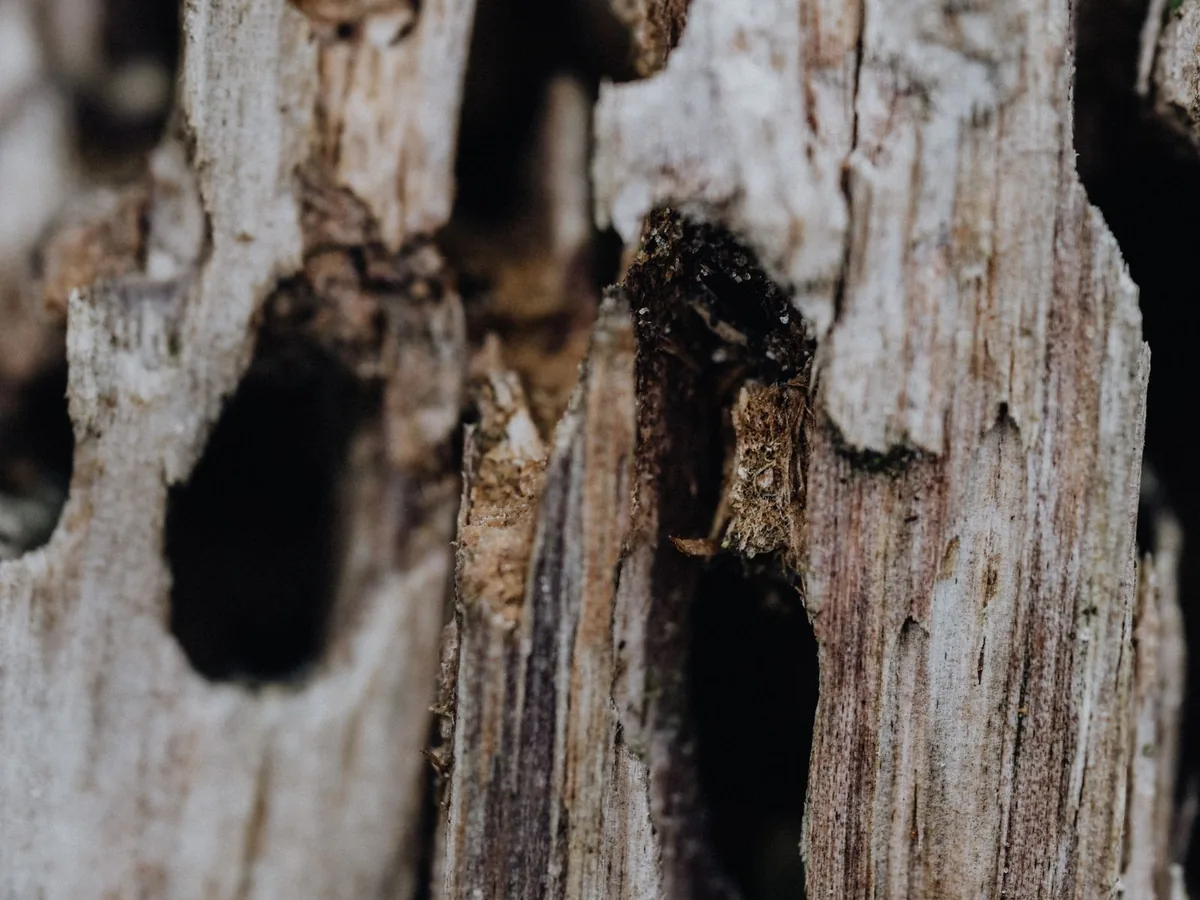
According to the EU’s AGRINFO platform, when non-compliant wood packaging is found, the authorities of the importing country may hold the consignment, remove and destroy the pallets, order re-export, or allow the goods to be moved onto compliant pallets under supervision. If live insects are found, the consignment is treated as higher risk, and the chance of refusal or destruction is higher. For food cargo, the most common consequence is delivery delay while the pallets are unloaded and repacked.
Costs
Costs fall into two parts: ISPM 15 treatment, charged per pallet, and freight and documents, charged per shipment. Treatment cost depends on quantity, method and provider; freight and customs service fees change with timing and market conditions, so get a specific quotation for each shipment.
The easily forgotten cost is what happens when a pallet fails. A pallet held at the port of entry may need re-treatment, a switch to other pallets or destruction, plus container detention charges while you wait. These costs usually far exceed the original heat treatment, so checking pallets before packing is always cheaper than dealing with a problem at the destination port.
European markets and industries that use wooden pallets
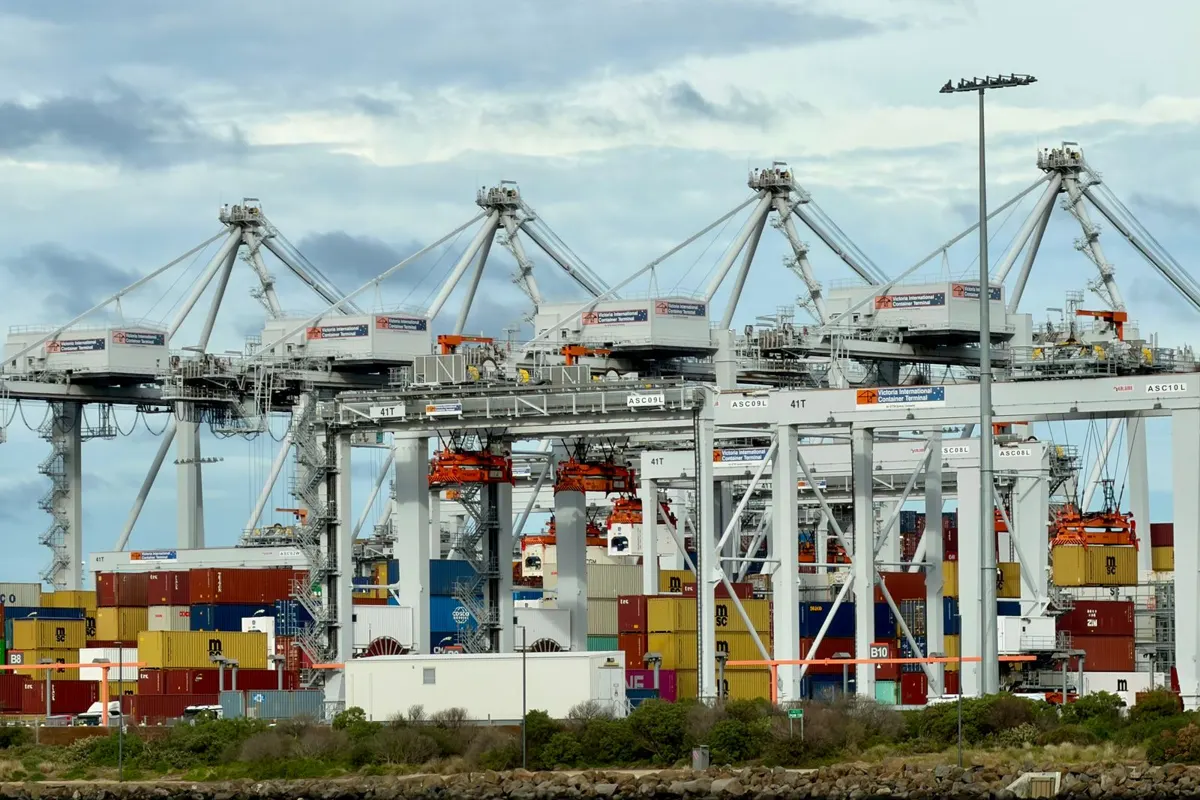
Whether the goods go to Germany, France, the Netherlands or Belgium, the quarantine requirements for wooden pallets come from the same set of EU rules; the differences between countries mainly lie in the pallet types each industry prefers. All of these are markets that use wooden pallets widely in production and distribution.
Food, beverage and retail businesses use many EPAL pallets because they take part in the pallet exchange system and in automated warehouses built to standard sizes. Manufacturing and chemicals need pallets with a high load capacity, usually the 1200 x 1000 mm size or CP pallets. Note that ISPM 15 does not apply to goods moving within the EU (with a few exceptions), while the United Kingdom has been a third country since 1 January 2021, so goods going to the UK also need ISPM 15 pallets.
Checklist before you hand over pallets for a shipment to Europe
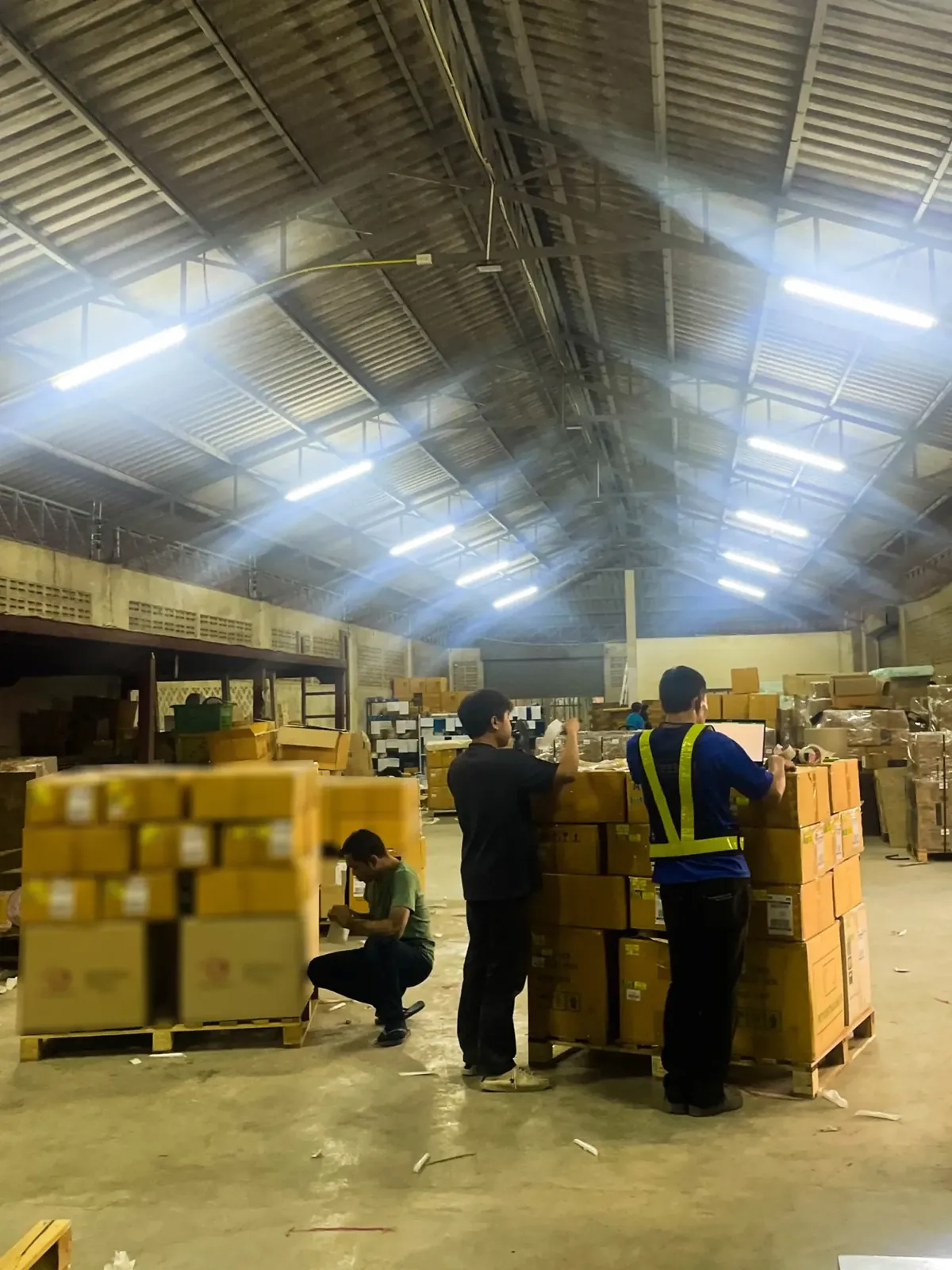
Running through the six points below before packing the container removes most of the risk of pallets being held at the port of entry:
- The ISPM 15 mark shows the IPPC symbol, the VN country code, the provider code and the treatment code; it is clear and not hand-drawn (ISPM 15, Annex 2).
- The mark appears on at least two opposite faces of the pallet (ISPM 15, Annex 2).
- The treatment code has been agreed with the buyer, usually HT; pallets with an EPAL mark must be HT.
- No piece of bark exceeds the tolerance of 3 cm in width, or 50 cm² in area for wider pieces (ISPM 15, Annex 1).
- Dunnage and blocking timber inside the container are treated and marked like the pallets.
- Size and pallet type match the contract (EPAL, one-way Euro pallet, CP and so on).
Conclusion
Wooden pallets exported to Europe must meet strict requirements for quarantine treatment and quality. EPAL and EUR are the usual choices when the buyer needs exchange pallets; CP pallets, Asian-standard pallets or one-way pallets are used as the industry requires. Preparing the pallets carefully and agreeing the details with the buyer in advance lowers the risk for Vietnamese exporters entering this market.
Frequently asked questions
Which wooden pallet is most common for exports to Europe?
The 1200 x 800 mm Euro pallet, of which the version bearing the EPAL mark (EPAL 1) belongs to the European pallet exchange system and has a safe working load of 1,500 kg according to EPAL.
Which standard must wooden pallets meet when exported to Europe?
Natural-wood pallets must be debarked, treated under ISPM 15 and carry a valid IPPC mark. If the contract calls for EPAL pallets, the pallet must also meet EPAL’s specification and marking.
Why must wooden pallet rules be followed exactly when exporting to Europe?
A non-compliant pallet can be held, destroyed or sent back at the port of entry, which brings container detention fees and delays the whole shipment.
Can pallets fumigated with methyl bromide be exported to Europe?
Yes, if treated and marked correctly under ISPM 15: the EU accepts imported wood packaging treated by HT or MB. The EU only bans the USE of methyl bromide inside the Union, since 18 March 2010. Many importers still ask for HT, and pallets with an EPAL mark must not be fumigated with MB, so agree the method with your buyer first.
Do pressed-wood pallets going to Europe need fumigation?
Under European Commission guidance, materials made entirely of wood processed with glue, heat and pressure, such as plywood and OSB, do not need ISPM 15 treatment. If the pallet has blocks or boards of natural wood, it must still be treated and marked.
Do I need a fumigation certificate for pallets when shipping to Europe?
For a wooden pallet travelling with goods, the EU checks the ISPM 15 mark on the pallet and does not require a separate quarantine certificate for it. A treatment certificate is only needed when the buyer, the shipping line or the letter of credit asks for one.
Can a repaired pallet be used for goods going to the EU?
Yes, if the replacement boards are treated wood and carry their own mark. A pallet where more than about one third of the components have been replaced counts as remanufactured: the old mark must be removed, the whole pallet treated again and a new mark applied under ISPM 15.
Contact ICD Vietnam
If you need wooden pallets for a shipment to Europe, send ICD Vietnam the pallet size, the cargo weight, the quantity and the buyer’s requirements. Pallets for export cargo are treated and stamped with the IPPC mark under ISPM 15 through a licensed provider. ICD Vietnam has a production workshop, a Hanoi warehouse and a southern workshop; price: contact for a quote. Wooden pallets do not carry the 7-day warranty or return policy.
- North Vietnam: 0983 797 186 / 090 345 9186 / 090 5859 186.
- South Vietnam: 098 6784 186; southern workshop: 551/212 Le Van Khuong Street, Tan Thoi Hiep Ward, District 12, Ho Chi Minh City.
- Email: sales@icdvietnam.com.vn.
- Zalo: Chat with ICD Vietnam on Zalo.
References
- Specifications, ISPM 15 rules and EPAL Euro pallet marking: EPAL, EPAL Euro pallet; EPAL press release of 1 March 2017 on UIC/EUR pallet exchange.
- Standard for treating wood packaging material: IPPC, ISPM 15 Regulation of wood packaging material in international trade.
- Requirements for wood packaging entering the EU: European Commission, Requirements for wood packaging and dunnage; Wood packaging material factsheet.
- Regulation (EU) 2024/590 on substances that deplete the ozone layer (replacing Regulation (EC) 1005/2009): EUR-Lex.
- Controls on wood packaging entering the EU and measures for non-compliance: AGRINFO, EU import requirements for wood packaging material (03/2026).
- Scope of ISPM 15 inside and outside the EU, the UK after 2021: Irish Department of Agriculture, Wood Packaging Material and ISPM 15.