Table of Contents
- What is fumigation?
- What is the fumigation mark on a pallet?
- Why do export goods need fumigation?
- How the fumigation process works
- What is wooden pallet fumigation?
- Rules on the fumigation mark for goods going to the US, Australia and the EU
- Common fumigants
- Three risk scenarios when fumigation does not meet the standard
- Conclusion
- Frequently asked questions
- What is the fumigation mark on a wooden pallet?
- What do the HT and MB symbols on the mark mean?
- Can a pallet without the mark be refused customs clearance?
- What is the fumigation mark called in English?
- Does the mark expire?
- Can a pallet stamped MB be shipped to Europe?
- Does a repaired pallet need to be re-marked?
- Contact ICD Vietnam
- References
Reviewed and updated by ICD - Week 43/2026
The fumigation mark on a pallet (the ISPM 15 mark, or IPPC stamp) is a stamp applied to a wooden pallet after the wood has been heat treated or fumigated under ISPM 15. It combines the IPPC symbol, the country code (VN), the treatment provider’s code and a treatment symbol such as HT (wood core held at 56 °C for at least 30 minutes) or MB, and it is applied on at least two opposite faces of the pallet.
In import and export, the fumigation mark on a pallet is the proof that lets the importing country’s plant health authority accept the wood packaging travelling with the goods. If a pallet has no valid mark, or was not treated by the correct process, the exporter can run into trouble that ranges from the cargo being held at the port to the cost of re-treatment and container detention.
What is fumigation?
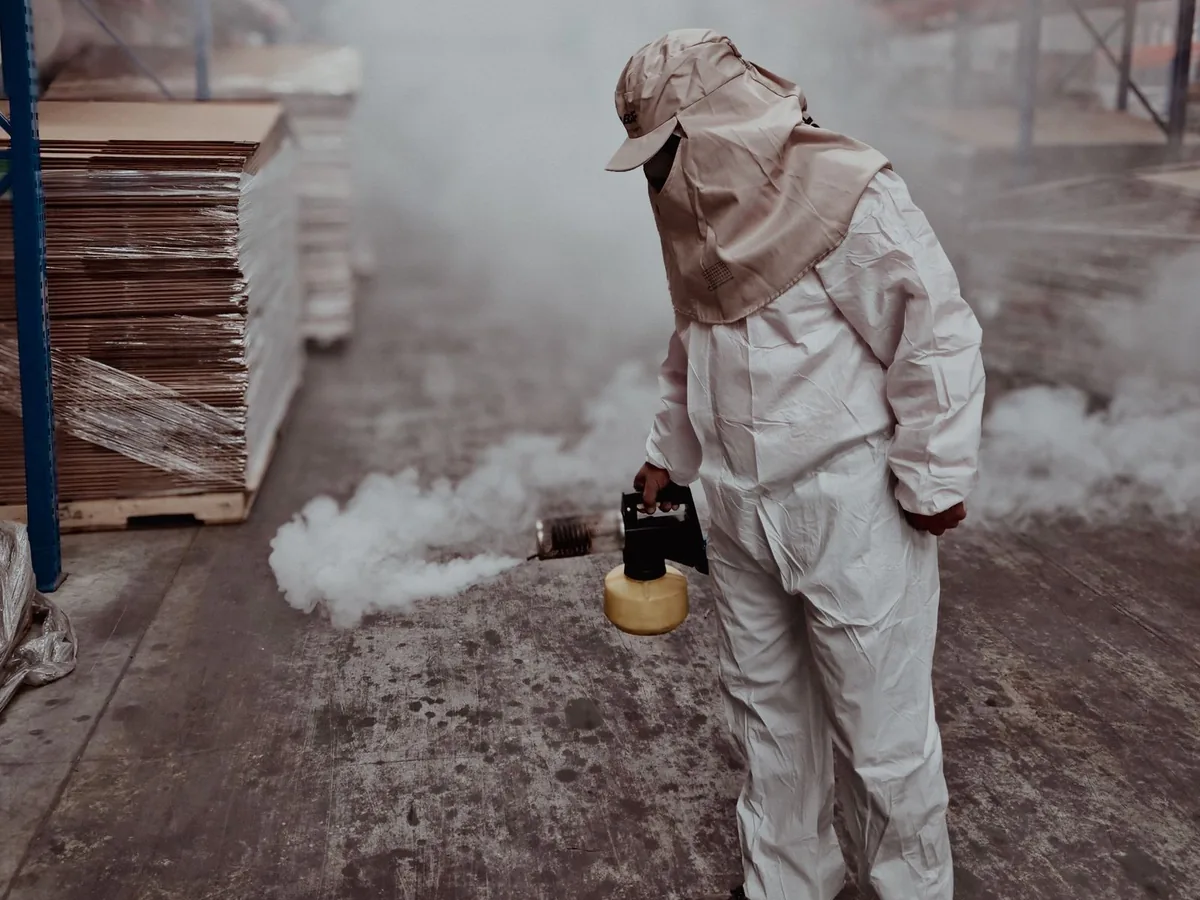
Fumigation is the treatment of goods with gas or chemical vapour in a sealed space to kill insects and other pests such as termites, borers and nematodes. The gas penetrates wooden or paper packaging so the goods do not carry pests during international transport.
What is the fumigation mark on a pallet?
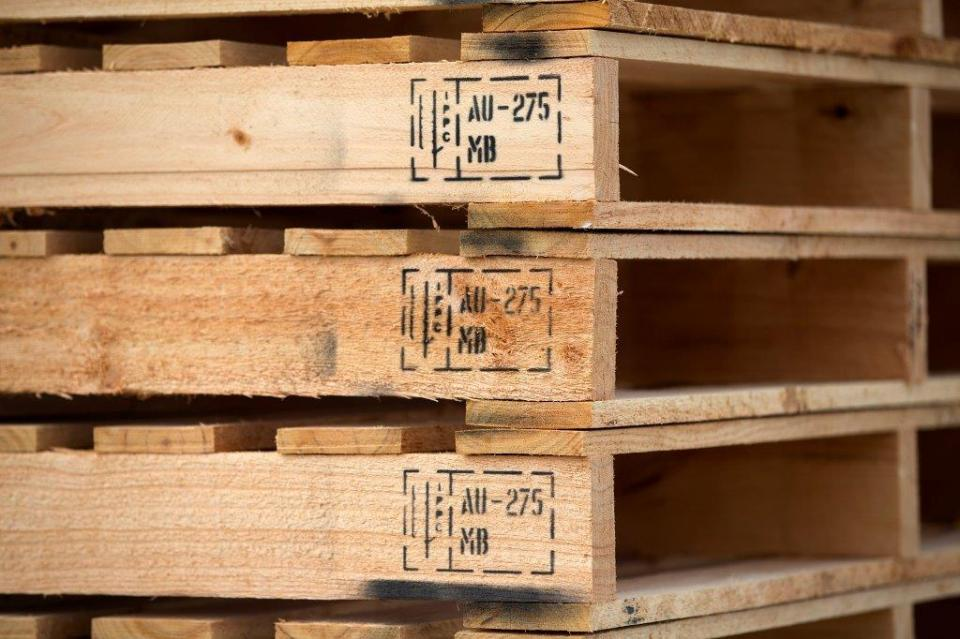
The fumigation mark on a pallet is a certification mark applied to a wooden pallet after the wood has been fumigated or heat treated under the international standard ISPM 15. Its correct name is the ISPM 15 mark, often called the IPPC stamp; people in the trade tend to say “fumigation mark” even though most pallets today are heat treated.
The mark shows the country where the treatment took place, the identification code of the treatment provider and the method used, for example “MB” for methyl bromide or “HT” for heat treatment. Read it from left to right: the IPPC symbol, then the country code joined to the provider code with a hyphen, and finally the treatment symbol.
| Element | Example | Meaning |
|---|---|---|
| IPPC symbol | Ear of wheat | Marks the ISPM 15 system; placed on the left and separated by a vertical line |
| Country code | VN | The country where the wood was treated, as a two-letter ISO code |
| Provider code | xxx | A code the national plant protection organisation issues to each treatment or production unit, which lets the pallet be traced back to its source (xxx is a placeholder) |
| Treatment symbol | HT, DH, MB, SF | The method applied; see the table of methods below |
According to ISPM 15, the mark must be a rectangle or square with a border, must not be hand-drawn and must not carry any other information inside the border; the producer’s name or company logo, if used, goes outside the border. The provider code is unique to each unit and issued by the national plant protection organisation, so when you receive pallets you can ask the supplier which treatment provider the code on the mark belongs to.
The mark lets the importing country’s plant health inspectors confirm that the pallet was properly treated and carries no biological risk. For natural-wood pallets travelling with goods to countries that apply ISPM 15, including most major markets such as the US, the EU, Australia, Japan and South Korea, it is mandatory.
Why the mark matters
The mark proves that the pallet was treated to stop pests spreading across borders. If a pallet has no mark or does not meet the importing country’s requirements, the goods can be refused or require extra treatment, costing the exporter time and money.
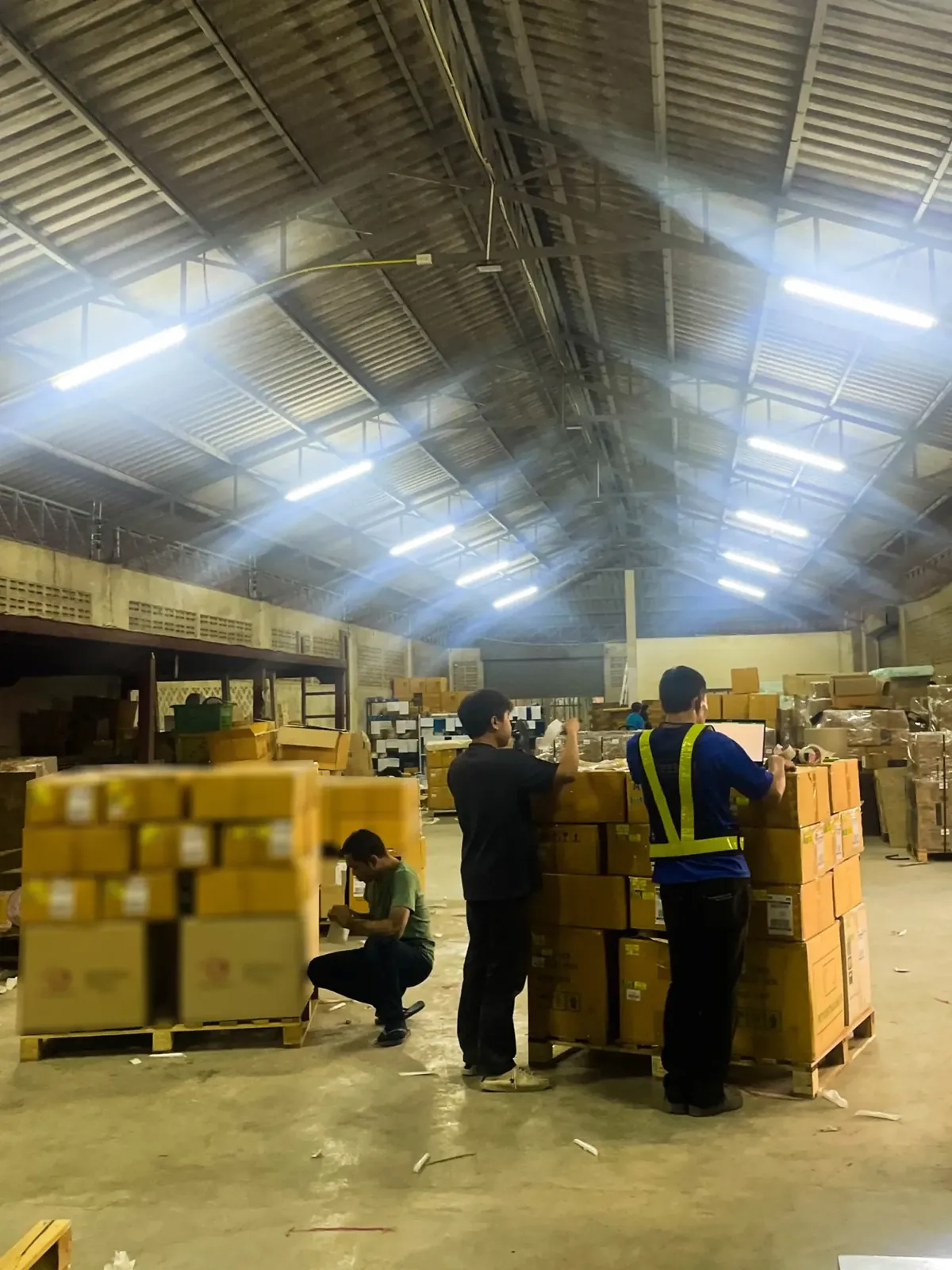
According to USDA APHIS, when inspecting wood packaging, US inspectors look for a valid IPPC symbol, a two-letter country code, a provider code and a treatment code, and they check for signs of insect infestation such as feeding marks, tunnels, exit holes and frass. A mark that is not applied to the wood, lacks a border or uses the wrong symbol is treated as improperly marked. Before packing a container, do a quick check of the mark on each pallet against the criteria below.
Why do export goods need fumigation?
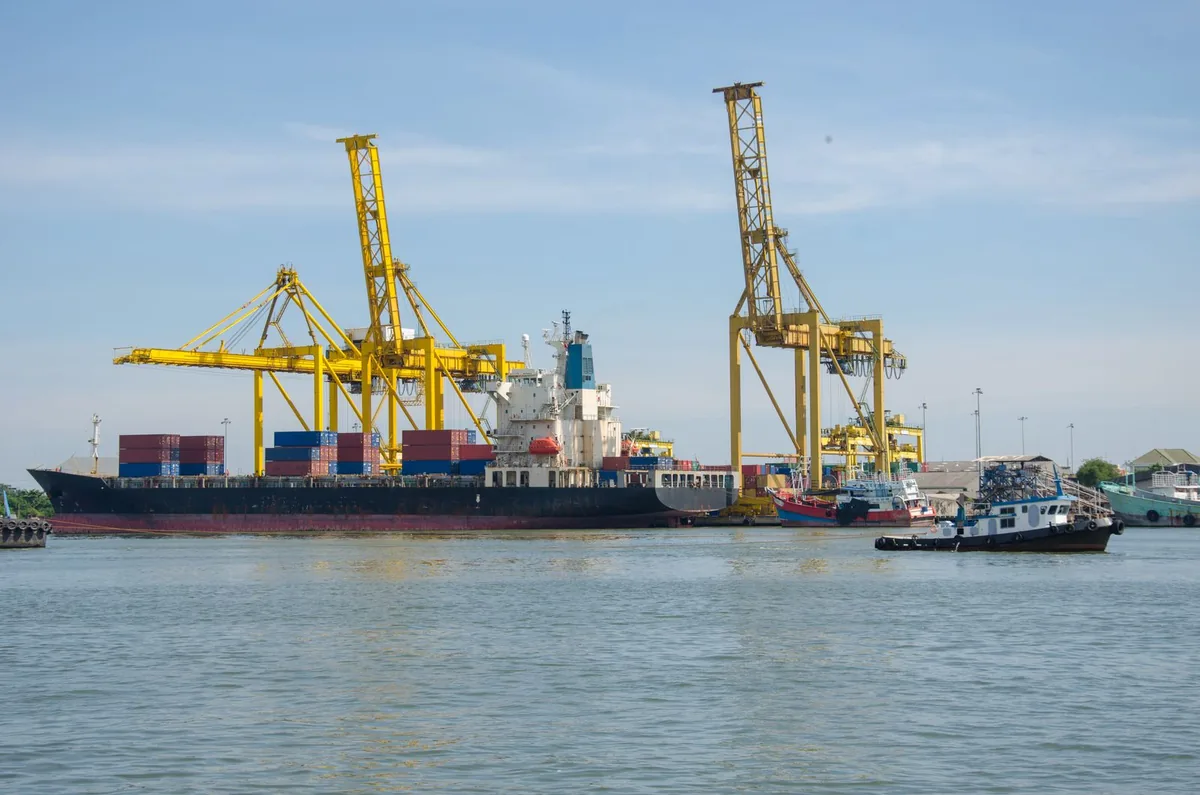
Export goods need fumigation or treatment to kill pests before they reach the importing country and to meet that country’s plant health rules; for wood packaging, the general requirement is ISPM 15. Sea freight can take days or weeks inside a hot, humid container, which is ideal for insects and mould to develop. Treating before shipment prevents that risk and meets the quarantine rules of markets such as the US, Australia and Europe.
Goods that commonly require fumigation
Goods that often need fumigation include farm products such as rice, coffee, pepper, cashew nuts and tea; wood products such as handicrafts, furniture and untreated timber; and wood packaging such as crates, wooden pallets and packing materials for machinery and ceramics. The importing country sets the specific requirement for the goods themselves, while the wood packaging that travels with them follows ISPM 15.
How the fumigation process works
The process has three steps: prepare the goods and the wood material, apply the fumigant or heat treatment, then apply the mark and issue a certificate if one is required.
- Preparation: the goods are packed; if wooden pallets are used, the pallets must be treated under ISPM 15 (HT heat treatment or MB or SF fumigation) before the goods are packed.
- Fumigation: a chemical such as methyl bromide or phosphine is introduced into a sealed space (a container, a fumigation chamber or a stack sealed under a tarpaulin); for pallets and wood packaging, ISPM 15 only recognises methyl bromide and sulfuryl fluoride among the fumigants.
- Marking and certificate: the treatment provider stamps the pallet and issues a fumigation certificate (Certificate of Fumigation) for the consignment when one is required.
Fumigating objects subject to plant quarantine is a conditional business line; according to Vietnam’s Department of Crop Production and Plant Protection, only organisations holding a practice certificate may do it. ICD Vietnam wooden pallets for export are treated and stamped with the IPPC mark under ISPM 15 through a licensed provider.
What is wooden pallet fumigation?
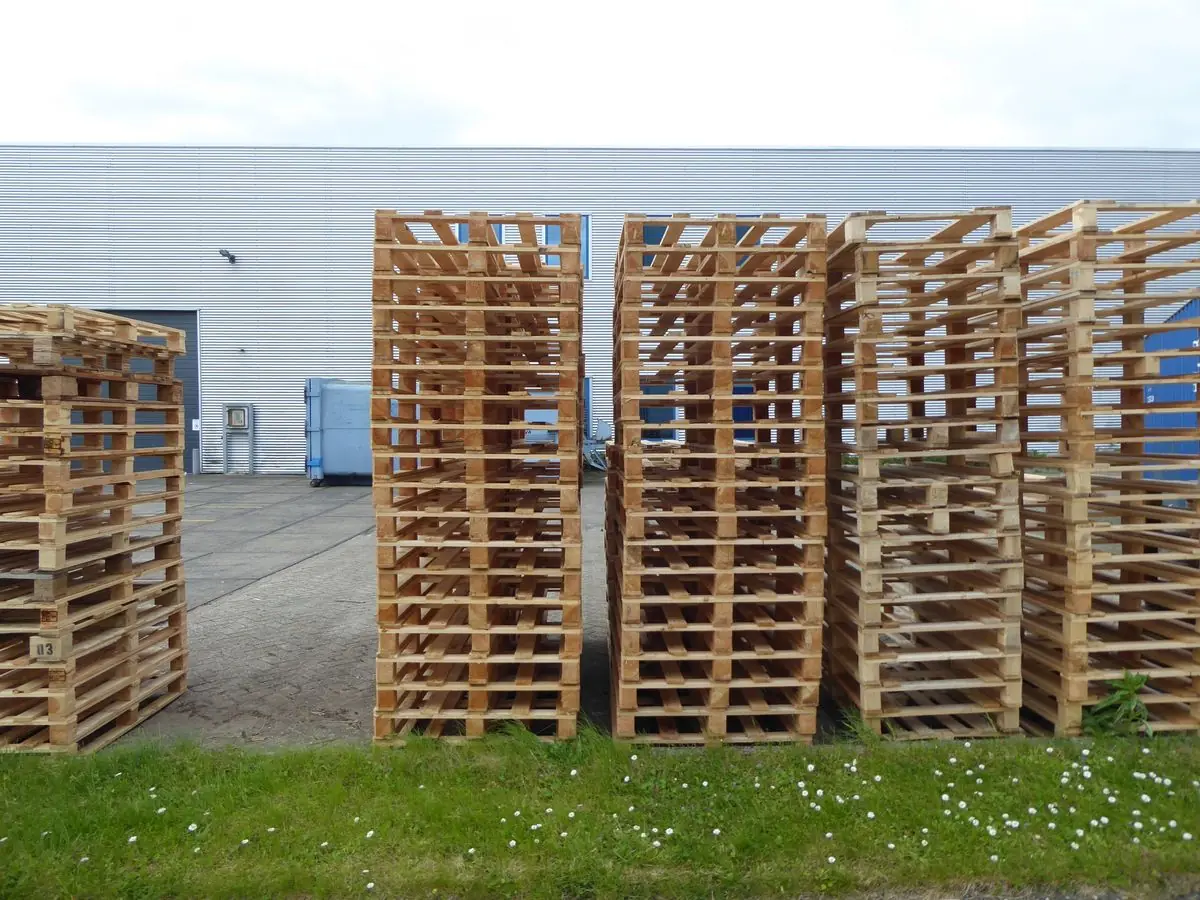
Wooden pallet fumigation is the treatment of a pallet to kill insects hidden in the wood so that pests do not enter the importing country’s ecosystem. Many countries make it mandatory to stop the spread of invasive species. Strictly speaking, fumigation means exposing the wood to a chemical gas; in practice, the word is often used for every ISPM 15 treatment, heat treatment included.
Treatment methods for wooden pallets
The two common methods are methyl bromide fumigation (MB), which uses a chemical gas in a sealed space, and heat treatment (HT), which uses high temperature and no chemicals; after treatment the mark carries the matching symbol, “MB” or “HT”. ISPM 15 also recognises two measures that are less common in Vietnam: dielectric heating (DH) and sulfuryl fluoride fumigation (SF).
| Symbol | Method | Main requirement | Notes |
|---|---|---|---|
| HT | Heat treatment | Wood core reaches at least 56°C and holds it for 30 minutes | Most common, leaves no chemical residue |
| DH | Dielectric heating (microwave, radio frequency) | The whole cross-section of the wood reaches at least 60°C for 1 minute | Rarely seen on commercial pallets |
| MB | Methyl bromide fumigation | Reach the concentration-time product set by ISPM 15 after 24 hours | IPPC recommends replacing it; the EU has banned its use inside the Union since 18 March 2010 but still accepts imported pallets fumigated with MB correctly under ISPM 15 |
| SF | Sulfuryl fluoride fumigation | Reach the concentration-time product set by ISPM 15 | An alternative fumigation measure to MB |
Rules on the fumigation mark for goods going to the US, Australia and the EU
The US, Australia and the EU all apply ISPM 15 to wood packaging, but each has its own points on how inspection works and which methods are accepted.
Goods going to the US
Under 7 CFR 319.40-3 of the US Department of Agriculture, all wood packaging material must be heat treated or fumigated under ISPM 15 and carry a clear mark; US Customs and Border Protection (CBP) and APHIS inspect at the border. Non-compliant packaging can be re-exported together with the shipment.
Goods going to Australia
Australia has strict biosecurity standards and accepts wood packaging that has been treated and marked under ISPM 15. Australia’s fumigation accreditation programme, the Australian Fumigation Accreditation Scheme (AFAS), applies to consignments fumigated with methyl bromide offshore before entering Australia: the certificate must be issued by a treatment provider registered with AFAS. Goods that do not comply may be re-treated, held or re-exported at the port.
Goods going to the EU
The EU accepts imported wood packaging treated by HT or MB correctly under ISPM 15. What the EU bans is using methyl bromide inside the Union: under Regulation (EU) 2024/590, exemptions for all purposes, quarantine included, ended on 18 March 2010. So a pallet carrying an MB mark from Vietnam can still enter the EU, but many European importers ask for HT, and a pallet with an EPAL mark may only be heat treated. Agree the treatment code with your buyer before packing.
Common fumigants
Three fumigants are common in Vietnam: methyl bromide, phosphine and aluminium phosphide; of the three, only methyl bromide is recognised by ISPM 15 for marking pallets (besides MB, ISPM 15 also recognises sulfuryl fluoride).
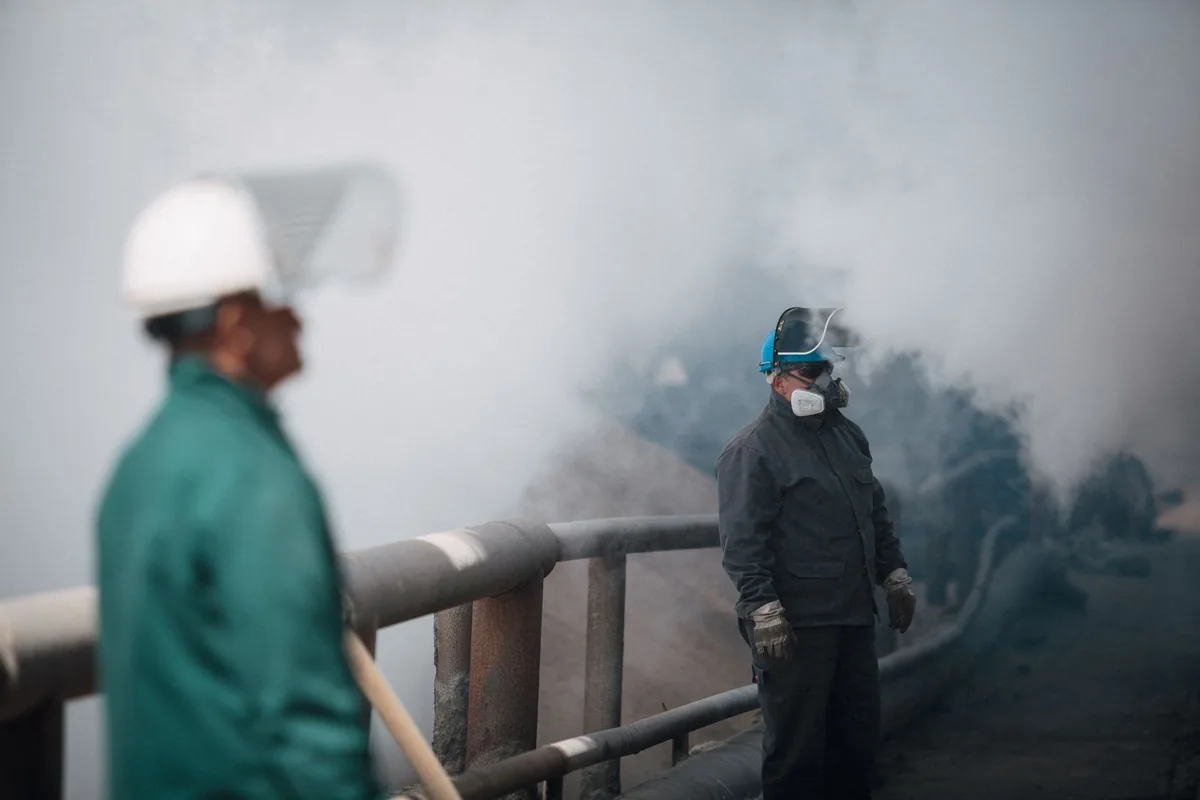
Methyl bromide (CH3Br) is used for large consignments, especially farm products and wood products, but it is highly toxic and must be handled with care. Phosphine (PH3) is used instead of methyl bromide for goods held in containers, with a longer exposure time. Aluminium phosphide (AlP) releases phosphine gas on contact with moisture to kill insects, and its treatment time is also longer than methyl bromide.
Three risk scenarios when fumigation does not meet the standard
Substandard fumigation usually leads to one of three outcomes: the consignment is held for re-treatment, the import is refused, or clearance is delayed because the documents do not match. According to the EU’s AGRINFO platform, when non-compliant wood packaging is found, the importing country’s authority may hold the consignment, destroy the pallets, order re-export, or allow the goods to be moved onto compliant pallets under supervision.
1. A farm-product shipment held because the pallets lack a valid mark
Say a coffee shipment to the US has goods that meet the requirements, but the wooden pallets carry no valid ISPM 15 mark. The shipment is held at the port for extra treatment or a pallet swap; clearance takes longer and the owner pays extra treatment fees and container detention charges.
2. Handicraft wood goods to Australia refused
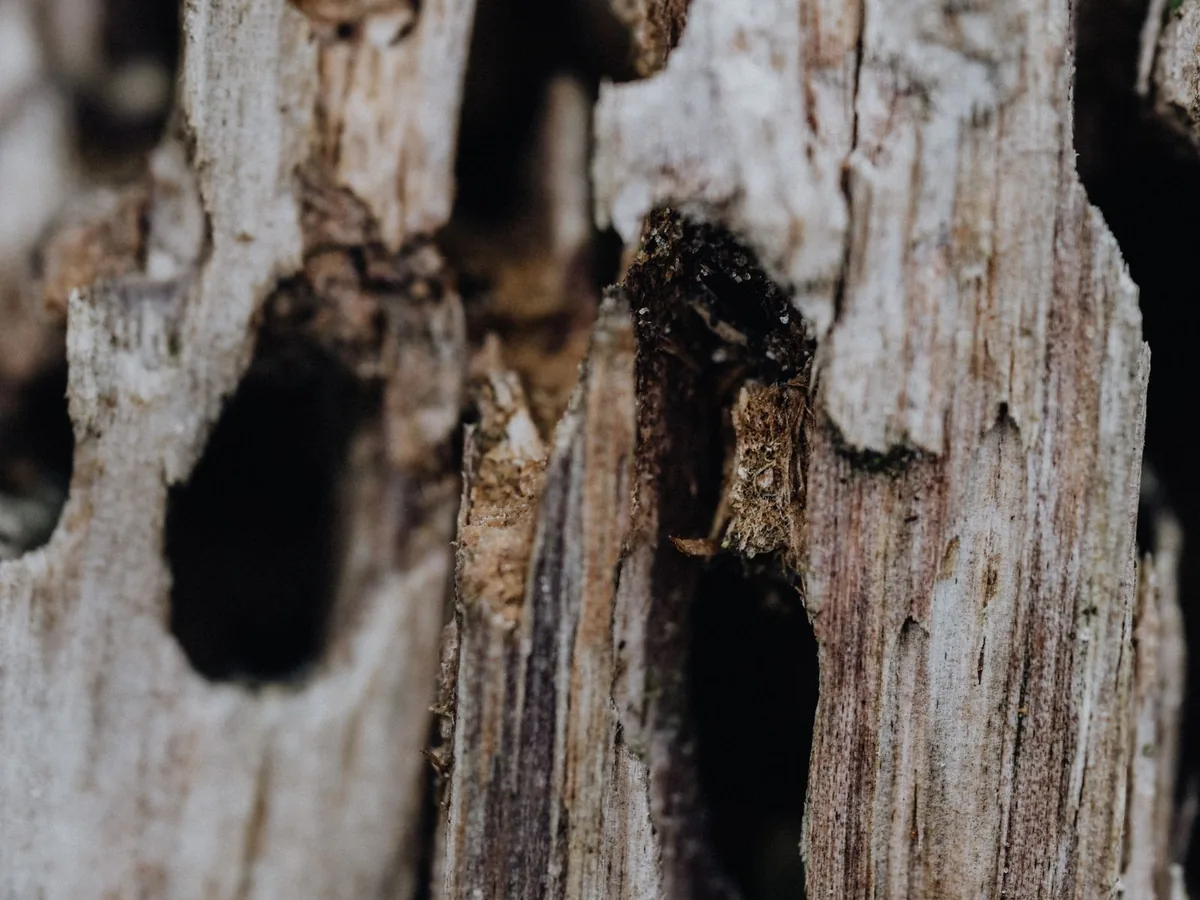
A consignment of wooden handicrafts was fumigated with methyl bromide before going to Australia, but the fumigator was not part of the AFAS programme or the process did not meet requirements. The Australian authority then does not recognise the treatment; the consignment may have to be re-treated in Australia, sent back to Vietnam or destroyed, and the owner bears all the extra cost.
3. Delay because the fumigation certificate does not match
A fumigation certificate records the goods, quantity, chemical, dose, and the date and time of fumigation. If these details do not match the actual consignment, for example a shipment of cashew nuts to Canada, the importing authority may not accept the certificate. The business pays extra container detention charges while the paperwork is corrected and risks losing the contract if the partner cancels the order.
Conclusion
The fumigation mark on a pallet is both a quarantine requirement and a condition for fast customs clearance. Exporters need to treat pallets with the right method, check the mark before packing and know the specific rules of the destination market to avoid problems and unnecessary cost.
For export cargo where cost matters, consider sawdust pallets instead of natural-wood pallets: they are pressed under high heat and pressure, so they are exempt from ISPM 15 treatment and marking.
Frequently asked questions
What is the fumigation mark on a wooden pallet?
It is a stamp applied under ISPM 15 confirming that the pallet has been treated to kill insects and nematodes in the wood (ISPM 15 treatment is not aimed at mould), making it eligible to travel with goods to countries that apply the standard, such as the US, the EU, Japan, Australia and South Korea.
What do the HT and MB symbols on the mark mean?
HT (Heat Treatment) is heat treatment and MB (Methyl Bromide) is chemical fumigation; they are the two most common of the 4 methods ISPM 15 recognises (the others are DH and SF).
Can a pallet without the mark be refused customs clearance?
It can be held, ordered to be re-treated, swapped for other pallets or re-exported at the port of arrival if the importing country applies ISPM 15. One small detail on a pallet can affect clearance of the whole consignment.
What is the fumigation mark called in English?
It is usually called the ISPM 15 mark, IPPC stamp or fumigation stamp. The correct name under the standard is the ISPM 15 mark, because it applies to heat-treated (HT) pallets as well as fumigated ones.
Does the mark expire?
No expiry date is printed on the mark. According to the Australian Department of Agriculture, wood packaging bearing the ISPM 15 mark stays valid as long as it has not been altered, but the treatment only kills the pests present at the time and does not prevent reinfestation. A pallet showing signs of fresh borers can still be required to be treated, re-exported or destroyed.

Can a pallet stamped MB be shipped to Europe?
Yes, if it was treated and marked correctly under ISPM 15. The EU only bans using methyl bromide inside the Union, since 18 March 2010, and still accepts imported wood packaging treated by HT or MB. A pallet with an EPAL mark may only be heat treated.
Does a repaired pallet need to be re-marked?
Yes, depending on the extent of the repair. Replacement boards must be treated wood and carry a mark; if most of the components of a pallet are repaired, the old mark must be removed, the pallet treated again and a new mark applied under ISPM 15.
Contact ICD Vietnam
ICD Vietnam supplies wooden pallets in standard sizes or to your drawings; pallets for export cargo are treated and stamped with the IPPC mark under ISPM 15 through a licensed provider. Tell us the destination market and the buyer’s requirements when you order so that we choose the right method. ICD Vietnam has a production workshop, a Hanoi warehouse and a southern workshop; price: contact for a quote. Wooden pallets do not carry the 7-day warranty or return policy.
- North Vietnam: 0983 797 186 / 090 345 9186 / 090 5859 186.
- South Vietnam: 098 6784 186; southern workshop: 551/212 Le Van Khuong Street, Tan Thoi Hiep Ward, District 12, Ho Chi Minh City.
- Email: sales@icdvietnam.com.vn.
- Zalo: Chat with ICD Vietnam on Zalo.
References
- Treatments and the mark (Annexes 1 and 2): IPPC, ISPM 15 (Vietnamese edition); the current English edition is on ippc.int.
- Inspection of wood packaging entering the US: USDA APHIS, What Compliant Wood Packaging Material Looks Like; 7 CFR 319.40-3.
- ISPM 15 and AFAS: Australian Department of Agriculture, Fisheries and Forestry (DAFF), ISPM 15; Australian Fumigation Accreditation Scheme, Australian Wood Packaging Certification Scheme.
- Requirements for wood packaging entering the EU: European Commission, Requirements for wood packaging and dunnage.
- Regulation (EU) 2024/590 on substances that deplete the ozone layer: EUR-Lex.
- Measures for non-compliant wood packaging in the EU: AGRINFO, EU import requirements for wood packaging material (03/2026).
- Practice of treating objects subject to plant quarantine: Department of Crop Production and Plant Protection reply on Chinh sach online, 17 April 2026.