Table of Contents
- What is a fumigation certificate?
- Why is a fumigation certificate needed?
- Types of goods that usually need a fumigation certificate
- What is the fumigation fee? What is the fumigation fee called in English?
- The fumigation mark and the fumigation stamp
- What the fumigation certificate contains
- Conclusion
- Frequently asked questions
- What is a fumigation certificate?
- Why is a fumigation certificate needed for export?
- Do ICD Vietnam export wooden pallets come with a fumigation certificate?
- Who issues a fumigation certificate?
- How long is a fumigation certificate valid?
- Does a wooden pallet that already has an ISPM 15 mark need a fumigation certificate?
- Does an MB-marked pallet need a certificate when exported to Europe?
- What is a fumigation certificate called in English and Chinese?
- Contact ICD Vietnam
- References
Reviewed and updated by ICD - Week 43/2026
A fumigation certificate is a document issued by a licensed treatment provider after fumigating a consignment, stating the chemical, dosage, exposure time, temperature, and the place and date of treatment. For wooden pallets, the ISPM 15 mark on the pallet replaces the paper in most countries; a certificate is needed only when the importing country, the buyer or the L/C asks for one.
In an export document set, the fumigation certificate is a paper often requested for agricultural goods, wooden products, rattan and bamboo, and cargo packed in wood, because it proves the shipment was treated against insects and pests before leaving port. This article explains what the certificate is, how it differs from the ISPM 15 mark and the phytosanitary certificate, what information it must contain, how to obtain one, the current legal basis in Vietnam, and the errors that get a certificate rejected. For ICD Vietnam’s export wooden pallets, the pallets are treated and stamped with the IPPC mark under ISPM 15 through a licensed provider; ICD Vietnam does not fumigate itself and does not issue certificates itself.
What is a fumigation certificate?
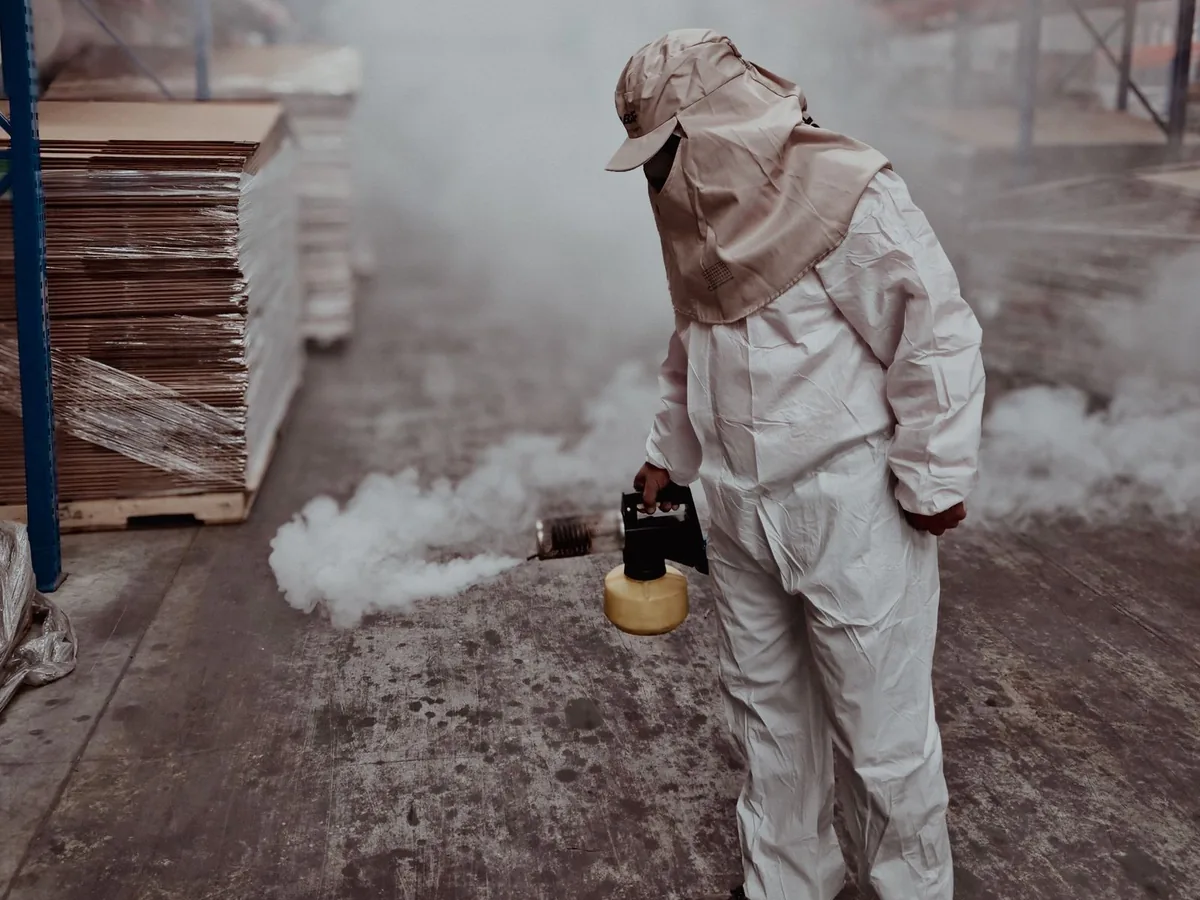
A fumigation certificate, also called a fumigation certificate or Fumigation Certificate in English, is a document confirming that a specific consignment has been exposed to a chemical gas in a sealed space to kill insects. The issuer is the treatment provider that carried out the fumigation, not customs. Fumigation differs from spraying: the gas penetrates the goods, the packaging and the crevices of the wood, so it kills termites, borers and nematodes (microscopic roundworms that live in wood, such as the pine wood nematode) hidden inside.
The purpose of fumigation is to stop pests travelling with goods and packing material into another country. The chemicals commonly used are methyl bromide and phosphine; for wood packaging specifically, ISPM 15 recognises only two fumigants, methyl bromide and sulfuryl fluoride.
The full names of the two active substances are methyl bromide (CH3Br) and phosphine (PH3). For pallets and wood packaging specifically, ISPM 15 recognises only two fumigation methods, methyl bromide (code MB) and sulfuryl fluoride (code SF); phosphine is widely used for grain-type farm produce but is not on the approved treatment list for wood packaging.
How does a fumigation certificate differ from a phytosanitary certificate and the ISPM 15 mark?
These three documents are often confused with each other, but they are issued by different parties and confirm different things. A fumigation certificate confirms only the treatment; a phytosanitary certificate confirms the consignment meets the importing country’s quarantine requirements; the ISPM 15 mark is applied directly to each pallet.
| Document or mark | Issued by | Confirms | When needed |
|---|---|---|---|
| Fumigation Certificate | A licensed provider that treats articles subject to plant quarantine | The consignment was fumigated: chemical, dosage, exposure time, place and date | When the importing country, buyer or L/C asks for it |
| Phytosanitary Certificate | The national plant protection organisation (in Vietnam, the Department of Crop Production and Plant Protection) | The consignment meets the importing country’s quarantine requirements | Agricultural and forest products subject to quarantine |
| ISPM 15 mark on a pallet | A facility authorised by the plant protection organisation to apply the mark, each with its own code | Each pallet was heat treated or fumigated under ISPM 15 | All natural wood packaging accompanying export cargo |
| Heat Treatment Certificate | The heat treatment facility | The wood core was heated to at least 56°C for 30 minutes | When the buyer wants an extra document for HT-coded pallets |
In short, the fumigation certificate answers the question “how was this consignment treated”, while the phytosanitary certificate answers “does this consignment meet the importing country’s requirements”. Many farm-produce consignments need both: the fumigation certificate is one of the grounds on which the quarantine authority issues the phytosanitary certificate.
Why is a fumigation certificate needed?
A fumigation certificate is needed because many importing countries require goods subject to quarantine to be treated before loading and to have paperwork proving it. Cargo by sea sits for days in a sealed, hot and humid container, which suits insects and mould; a consignment carrying a foreign organism can spread pests into the importing country’s ecosystem. Without a certificate the importing country has asked for, cargo may be held at port, forced to be treated again, or sent back.
For wood packaging, the requirement is standardised under ISPM 15: instead of paper, each pallet carries a treatment mark. So for exported wooden pallet cargo, the necessary condition is the fumigation mark on the pallet in the correct ISPM 15 format; a certificate is only supplementary paperwork when there is a separate requirement.
According to the information sheet of the European Commission, wood packaging may be present in up to 90% of consignments shipped worldwide. So even goods that are not farm produce, such as machinery, electronic components or clothing, still have to pay attention to the pallet that comes with them: the goods themselves may not need fumigation, but the natural wood pallet underneath must meet ISPM 15.
Types of goods that usually need a fumigation certificate
Not every kind of cargo needs a fumigation certificate; the requirement is set by the importing country for each commodity. The three groups seen most often are dry farm produce such as rice, coffee, pepper, tea and cashew nuts, which are easily damaged by weevils and stored-product insects; handicrafts and wood products such as furniture, rattan, bamboo and wood without a surface finish; and wood packaging such as pallets, crates and dunnage, a group that uses the ISPM 15 mark instead of a certificate.
For packaging, the boundary between what must be treated and what falls outside ISPM 15 lies in the material: natural wood must be treated, while wood processed with glue, heat and pressure is outside the scope of the standard.
Plastic pallets and pressed wood pallets are the way many businesses avoid having to treat and mark their packaging. Even so, if the goods on top must be fumigated, a fumigation certificate for the goods is still needed, regardless of what the pallet is made of.
What is the fumigation fee? What is the fumigation fee called in English?
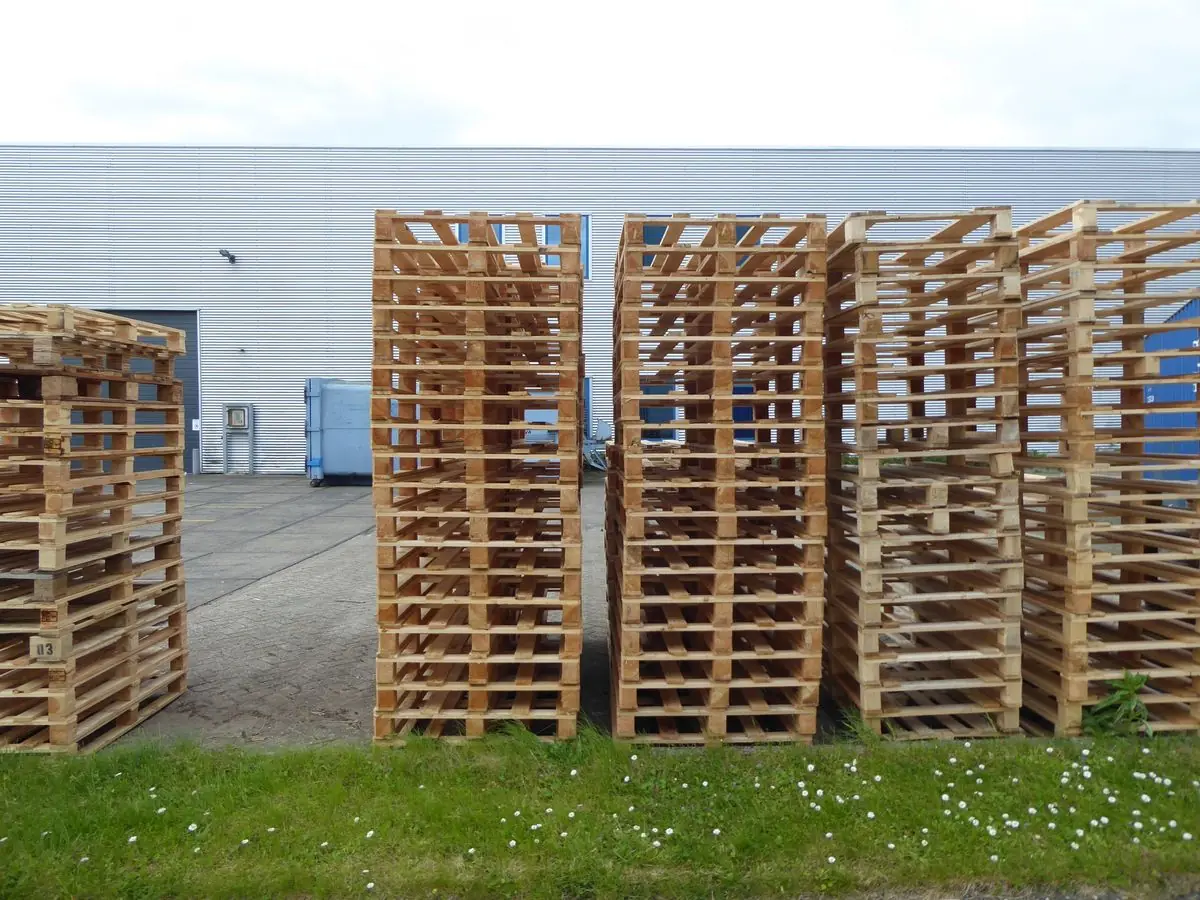
The fumigation fee is what a business pays a treatment provider to fumigate a consignment and issue the certificate. The fee is not fixed: each provider quotes by the volume to be fumigated, the chemical, the temperature and the location, so get a quote for the actual consignment instead of relying on a general figure.
In English, the fumigation fee is called the “fumigation fee”. This fee is usually folded into transport costs or listed separately on the invoice of logistics services.
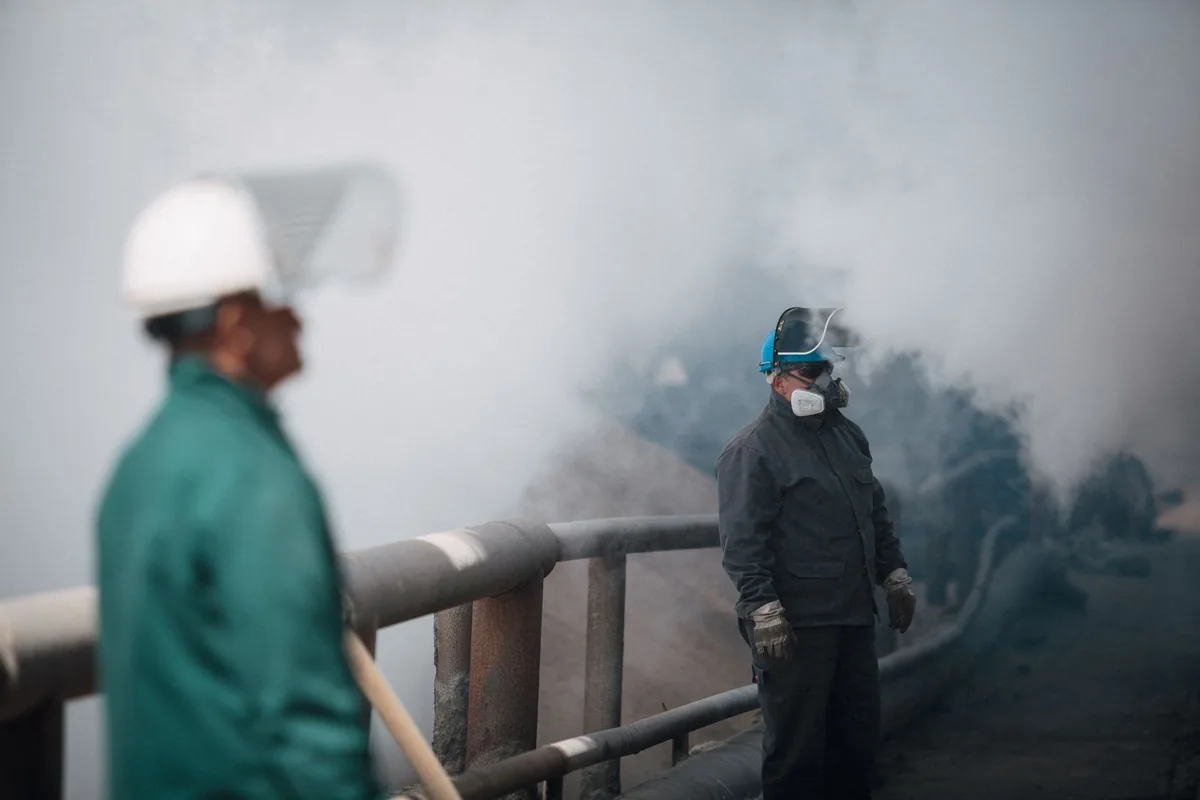
The actual fee depends on the volume to be fumigated (a partial lot under a tarpaulin or a whole container), the type of chemical, the temperature during fumigation and the location (the owner’s warehouse or the port yard). Temperature directly affects the amount of fumigant: the colder it is, the more slowly the wood absorbs the gas, so ISPM 15 requires a higher dose and cumulative concentration.
| Wood and air temperature | Example dosage (g/m³) | Minimum concentration after 2 h / 4 h / 24 h (g/m³) | Minimum cumulative over 24 h (g.h/m³) |
|---|---|---|---|
| 21°C or above | 48 | 36 / 31 / 24 | 650 |
| 16 - 20.9°C | 56 | 42 / 36 / 28 | 800 |
| 10 - 15.9°C | 64 | 48 / 42 / 32 | 900 |
The table above is taken from Annex 1 of ISPM 15 (IPPC, 2018 edition) and applies to methyl bromide fumigation of wood packaging. Below 10°C fumigation is not allowed, and wood with a smallest cross-section of more than 20 cm may not be treated with methyl bromide because the gas has difficulty reaching the core.
The fumigation mark and the fumigation stamp
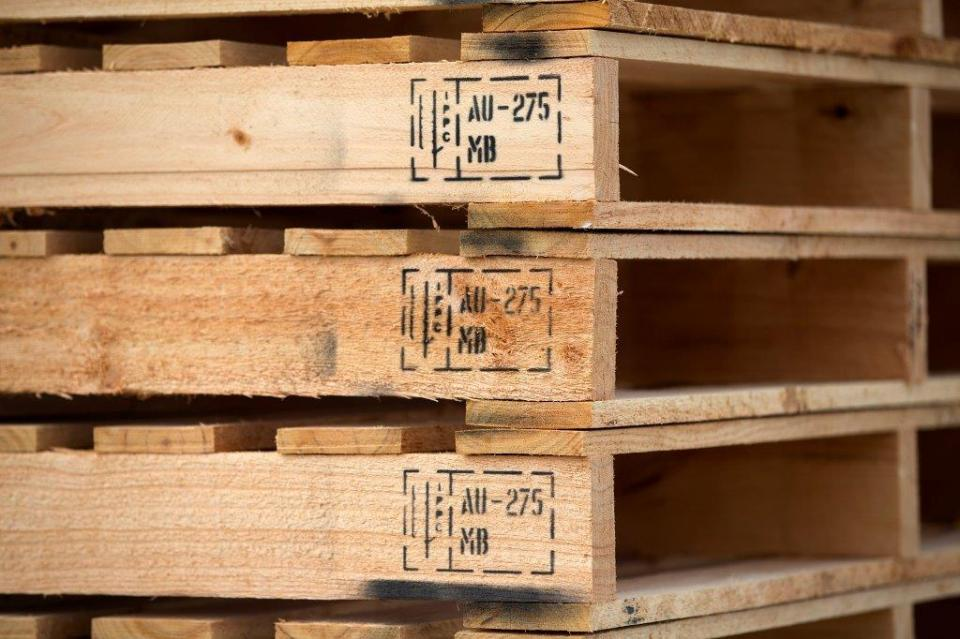
The fumigation mark, or fumigation stamp, is a stamp applied to a wooden pallet or wood packaging after the wood has been treated, as proof that the wood meets biosecurity requirements. It should be understood correctly: this is really the ISPM 15 mark and it is not only for fumigation; a heat-treated pallet carries the same format of mark, differing only in the treatment symbol.
Each mark has 4 components. The IPPC symbol (the ear of wheat of the International Plant Protection Convention) sits on the left. The country code is the 2-letter ISO code of the country of treatment, for example VN (Vietnam) or AU (Australia). The facility code is a unique code issued by the plant protection organisation to each producer or treatment provider, shown as xxx in the diagram for illustration. The treatment symbol shows the method: HT and DH are heat treatment; MB and SF are gas fumigation. A repaired pallet must be treated again and given a new mark if a major part of its components is replaced.
What the fumigation certificate contains
A valid fumigation certificate gives full details of the consignment, the chemical, the dosage, the exposure time, and the place and date of treatment, and this information must match the invoice, the packing list and the bill of lading. The fields usually present are:
- Description of goods, matching the invoice and the bill of lading.
- Bill of Lading No., container number and seal number.
- Weight and quantity of goods.
- Name of the means of transport, for example the vessel name.
- Chemical used, for example methyl bromide.
- Dosage of the fumigant in grams per cubic metre.
- Exposure time together with temperature, for example 48 hours at 25 °C.
- Place and date of fumigation.
- Name, address, signature and stamp of the treatment provider.
The quickest way to check a certificate yourself is to read the temperature written on the paper, then compare the dosage and exposure time with the dosage table above. In the example diagram: at 25 °C, ISPM 15 takes 48 g/m³ as the example dosage and requires at least 24 hours of exposure, so a certificate stating 50 g/m³ for 48 hours passes. If a certificate states a temperature below 10 °C for wood packaging fumigated with methyl bromide, that is a sign you should ask the treatment provider. Cargo going to Australia must also follow a separate information template, covered in the validity section below.
How to obtain a fumigation certificate
An exporter does not issue the certificate itself but hires a provider that holds a practising certificate for treating articles subject to plant quarantine. According to the Department of Crop Production and Plant Protection, this is a conditional business line under the 2013 Law on Plant Protection and Quarantine; the process usually has 5 steps as in the diagram.
The most common error is information on the certificate that does not match the bill of lading. A container number, seal number, goods description or weight that differs from the B/L makes the certificate suspect and holds the cargo for inspection; the way to prevent it is to compare the draft against the B/L and packing list before the treatment provider issues the original. A fumigation date written after the loading date makes the certificate invalid, so schedule fumigation before the container is packed.
The other two errors involve the treatment provider itself. A provider without a practising certificate produces a certificate that is not recognised, so ask to see this certificate before you sign a contract. A dosage or exposure time below what the importing country requires may mean the cargo has to be treated again at the destination port; before you accept the original, compare the dosage, temperature and exposure time on the certificate with the rules of the destination country.
Current legal basis in Vietnam
The base text is Law on Plant Protection and Quarantine No. 41/2013/QH13, in force from 1 January 2015 and still in force when we checked on 17 October 2026. The law has been amended by Law No. 35/2018/QH14 and Law No. 146/2025/QH15 (amending 15 laws in agriculture and the environment, effective 1 January 2026); the Office of the National Assembly issued consolidated text No. 69/VBHN-VPQH on 24 March 2026.
The conditions for granting the practising certificate for treating articles subject to plant quarantine are in Decree 66/2016/ND-CP, amended by Decree 33/2026/ND-CP of 21 January 2026; the procedure and dossier were announced in Decision 278/QD-BNNMT of 23 January 2026 of the Ministry of Agriculture and Environment. The issuing body is the Department of Crop Production and Plant Protection, formed on 1 March 2025 when the Plant Protection Department and the Crop Production Department merged; older documents that say “Ministry of Agriculture and Rural Development” or “Plant Protection Department” are using names from before this date.

How long is a fumigation certificate valid?
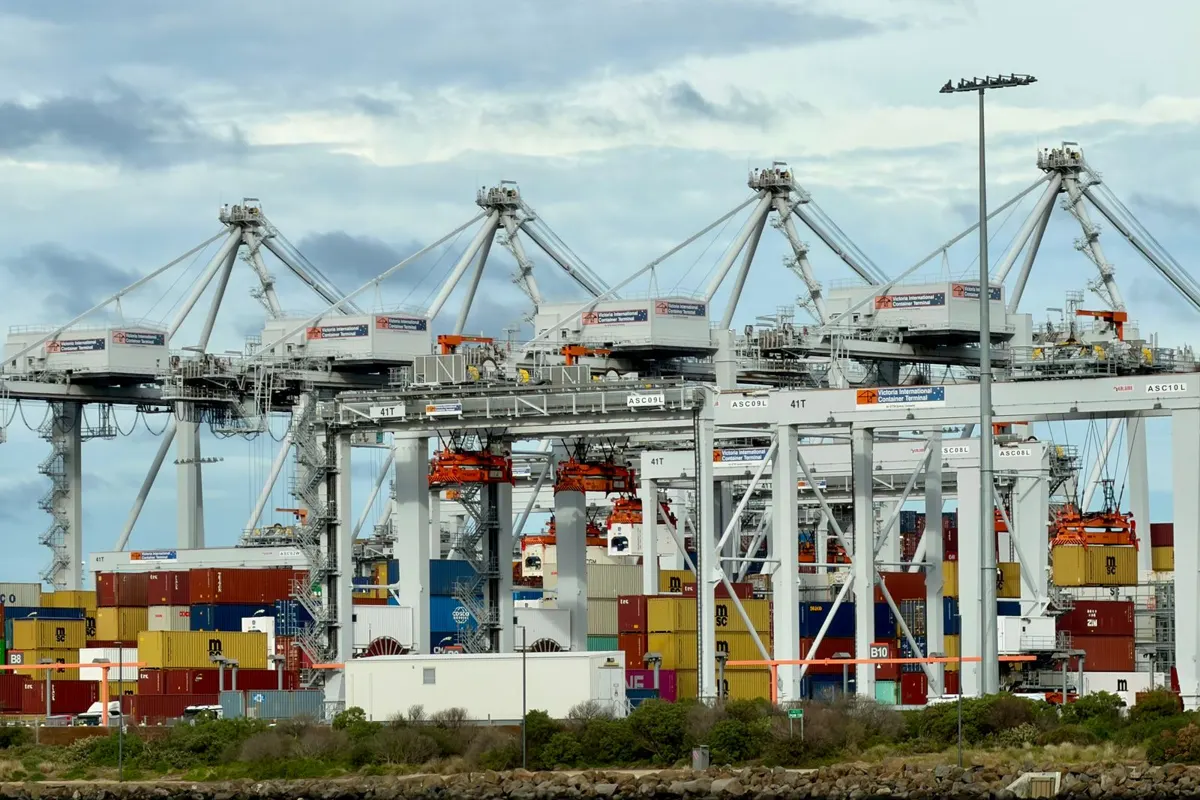
There is no general validity period for every fumigation certificate; the interval accepted between the fumigation date and the shipping date is set by the importing country for each commodity. For example, Australia requires that high-risk containers from countries at risk of khapra beetle be treated within 21 days before shipping, and from 1 May 2025 the Australian Department of Agriculture applies version 3.0 of its methyl bromide fumigation method, with new minimum information requirements on the certificate. So fumigate close to the packing date and check the rules of the destination country before you book a slot.
Conclusion
A fumigation certificate is proof that a consignment has been treated correctly, helping goods pass quarantine quickly and protecting the importing country’s ecosystem. Before exporting, a business should work out whether the destination country requires a certificate, choose a provider with a practising certificate, and check the draft against the bill of lading and against the dosage table by temperature. For wooden pallets, check the ISPM 15 mark on each pallet first; a certificate is made in addition only when the buyer or the L/C states it clearly.
Frequently asked questions
What is a fumigation certificate?
Also called a fumigation certificate (Fumigation Certificate), it is a document issued by a licensed treatment provider after fumigating a consignment, stating the chemical, dosage, exposure time, temperature, and the place and date of treatment.
Why is a fumigation certificate needed for export?
Because many importing countries require goods subject to quarantine to be treated before loading and to have documents proving it, to stop insects and pests spreading across borders.
Do ICD Vietnam export wooden pallets come with a fumigation certificate?
ICD Vietnam wooden pallets for export cargo are treated and given the IPPC mark under ISPM 15 through a licensed provider; this mark replaces the paper in most countries. ICD Vietnam does not fumigate itself and does not issue certificates itself; when a buyer asks for a certificate, it is issued by the treatment provider.
Who issues a fumigation certificate?
The licensed provider that treats articles subject to plant quarantine, after it finishes fumigating the consignment. A phytosanitary certificate is a different document, issued by the Department of Crop Production and Plant Protection.

How long is a fumigation certificate valid?
There is no fixed general period. The interval accepted between the fumigation date and the shipping date is set by the importing country; for example, Australia requires containers at risk of khapra beetle to be treated within 21 days before shipping.
Does a wooden pallet that already has an ISPM 15 mark need a fumigation certificate?
Under IPPC guidance, a valid ISPM 15 mark replaces the paperwork proving treatment, so normally it does not. A certificate is needed only when the importing country, the buyer or the L/C asks for it explicitly.
Does an MB-marked pallet need a certificate when exported to Europe?
Not under the general rules: the EU accepts wood packaging treated by HT or MB correctly under ISPM 15 and bearing the mark. The EU has only banned the use of methyl bromide within the bloc since 18 March 2010; many European importers ask for HT, so ask first.
What is a fumigation certificate called in English and Chinese?
In English it is Fumigation Certificate, in Chinese 熏蒸证书 (xunzheng zhengshu). The fumigation fee in English is fumigation fee.
Contact ICD Vietnam
ICD Vietnam supplies wooden pallets in standard sizes or to your drawing; pallets for export cargo are treated and given the IPPC mark under ISPM 15 through a licensed provider. Please state the destination market and the buyer’s document requirements when you order. ICD Vietnam has a production workshop, a Hanoi warehouse and a southern workshop; price: contact for a quote, volume discount available. No warranty or 7-day return applies to wooden pallets.
- North Vietnam: 0983 797 186 / 090 345 9186 / 090 5859 186; Hanoi warehouse: 3rd Floor, Thang Long A1 Building, Bau Hamlet, Thien Loc Commune, Hanoi.
- South Vietnam: 098 6784 186; southern workshop: 551/212 Le Van Khuong Street, Tan Thoi Hiep Ward, District 12, Ho Chi Minh City.
- Email: sales@icdvietnam.com.vn.
- Zalo: Chat with ICD Vietnam on Zalo.
References
- ISPM 15 standard, Annex 1 (methyl bromide treatment) and Annex 2 (the mark): International Plant Protection Convention (IPPC); IPPC, FAO - Guide to regulation of wood packaging material (2023).
- Requirements for wood packaging imported into the EU: European Commission, Requirements for wood packaging and dunnage; information sheet Wood packaging material (European Commission, 2019).
- Regulation (EU) 2024/590 on substances that deplete the ozone layer: EUR-Lex.
- Australian Department of Agriculture, Fisheries and Forestry (DAFF): Notice 145-2025 on methyl bromide fumigation certificate requirements; Measures for sea containers under the khapra beetle urgent actions.
- Practising in the treatment of articles subject to plant quarantine: Reply of the Department of Crop Production and Plant Protection on Chinh sach online (in Vietnamese), 17 April 2026.
- Law on Plant Protection and Quarantine No. 41/2013/QH13: Government Document System (in Vietnamese); consolidated text 69/VBHN-VPQH of 24 March 2026 (Official Gazette).
- Establishment of the Department of Crop Production and Plant Protection from 1 March 2025: Announcement of the Department of Crop Production and Plant Protection (in Vietnamese).