Table of Contents
- 1. Is rubber wood prone to termites and borers?
- 2. Export risks of rubber wood pallets with termites or borers
- 3. ISPM 15 treatment and how to prevent reinfestation
- 4. Termite and beetle resistance of pallet timbers compared
- 5. How to recognize a safely treated rubber wood pallet
- 6. Rubber wood pallets from ICD Vietnam
- Frequently asked questions
- Is natural rubber wood prone to termites and borers?
- Do treated rubber wood pallets still get termites and borers?
- How do heat treatment or fumigation affect rubber wood?
- Can kiln-dried rubber wood get beetles?
- Is finger-jointed rubber wood prone to termites and borers?
- Why does a pallet with an ISPM 15 mark still get beetles?
- What should I do with a rubber wood pallet that already has beetles?
- Does ICD Vietnam treat, dry or fumigate rubber wood pallets itself?
- Contact ICD Vietnam
- References
Reviewed and updated by ICD - Week 43/2026
Yes, rubber wood is very prone to termites and borers. The Wood Database rates it as perishable, open to staining fungi and insect attack, and the main culprits are starch-eating powderpost beetles such as Sinoxylon anale. ISPM 15 treatment (heating the core to 56°C for 30 minutes, or fumigation) kills the insects already inside the wood; keeping new infestation out takes preservative treatment and dry storage on top of that.
Raw rubber wood (green timber) is easy prey for termites and borers because its parenchyma cells hold a lot of sugar and starch. For logistics and export, a rubber wood pallet no longer carries live insects once it has passed ISPM 15 international quarantine treatment: heat or fumigation kills the eggs and larvae already in the wood, while preservative treatment and dry storage stop beetles from coming back during warehousing.
The question I hear most about rubber wood pallets is ‘the pallet has a fumigation mark, so why is there sawdust under it?’ I have worked at ICD Vietnam since 2011, and in most cases the mark is not fake. The buyer simply read ISPM 15 as permanent protection against beetles. This article separates three things that often get lumped together: killing insects already in the wood, keeping insects from returning, and keeping the wood dry. It also covers how to check rubber wood pallets when they arrive.
1. Is rubber wood prone to termites and borers?
Yes. Untreated rubber wood is among the least durable timbers: fungi, beetles and termites attack it both green and dry. After proper treatment the risk drops sharply but never reaches zero.
According to the Tropix technical sheet from CIRAD (France), rubber wood has natural durability class 5 (not durable) against wood-rotting fungi, is susceptible to dry-wood borers and termites, and stains easily with blue-stain fungi. The Rubberwood Processing Manual of the International Tropical Timber Organization (ITTO) explains why: freshly felled rubber wood holds a lot of carbohydrate in its parenchyma cells and has high moisture, so fungi and insects take to it quickly. For that reason the logs must be sawn and treated as soon as possible after felling, and the manual recommends sawing within 3 days.
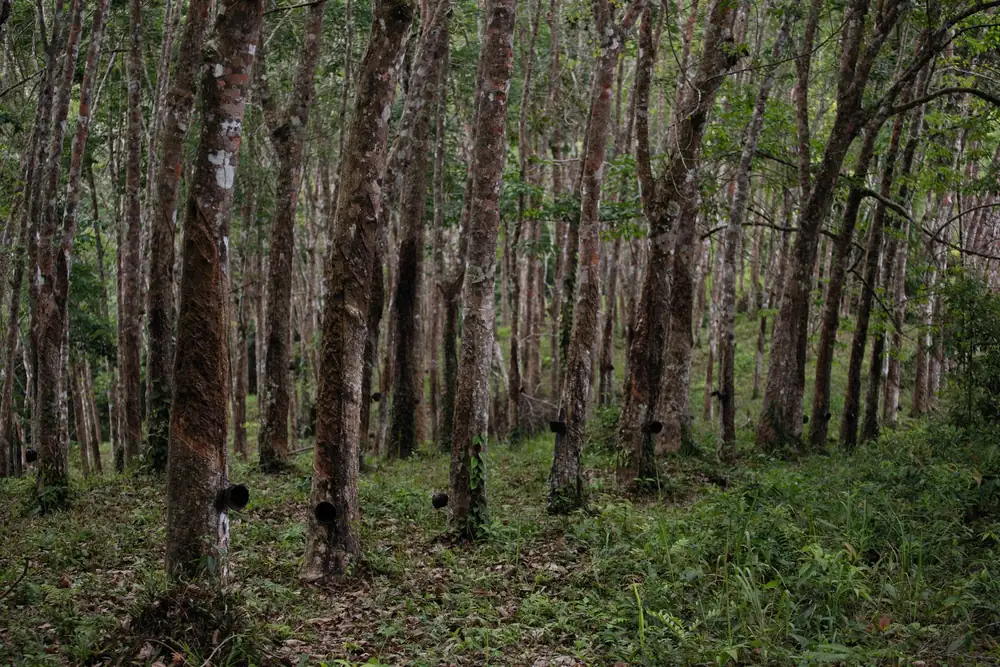
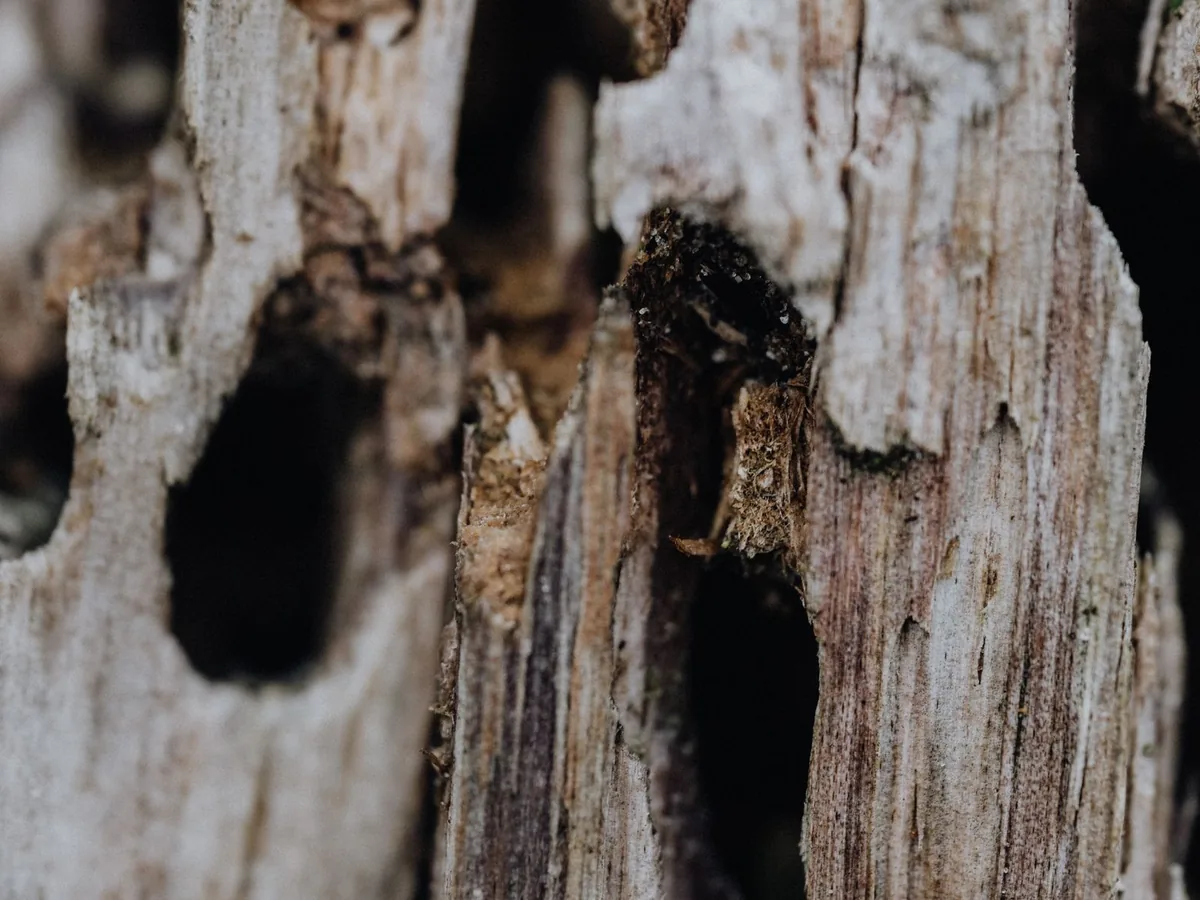
The same ITTO document separates two insect groups by the state of the wood. Green-wood borers (Platypodidae, Scolytidae) attack fresh logs and newly sawn timber, while powderpost beetles (Bostrichidae, Lyctidae) prefer dry wood and finished products, boring holes and leaving fine dust. That is why a dried rubber wood wooden pallet can still be attacked if the wood was never treated with preservative. In logistics, pallets for export cargo must go through ISPM 15 treatment, which kills insects already in the wood at the time of treatment; wood that is dried and preservative-treated also carries an active ingredient that makes it a poor home for termites and beetles.
How are termites and beetles different?
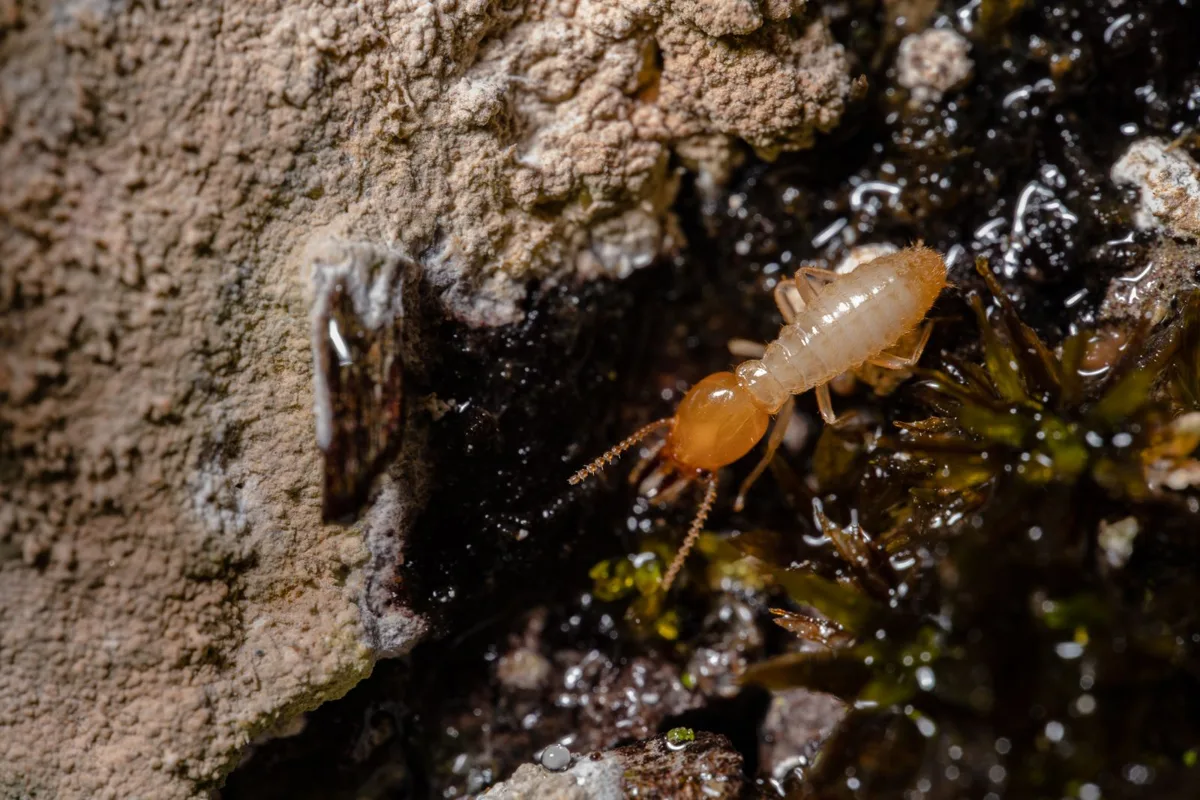
Termites and beetles are two different insect groups and are prevented in different ways. Dry-wood beetles attack even kiln-dried timber, while termites come mainly from soil and damp places. The blue mold on rubber wood is not an insect, but it is often lumped in as ‘damaged wood’.
| Agent | How to recognize it | Conditions | Main prevention |
|---|---|---|---|
| Dry-wood beetles (family Bostrichidae, subfamily Lyctinae) | Small round holes on the surface, fine sawdust piling under the pallet | Starch-rich sapwood, even after kiln drying | Boron preservative treatment, heat to kill larvae already inside |
| Termites | Earthen mud tubes on the wood, hollow wood inside | Pallets resting on soil, damp areas, near termite nests | Keep off the ground, keep dry, termite-resistant treatment |
| Mold and staining fungi | Blue-black or gray spots or streaks on the surface | Damp wood, closed storage, poorly ventilated containers | Dry thoroughly, apply fungicide treatment, store with airflow |
Which beetles attack rubber wood most?
The group that damages sawn rubber wood most is the powderpost beetles of the family Bostrichidae. A 2007-2008 survey of rubber wood sawmills in southern Thailand recorded 22 species of wood-boring beetles; Sinoxylon anale made up 40% of the individuals caught, followed by Sinoxylon unidentatum (18%), Heterobostrychus aequalis (10%) and Lyctoxylon dentatum (9%), with damage heavier in the dry season. Another study found that S. anale prefers and breeds better on rubber clones with high starch content, which supports the explanation above: beetles seek out rubber wood for its starch, not its moisture. In Malaysia, FRIM also records Minthea rugicollis and Heterobostrychus aequalis as the most common destructive powderpost beetles.
2. Export risks of rubber wood pallets with termites or borers
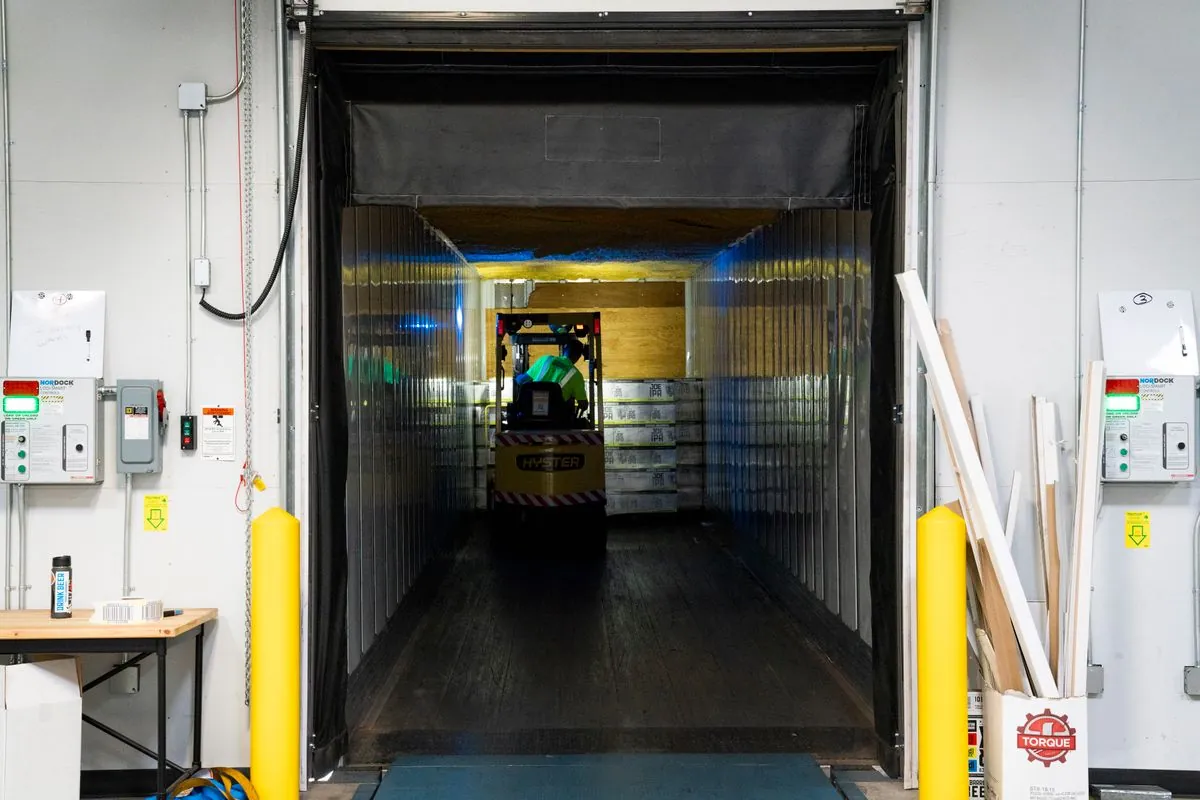
A pallet with live insects can get the whole shipment held for quarantine, re-treated, re-exported, or have its packaging destroyed at the destination port, plus storage fees while it waits.
Countries such as the United States, Australia and the European bloc inspect the wood packaging that comes with imported goods. When live insects or signs of infestation are found, clearance of the shipment can be suspended. The cost of re-treatment, re-export or destroying the packaging falls on the shipper, not to mention container demurrage. For partners, an infested shipment also weakens trust in the exporter’s quality control.
This risk is backed by real figures. According to a summary by the USDA Forest Service, inspections of wood packaging already stamped under ISPM 15 still found live insects on about 0.5% of consignments in Australia (2005), 0.3% in the EU (2005) and 0.1% in the US (2006). Most cases were tied to leftover bark: 78% of detections in Australia and 100% in the US.
That is why the 2009 revision of ISPM 15 limits residual bark: each piece must be narrower than 3 cm (regardless of length), or if wider than 3 cm, each piece must have a surface area under 50 cm². For rubber wood pallets, stripping all bark and rejecting boards with beetle holes before treatment is the cheapest way to reduce the risk of a held shipment.
3. ISPM 15 treatment and how to prevent reinfestation
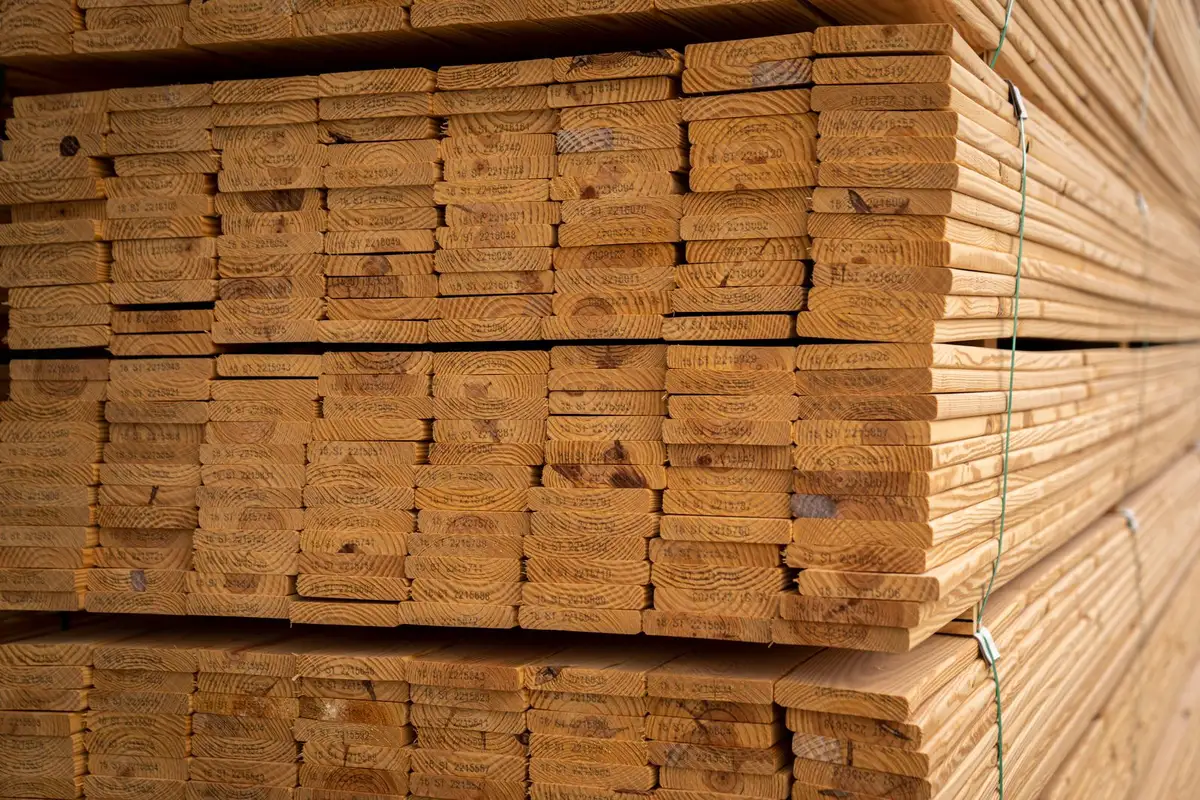
ISPM 15 recognizes four methods: heat treatment (HT), dielectric heating (DH), fumigation with methyl bromide (MB) and sulphuryl fluoride (SF). For rubber wood pallets heat treatment is the usual choice, and it should be paired with preservative treatment to prevent reinfestation.
It is important to understand the scope: ISPM 15 kills the pests in the wood at the time of treatment and does not guarantee protection afterwards. ICD Vietnam supplies rubber wood pallets and arranges ISPM 15 treatment through a licensed provider; we have no drying kilns, do not fumigate ourselves and do not issue certificates ourselves. The sections below describe each method so you know what to ask for when you order.
3.1. Fumigation
This process uses a chemical to kill pests. Pallets are stacked in a sealed chamber or under special sheeting, and methyl bromide gas (chemical formula CH3Br) is pumped in. The gas seeps into the cracks of the wood and kills eggs, larvae and adult insects hiding there.
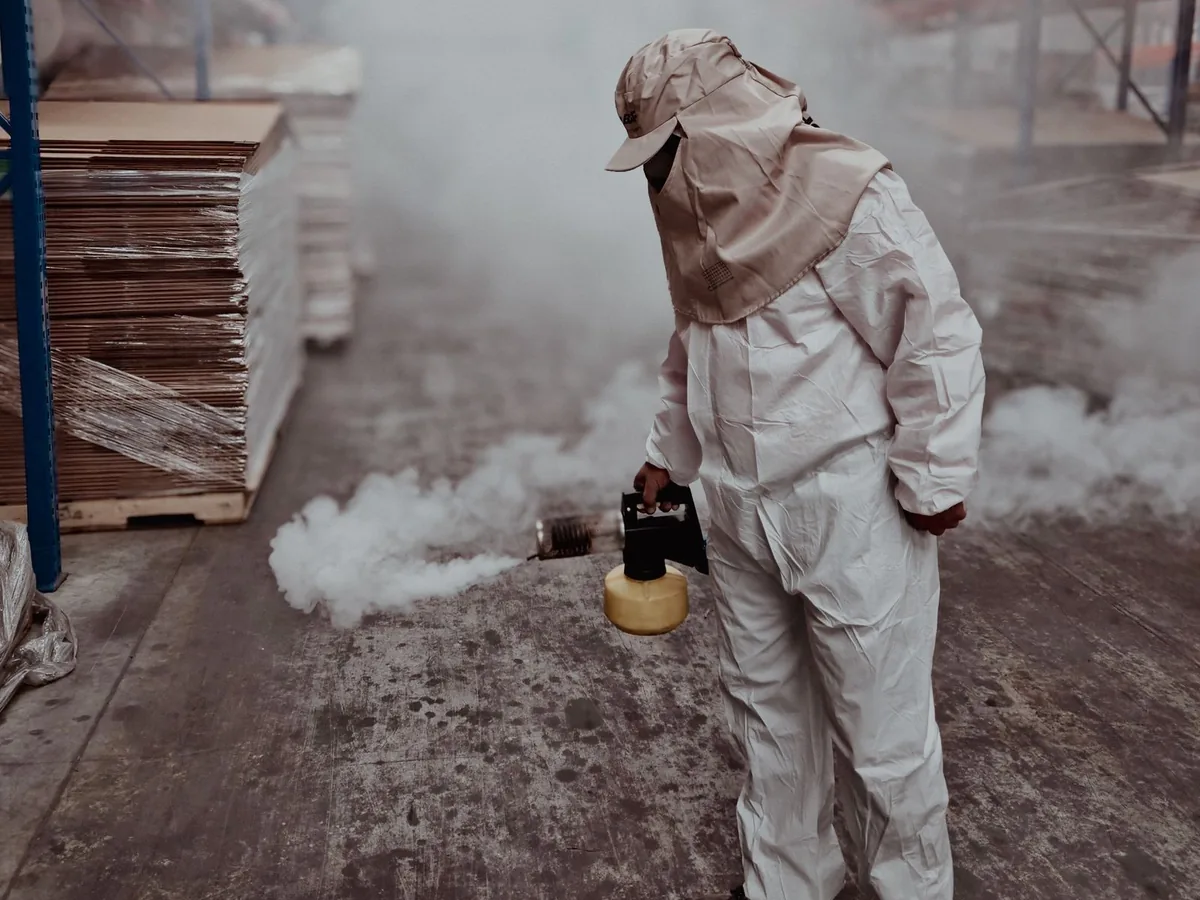
For cargo heading to Europe: according to the European Commission, methyl bromide is no longer used within EU territory, and the last exemption ended on 18 March 2010, but the EU still accepts imported pallets treated by HT or MB in line with ISPM 15.
3.2. Heat treatment
Heat treatment is the method ICD Vietnam advises customers to prefer because it uses no chemicals and is accepted in most markets. Pallets or sawn timber go into the heating chamber of the treatment facility, where the core temperature of the wood is raised to at least 56°C and held for at least 30 minutes without interruption.
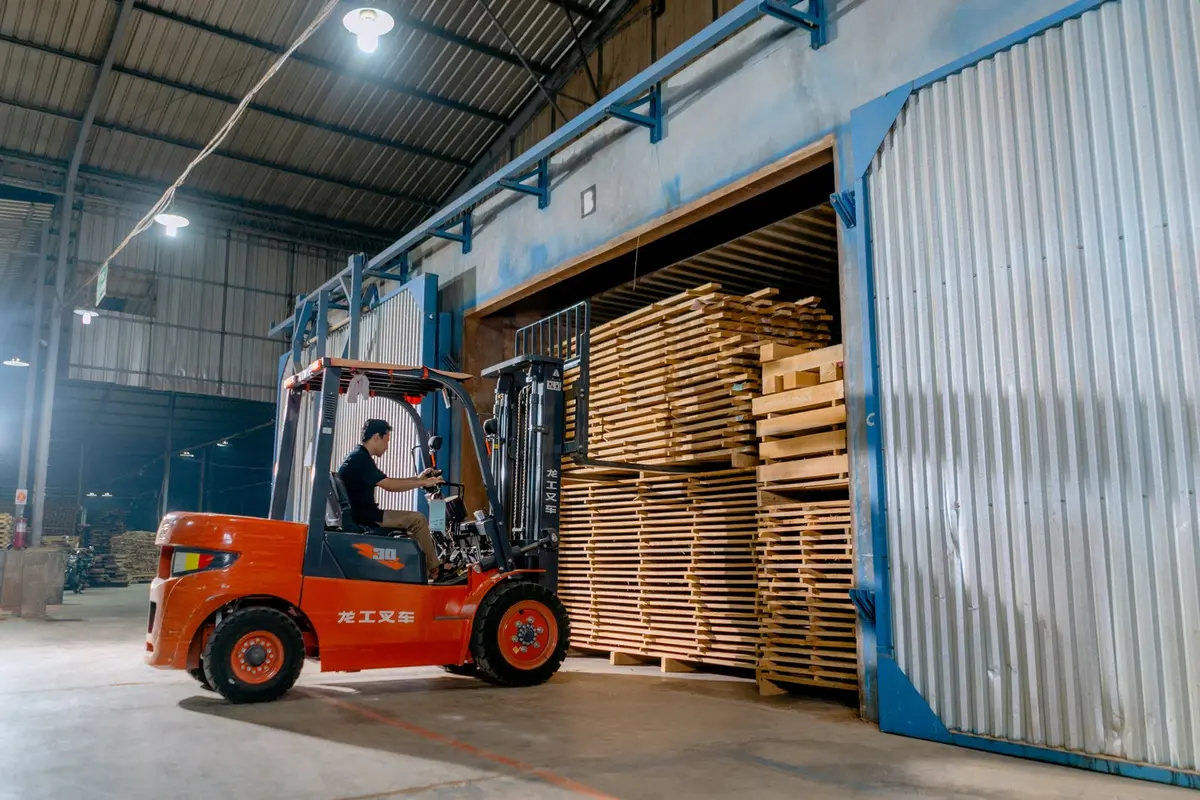
Heat kills the insects and fungi already in the wood. When combined with kiln drying (KD), moisture is brought below 20%; 56°C for 30 minutes alone does not require reaching that moisture level. Sufficiently dry wood is less attractive to pests: a technical bulletin from the Forest Research Institute Malaysia (FRIM) recommends bringing moisture to 12%, because above 13% powderpost beetle larvae can survive.
3.3. Why should an ISPM 15 pallet still be treated with preservative?
Because ISPM 15 only kills organisms in the wood at the time of treatment and leaves no protective layer. The IPPC explanatory document on ISPM 15 notes that treated, debarked wood is usually dry enough to be unattractive to most pests, but with exceptions: termites and some dry-wood beetles such as the Lyctidae. This is exactly the insect group often found on rubber wood.
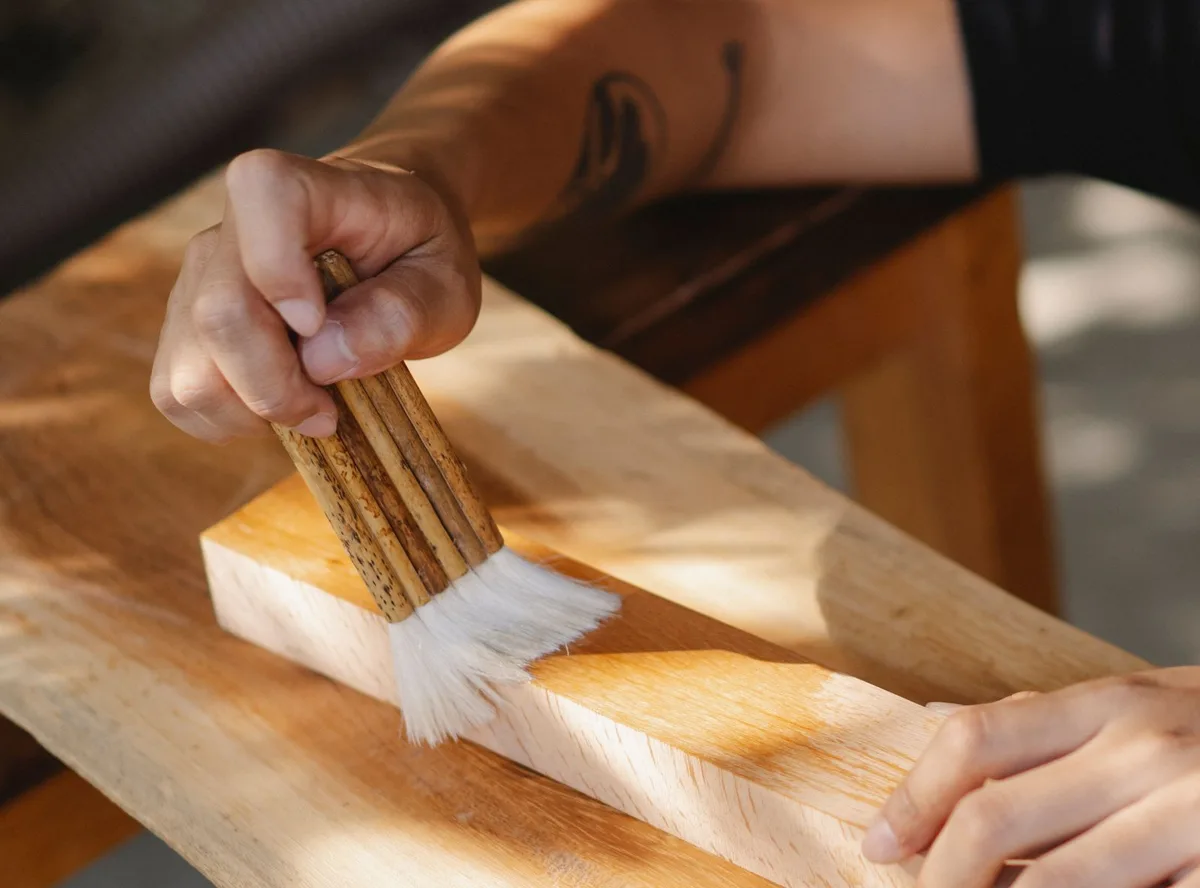
According to the ITTO manual, once rubber wood is dry, staining and rot fungi do not develop, but powderpost beetles can still attack; only diffusion or pressure treatment that gets enough preservative into the wood protects it over the long term. Boron-based preservatives are easily washed out by rain, so boron-treated wood suits indoor, covered use only. The steps for treating and drying rubber wood are covered in the treatment and drying article in the same section. The table below summarizes what each measure does:
| Measure | Kills insects already inside | Prevents reinfestation | Eligible for IPPC mark |
|---|---|---|---|
| Heat treatment HT (56°C at core, 30 min) | Yes | No | Yes (HT code) |
| Fumigation MB or SF | Yes | No | Yes (MB, SF code) |
| Kiln drying (KD) to low moisture | Yes, if HT parameters are met | Lowers risk through dry wood | Only when HT parameters are met |
| Preservative treatment (boron) | Partly | Yes, depending on how much preservative penetrates | No, preservative does not replace ISPM 15 treatment |
4. Termite and beetle resistance of pallet timbers compared
The three common pallet timbers, rubber wood, pine and acacia (Acacia mangium and hybrids), are all rated as having poor natural durability in technical sources, so how well a pallet resists termites and beetles depends on treatment, not on the species.
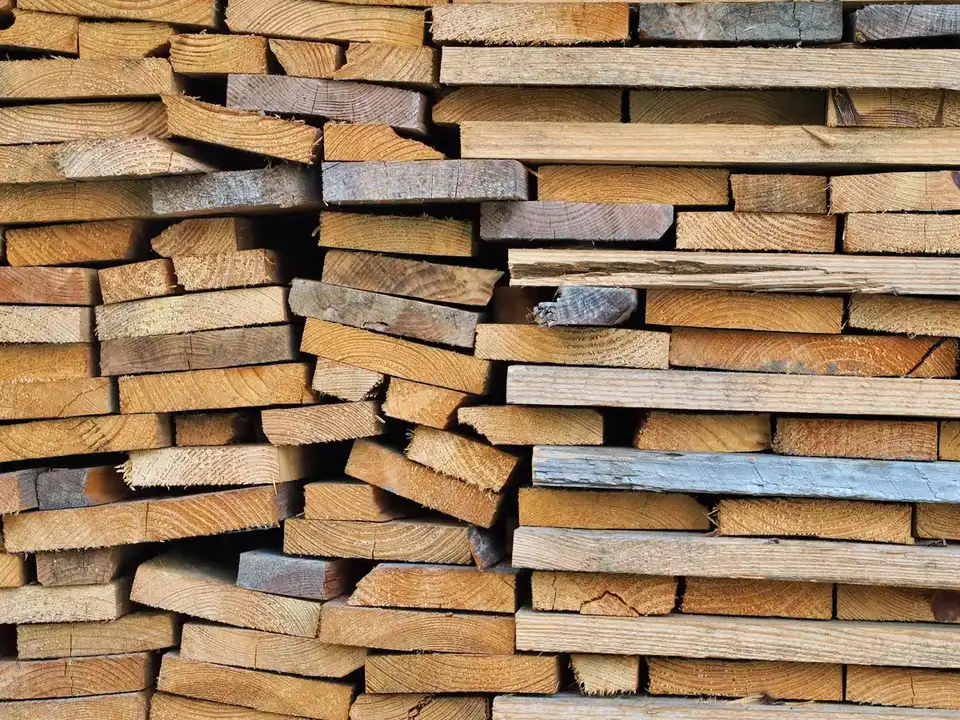
Rubber wood sits at the bottom for natural durability (class 5 by CIRAD) and is especially attractive to beetles because of its starch. For pine, The Wood Database rates radiata pine heartwood as poor to very poor in rot resistance, and Scots pine as moderate to poor. For acacia (commonly called tram wood when made into pallets), TCVN 12619-2:2019 classes it as low durability, and the yellow sapwood on the outside is easily attacked by termites and beetles while the wood is damp. The strength of rubber wood lies elsewhere: it takes preservative readily (CIRAD gives it treatability class 1, easy to treat), so when treated correctly the chemical goes deep into the wood. Mechanically, rubber wood has a harder surface than pine (Janka hardness 4,280 N per The Wood Database), which suits load-bearing pallets at a reasonable price.
5. How to recognize a safely treated rubber wood pallet
A safely treated rubber wood pallet has a clear ISPM 15 mark, dry wood, no bark, and no beetle holes or fine sawdust.
On the mark: every compliant pallet must carry a crisp ISPM 15 stamp showing the IPPC symbol, the country code VN, the code of the licensed treatment facility and the treatment code (HT for heat treatment, MB for methyl bromide fumigation). On the wood itself, a pallet that has been heat-treated and dried is usually clearly lighter than green wood because water has been drawn out, and the surface shows no blue-black staining spots.
How do I check for beetles on delivery and in storage?
Run a quick check of the 4 signs below when pallets arrive and periodically during storage; a pallet showing suspicious signs should be separated from the export shipment.
- Fine sawdust under the pallet or in nail holes: beetles are active inside; set it aside and do not use it for export cargo.
- Small round holes on boards or blocks: check for fresh sawdust, and if present, re-treat or replace the board.
- Bark still clinging to board edges: a spot where insects easily lay eggs after treatment; require it to be stripped before delivery.
- Earthen mud tubes, wood that sounds hollow when tapped: termites have moved in; discard the pallet and treat the warehouse area for termites.
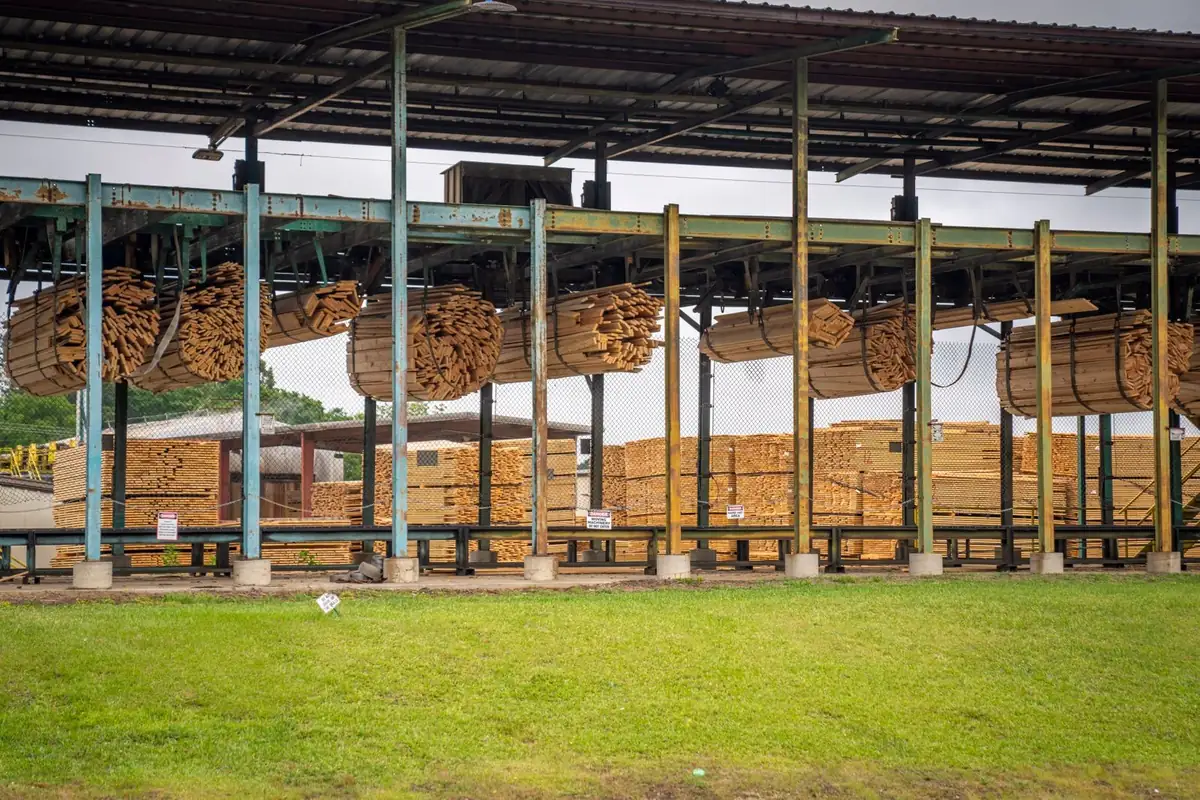
A pallet repaired with new boards, or rebuilt from old pallets, must be treated again under ISPM 15 before it is used for export cargo, because untreated boards invalidate the old mark.
6. Rubber wood pallets from ICD Vietnam
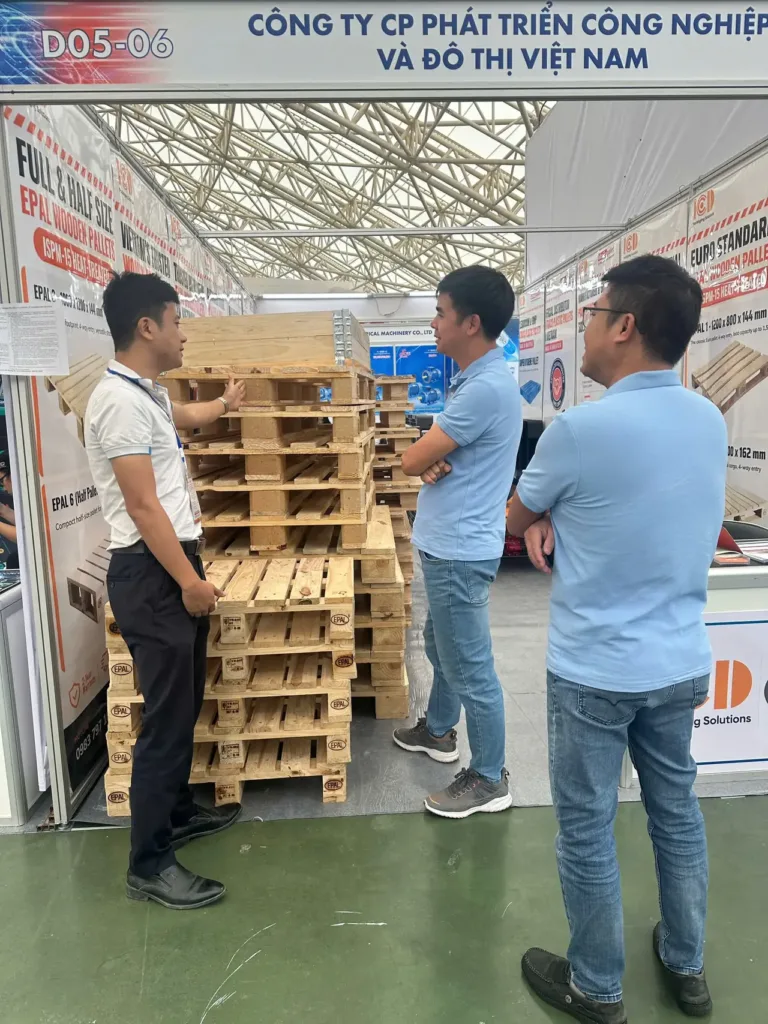
ICD Vietnam supplies rubber wood pallets in the sizes and load ratings customers specify; pallets for export cargo are treated to ISPM 15 and IPPC-marked through a licensed provider.
ICD Vietnam does not treat or dry timber itself. So when ordering, state your moisture requirement, preservative requirement and the ISPM 15 method required by the importing country, and we will confirm them in the quotation. On delivery, check against the 4 signs in section 5: wooden pallets carry no warranty, but can be returned or exchanged within 7 days under ICD Vietnam policy. Goods ship from our Hanoi warehouse or our southern workshop in District 12, Ho Chi Minh City; price: contact for a quote, with volume discounts.
Frequently asked questions
Is natural rubber wood prone to termites and borers?
Yes. Untreated rubber wood is classed as not naturally durable and is very prone to beetles, termites and staining fungi because its parenchyma cells hold a lot of sugar and starch.
Do treated rubber wood pallets still get termites and borers?
A pallet treated under ISPM 15 (heat or fumigation) carries no live insects at the time of treatment. To avoid reinfestation in storage, the wood needs preservative treatment and must be kept dry.
How do heat treatment or fumigation affect rubber wood?
They kill the eggs, larvae and insects already in the wood, so the pallet meets quarantine requirements for international clearance; the treatment leaves no protective layer against reinfestation.
Can kiln-dried rubber wood get beetles?
It can. According to the ITTO manual, fungi do not grow once wood is dry, but powderpost beetles favor dried wood; only preservative that penetrates deep enough protects it over the long term.
Is finger-jointed rubber wood prone to termites and borers?
It can be, if the strips were not treated and dried enough before joining. Boards made from boron-treated strips, dried to about 8-12% moisture and coated on all faces have a low beetle risk; set on damp ground they can still be attacked by termites.
Why does a pallet with an ISPM 15 mark still get beetles?
There are four common causes: insects reinfesting after treatment (especially when bark remains, or with termites and dry-wood beetles), treatment that missed the temperature or time, faulty treatment equipment, and a mark stamped on untreated wood.
What should I do with a rubber wood pallet that already has beetles?
Separate any pallet with fresh sawdust from the warehouse at once and do not use it for export cargo. A pallet that is still usable can have damaged boards replaced and be re-treated under ISPM 15 at a licensed facility; badly damaged pallets should be discarded so beetles do not spread to other lots.
Does ICD Vietnam treat, dry or fumigate rubber wood pallets itself?
No. ICD Vietnam arranges ISPM 15 treatment through a licensed provider; we have no drying kilns, do not treat or dry timber, do not fumigate and do not issue certificates ourselves. State your moisture and preservative requirements when you order so they can be confirmed in the quotation.
Contact ICD Vietnam
ICD Vietnam Industrial Manufacturing Co., Ltd.
North: 3rd Floor, Thang Long A1 Building, Bau Hamlet, Thien Loc Commune, Hanoi - 0983 797 186 / 090 345 9186 / 090 5859 186
South: 551/212 Le Van Khuong, Tan Thoi Hiep, District 12, Ho Chi Minh City - 098 6784 186
Email: sales@icdvietnam.com.vn
Zalo: Chat on Zalo now
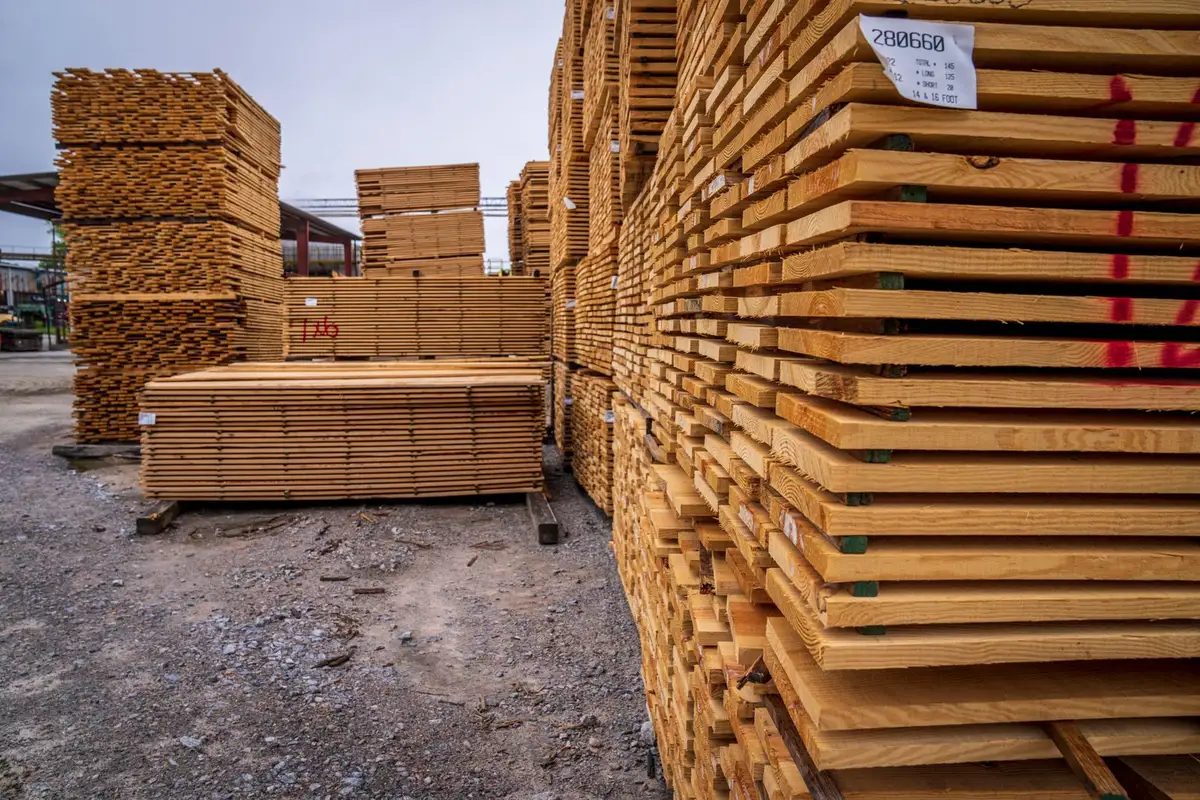
When asking for a rubber wood pallet price, send the dimensions, load rating, ISPM 15 requirement, moisture and preservative requirements, quantity and delivery location for an accurate quote.
References
- Rubberwood - The Wood Database.
- Rubberwood (Hevea brasiliensis), Tropix technical sheet - CIRAD (2024).
- Rubberwood Processing Manual - International Tropical Timber Organization (ITTO), project CFC/ITTO/72 PD103/01.
- Powder-post beetles attack on Malaysian timbers, Timber Technology Bulletin 124 - Forest Research Institute Malaysia (FRIM).
- Explanatory document for ISPM 15 - IPPC, FAO (2017).
- Haack, R.A. et al. - ISPM No. 15 and the incidence of wood pests, USDA Forest Service (2011).
- Sittichaya, W. and Beaver, R.A. - Key to powderpost beetles on rubber wood in Thailand, ZooKeys 26 (2009).
- Kangkamanee, T. et al. - Wood-boring beetles infesting rubberwood sawn timber in southern Thailand (2010).
- Pressure and non-pressure preservation methods for rubber wood treatment by boron preservatives - University of Sri Jayewardenepura.
- Requirements for wood packaging and dunnage; Regulation (EU) 2024/590 on methyl bromide - European Commission.
- TCVN 12619-2:2019 Timber - Classification by physical and mechanical properties (natural durability of acacia).
- Return and delivery policy - ICD Vietnam website, checked 17 October 2026.