

Table of Contents
- Where do used wooden pallets in Hanoi come from?
- Where to buy used wooden pallets in Hanoi?
- What should you check before buying used wooden pallets?
- Risks of buying used wooden pallets
- When should you buy new wooden pallets instead of used ones?
- How should a business clear its used wooden pallets?
- Besides wooden pallets, what else is liquidated on the market?
- Frequently asked questions about liquidating used wooden pallets
- How is the liquidation price of used wooden pallets worked out?
- I only have a small quantity (under 20). Can I still sell it?
- Is the used wooden pallet liquidation market in Ho Chi Minh City different from Hanoi?
- Can mouldy used wooden pallets be reused?
- Can used wooden pallets be used for export?
- What should I prepare to sell used pallets to a buyer?
- Does ICD Vietnam buy or sell used wooden pallets?
- Contact ICD Vietnam
- References
Reviewed and updated by ICD - Week 44/2026
Used wooden pallet liquidation in Hanoi happens mostly through collection yards on the outskirts, around industrial zones such as Thang Long, Noi Bai and Quang Minh, and through online classified channels. Price depends on four factors: condition, wood type, size and quantity. Buyers should check sample pallets for rot, termites, mould, structure and the ISPM 15 mark before accepting a whole lot, and should switch to new pallets when the cargo needs stable load capacity or is going for export.
After each large project, or when warehouse operations change, businesses are often left with a stock of used pallets; on the other side, many small warehouses, carpentry shops and furniture makers look for exactly those pallets to save money. This article sets out how the used wooden pallet market in Hanoi works, what to check when buying, the usual risks and when a new pallet is the better choice. I will also say up front that ICD Vietnam manufactures new wooden pallets and does not buy or trade used ones, so this article does not point to specific sellers.
Where do used wooden pallets in Hanoi come from?
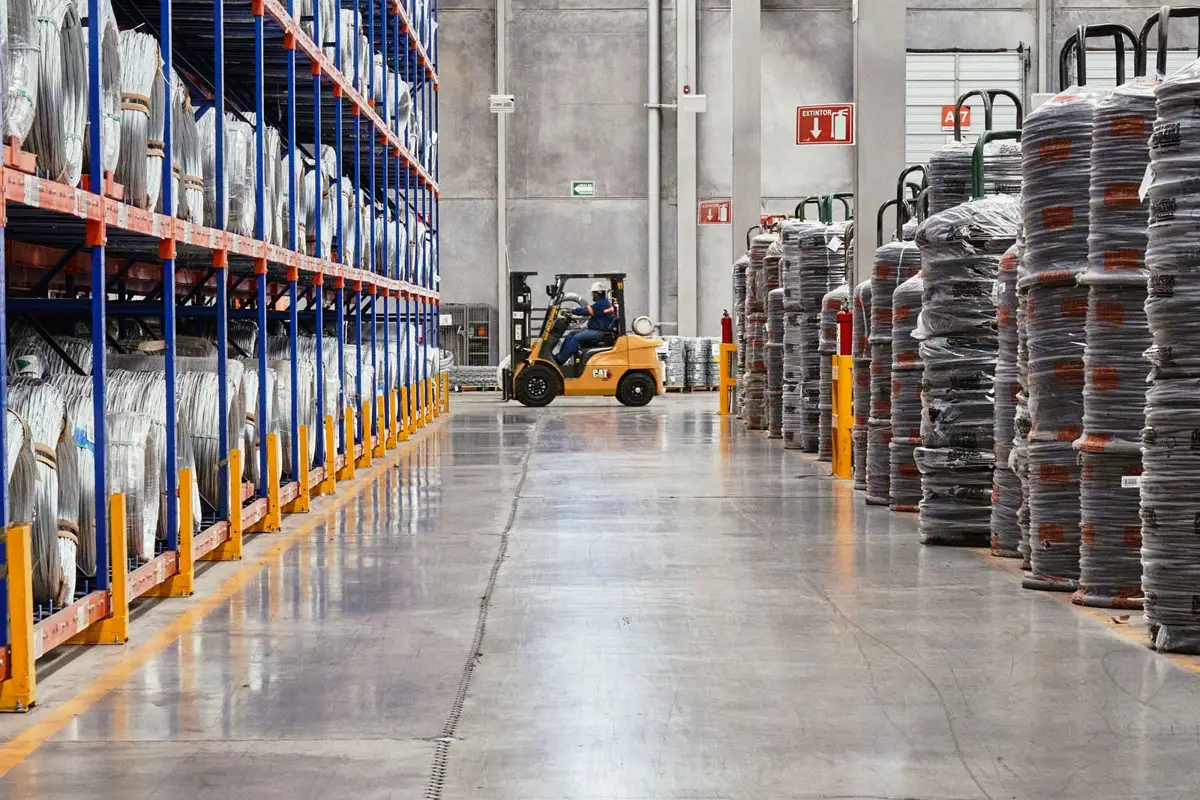
Used wooden pallets in Hanoi mainly come from pallets discarded after unloading at industrial zones, industrial clusters and import-export warehouses. Hanoi has a dense network of industrial zones and logistics activity, so used pallets are generated steadily all year round.
The largest source is the industrial zones and clusters, where raw materials and components arrive on wooden pallets and the pallets are discarded once unloaded. According to the Hanoi Hi-tech Parks and Industrial Zones Authority, the scale of these zones is as follows:
| Indicator | Figure | Source |
|---|---|---|
| Industrial zones in operation | 9 industrial zones, about 1,348 ha, occupancy close to 100% | Hanoi Hi-tech Parks and Industrial Zones Authority |
| Projects in the industrial zones | 884 projects, investment capital of nearly USD 9.4 billion (converted) | Hanoi Hi-tech Parks and Industrial Zones Authority |
| Workers in the industrial zones | About 185,000 people | Hanoi Hi-tech Parks and Industrial Zones Authority |
| Industrial clusters in operation | 70 clusters, about 3,864 enterprises and production facilities | Hanoi Department of Industry and Trade (04/2024) |
Industrial cluster figures from the Government Portal (Thang Long, 04/2024). Exporters often use only one-way pallets or discard imported pallets after unloading, so there is always a plentiful supply of used wooden pallets on the outskirts of Hanoi.
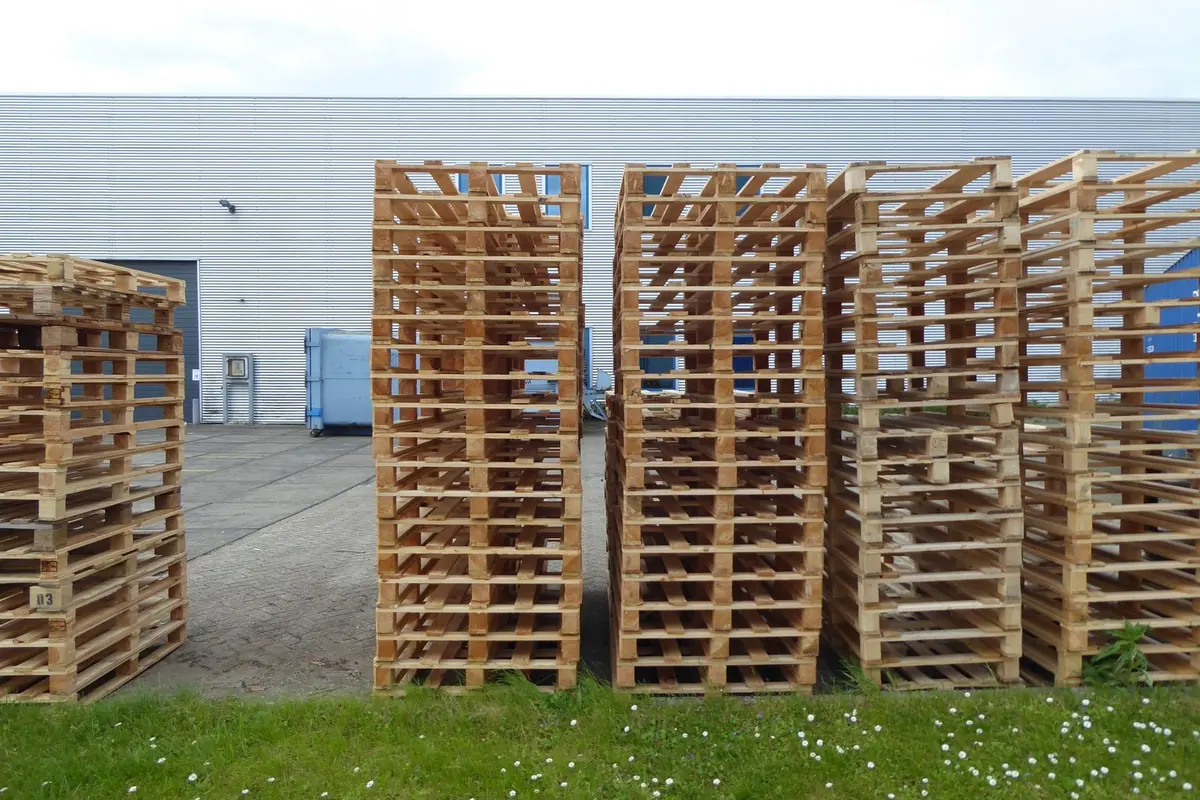
This creates a continuous cycle: large companies regularly have used pallets to clear, while small businesses and furniture workshops want to buy cheap wooden pallets to save money. With supply and demand both plentiful, the liquidation market on the outskirts of Hanoi stays busy. A lot of used pallets usually passes through four stages, shown in the diagram below:
Why is the used pallet liquidation market in Hanoi so busy?
Where to buy used wooden pallets in Hanoi?
Large quantities of used pallets are concentrated in yards on the outskirts and around industrial zones; small quantities for individual needs are easier to find through online channels and carpentry shops. Based on the pallet trading and collection sites active in Hanoi that I read while writing this article, collection points are usually around the Quang Minh, Thang Long and Noi Bai industrial zones and in outer areas such as Hoai Duc, Thuong Tin, Dong Anh and Me Linh, plus the large industrial scrap yards.
For small quantities or DIY furniture, buyers usually search on Facebook Marketplace with the keyword “thanh ly pallet go” (wooden pallet liquidation), in groups for second-hand goods and used pallets in Hanoi, on classified sites, at small carpentry shops that resell pine wood taken from pallets, and on streets known for wooden and second-hand goods. Online channels make it easy to compare prices, but the photos in listings are usually of the best pallet in the lot, so you should still arrange to see the goods in person.
What should you check before buying used wooden pallets?
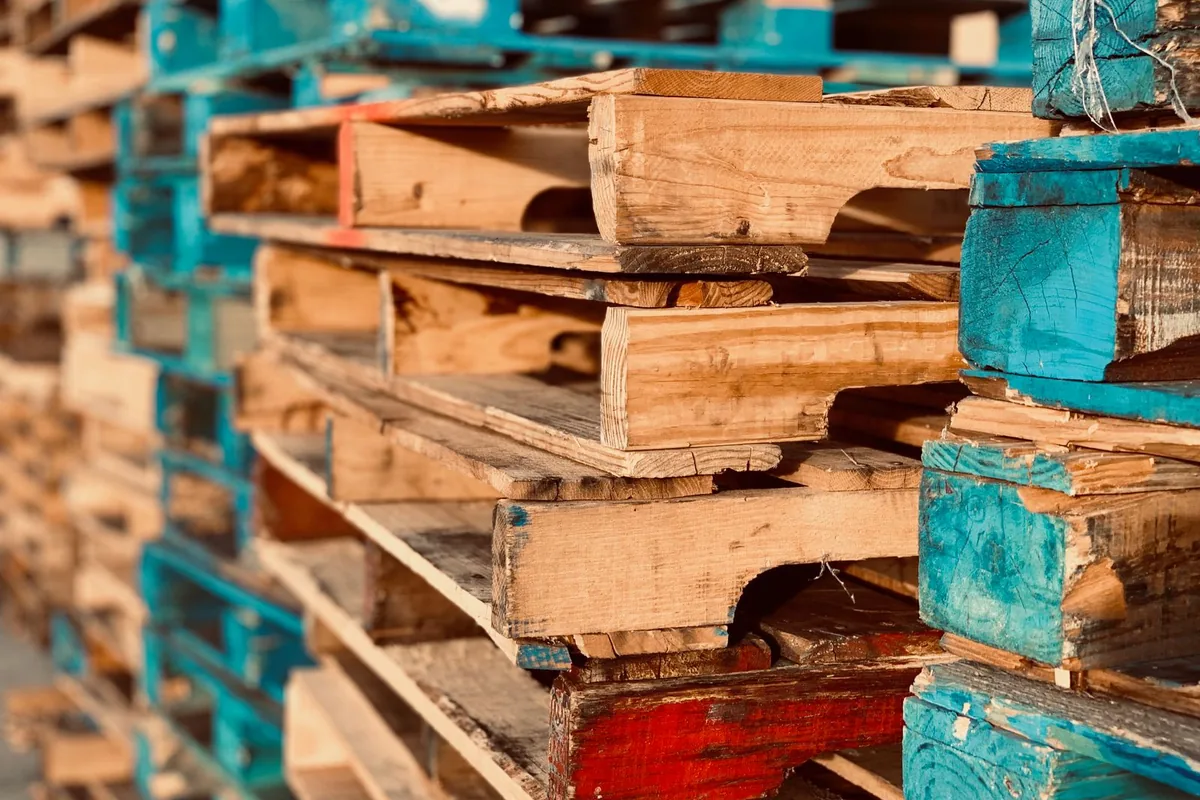
Before buying, check sample pallets in the lot for termites and borers, rot and mould, structure, moisture, what cargo they carried before, and the ISPM 15 mark. Used pallets are often kept outdoors before sale, so the biggest risk is rot, termites and mould spreading to your warehouse. Check a few sample pallets against the table below before accepting a whole lot:
| Item | How to check | Reject when |
|---|---|---|
| Termites, borers | Tap the feet, look for bore holes and wood dust under the feet | Fresh bore holes, fresh wood dust, termite tracks |
| Rot, mould | Press a fingernail into the feet and bottom boards; look for green or black marks | Soft wood, mould that has spread deep, damp smell |
| Structure | Lift one corner and look for broken boards, cracked feet, loose nails | Boards split lengthwise, split feet, protruding nails |
| Moisture | Dark wood that feels unusually heavy after rain | Planned for closed storage or food cargo |
| Origin | Ask what cargo the pallet carried | Carried chemicals or oil if it will be used for food or furniture |
| ISPM 15 mark | Read the IPPC mark on the pallet foot | Intended for export but the mark is faded, missing or the pallet has been repaired |
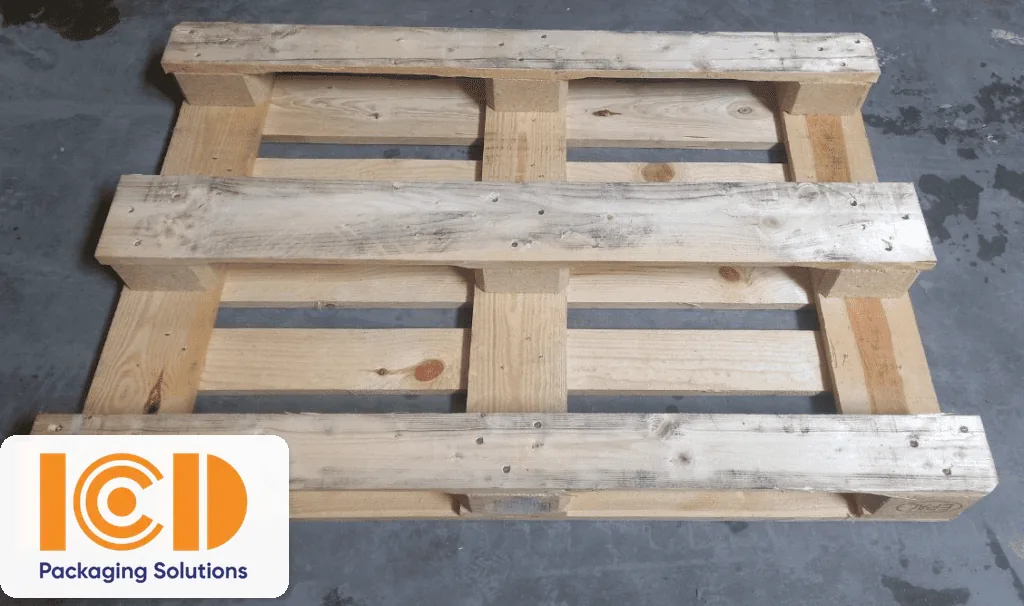
For pallets that will become DIY furniture, prefer pallets with the HT code (heat treated) and avoid pallets with the MB code (methyl bromide fumigation). When you check, do not just look at the top: turn a few over to see the bottom boards and the feet, because these touch damp floors and rot first. If you accept a whole lot, I suggest keeping it in a separate corner of the warehouse for a few days, watching for borer dust or mould, before moving it into the main goods area.

Risks of buying used wooden pallets
The main risks of buying used wooden pallets are uneven quality from pallet to pallet, no data on the remaining load capacity, pests that travel into your warehouse with the pallet, and an ISPM 15 mark that may no longer be valid. Each risk can be controlled if you know about it in advance and write clear criteria into the order.
Uneven quality is almost certain, because a lot of used pallets is collected from many warehouses and many consignments. The same size can include pallets that look nearly new and others with replaced boards. The “grade A, B, C” split is set by each seller, so when you agree to buy, write into the order the number of boards that may be replaced, the acceptable level of cracking and the share of pallets that can be exchanged if they fail.
Remaining load capacity is a figure nobody publishes for used pallets. The load rating printed in a catalogue only holds for a new pallet built to specification; a pallet that has been through many handling cycles, got damp or been repaired will carry less. For heavy goods, high stacking or racking, do not rely on a used pallet of unknown history.
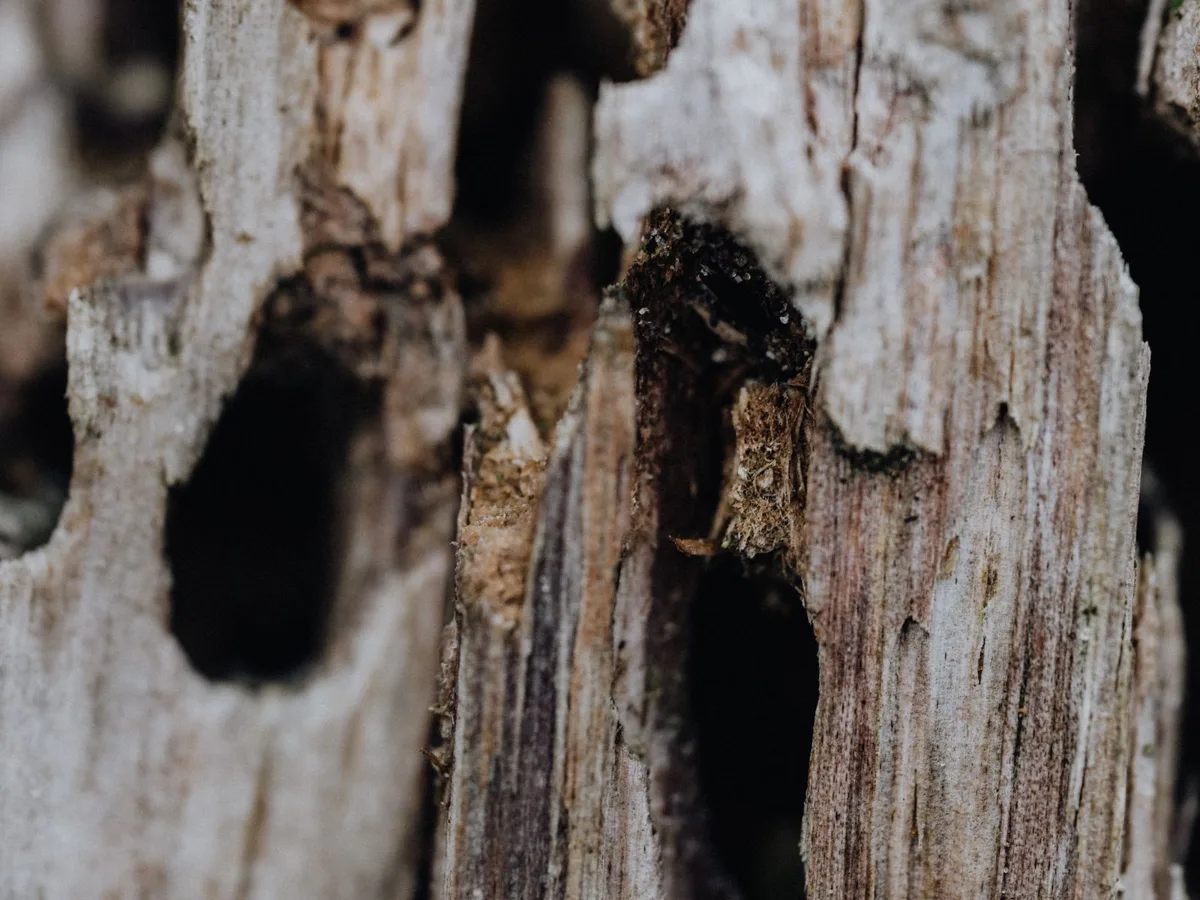
Pests are the easiest risk to overlook: borers and termites in used pallets can spread to wooden racks, carton packaging and the goods in your warehouse. For export cargo, a pallet repaired with untreated wood loses the validity of the old IPPC mark for the new wood; under ISPM 15, a pallet with too many replaced parts must have the old mark removed, be treated again and be given a new mark by a licensed provider. Buying used pallets for export cargo is therefore often not as cheap as first calculated.
When should you buy new wooden pallets instead of used ones?
Buy new wooden pallets when the cargo is going for export, when you need stable load capacity for heavy goods or high racking, when you need large, uniform quantities of one specification, or when the warehouse stores food or pharmaceuticals. Used pallets suit internal handling, light goods and short-term needs best. Whichever you buy, choose by purpose, because each purpose has different requirements:
| Purpose | Suitable used pallet | Note |
|---|---|---|
| Holding goods in an internal warehouse | Repaired wooden pallets, used plastic pallets | Enough capacity for the real load, no rotten feet |
| Export with the cargo | Wooden pallet with a clear ISPM 15 mark that has not been repaired | A repaired pallet must be treated and re-marked |
| Food and pharmaceutical warehouses | Cleaned used plastic pallets | Used wooden pallets are hard to clean and easily get mouldy |
| DIY furniture | Dry, HT-coded, clean wooden pallet | Avoid MB-coded pallets and pallets that carried chemicals |
The advantage of a new pallet is clear specification: size, wood type, board thickness and load capacity are set by drawing, and a pallet for export is treated and stamped under ISPM 15 just before delivery. The upfront cost is higher, but in return the business avoids the work of sorting, rejecting damaged pallets or re-treating at packing time.
How should a business clear its used wooden pallets?
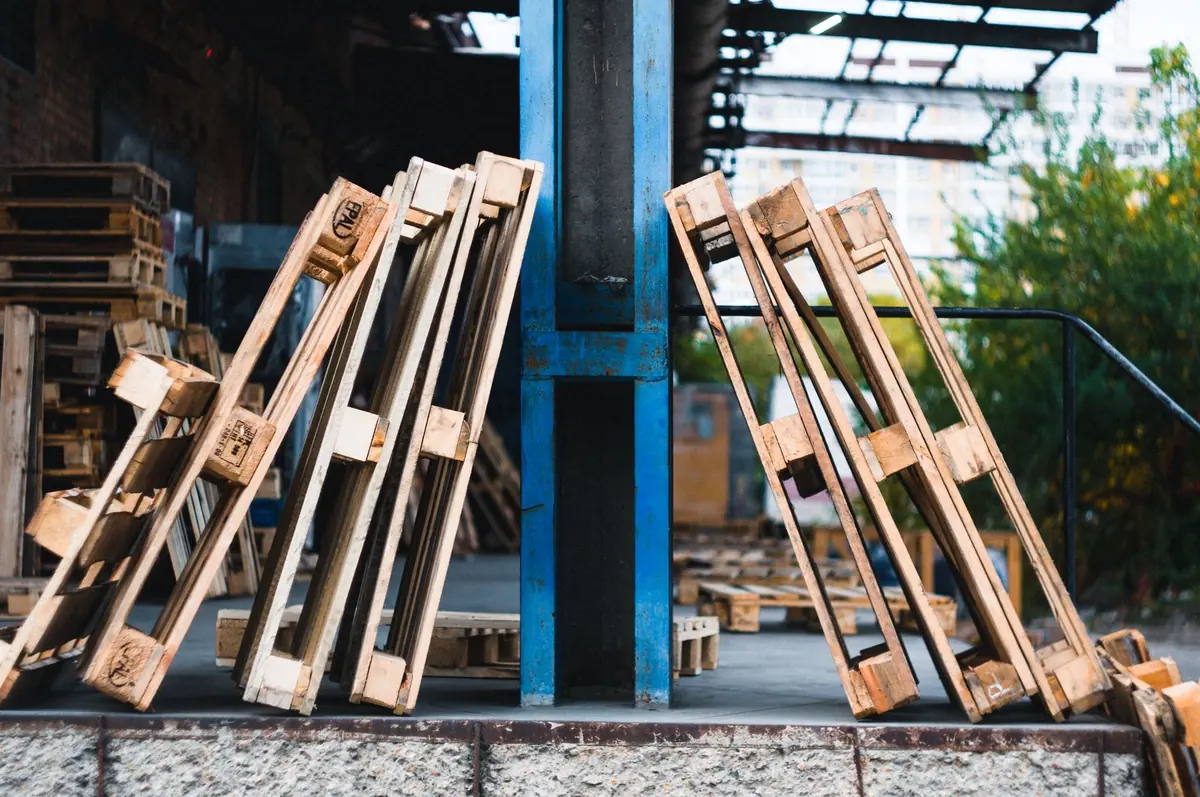
To clear used pallets at a good price, sort them by condition and size, clean them, count the quantity with photos, then get quotes from 2 - 3 buyers. Pallets for clearance are usually divided into three groups by condition:
If your business has a quantity of used pallets to clear, you can follow the steps below to sell at a good price:
- Sort pallets by size, wood type (pine, acacia and so on) and, most important, condition: nearly new, scratched but structurally sound, or only fit for floor lining.
- Sweep off dust and dirt, because clean pallets usually fetch a higher price.
- Take clear photos of each group of pallets and count the exact quantity and sizes.
- Send the details to a few wooden pallet suppliers in Hanoi to compare quotes, and negotiate if the quantity is large.
Pallets with broken boards, rotten feet or heavy mould that can no longer be used still have an outlet: they are usually collected as scrap wood to be chipped, used as fuel or made into plywood. Separate this group when sorting, because mixing it into a lot of good pallets pulls down the price of the whole lot.
When you contact a buyer, send the four groups of information below so that you get a quick, accurate quote:
Besides wooden pallets, what else is liquidated on the market?
Besides wooden pallets, the liquidation market also has used plastic pallets, steel pallets, and wooden crates and cases. Used plastic pallets are fairly common, often coming from industries such as electronics and food; plastic does not absorb moisture like wood, so it stands up better to weather and is easier to clean. Used steel pallets are less common and usually come from mechanical and heavy-industry plants. Wooden crates and cases used to ship machinery and fragile goods are also resold regularly, mainly to reuse the wood.
Frequently asked questions about liquidating used wooden pallets
How is the liquidation price of used wooden pallets worked out?
The buying or selling price depends on four main factors: condition (how much life is left), wood type (pine, acacia and so on), size and quantity. The larger and more uniform the lot, the easier it is to negotiate the price.
I only have a small quantity (under 20). Can I still sell it?
Yes. For small quantities, posting on online channels such as Facebook Marketplace or contacting carpentry shops and small collection points near you is usually more effective, because buyers with trucks and loading crews usually prefer large lots.
Is the used wooden pallet liquidation market in Ho Chi Minh City different from Hanoi?
The way it works is similar in principle: pallets are generated at industrial zones and port warehouses, then collected, sorted and resold. The main difference is where the yards are; in the south they are concentrated around Ho Chi Minh City’s large industrial zones and the neighbouring provinces.
Can mouldy used wooden pallets be reused?
Light surface mould can be brushed off and the pallet dried, then used to hold goods that have no hygiene requirement. If the mould has spread deep, the wood is soft or it smells damp, reject the pallet, because mould easily spreads to carton packaging and the goods in the warehouse.
Can used wooden pallets be used for export?
Yes, if the pallet still has a clearly legible ISPM 15 mark (IPPC mark) and has not been repaired. A pallet with replaced boards or feet, or with no mark, must be treated and re-marked by a licensed provider before it is used for export cargo.
What should I prepare to sell used pallets to a buyer?
Prepare the quantity in each size, photos of a few sample pallets, the warehouse address and loading time window, and set aside the damaged pallets. Agree in advance how counting and weighing will work, the payment method and the accompanying documents.
Does ICD Vietnam buy or sell used wooden pallets?
No. ICD Vietnam manufactures and supplies new wooden pallets to drawings and in common sizes; it does not buy and does not trade in used wooden pallets. If you need pallets with a clear specification or for export, contact ICD Vietnam for advice and a quotation for new pallets.
Contact ICD Vietnam
ICD Vietnam manufactures new wooden pallets and has a Hanoi warehouse and a southern workshop; pallets for export cargo are treated and stamped with the IPPC mark under ISPM 15 through a licensed provider. Price: contact for a quote. Delivery follows ICD Vietnam’s shipping policy. Wooden pallets carry no warranty but can be exchanged or returned within 7 days.
North Vietnam: Thang Long A1 Building, Bau Hamlet, Thien Loc Commune, Hanoi - 0983 797 186 / 090 345 9186 / 090 5859 186, email sales@icdvietnam.com.vn
Southern workshop: 551/212 Le Van Khuong Street, Tan Thoi Hiep Ward, District 12, Ho Chi Minh City - 098 6784 186
References
- Introduction to the high-tech parks and industrial zones of Hanoi - Hanoi Hi-tech Parks and Industrial Zones Authority (accessed 17 October 2026).
- Investing in industrial zones and clusters: attracting FDI capital - Government Portal, 04/2024.
- Resolution 1656/NQ-UBTVQH15 on rearranging the commune-level administrative units of Hanoi in 2025 - Government Portal.
- ISPM 15 on wood packaging material, section 4.3 on reuse, repair and remanufacture - International Plant Protection Convention (IPPC).