Mục lục
- 1. Is Storing Rice in a Plastic Container Safe? Concerns and Facts
- 2. Understanding the Safety of Different Plastics
- 3. How to Identify a Safe Plastic Container for Rice Storage
- 4. Comparison: What Is the Best Container for Storing Rice?
- 5. Tips for Storing Rice in a Plastic Container Correctly
- 6. Feng Shui and Traditional Perspectives
- Frequently Asked Questions (FAQ)
- References
QUICK SUMMARY
- Short answer: Yes, storing rice in a plastic container is safe, but only when you choose the right type of plastic specifically manufactured for food storage.
- Safest plastic type: Always look for containers made from PP plastic (No. 5). This is the safest option - heat-resistant, BPA-free, and FDA-approved for long-term food storage. HDPE plastic (No. 2) is also a safe choice.
- How to identify a safe plastic container: Look for the triangle symbol with number 5 or 2 on the bottom. Prioritize products with the “Food Safe” symbol (fork and glass icon), no strong plastic smell, and from reputable brands.
- Alternatives: Compare the pros and cons of storing rice in ceramic, stainless steel, and wood containers to find the best option for you.
- Rice storage tips: Practical methods for storing rice correctly in plastic containers to keep it fresh, and prevent mold and insects.
1. Is Storing Rice in a Plastic Container Safe? Concerns and Facts
The question of whether you should store rice in a plastic container is a valid concern for many households. The main worry is whether harmful chemicals or plastic additives can leach into the rice and affect health - or even cause food allergies.
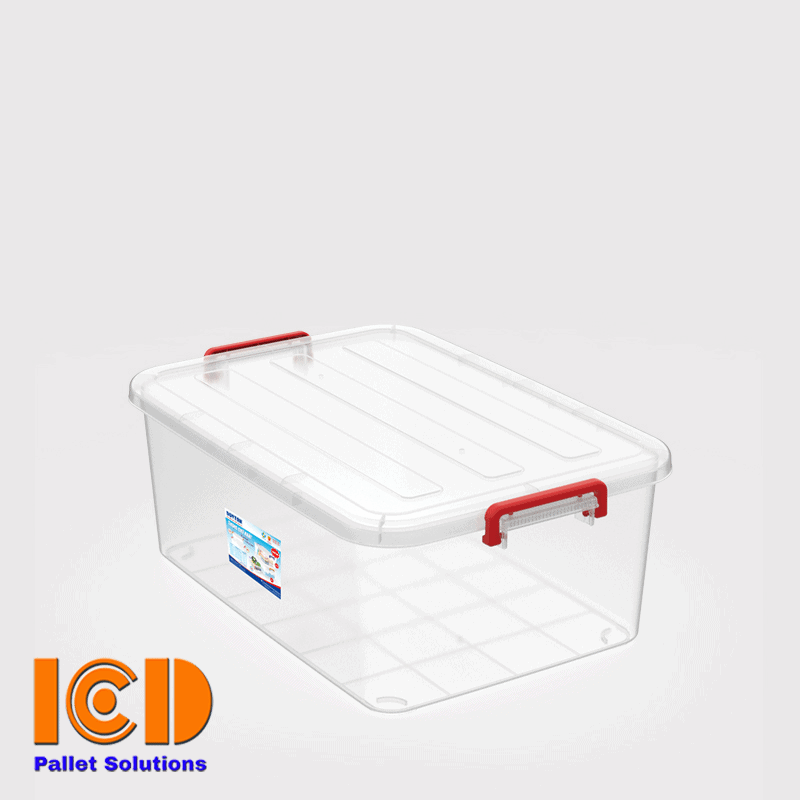
The truth is, not all plastics are the same. Food safety depends entirely on the quality of the plastic container and the material it is made from. When chosen correctly, a plastic container is one of the best and most convenient solutions for storing rice.
2. Understanding the Safety of Different Plastics
To know what material is best for storing rice, you first need to understand plastic recycling codes. On the bottom of most plastic products, you will find a triangle with a number inside (1 to 7).
Plastics Safe for Storing Rice
- PP Plastic (No. 5 - Polypropylene): This is the BEST and safest choice. PP plastic is highly durable, heat-resistant above 100°C, does not degrade, and does not react with food. It is BPA-free and certified safe by the U.S. Food and Drug Administration (FDA). Most high-quality food containers, yogurt cups, and baby bottles are made from this plastic.
- HDPE Plastic (No. 2 - High-Density Polyethylene): Also a very safe option. HDPE plastic is highly durable, chemically inert, and does not release toxins.

Plastics to AVOID or USE WITH CAUTION for Storing Rice
- PET Plastic (No. 1): Commonly used for soda and water bottles. This plastic is safe for single use but is not recommended for long-term food storage due to its porous surface, which can harbor bacteria and may release chemicals with repeated use.
- PVC (No. 3), PS (No. 6), PC and other plastics (No. 7): Never use these plastics to store rice or food in general, as they carry a high risk of leaching harmful substances such as VCM, Styrene, and BPA into food.
3. How to Identify a Safe Plastic Container for Rice Storage
To make sure you buy the right quality product, follow these 4 criteria:
- Check the triangle symbol on the bottom: Always prioritize containers with the number 5 (PP) symbol.
- Look for the “Food Safe” symbol: Find the “fork and glass” symbol on the label or body of the product. This is the manufacturer’s commitment that the product meets safety standards for direct contact with food.
- Choose opaque white or transparent containers with no smell: Avoid plastic containers made from recycled materials of unknown origin, bright colors, or with a strong plastic smell, as they may contain unsafe additives and dyes.
- Buy from reputable brands: Established brands clearly disclose product materials and comply with safety regulations.
4. Comparison: What Is the Best Container for Storing Rice?
| Material | Advantages | Disadvantages |
| PP Plastic Container (No. 5) | Lightweight, durable, airtight, affordable, easy to clean. | May scratch over extended use. |
| Ceramic / Earthenware Jar | Very safe, keeps rice cool, excellent insulation. | Heavy, fragile, high cost. |
| Stainless Steel Container | Extremely durable, highly safe, perfectly hygienic. | Very expensive, heavy. |
| Wooden Container | Aesthetic, environmentally friendly. | Prone to mold and termites if not properly treated. |
Conclusion: Balancing safety, convenience, durability, and cost, a PP plastic container (No. 5) is the optimal choice for most households.
5. Tips for Storing Rice in a Plastic Container Correctly
- Always clean and completely dry the container before adding fresh rice.
- Close the lid tightly after each use to protect the food from moisture, insects (rice weevils), and rodents.
- Place the rice container inside a kitchen cabinet or in a dry, well-ventilated area away from direct sunlight.
- You can place a few peeled garlic cloves or a small bag of star anise inside the container to naturally repel insects.
6. Feng Shui and Traditional Perspectives
Beyond the scientific view, many households also care about cultural values and feng shui, which traditionally regard the rice jar as the household’s “treasury.”
Why Some Avoid Plastic for Rice Storage According to Feng Shui
According to feng shui beliefs, each material carries a different Five Elements (Ngu Hanh) energy.
- Plastic, as an industrial man-made product, is considered to belong to the Fire element.
- Rice, the grain of heaven and earth, a product of the land, is considered to belong to the Earth element.
Feng shui beliefs suggest that Fire and Earth have a conflicting relationship, so using a Fire-element container (plastic) to hold an Earth-element item (rice) may create an energy clash, causing a drain on the household’s wealth.
Better Alternatives According to Feng Shui
- Ceramic / Porcelain: Considered the ideal choice. Ceramics are made from clay, also belonging to the Earth element. “Earth matches Earth” creates stability and solidity, keeping the household’s treasury full and secure. This material also helps keep rice cool and dry.
- Wood: A natural material belonging to the Wood element. According to Five Elements interaction, Wood generates Fire, Fire generates Earth, creating a positive energy cycle that brings good fortune and smooth finances.
Frequently Asked Questions (FAQ)
1. Can I use a cleaned old paint bucket to store rice?
Absolutely not. Paint buckets are made from industrial plastic and may contain residual chemicals and heavy metals that are highly toxic. No matter how thoroughly you wash it, these substances may have already absorbed into the plastic and will leach into the rice.
2. Is a transparent rice container better than an opaque one?
A transparent container lets you easily see how much rice is left. However, an opaque container protects rice from light better, which may help preserve vitamins slightly longer. Both are fine as long as they are made from PP plastic (No. 5).
3. Can long-term use of a plastic container cause food allergies?
If you use the correct food-safe plastic (such as PP No. 5) and keep the container clean, the risk of allergic reactions from the plastic container is virtually zero. Food allergies are mainly caused by protein components in the food itself, not by inert and stable container materials like PP plastic.
References
- Vietnam Food Safety Authority (VFA) - Ministry of Health, National Technical Regulation on Synthetic Plastic Products in Direct Contact with Food.
- Are Plastic Containers Safe for Food? - BBC Food.