
Mục lục
Acacia wood has long been used in furniture manufacturing, construction, and especially pallet production. Like any timber species, however, it comes with a specific set of limitations. This article covers the 7 main disadvantages of acacia wood, compares it with other common pallet timbers, and helps you decide whether acacia wood pallets are the right choice for your operation.
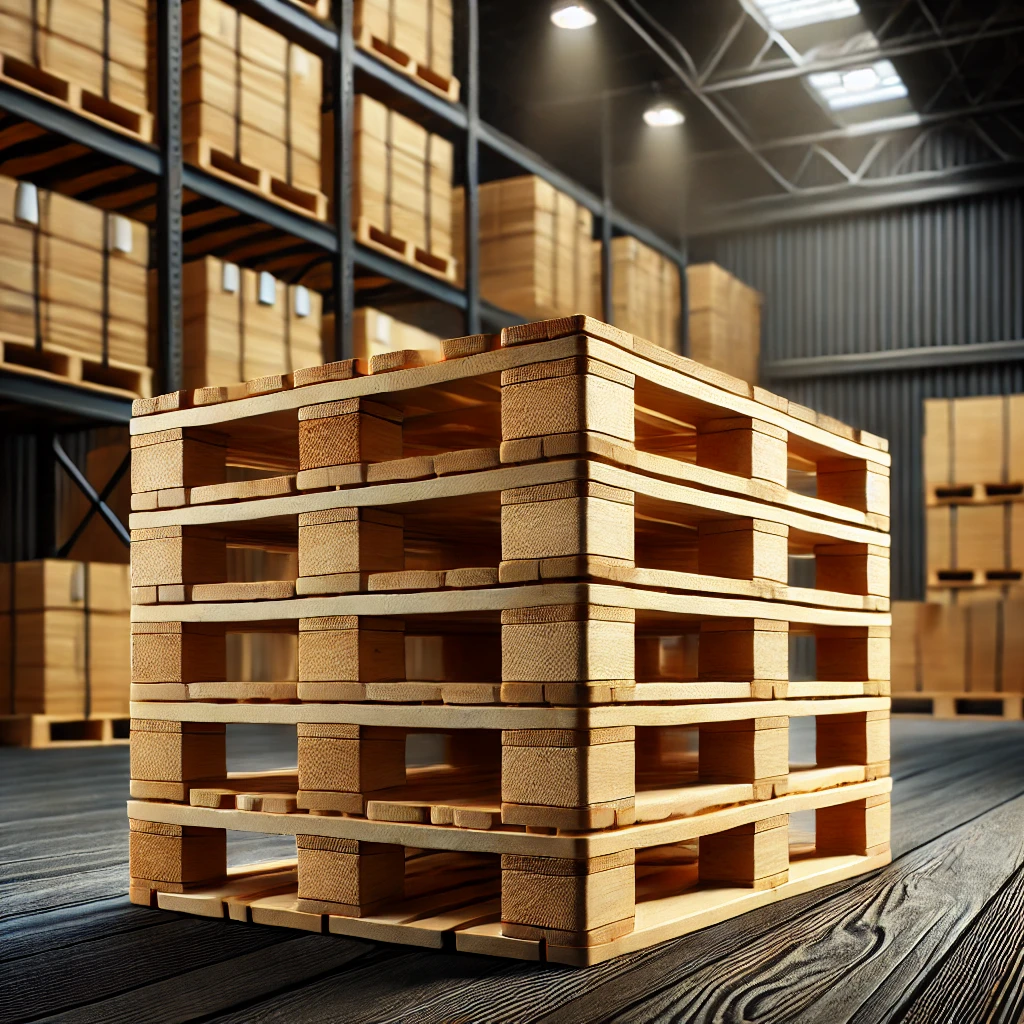
7 disadvantages of acacia wood
- Susceptible to termites and borers without treatment: In its natural, untreated state, acacia wood can be attacked by termites and wood-boring insects. This is a result of the wood’s natural structure before it undergoes heat-treatment and impregnation. Modern manufacturers now apply industrial drying and impregnation processes that largely eliminate this problem. Once properly treated, acacia wood becomes highly resistant to pests - outperforming softer species such as acacia mangium and rubber wood.
- Higher cost: As a premium hardwood species, acacia wood commands a higher price than common alternatives such as acacia mangium or rubber wood. This can make initial investment more challenging for smaller businesses. However, acacia wood’s long service life - particularly its high load capacity and superior durability - typically offsets the upfront cost over time.
- Difficult to machine: While acacia wood is manageable for most standard applications, shaping and machining larger timber blocks demands a higher level of skill. Compared with acacia mangium or rubber wood, acacia is harder and more resistant to cutting, which extends processing time and raises labour costs.
- Heavy weight: Acacia wood is heavier than many other timber species. This can complicate transport and installation. That said, the same density that makes it heavy also gives it a higher load-bearing capacity, making it well suited to applications that require structural stability.
- Difficult raw material sourcing: Acacia trees are less widely cultivated than acacia mangium or rubber trees, which creates challenges in securing a consistent raw material supply. High-grade acacia timber in particular tends to be limited in availability, which pushes costs up further.
- Uneven natural colour: Naturally grown acacia wood displays colour variation across boards, which can reduce visual consistency in some furniture or interior applications. Manufacturers address this partially by grading laminated acacia boards to a standard - the AA grade ensures consistent surface colour and finish quality.
- Relatively soft compared with other hardwoods: Against certain harder timber species, acacia wood sits on the softer end of the hardwood range. This makes it more prone to scratching, denting, and surface damage during use if it is not stored and handled correctly.
Acacia wood versus other common pallet timbers
| Species | Advantages | Disadvantages |
|---|---|---|
| Acacia mangium | Low cost, easy to machine, abundant supply | Less durable than acacia, susceptible to pests without treatment |
| Rubber wood | Soft, easy to process, inexpensive | Lower load capacity and durability than acacia |
| Pine | Light, easy to work, attractive colour | Poor load resistance, susceptible to pests without treatment |
| Acacia wood | High durability, high load capacity, pest-resistant after treatment | Higher cost, heavier, limited supply |
Overall, acacia wood addresses many of the weaknesses found in the alternatives, particularly in applications that demand high durability and strong pest resistance.
Should you buy acacia wood pallets?
Key characteristics of acacia wood pallets
- High durability with strong load-bearing capacity
- Pest-resistant and moisture-resistant after treatment
- Suitable for harsh weather and outdoor storage conditions
- Cost-effective when assessed over the full service life
Benefits of choosing acacia wood pallets
| Benefit | Details |
|---|---|
| Long-term cost value | Higher upfront cost is offset by a longer service life and reduced replacement frequency |
| Environmentally friendly | Can be reused multiple times, reducing timber waste |
| Versatile applications | Suitable for transport, warehousing, and interior decoration |
Points to check when using acacia wood pallets
- Inspect quality on receipt: Check for signs of pest damage, cracking, or splitting before use.
- Store correctly: Keep in a dry, well-ventilated area and avoid prolonged contact with excessive moisture.
- Follow load safety standards: This is especially important when the pallets carry heavy or high-value cargo.
Related articles
| Is acacia wood good? Everything you need to know | Acacia wood price - latest update | Wood pallets - full product range |
Frequently asked questions about acacia wood disadvantages
1. What is the biggest disadvantage of acacia wood?
The most commonly cited disadvantages are higher cost compared with softer timber species and susceptibility to termites and borers when the wood has not been properly treated through heat treatment and impregnation.
2. Is acacia wood durable enough for pallet use?
Yes. Once properly treated, acacia wood is highly durable with strong load-bearing capacity and good pest resistance. Its service life in pallet applications typically offsets the higher initial cost.
3. Why is acacia wood heavier than other species?
Acacia wood has a higher natural density than species such as acacia mangium, rubber wood, or pine. This density is the same property that gives it its load-bearing strength and structural stability.
4. Can acacia wood be used in wet or outdoor environments?
After appropriate treatment, acacia wood resists moisture well and performs in harsh weather conditions. Proper storage - dry and ventilated - extends service life further.
5. How does acacia wood compare with acacia mangium for pallets?
Acacia wood is harder, more durable, and more load-capable than acacia mangium. Acacia mangium is softer, cheaper, and easier to machine, but offers lower durability and pest resistance - making acacia wood the stronger choice for heavy or export pallet applications.
6. Does ICD Vietnam supply acacia wood pallets?
Yes. ICD Vietnam supplies wood pallets including acacia wood pallets for domestic and export use. Contact ICD for specifications, load ratings, and pricing.
Contact ICD Vietnam
Hotline: 0983 797 186 / 090 345 9186 / 090 5859 186
Email: sales@icdvietnam.com.vn | Zalo: Chat Zalo