

Mục lục
Author: Le Van Thang, Director of ICD Vietnam
Working in the logistics industry, I have had the opportunity to work with many types of industrial plastic containers and found that beyond storing and transporting goods, they have great potential in many other fields, including agriculture. Applying plastic containers to the model of raising field crabs in plastic containers is a prime example of the creativity and efficiency of this material.
This model not only makes it easy to control the crabs’ living environment but also maximizes space use, turning small garden corners into a sustainable source of income. It is a home aquaculture method that delivers considerable profit.
TABLE OF CONTENTS
- Overview and Advantages: Understand the outstanding benefits of raising field crabs in plastic containers.
- In-Depth Techniques: Guide to preparing the tank, designing a water circulation system, and selecting substrate.
- Nutrition and Health: Learn about dietary requirements, how to identify healthy juvenile crabs, and effective disease prevention measures.
- Practical Experience: Key tips from experts to optimize productivity and profit.
1. Overview and Advantages of Raising Field Crabs in Plastic Containers
Field crabs (scientific name: Parathelphusa) are a familiar aquatic species to Vietnamese people. Field crab meat is rich in calcium and protein, with high nutritional value. The model of raising field crabs in plastic containers is becoming increasingly popular thanks to its outstanding advantages.
Advantages of the model:
- Good environmental control: Plastic containers make it easy to manage water quality, prevent external pollutants, and ensure the crabs live in a clean environment.
- Easy disease management: When a sick crab is detected, it can be quickly isolated to prevent the disease from spreading to the entire group.
- Space-saving: Suitable for small spaces such as rooftops, balconies, or gardens.
- Easy monitoring and care: Each container is a separate farming unit, making it easy to observe the crabs’ growth and molting process.
2. Farming Techniques and Required Equipment
To ensure healthy crab development, designing the farming system inside the plastic containers is extremely important.
2.1. Preparing the Tank, Plastic Containers, and Seed Stock
- Preparing the tank: You need to prepare the tank by cleaning it thoroughly. Soak the container in lime water for 2-3 days to disinfect, then rinse clean and dry. The bottom of the container should be covered with a thin layer of clay to retain moisture and create a natural environment.
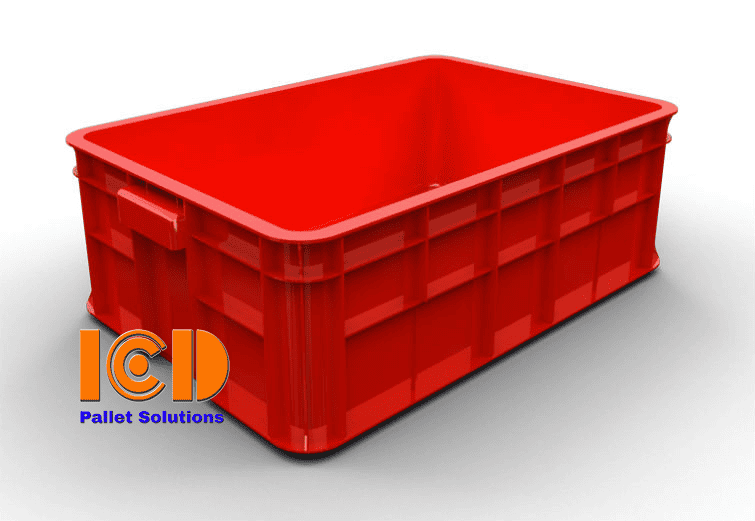
- Plastic containers: Choose containers with a suitable capacity (approximately 100-200 liters) and high walls to prevent crabs from escaping. Darker-colored containers are recommended to limit light, helping the crabs feel more secure.
- Identifying healthy juvenile crabs: To achieve high efficiency, it is important to know how to identify healthy juvenile field crabs. Healthy juveniles have bright coloring, a hard shell, strong claws, and no deformities. This is essential knowledge for ensuring a high survival rate from the start.

2.2. Aquatic Ecosystem and Crab Substrate
- Aquatic ecosystem: A well-established aquatic ecosystem will provide a natural food source and maintain water quality. You can grow aquatic plants such as duckweed or water spinach, or add golden apple snails to consume algae and leftover food.
- Crab substrate: Crab substrate plays an important role in providing shelter, especially when crabs are molting. Bricks, tiles, dried branches, or short sections of PVC pipe can be used as substrate.
3. Nutrition and Disease Prevention
3.1. Nutrition for Crabs
Field crabs are omnivores, so crab nutrition needs to be diversified.
- Fresh food: Provide fresh food such as crushed golden apple snails, small fish and shrimp, worms, or green vegetables. Fresh food helps crabs grow quickly and develop firm meat.
- Processed feed: Specialized crab pellets can be supplemented to ensure adequate nutrition. Feed in the evening in appropriate amounts, avoiding leftover food that can contaminate the water.
3.2. Disease Prevention Measures
- Disease prevention measures are the top priority.
- Maintain a reasonable stocking density - avoid overcrowding.
- Change water regularly (20-30% per week) and clean the container periodically.
- Boost the crabs’ immunity by supplementing vitamin C in their food.
- Common diseases: Field crabs rarely get sick, but they may develop fungal infections or diseases caused by poor water conditions. When crabs show abnormal signs such as sluggish swimming, soft shells, or loss of appetite, isolate them immediately.
4. Frequently Asked Questions (FAQ)
1. Do you need an air pump when raising field crabs in plastic containers?
- At moderate stocking densities, the ecosystem inside the container can self-balance. However, if farming at high density, an air pump should be used to ensure adequate oxygen for the crabs.
2. Where can you buy quality crab seed stock?
- Purchase crab seed from reputable hatcheries with clear origins to ensure the crabs are healthy and disease-free.
3. How can you ensure crabs molt successfully?
- Provide sufficient substrate so crabs have a safe place to hide during molting. During this stage, crabs are very weak and vulnerable to attack from other individuals.
5. References
- Technical documentation on field crab farming from the Research Institute for Aquaculture.
- Report on the properties and agricultural applications of HDPE plastic.
- Guidelines for field crab disease prevention and treatment from the Department of Fisheries.