
Table of Contents
- 1. English names for plastic crate types
- 2. How to write a plastic crate name on orders and contracts
- 3. Vietnamese - English glossary of plastic crates and bins
- 4. English vocabulary for plastic crate parts and specifications
- Plastic crates on import-export documents
- 5. Plastic crates on import-export documents
- Frequently asked questions
- What is a plastic crate called in English?
- How do open and solid plastic crates differ in English?
- What is a plastic crate with wheels called in English?
- How do crate and container differ in English?
- What are KLT and Euro containers?
- Which English specifications should I state when buying plastic crates for export?
- What is a plastic crate called in Chinese?
- What is a plastic drum called in English?
- What is a plastic waste bin called in English?
- What is a plastic basket called in English?
- Contact ICD Vietnam to buy plastic crates
- References
Reviewed and updated by ICD - Week 43/2026
“Sot nhua”, the Vietnamese name for a plastic crate, is “plastic crate” in English. The word refers to an open-sided crate with ventilation openings; a closed-wall version is called a “plastic container” or “plastic box”, and a small bin for parts on a shelf is called a “bin”. In the plastic crate and logistics trade, choosing exactly the right one of these words decides whether an overseas supplier quotes you the right kind of goods.
The Cambridge Dictionary defines a crate as a large wooden or plastic container used to hold and transport goods, which matches the role of the plastic crate in production. A basket is different: it is a small basket, usually with a handle, used at home or in supermarkets, so it is not used for stackable industrial crates. Below we bring together the English name for each type of crate, how to write it on an order, a Vietnamese - English reference table, vocabulary for crate parts and how to describe it on customs documents.
1. English names for plastic crate types
The English name for each kind of plastic crate follows a formula: the feature (open, solid, collapsible, with wheels, shape or use) comes first, then the noun plastic crate or plastic container. The ten most common names are:
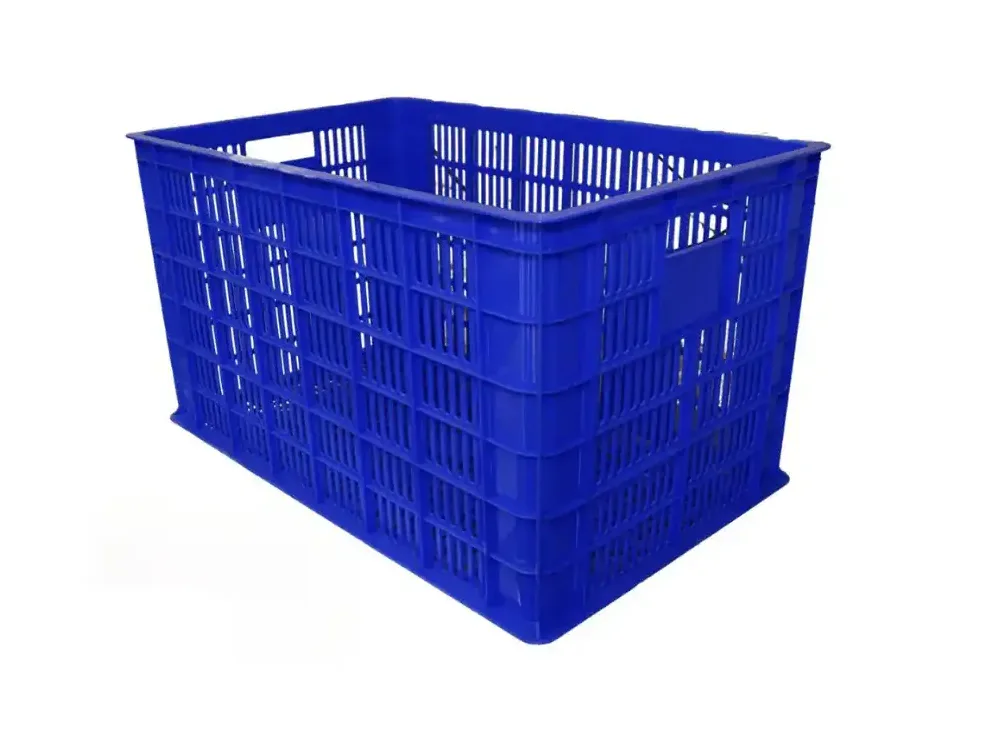
- Open plastic crate (Vietnamese: sot nhua ho).
- Solid plastic crate (Vietnamese: sot nhua dac).
- Ventilated plastic crate (Vietnamese: song nhua ho).
- Solid plastic container (Vietnamese: song nhua bit).
- Fruit plastic crate (Vietnamese: sot nhua dung trai cay).
- Cargo plastic crate (Vietnamese: sot nhua cho hang).
- Square plastic crate (Vietnamese: sot nhua vuong).
- Rectangular plastic crate (Vietnamese: sot nhua chu nhat).
- Round plastic crate (Vietnamese: sot nhua tron).
- Plastic crate with wheels (Vietnamese: sot nhua co banh xe).
The two most important words to tell apart are ventilated (walls with openings) and solid (closed walls). This single word decides which type of crate the supplier sends you.

2. How to write a plastic crate name on orders and contracts
In contracts and orders, the name of a plastic crate always comes with its material and features and never stands alone. Three common ways to write it:
- “Ventilated plastic crate, stackable, food-grade HDPE”: an open-sided, stackable crate in food-grade HDPE plastic.
- “Solid plastic container with lid”: a solid plastic container with a lid.
- “Collapsible plastic crate”: a collapsible plastic crate.
When writing a catalogue or an offer letter in English, replace generic adjectives with figures: instead of just writing durable, state the static stacking load in kg. The four sentences below are often used to describe the benefits of plastic crates in agriculture, food and logistics:
- Plastic crates are durable and reusable.
- Stackable to save storage space.
- Crates with wheels are easy to move in large warehouses.
- Ventilated crates allow air circulation, ideal for perishable goods.
3. Vietnamese - English glossary of plastic crates and bins
The table below sets Vietnamese names against English names with the context of use, to help you choose the right word in contracts, RFQs and customs declarations. When exporting, ordering internationally or reading overseas catalogues, translating one word wrongly can lead the supplier to send the wrong type of goods.
| Vietnamese name | Standard English | Context of use |
|---|---|---|
| Sot nhua ho (crate with openings) | Ventilated / perforated crate | Fruit, vegetables and seafood that need airflow; often written with “stackable” added |
| Thung nhua dac (closed-wall bin) | Solid-wall container / solid box | Components, dust-proof goods, preventing small items from spilling |
| Sot rong xep chong - long (stack-nest empty crate) | Stack-nest crate | When empty they nest into one another, cutting the volume carried back by a large amount; returnable logistics |
| Thung nhua co nap (plastic bin with lid) | Lidded tote / box with lid | High-value goods, sealed goods, distribution centres (DC) |
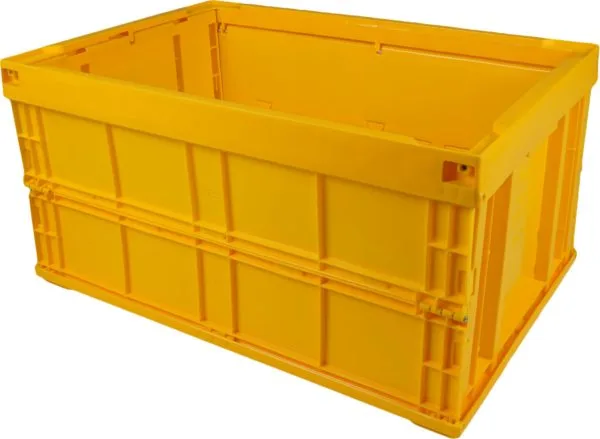
| Sot nhua gap gon (collapsible crate) | Collapsible / foldable crate | Saves freight on the empty return leg; supermarket chains, e-commerce |
| Thung nhua luan chuyen (KLT) (returnable container) | KLT (Kleinladungsträger) | VDA 4500 recommendation of the German automotive industry; base 300 x 200, 400 x 300 or 600 x 400 mm |
| Thung nhua kho Euro (Euro-size container) | Euro container / EuroBox | The 600×400 mm system that fits the EUR 1200×800 mm pallet; European distribution |
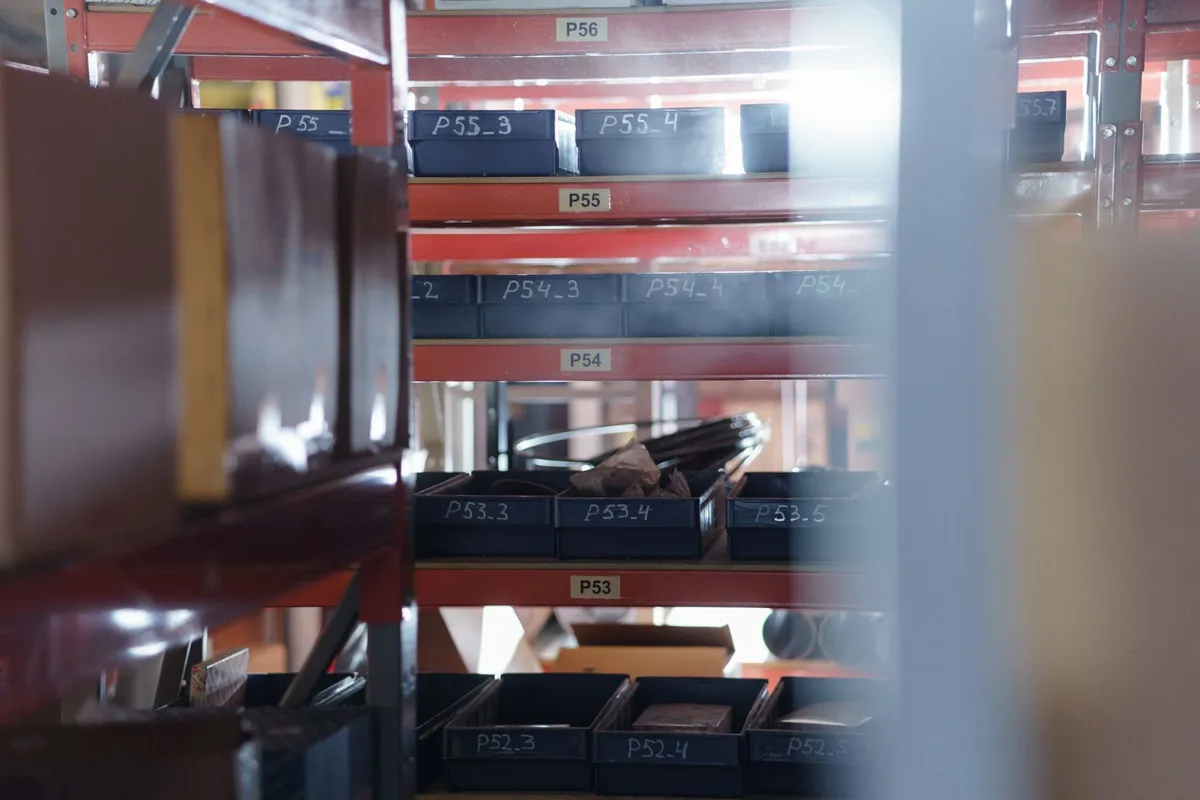
| Thung dung linh kien nho (small parts bin) | Bin / parts bin | Warehouse shelves, compartments for bolts, screws, items counted by piece |
| Thung chua picking (automated warehouse) | Tote | ASRS warehouses, conveyors, single-order picking; rarely used in sales contracts |
The four words crate, container, tote and bin cannot replace one another in international trade. Crate implies open mesh walls, used for farm produce and fresh food, so searching for “plastic crate” returns ventilated crates. Container in the plastics trade means a closed solid bin, not a 20ft or 40ft shipping container; write “plastic storage container” to avoid confusion with a freight container. Tote is a returnable container used inside a warehouse, tied to automated systems and rarely appearing on export contracts for consumer goods, while bin means a compartment or small container for parts on a shelf.
The most common translation mistake is using “basket” for an industrial crate, or calling an open crate a “box”, a word that already means a closed-wall container. When drafting an RFQ, state three parameters as well: material (food-grade HDPE or PP), wall type (ventilated or solid-wall) and stackability (stackable, nestable or stack-nest). Check the industrial plastic crate range to match the exact model name before you trade.
4. English vocabulary for plastic crate parts and specifications
Besides the names, English catalogues and drawings use a fixed set of words for the parts and specifications of a plastic crate. The table below collects the words you meet most often when reading overseas quotations or writing technical requirements.
| Vietnamese | English | Notes |
|---|---|---|
| Tay cam (handle) | Handle / hand grip | A handle cut out as a hole in the wall is called a hand hole |
| Nap (lid) | Lid | A clip-on lid: hinged lid or attached lid |
| Vach ngan (divider) | Divider | Divides compartments for components, bottles and jars |
| Thanh sot (side wall) | Side wall | Wall with openings: vented wall; closed wall: solid wall |
| Gan tang cung (reinforcing rib) | Reinforcing rib | On the base and corners of the crate |
| Banh xe (wheel) | Castor (UK English) / caster (US English) | A swivelling wheel: swivel castor |
| Outer / inner dimensions (kich thuoc ngoai / trong) | Outer / inner dimensions | Always state clearly whether outer or inner |
| Dung tich (capacity) | Capacity (litres) | US English spells it liters |
| Stacking load (tai xep chong) | Stacking load | Different from the load capacity of a single crate |
| Stackable / nestable (xep chong / long vao nhau) | Stackable / nestable | A type that can do both: stack-nest |
| Virgin / recycled plastic (nhua nguyen sinh / tai sinh) | Virgin / recycled plastic | Food-grade usually requires virgin plastic |
Plastic crates on import-export documents
5. Plastic crates on import-export documents
On a customs declaration, a plastic crate falls under HS subheading 3923.10, described in English as boxes, cases, crates and similar articles, within heading 39.23 for plastic articles used to transport or pack goods. In the same heading, plastic carboys, bottles and flasks fall under subheading 3923.30 (carboys, bottles, flasks and similar articles), while separate lids, stoppers and caps fall under 3923.50 (stoppers, lids, caps and other closures).
The detailed 8-digit code is set by each country’s tariff schedule, so check the current import-export tariff before declaring. The goods description on the commercial invoice and the packing list should match the name in the contract, for example both stating ventilated plastic crate, to avoid questions when documents are checked.
Frequently asked questions
What is a plastic crate called in English?
A plastic crate is a “plastic crate”, usually meaning an open-sided crate with openings. A closed-wall plastic bin is called a plastic container or plastic box, and a small bin for parts on a shelf is called a bin.
How do open and solid plastic crates differ in English?
An open, mesh-walled crate is a ventilated plastic crate or open plastic crate; a closed-wall crate or bin is a solid plastic container or solid-wall container.
What is a plastic crate with wheels called in English?
A plastic crate with wheels is a plastic crate with wheels. The wheels fitted under the base are called castors (UK English) or casters (US English).
How do crate and container differ in English?
A crate is an open crate with mesh walls and ventilation openings, used for farm produce and fresh food. A container in the plastics trade is a solid, closed-wall bin, used for dust-proof goods and components; when searching or buying internationally, write plastic storage container so it is not mistaken for a 20ft freight container.
What are KLT and Euro containers?
KLT (Kleinladungstraeger) is a returnable plastic container under the VDA 4500 recommendation of the German automotive industry, with a base of 300 x 200, 400 x 300 or 600 x 400 mm. A Euro container is a 600 x 400 mm container system that fits the EUR 1200 x 800 mm pallet, common in European distribution.
Which English specifications should I state when buying plastic crates for export?
State three specifications: material (food-grade HDPE or PP), wall type (ventilated or solid-wall) and stackability (stackable, nestable or collapsible), along with outer dimensions and quantity.
What is a plastic crate called in Chinese?
A plastic crate in Chinese is 塑料筐 (suliao kuang). A returnable container used in factories and warehouses is usually called 周转箱 (zhouzhuan xiang), while a round plastic bucket or pail is 塑料桶 (suliao tong).
What is a plastic drum called in English?
A plastic drum is a plastic drum. The closed-top type with two small pouring openings is called a tight-head drum; the open-top type with a clamp ring is called an open-top drum or open-head drum.
What is a plastic waste bin called in English?
A plastic waste bin is generally called a plastic waste bin. UK English often uses rubbish bin or dustbin, US English uses trash can or garbage can; a waste bin with wheels that can be pulled along is called a wheelie bin.
What is a plastic basket called in English?
A plastic basket is a plastic basket. A basket means a small basket, usually with a handle, used at home or in supermarkets; for stackable industrial crates use plastic crate.
Contact ICD Vietnam to buy plastic crates
ICD VIETNAM INDUSTRIAL MANUFACTURING CO., LTD
Send us the crate type (in Vietnamese or English), dimensions, material and quantity so we can advise the right product code; ICD Vietnam plastic crates and bins carry a 12-month warranty, price: contact for a quote.
- Northern Vietnam hotline: 0983 797 186 / 090 345 9186 / 090 5859 186.
- Southern Vietnam: 098 6784 186.
- Email: sales@icdvietnam.com.vn.
- Zalo: Chat with ICD Vietnam on Zalo.
References
- Material Handling Industry (MHI), Glossary: materials handling and industrial packaging terminology.
- Cambridge Dictionary, crate.
- World Customs Organization (WCO), HS nomenclature: heading 39.23, subheadings 3923.10, 3923.30, 3923.50.
- VDA 4500, Small Load Carrier (KLT) System: the small returnable container Kleinladungstraeger.
| ›Top 5 best-selling plastic crates with wheels | ›How to read plastic crate codes |
| ›Plastic crate dimensions |