Table of Contents
- What are termites and wood borers?
- Why does wood get attacked by termites and borers?
- Why do some woods get attacked and others do not?
- How pine resists termites and borers
- Pine compared with other woods for termite and borer resistance
- How to protect pine from termites and borers
- Do pine pallets get termites and borers?
- Conclusion
- Frequently asked questions about pine and termites
- Does pine wood get termites and borers?
- Is pine more resistant to termites than other woods?
- Is pine used outdoors easily attacked by termites and borers?
- How can you tell whether wood has termites or borers?
- Is imported pine more termite resistant than domestic pine?
- How do I protect pine from termites and borers?
- Is pine the best choice for termite resistance?
- Which wood resists termites and borers best?
- What do termites and borers dislike most?
- Which pine products are least likely to be attacked?
- Does American pine get termites and borers?
- Do pine pallets get termites and borers?
- What should I do about pine that already has borers?
- Contact ICD Vietnam
- References
Reviewed and updated by ICD - Week 43/2026
Yes, pine wood is attacked by termites and wood borers, especially the pale yellow sapwood that has not been treated. According to The Wood Database, the heartwood of radiata pine is rated poorly durable to perishable, Scots pine is rated moderately to poorly durable, and the natural durability table of the International Tropical Timber Technical Association (ATIBT) places both species among the woods that termites readily attack. For years of service, pine has to be dried and treated with a preservative.
Termites and wood borers are among the main causes of wood damage, hurting the quality and service life of wood products. For pine wood, a common timber in furniture and packaging, how well it resists termites and borers is a question many people ask. This article goes through the features of these pests, why wood gets attacked, how pine’s durability compares with other woods, how to protect it, and what to know when using pine pallets.
What are termites and wood borers?
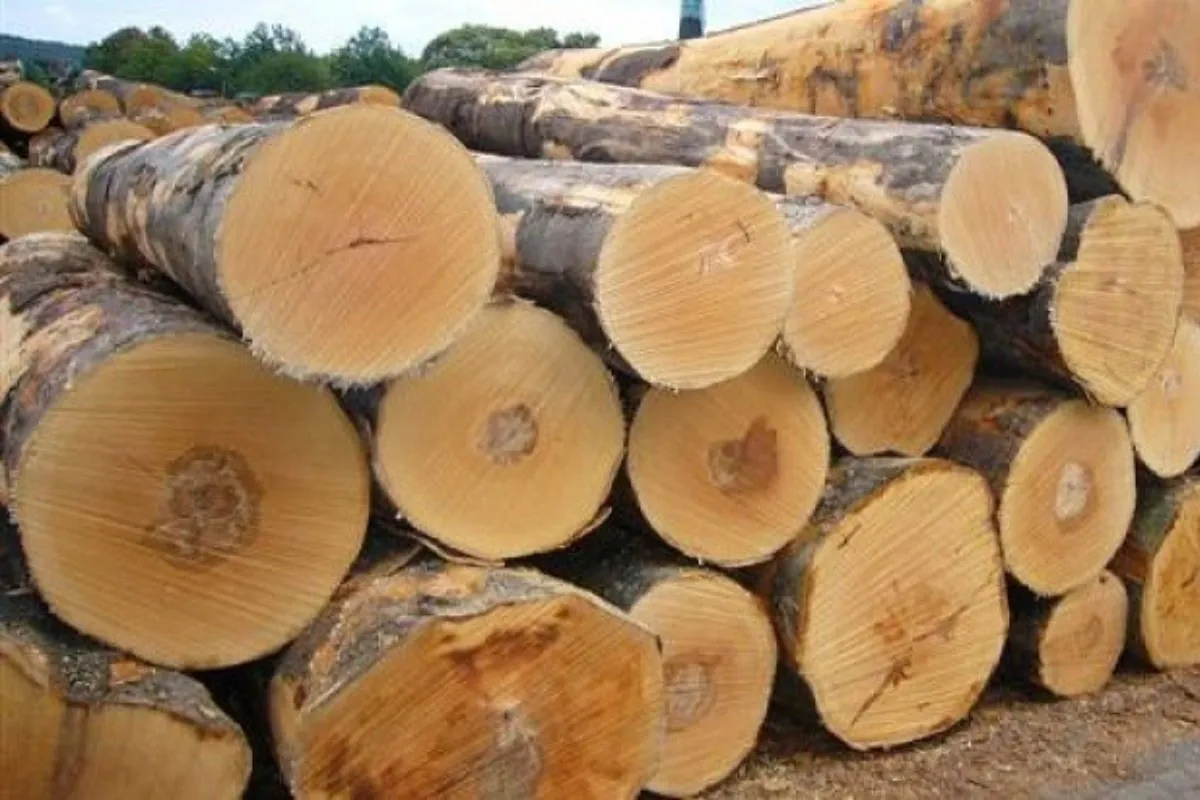
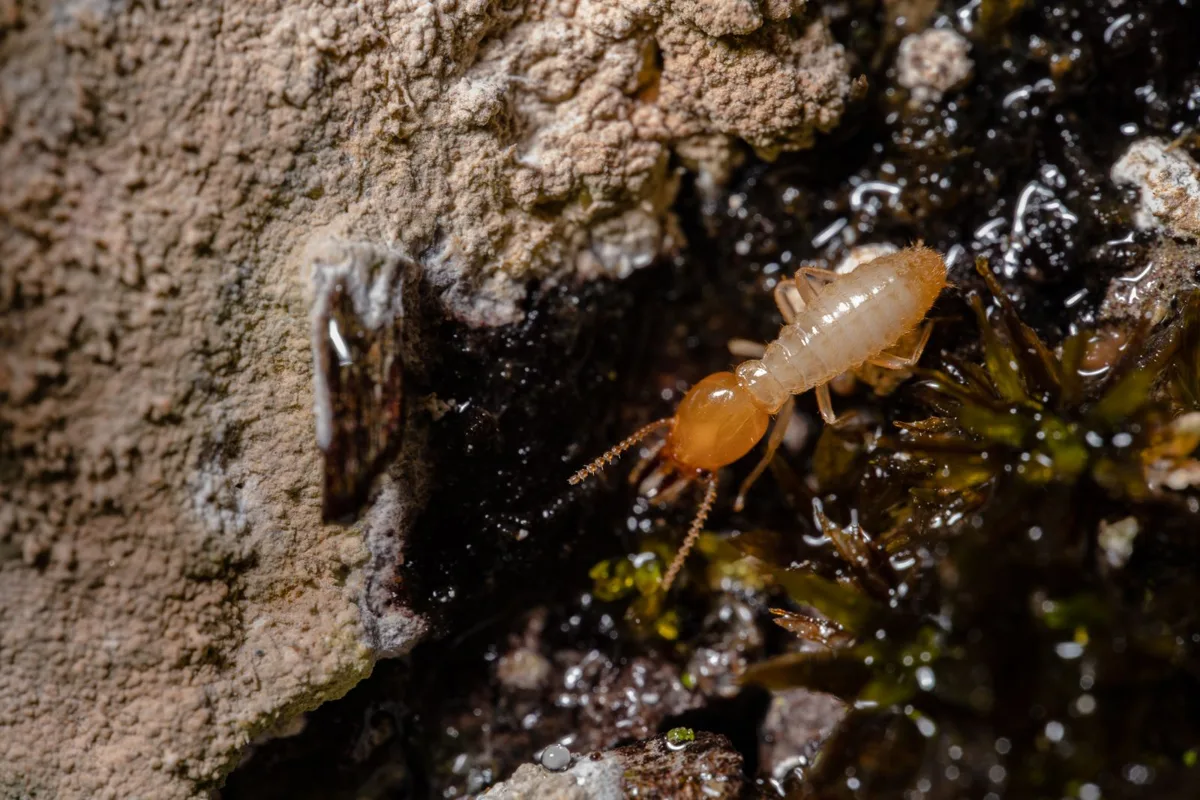
Termites and wood borers are two different groups of insects that both destroy wood: termites live in colonies and hollow wood out from the inside, while wood borers are beetles whose larvae tunnel through wood and leave small holes and wood dust.
Termites are social insects that live in colonies and feed on cellulose, the main component of wood. They eat the inside, so the wood is hollowed out and structurally weakened while the surface can look intact. Wood borers are smaller beetles that bore into wood to lay eggs; the larvae feed on the wood from within, leaving tiny holes and dust that falls out.
The Vietnamese standard TCVN 3135:1979 on wood protection names three groups commonly found in wooden furniture: the powderpost beetle (Lyctus brunneus), the drywood termite (Cryptotermes domesticus) and the dry-wood longhorn beetle. Each leaves different traces, so identifying the right one helps you choose the right treatment.
Why does wood get attacked by termites and borers?
Wood gets attacked because it is a food source rich in cellulose, and the risk rises sharply when the wood is damp, untreated or in contact with soil.
Cellulose in wood is the main food for termites and borers, so in principle any wood can be damaged. Damp conditions let pests and fungi thrive; according to the Wood Handbook of the US Forest Products Laboratory (USDA FPL), wood kept below about 20% moisture content is practically safe from decay fungi. Untreated wood, or wood not kept in a dry environment, is far more likely to be attacked. Finally there is the species itself: woods without natural insect-resistant compounds in the heartwood, such as resin or tannin, are eaten more readily.
Why do some woods get attacked and others do not?
The difference lies mainly in the heartwood: species whose heartwood is rich in extractives such as tannins, oils and resins resist better, while the sapwood of almost every species is easily attacked.
Lim (Vietnamese ironwood) is the clearest example. In a subterranean termite test following ASTM D 3345, published in the forestry journal Sylwan (2019), lim heartwood samples were only scratched on the surface and all the test termites died within 4 weeks, while Scots pine sapwood samples were heavily destroyed. The authors attribute this mainly to biologically active substances in lim heartwood, plus the hardness of the wood. Pine also contains resin, but the resin is concentrated in the heartwood and around knots, and the sapwood is still easily attacked.
TCVN 7958:2017 on termite prevention for building works states clearly that when wood has distinct sapwood and heartwood, the sapwood must be preserved, because termites eat the sapwood first. In pine, the sapwood is usually wide and paler yellow than the heartwood, so a sawn pine board almost always contains sapwood.
Hardness and density also play a part: tight-grained, hard woods such as lim are harder to bore into, while pine is a soft conifer. Contrary to many articles online, the acacia wood used for pallets in Vietnam (Acacia auriculiformis) is not a soft, light wood; it is heavier than pine but is still rated poorly durable by TCVN 12619-2:2019, which shows that heavy wood is not necessarily good at resisting termites. Beyond species traits, wood that has been treated, impregnated with chemicals or dried is attacked less, and wood used in damp places or in direct contact with soil always carries a higher risk than wood used in dry, ventilated conditions.
How pine resists termites and borers
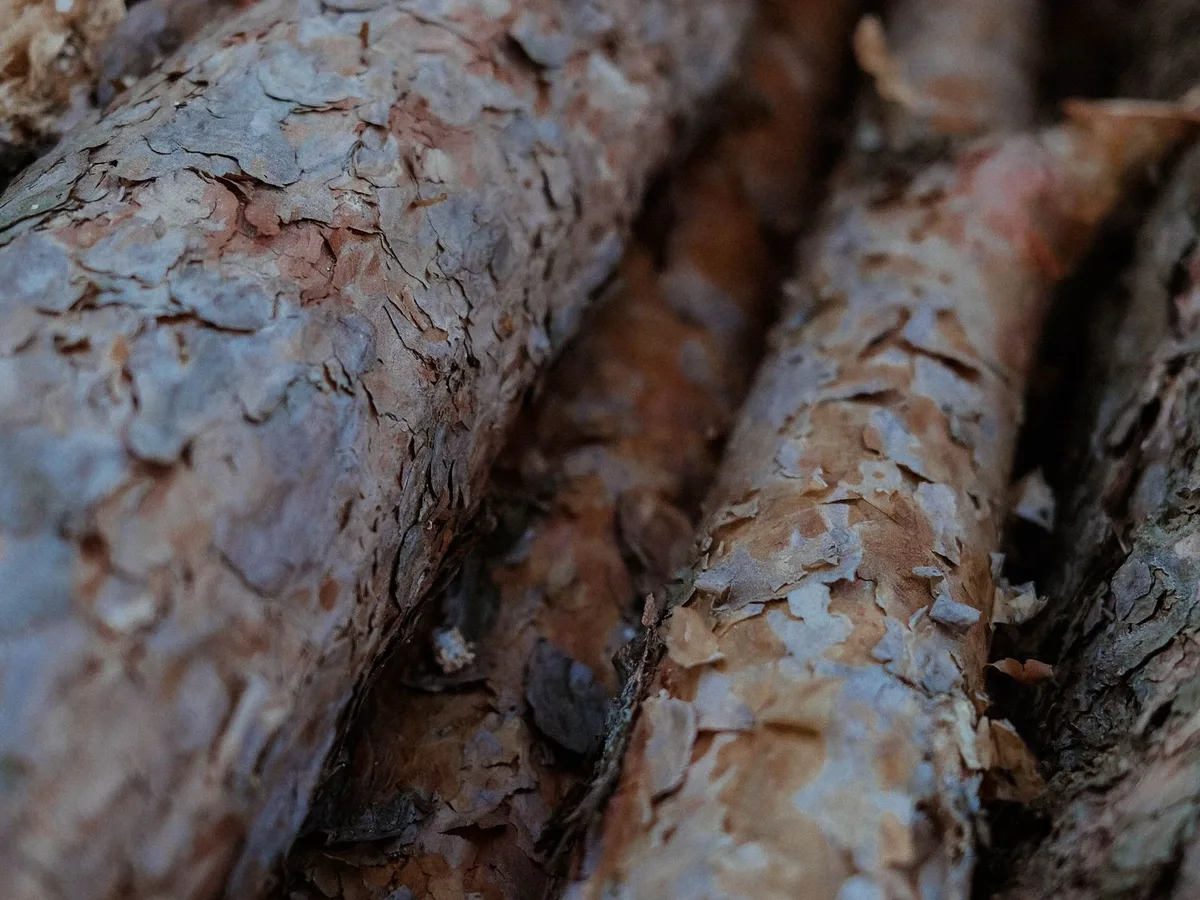
Pine has only limited natural resistance to termites and borers; its real advantage is that it dries easily and takes preservative easily, so after treatment it can last.
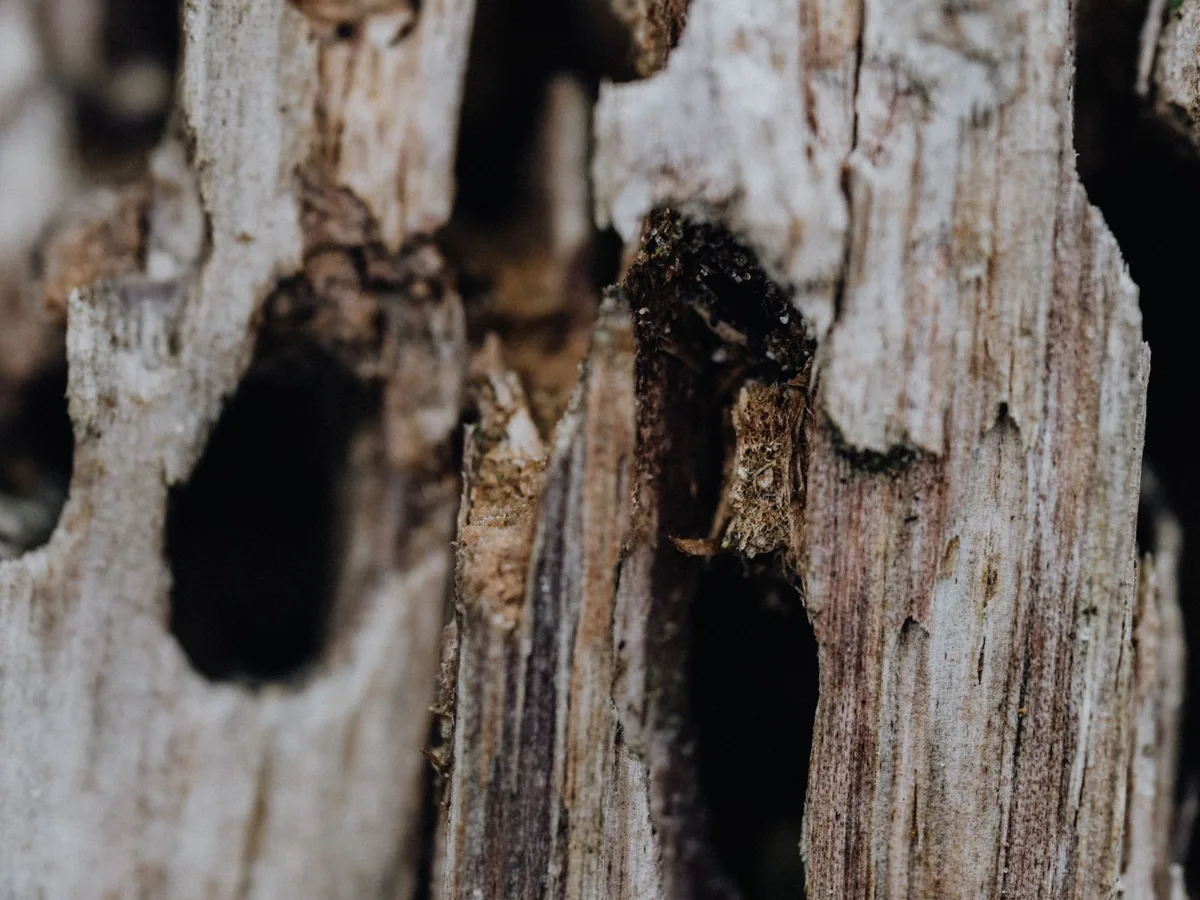
Pine resin acts as a natural protective layer in the heartwood and around knots, which to some extent limits pest entry, but the resin-poor sapwood is still easily damaged. Pine grain is straight and the surface even, so preservative penetrates fairly uniformly; even so, pine is a softwood, and its fibres alone are not enough to stop pests from burrowing deep inside. That is why the usual practice is to dry the wood and impregnate it with an anti-termite chemical before use, which both lowers moisture and removes the ideal habitat for pests.
The figures below show why you should not rely on “natural pine resin”. All three common commercial pine species are softer than the usual hardwoods and reach only a poor to moderate decay resistance in the heartwood.
| Pine species (12% moisture) | Density | Janka hardness | Natural durability of heartwood |
|---|---|---|---|
| Radiata pine (New Zealand, Chile) | 515 kg/m³ | 3,150 N | Poorly durable to perishable |
| Scots pine (Europe) | 550 kg/m³ | 2,420 N | Moderately to poorly durable |
| Longleaf pine (US southern yellow pine group) | 650 kg/m³ | 4,120 N | Moderate decay resistance |
The 2025 ATIBT natural durability table makes the point clearly: radiata pine is rated class 4 - 5 (poorly durable to not durable) against fungi and Scots pine class 3 - 4, and both belong to the group that termites readily attack. In exchange, radiata wood takes preservative easily and has a sapwood band wider than 10 cm.
Figures from The Wood Database. The sapwood of all three species is more easily damaged than the heartwood, which is why countries that use pine outdoors treat it with preservative first.
Pine compared with other woods for termite and borer resistance
Untreated, pine resists termites and borers less well than lim and white oak heartwood and about the same as poorly durable plantation woods such as acacia; in return, pine is light, cheap and takes preservative more easily.
| Wood | Termite and borer resistance | Advantages | Drawbacks and notes |
|---|---|---|---|
| Pine (radiata, Scots) | Poor to moderate in the heartwood, readily attacked by termites; wide sapwood, easily damaged (ATIBT, The Wood Database) | Light, easy to work, takes preservative easily, affordable | Needs drying and preservative treatment in damp or outdoor use |
| Lim (ironwood) | Very durable heartwood: in a subterranean termite test it was only scratched on the surface and all termites died within 4 weeks (Sylwan, 2019) | Very durable and hard, used for structures and long-lived works | Heavy (dry density about 0.86 g/cm³), very hard to impregnate, expensive |
| White oak | Heartwood is rated very durable against decay fungi (The Wood Database) | Attractive grain, used for furniture, flooring and wine barrels | High shrinkage; flat-sawn boards are less dimensionally stable |
| Acacia wood (Acacia auriculiformis) | Poorly durable under TCVN 12619-2:2019; sapwood is easily attacked | Dense wood, bending strength about 101 MPa, reasonable price | Boards split easily when sawn; keep dry or treat with preservative |
| Xoan dao wood | We could not find verified natural durability test data | Attractive grain, easy to work | Treat it like a poorly durable wood when used in damp places |
| Gu (genus Sindora) | Readily attacked by drywood borers, termites and fungi according to PROSEA; treat with preservative if not processed immediately | Dense and attractive, used for furniture | Hard for preservative to penetrate, expensive |
The table corrects two common assumptions. First, gu is not a wood that “termites avoid”: the PROSEA entry for Sindora timbers records that the wood is very easily attacked by drywood borers, termites and fungi, and test stakes in tropical ground lasted only about 2.6 years on average. Second, the durability of lim comes from its heartwood; the sapwood of lim, like that of every other wood, still needs to be protected. For xoan dao we found no reliable published test, so we do not rank it.
How to protect pine from termites and borers
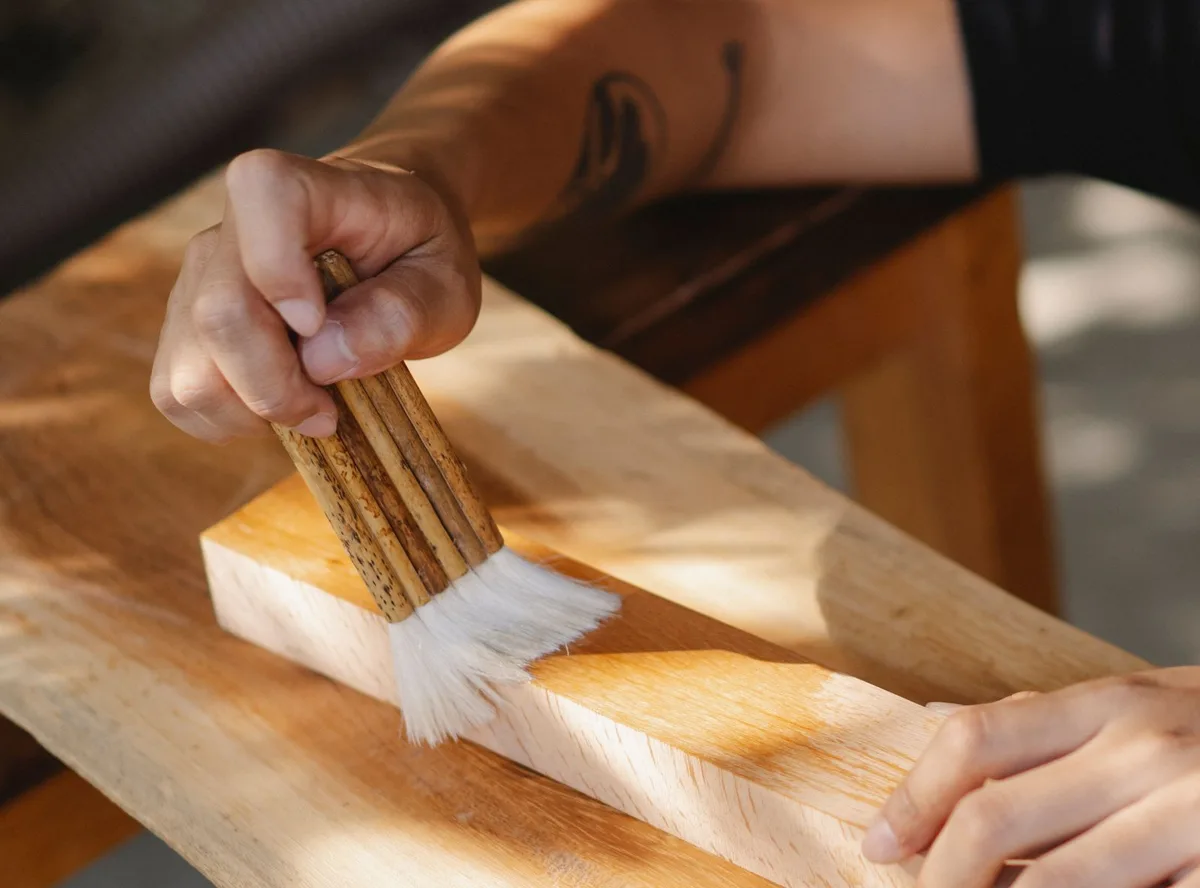
The most effective approach is to use pine that has been dried and treated, keep it dry, keep it away from the ground and inspect it regularly.
- Choose pine that has been dried and treated with an anti-termite chemical.
- Keep the wood somewhere dry and airy, away from direct contact with water or damp ground.
- Paint or varnish it to reduce moisture uptake and protect the surface.
- Inspect the surface regularly so that signs of termites and borers are spotted and dealt with early.
4 ways to protect pine from termites and borers, by use
The four methods below differ in effectiveness and cost; for long-lived items, combine at least drying and preservative treatment.
| Method | Effect | Suited to | Notes |
|---|---|---|---|
| Drying | Lowers moisture, limiting mould and moisture-loving insects | All pine products | No protection against reinfestation if the wood takes up moisture again |
| Preservative treatment (soaking, pressure) | Preservative penetrates the wood and protects against termites and borers for the long term | Furniture, structures, outdoor wood | Cuts made after treatment must be brushed with extra preservative (TCVN 7958:2017) |
| Paint, varnish | Seals the surface and reduces moisture uptake | Indoor furniture | Only an outer layer of protection, not a substitute for preservative treatment |
| Heat treatment (HT) | Kills organisms already present in the wood | Pallets and wooden crates for export | Leaves no preservative, and the wood can still be attacked again |
TCVN 3135:1979 requires wood to reach a moisture content of 15 - 20% before chemical treatment, because wood that is too wet takes up preservative poorly. For furniture that already has powderpost beetles or drywood termites inside, the standard directs brushing on preservative 2 - 3 times at 450 - 500 ml/m²; for wood with longhorn beetles, drill diagonal holes 2 - 3 mm in diameter to pour in preservative, then plug them. Today, use wood preservatives that are on the list of products approved for use in Vietnam.
Do pine pallets get termites and borers?
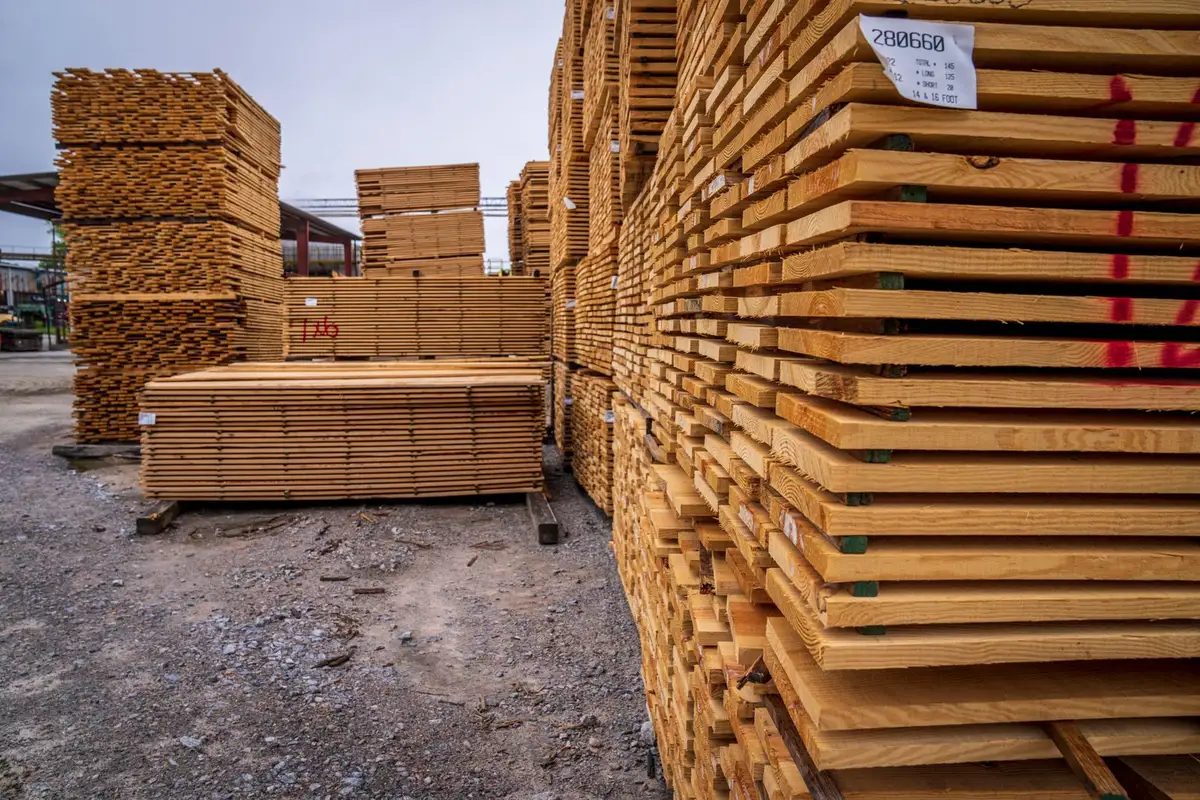
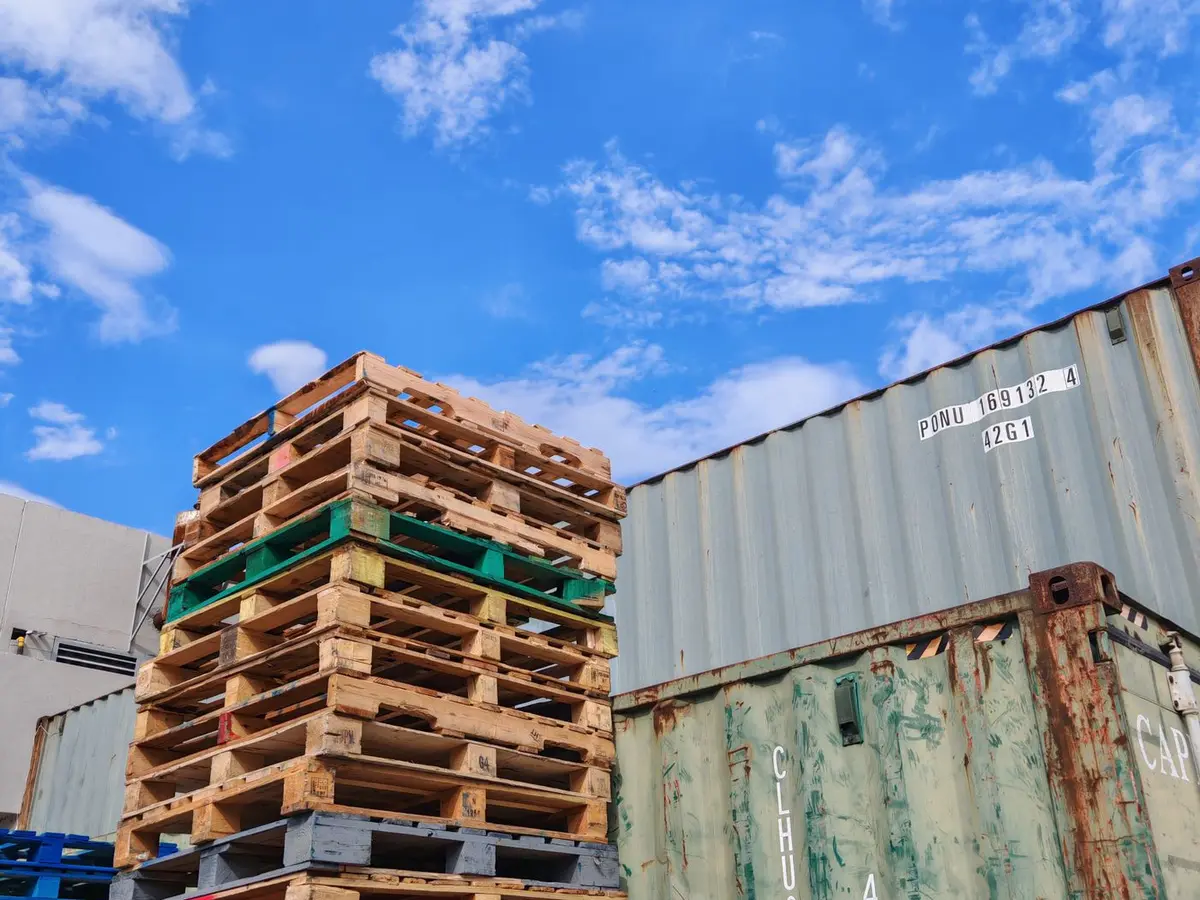
They can, if the pallet stays a long time in a damp place or sits on bare ground: ISPM 15 heat treatment kills organisms in the wood at the time of treatment, but it leaves no layer of preservative to guard against reinfestation.
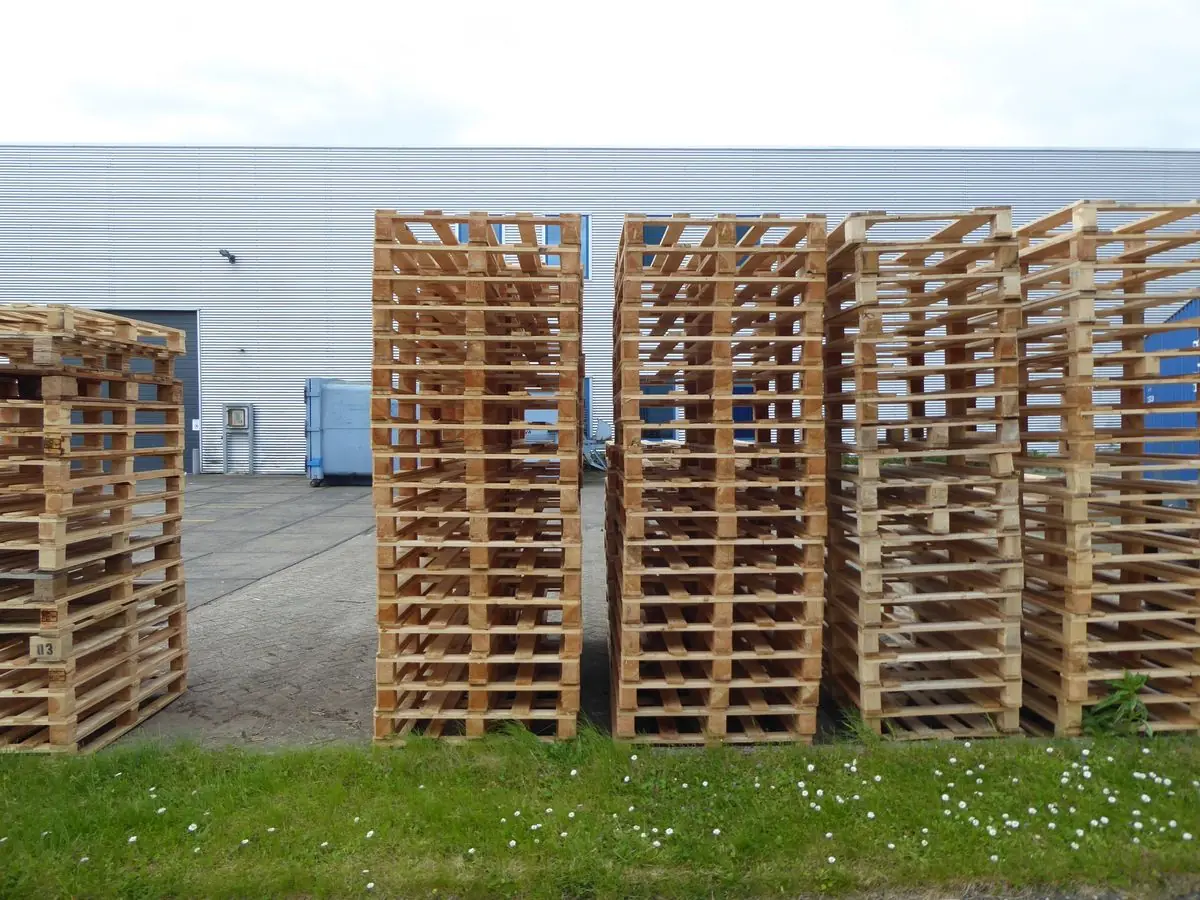
Under the ISPM 15 standard of the IPPC, heat-treated export wooden pallets (marked HT) must reach a minimum core temperature of 56°C for 30 continuous minutes, and are then stamped with the IPPC mark. That mark proves the pallet was treated; it is not a promise that the pallet can never be attacked by termites or borers. Pine pallets should be kept in a dry warehouse, raised off the floor and used in rotation, not left for many months in a damp corner.
For pine pallets bound for export, ICD Vietnam arranges treatment and IPPC stamping under ISPM 15 at a licensed treatment facility. When you receive pallets, check the IPPC mark on the pallet feet, that the wood surface has no bark left, and that there are no bore holes with fresh wood dust.
Conclusion
Pine wood has only limited natural resistance to termites and borers, thanks to the resin in the heartwood, while the sapwood is easily damaged. To ensure durability and a good appearance, the wood needs to be treated and stored properly.
Compared with lim or white oak heartwood, pine resists termites and borers clearly less well; compared with poorly durable plantation woods such as acacia, it is not very different. Pine’s strengths are its price, its light weight and the ease with which it takes preservative.
Understanding the characteristics of each wood and how you will use it helps you choose the right species and get the most from your product. With pine, proper treatment makes a product that is durable, attractive and economical.
This is also why pine is one of the key materials in making wooden pallets, alongside acacia wood, tram and rubberwood.
Frequently asked questions about pine and termites
Does pine wood get termites and borers?
Yes. Pine contains natural resin, but it protects only part of the heartwood; the sapwood and untreated wood are still easily attacked by termites and borers. For lasting durability, dry, treat and store the wood properly, especially in damp conditions.
Is pine more resistant to termites than other woods?
Not when it is untreated; The Wood Database rates radiata pine heartwood as poorly durable to perishable, and ATIBT places pine among the woods readily attacked by termites. The resin in the heartwood limits insects somewhat, and pine’s real advantage is its straight grain and how easily it takes preservative, so after treatment it can resist termites and borers well.
Is pine used outdoors easily attacked by termites and borers?
Yes. If pine is used outdoors without waterproofing and anti-termite treatment, the risk of termites, borers and decay fungi rises markedly. So apply preservative and a waterproof coating before use.
How can you tell whether wood has termites or borers?
You can check for these signs:
- Small holes or tunnels appear on the wood surface.
- Fine wood dust falls around the product.
- The wood sounds hollow or weak when you tap it lightly.
Is imported pine more termite resistant than domestic pine?
There is no basis for saying origin decides it. What decides it is how far the wood has been dried and treated: imported kiln-dried sawn pine has usually been industrially dried, while domestic plantation pine is sold at many different levels of treatment. When buying, ask about moisture content and preservative treatment instead of relying on origin.
How do I protect pine from termites and borers?
Dry the wood to lower its moisture, impregnate it with a wood preservative from the list approved for use, then keep it somewhere dry and airy, away from direct contact with water or soil. Indoor items should be painted or varnished to reduce moisture uptake.
Is pine the best choice for termite resistance?
No. Pine is a good choice on price and takes anti-termite treatment easily, but it is not the best wood at resisting termites by itself. If you need wood with a very durable natural heartwood, lim heartwood is a tested example, but at the cost of high price, heavy weight and difficult working; gu, according to PROSEA, is still easily attacked and should not be chosen for termite resistance alone.
Which wood resists termites and borers best?
No wood is completely immune. Species with very durable heartwood such as lim gave test results in which termites only scratched the surface, but the sapwood of every species, lim included, still needs protection. For inexpensive woods such as pine and acacia, the most effective protection is to dry the wood, treat it and keep it dry and off the ground.
What do termites and borers dislike most?
Termites and borers are at their greatest disadvantage when the wood is dry, treated with preservative and not in contact with soil. Wood kept below about 20% moisture limits decay fungi (USDA FPL Wood Handbook), pine samples treated with a preparation at 3% or more were not attacked by termites in a 2024 test, and raising wood off the floor and away from walls cuts the route of subterranean termites.
Which pine products are least likely to be attacked?
Pine products that have been treated, such as furniture finished with varnish or waterproof paint, are less likely to be attacked. Indoor applications such as cabinets, tables and chairs or wooden flooring generally last longer than pine used outdoors.
Does American pine get termites and borers?
Yes. American pine on the market is usually in the southern yellow pine group; according to The Wood Database, longleaf pine heartwood is only moderately decay resistant, while the sapwood is easily damaged, so when it is used outdoors it is usually pressure treated.
Do pine pallets get termites and borers?
They can if kept for a long time in a damp place. Export pine pallets are heat treated under ISPM 15 (wood core at 56°C for 30 minutes) to kill organisms already in the wood, but they carry no preservative against reinfestation, so store them in a dry warehouse and raise them off the floor.
What should I do about pine that already has borers?
For light infestation, clean off the wood dust and brush on preservative 2 - 3 times following TCVN 3135:1979; where longhorn beetles are present, drill small 2 - 3 mm holes to inject preservative and then plug them. Wood that has become hollow or sounds soft when tapped should be replaced, because it can no longer be relied on to carry load.
Contact ICD Vietnam
Send ICD Vietnam the size, load and quantity of pine pallets you need. We have a production workshop, a Hanoi warehouse and a southern workshop; price: contact us for a quote, with quantity discounts, and returns or exchanges within 7 days under company policy.
- Northern Vietnam: 0983 797 186 / 090 345 9186 / 090 5859 186; Hanoi warehouse: 3rd Floor, Thang Long A1 Building, Bau Hamlet, Thien Loc Commune, Hanoi.
- Southern Vietnam: 098 6784 186; southern workshop: 551/212 Le Van Khuong Street, Tan Thoi Hiep Ward, District 12, Ho Chi Minh City.
- Zalo: Chat on Zalo. Email: sales@icdvietnam.com.vn.
References
- Profiles of pine species and white oak: The Wood Database.
- Natural durability of wood: ATIBT, The natural durability of wood, 2025.
- Krajewski et al., subterranean termite test on lim heartwood: Sylwan, 2019.
- Sindora timbers: PROSEA.
- Natural durability of plantation woods in Vietnam: Vietnamese Academy of Forest Sciences.
- TCVN 12619-2:2019 Classification of wood by physical and mechanical properties.
- TCVN 7958:2017 Termite prevention for new construction works.
- TCVN 3135:1979 Termite and borer control for wooden furniture.
- Efficacy of the NT5 preparation against mould and termites: Journal of Science and Technology, Tropical edition, 2024.
- Wood Handbook, chapter 14: USDA FPL.
- ISPM 15 standard: IPPC, FAO.