
Mục lục
- How to clean plastic pallets: the secret to keeping pallets like new
- 1. Why clean plastic pallets?
- 2. Stain types and the matching cleaning methods
- 3. Detailed plastic pallet cleaning process
- 4. Expert advice
- 5. Chemicals to avoid when cleaning pallets
- 6. How to make pallets last longer: 3 golden rules to remember
- 7. Frequently Asked Questions (FAQ)
- Conclusion
Summary:
- Why cleaning matters: Cleaning plastic pallets not only maintains quality but also ensures hygiene and safety for goods and the work environment; even cheap used plastic pallets should be cleaned properly.
- Stain types: Classifying common stains to choose the right cleaning method.
- Cleaning process: Step-by-step from preparing tools, preliminary cleaning, deep cleaning, to drying and a final check.
- Expert tips: Useful advice to clean pallets quickly, effectively and safely.
- Chemicals to avoid: Clearly stating which chemicals to avoid so as not to damage the pallet.
- How to make pallets last longer: Guidance on proper storage and use to maximize pallet lifespan.
- Frequently Asked Questions (FAQ): Answers to common questions about cleaning and preserving plastic pallets.
How to clean plastic pallets: the secret to keeping pallets like new
When talking about plastic pallets, we usually only think of their use for resting and transporting goods. But after many years in this industry, I realized one important thing: proper cleaning is a key factor in extending pallet lifespan, especially with used plastic pallets or pallets used in the food industry.
A clean pallet not only ensures hygiene but also shows a business’s professionalism.
1. Why clean plastic pallets?
You may wonder why you should spend time cleaning an item that is already durable and frequently in contact with dirt. There are three main reasons:
- Ensuring food safety and hygiene: For pallets used in the food industry, cleaning is mandatory to prevent bacteria and mold growth and avoid contaminating goods.
- Extending lifespan: Dirt, chemicals and adhered substances can erode and corrode a pallet over time. Regular cleaning keeps the pallet in the best condition.
- Maintaining work efficiency: A clean, dirt-free pallet makes moving goods smoother and avoids slipping.
2. Stain types and the matching cleaning methods
Before starting to clean, classify the stains to choose the right method. Each stain type needs its own “remedy” - you cannot use one approach for every case.
- Dust and mud: This is the most common stain. The effective way to clean it is a high-pressure water spray.
- Grease and chemical stains: These are usually hard to handle. You need specialized cleaning chemicals combined with a stiff brush.
- Mold stains: Common in humid warehouses. You can use a disinfectant cleaning solution to remove mold.
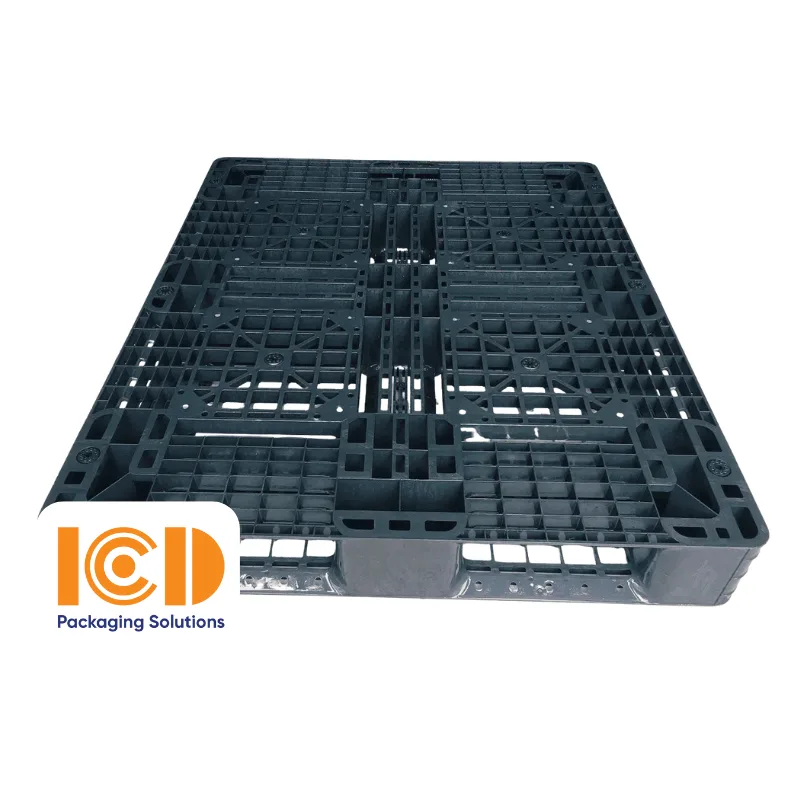
3. Detailed plastic pallet cleaning process
To clean plastic pallets effectively, follow this basic 4-step process:
Step 1: Prepare tools and the cleaning area
Before starting, prepare the following tools:
- A high-pressure water spray or car-wash machine.
- A stiff brush.
- Cleaning solution (soap, specialized solution).
- Gloves and safety goggles.
- A drying cloth.
Choose an airy area with good drainage for the cleaning.
Step 2: Preliminary cleaning
Use a high-pressure water spray to remove dust and mud on the pallet surface. This important step softens stubborn stains, preparing for deep cleaning.
Step 3: Deep cleaning
Dilute the cleaning solution per the manufacturer’s instructions. Use a stiff brush to scrub, focusing on the gaps, pallet feet and spots with stubborn stains. After scrubbing clean, spray with water again to fully remove chemicals and dirt.
Step 4: Drying and final check
You can let the pallet dry naturally in the sun or use a hot-air dryer. When the pallet is fully dry, check again to ensure no stains remain.
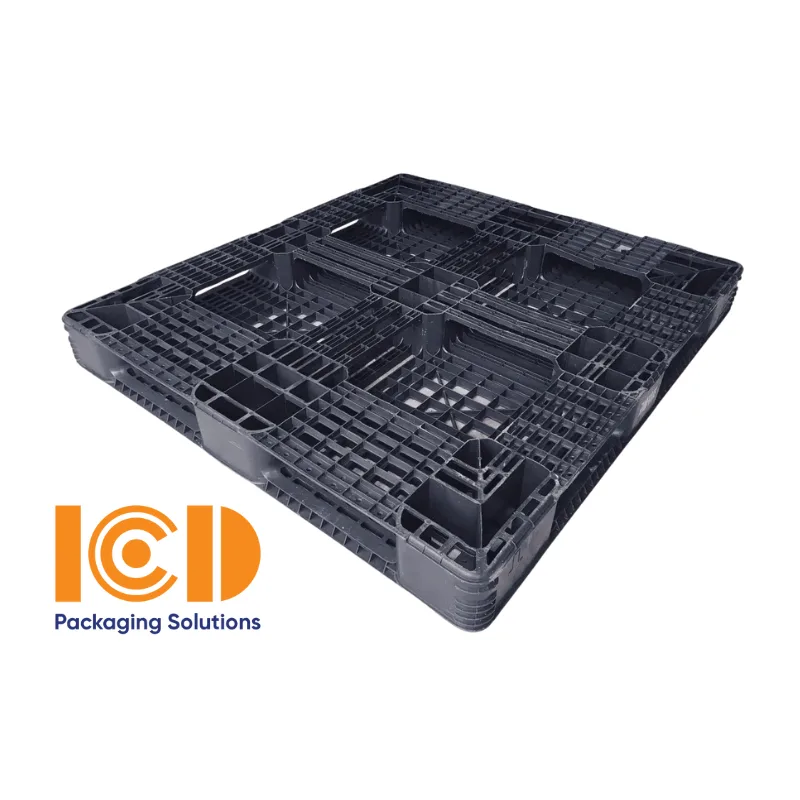
4. Expert advice
When I first started, I made the mistake of skipping periodic cleaning. As a result, many pallets degraded quickly and even posed risks to goods. So I want to share a few tips from my experience:
- Clean right after use: If a pallet gets dirty, clean it immediately. This makes stains easier to remove.
- Use hot water: Hot water cleans grease and stubborn stains more effectively than cold water.
- Check the pallet’s condition: After cleaning, check whether the pallet is cracked or broken. This is a chance to detect damage early and repair it promptly.
5. Chemicals to avoid when cleaning pallets
Plastic pallets are very durable, but not “invincible”. Using the wrong chemicals can damage the plastic structure, making the pallet brittle, prone to breaking and degrading quickly.
- Strong acidic or highly alkaline cleaners: Chemicals such as sulfuric acid, hydrochloric acid or strong alkaline solutions can corrode the plastic surface and reduce durability.
- Organic solvents: Gasoline, oil, acetone or similar solvents can deform and soften the pallet.
- Chlorine bleach: Although it disinfects well, chlorine can make the pallet brittle and prone to breaking after long use.
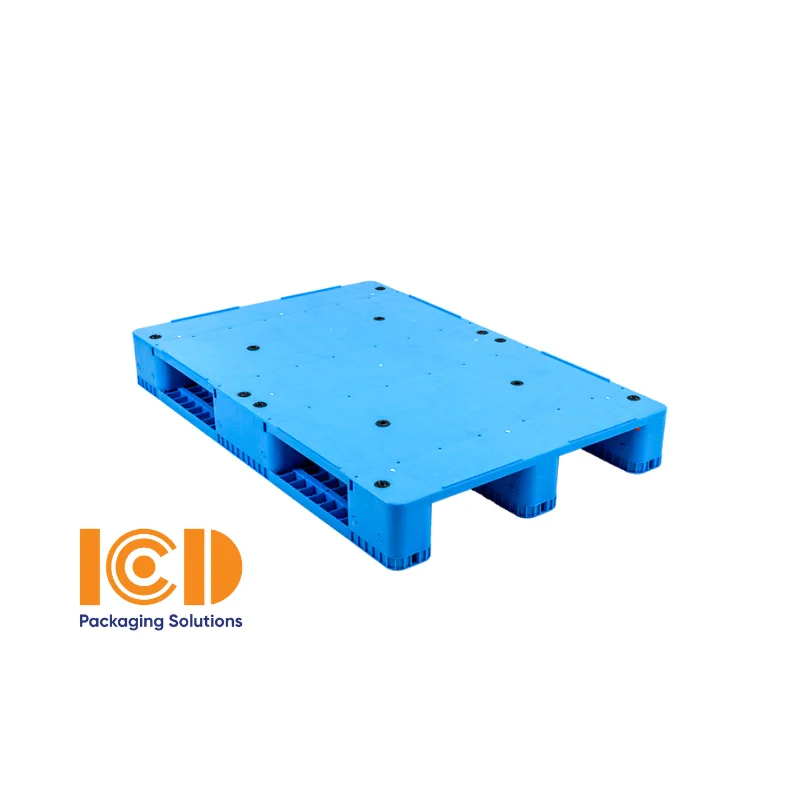
6. How to make pallets last longer: 3 golden rules to remember
Cleaning is important, but proper storage and use are the real “secret” to extending pallet lifespan.
- Rule 1: Use the correct load: Every pallet has a load limit. Overloading not only reduces pallet lifespan but can also endanger goods and workers.
- Rule 2: Store in the right place: Store pallets in a dry, cool place, away from prolonged direct sunlight. High temperatures can deform pallets and make them brittle and easier to break.
- Rule 3: Move carefully: When using a forklift, ensure the forks enter the correct openings and do not strike the pallet body hard. Hard impacts can create small cracks that grow over time and ruin the pallet.

7. Frequently Asked Questions (FAQ)
- Are plastic pallets easier to clean than wooden pallets? Yes. Plastic pallets have a waterproof surface that does not hold dirt or rot like wood, making cleaning much faster and easier.
- Which cleaning chemical should I use? For ordinary stains, soap or a household cleaning solution is enough. For stubborn stains, you can use a specialized solution. Make sure the chemical is not harmful to the pallet or the environment.
- How often should I clean a pallet? Cleaning frequency depends on the use. For pallets in the food industry, clean after each use. For pallets in ordinary warehouses, clean periodically every 1-2 months or whenever there is a stain.
Conclusion
Cleaning plastic pallets is simple but brings great benefits. By following the correct process and applying the tips above, you not only keep pallets like new but also help ensure goods safety and optimize work efficiency.
See also: what plastic pallets are, types and specifications.
See also: what are plastic pallets used for | photos of plastic pallets at the ICD warehouse