
Table of Contents
- What is a plastic pallet?
- What are plastic pallets used for? Four main uses
- Why does every warehouse need pallets?
- Supporting, storing and lifting with a forklift
- High racking, automated warehouses and conveyors
- Travelling with export cargo, including single-use types
- Keeping food, pharmaceuticals and cold storage hygienic
- Carrying drums and chemical cans and stopping leaks
- Electronic components: ordinary pallets are not anti-static
- Beyond warehouses and plants: floor liners, stages and bed bases
- Which industries use plastic pallets most
- Which pallet type for which use
- Why plastic pallets are chosen over wood, metal and paper
- How to choose a plastic pallet by use
- Notes on using plastic pallets
- Conclusion
- Frequently asked questions
- Contact us for plastic pallet advice
- References
Reviewed and updated by ICD - Week 43/2026
Plastic pallets are used to support, store and move goods with a forklift: they lift the load off the floor, create gaps for the forks and keep goods dry and clean. In ICD Vietnam’s catalogue, plastic pallets carry static loads of up to 8,000 kg and are used most in warehouses, exports, food, pharmaceuticals, cold storage and chemicals; outside industry they are also used as floor liners, stage platforms or bed bases.
I have been making pallets since 2011, and the question I hear most is “what is this one used for?”. At the same 1200 x 1000 mm size, one model weighs over 10 kg to travel with export cargo, while another weighs 22 kg to run on warehouse racking for years. This article goes through each use in turn, with the real requirements of each industry.
- Warehousing: Support goods, stack, load onto racks and lift with a forklift.
- Export: Travels with the cargo, no fumigation needed like wooden pallets.
- Hygiene: Food, pharmaceuticals, cold storage: washable and non-absorbent.
- Outside industry: Floor liners, stages, mattress and bed bases.
What is a plastic pallet?
A plastic pallet is a platform moulded from HDPE or PP, with legs or openings for forklift forks. Unlike wooden pallets, plastic pallets do not absorb water, rot or attract insects, and they fall outside wood quarantine rules for export. In return, the purchase price is higher and plastic is combustible, which needs attention when storing large quantities.
What are plastic pallets used for? Four main uses
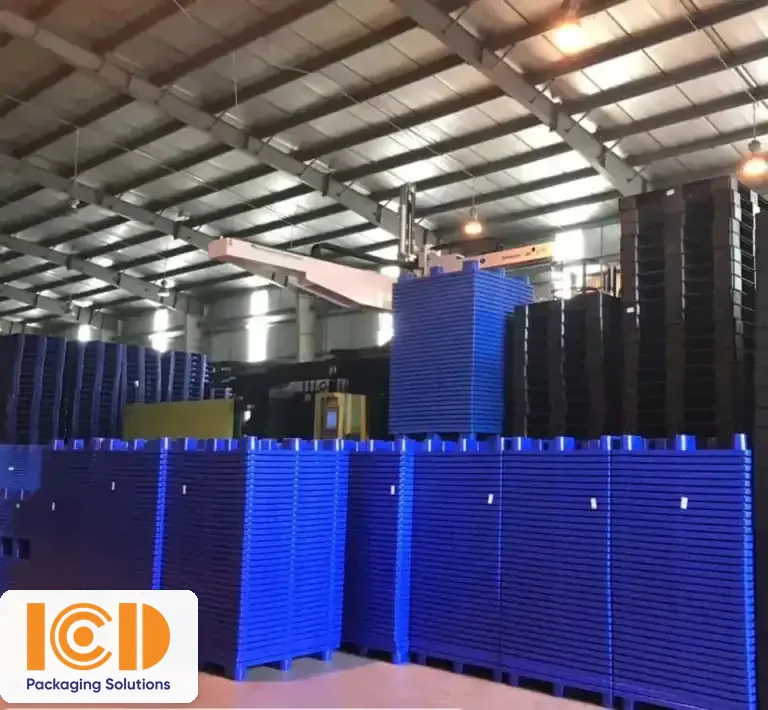
Plastic pallets have four main uses: supporting goods and lifting them with a forklift in a warehouse, travelling with export cargo without fumigation, keeping food, pharmaceuticals and cold stores hygienic, and uses outside industry such as floor liners, stages and bed bases.
Why does every warehouse need pallets?
A forklift can only lift something with gaps for its forks. A pallet turns dozens of loose cartons into one “unit load”: one lift replaces dozens of hand-loading trips, and one rack position replaces a pile of goods on the floor. The Material Handling Industry (MHI) in the United States treats the pallet as the foundation of almost every storage and transport system today. The second benefit is lifting goods off the floor, away from damp, standing water and dust, which pharmaceutical and food stores are required to do.
Supporting, storing and lifting with a forklift
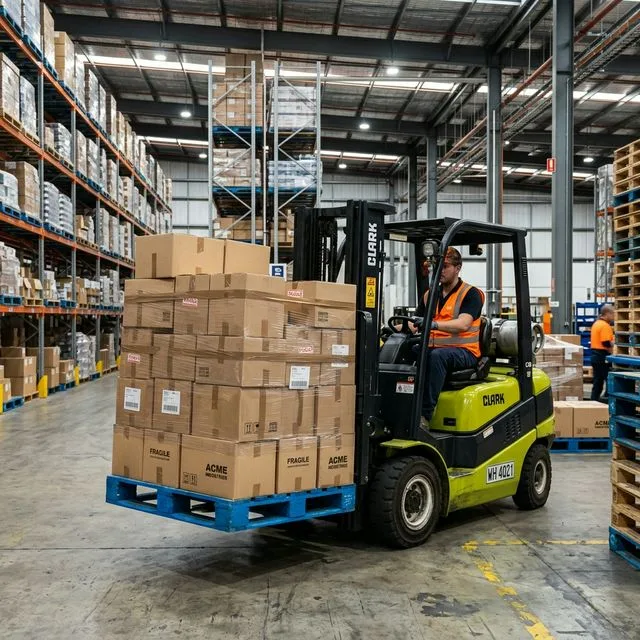
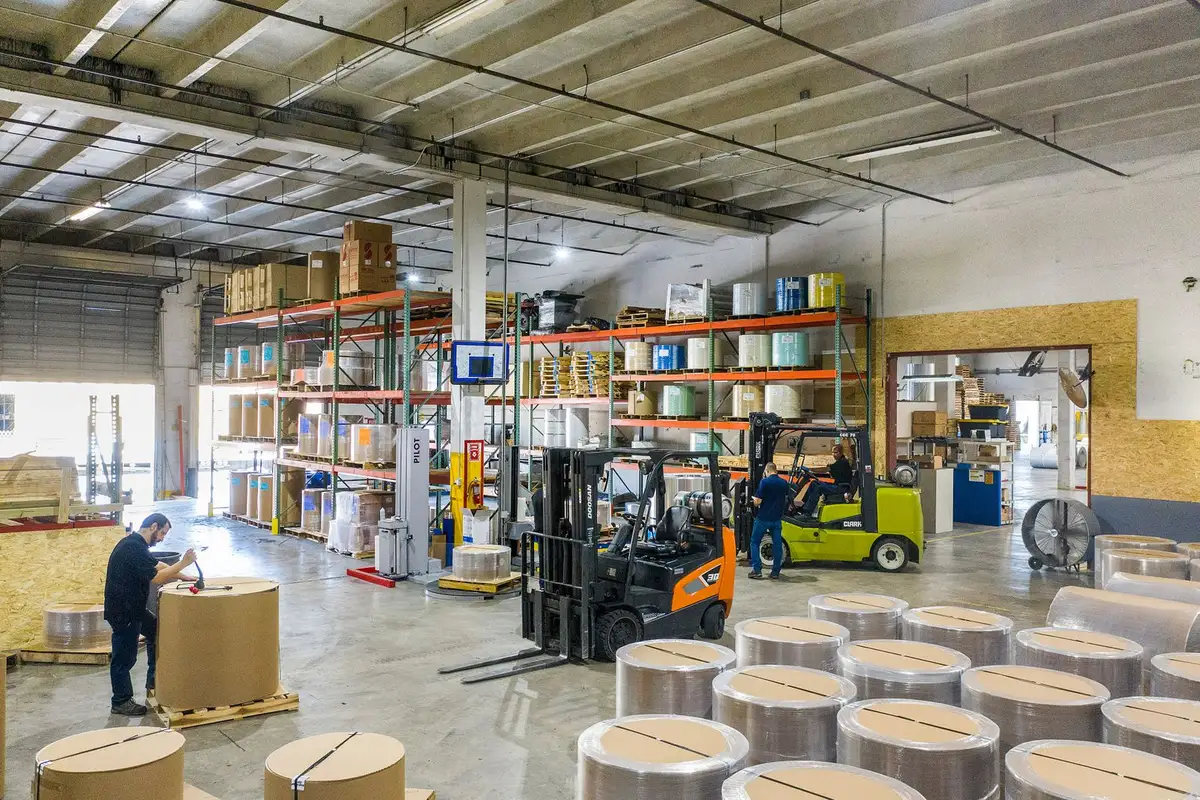
This is the most common use. A pallet raises the load about 100 to 165 mm above the floor, creating gaps for the forks of a hand pallet truck or electric forklift to enter from 2 or 4 directions, so the whole load moves in one lift instead of carton by carton. Warehouse pallets also allow stacking and racking; in ICD Vietnam’s catalogue, the warehouse group has a static load of 1,000 to 8,000 kg and a dynamic load of 500 to 2,400 kg depending on the model.
High racking, automated warehouses and conveyors
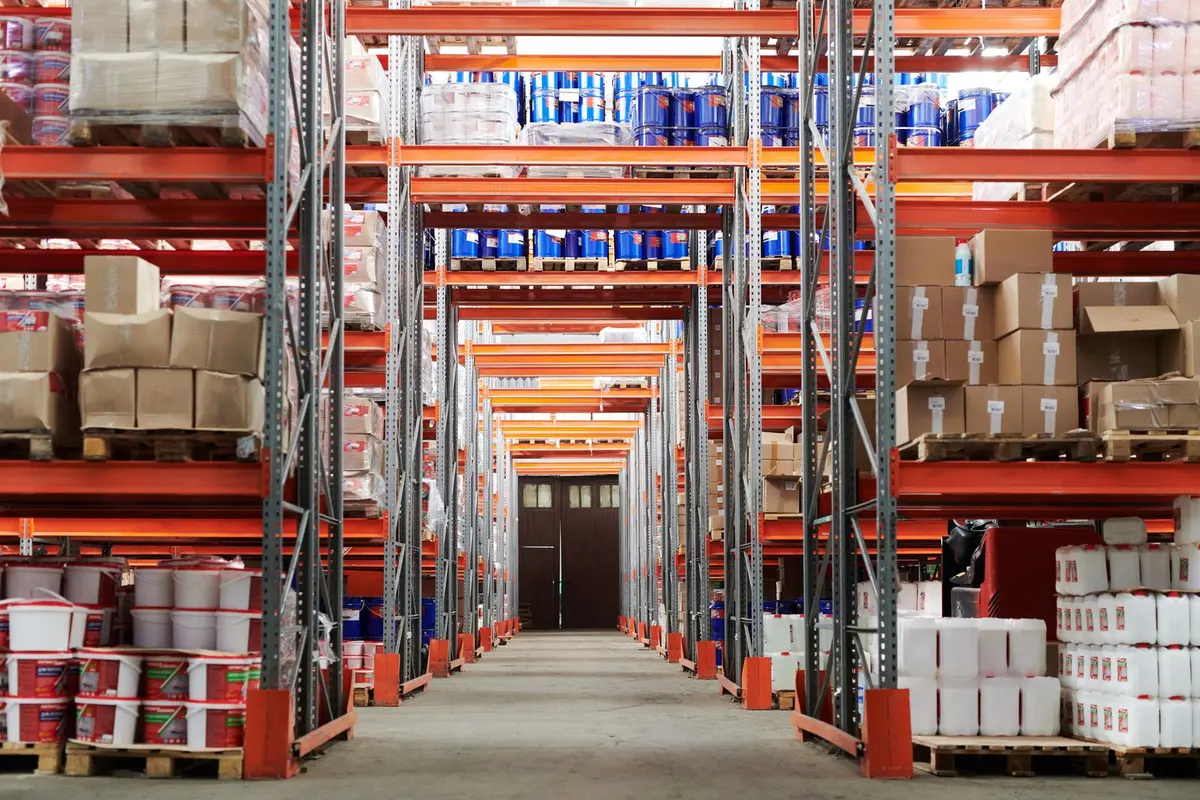
When a warehouse moves to high racking or an automated system (AS/RS), the demands on the pallet are much stricter than for floor storage. From my experience working with these warehouses, there are three points to check before ordering:
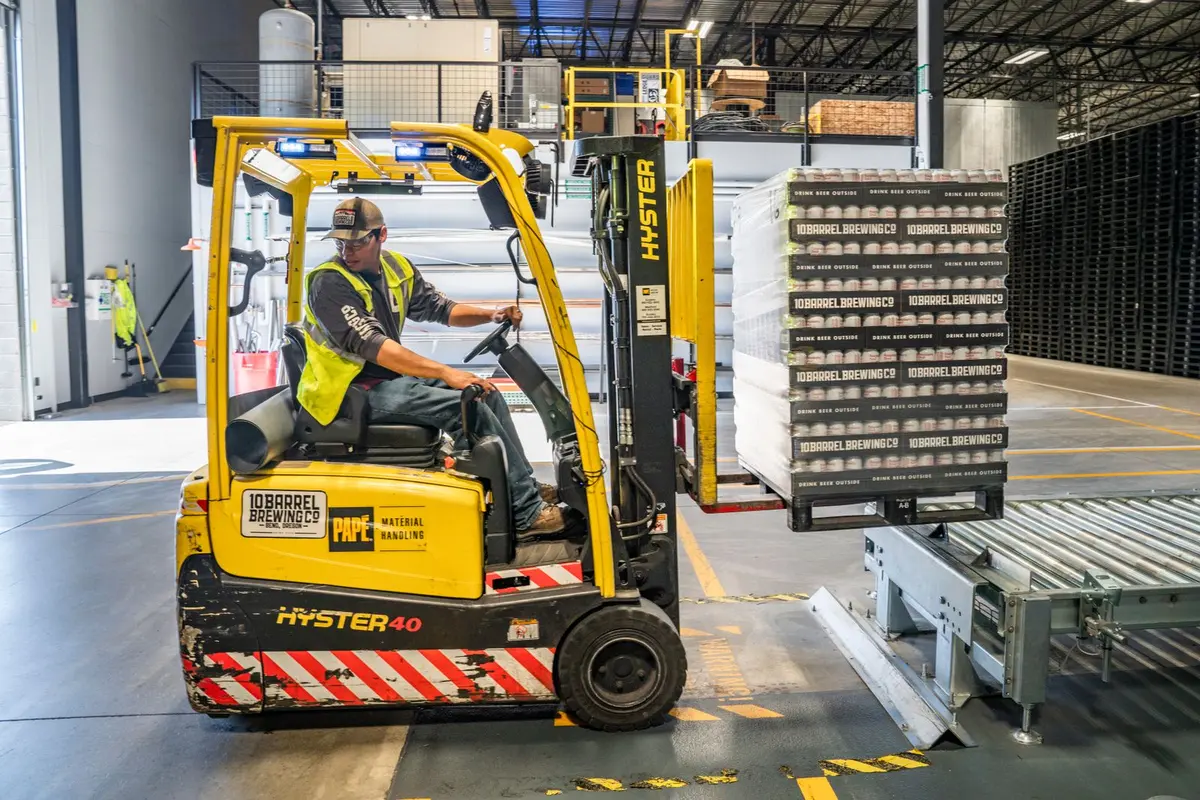
- Solid base or runners: a 9-leg pallet with loose feet tends to catch in roller gaps; 3-runner or 6-leg pallets with base connecting bars run more reliably.
- Rack load: a pallet resting on two beams sags in the middle, so compare the cargo with the rack load, not the static load. Heavy cargo needs a steel-reinforced pallet.
- Uniform dimensions: automated systems reject pallets that are out of square or warped; send the conveyor specification to the supplier to check in advance.
Travelling with export cargo, including single-use types
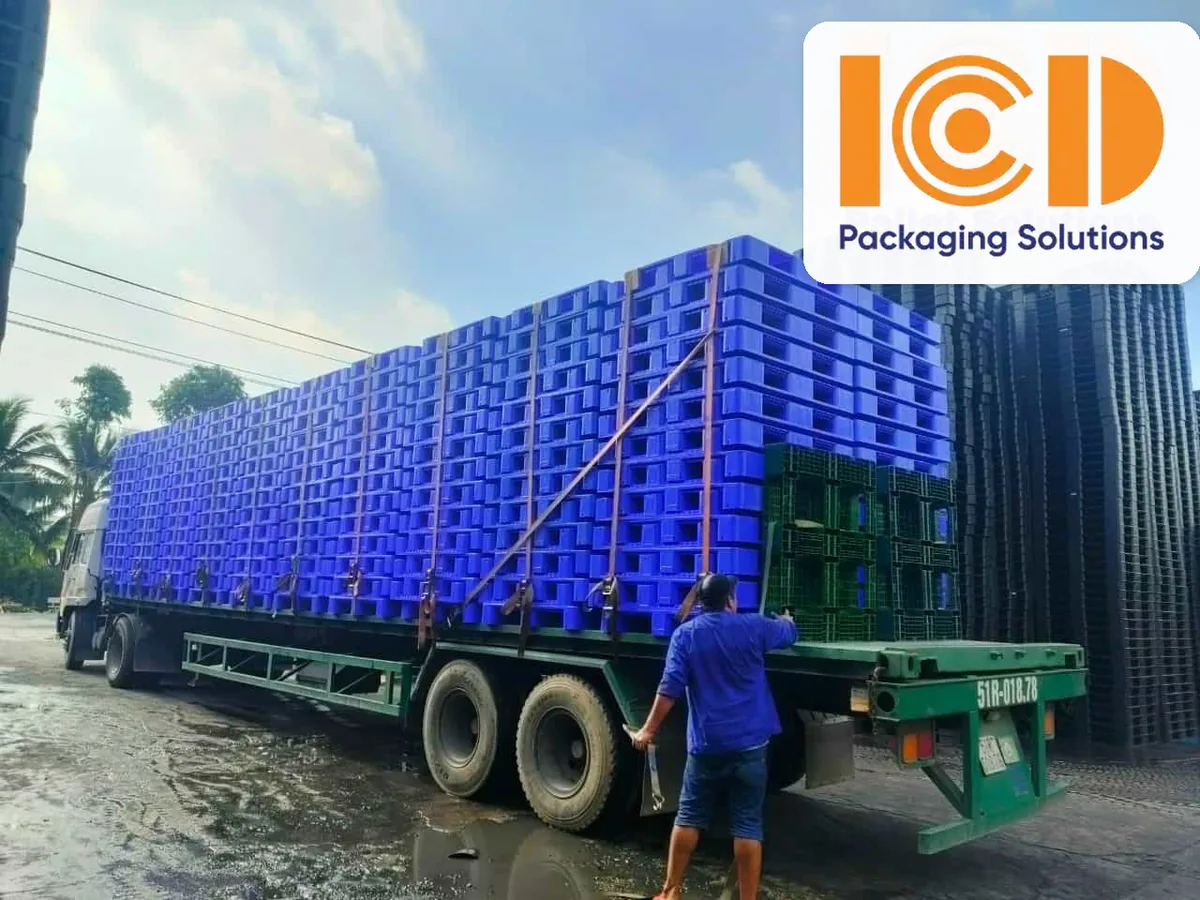
Wooden pallets travelling with export cargo must be treated and marked under the IPPC’s ISPM 15 quarantine standard, while plastic pallets are not made of wood and fall outside this standard, so no fumigation is needed. That is why many businesses use plastic pallets for export, also called single-use (one-way) pallets: a light type, cheaper than a warehouse pallet, that travels with the cargo and is not returned. ICD Vietnam’s catalogue has 25 export pallet models, most common in 1200 x 1000, 1100 x 1100 and 1200 x 800 mm.

- Single-use export pallet: Light, low price, not returned, no fumigation needed.
- Warehouse pallet: Durable, high load capacity, suited to returnable supply chains and many trips.
Keeping food, pharmaceuticals and cold storage hygienic
For a medicine store, keeping goods off the floor is mandatory. Good Storage Practice (GSP), issued with the Ministry of Health’s Circular 36/2018/TT-BYT, requires medicines and raw materials to be placed on shelves, racks or pallets off the floor, and the store must have enough pallets, with gaps between pallets and from the floor wide enough for cleaning and inspection.
Note: GSP does not require pallets to be plastic; medicine stores choose plastic because it is easy to clean and free of wood dust and termites. If your store specifies a clearance from the floor, measure the pallet height before buying: warehouse pallets are 120 to 180 mm high, while floor-liner pallets are only 35 to 50 mm.
Plastic pallets meet this well because they do not absorb water and can be washed with water and cleaning chemicals; the food and seafood industries usually choose a closed deck, while cold stores choose HDPE plastic because it stays flexible at low temperatures.
Carrying drums and chemical cans and stopping leaks
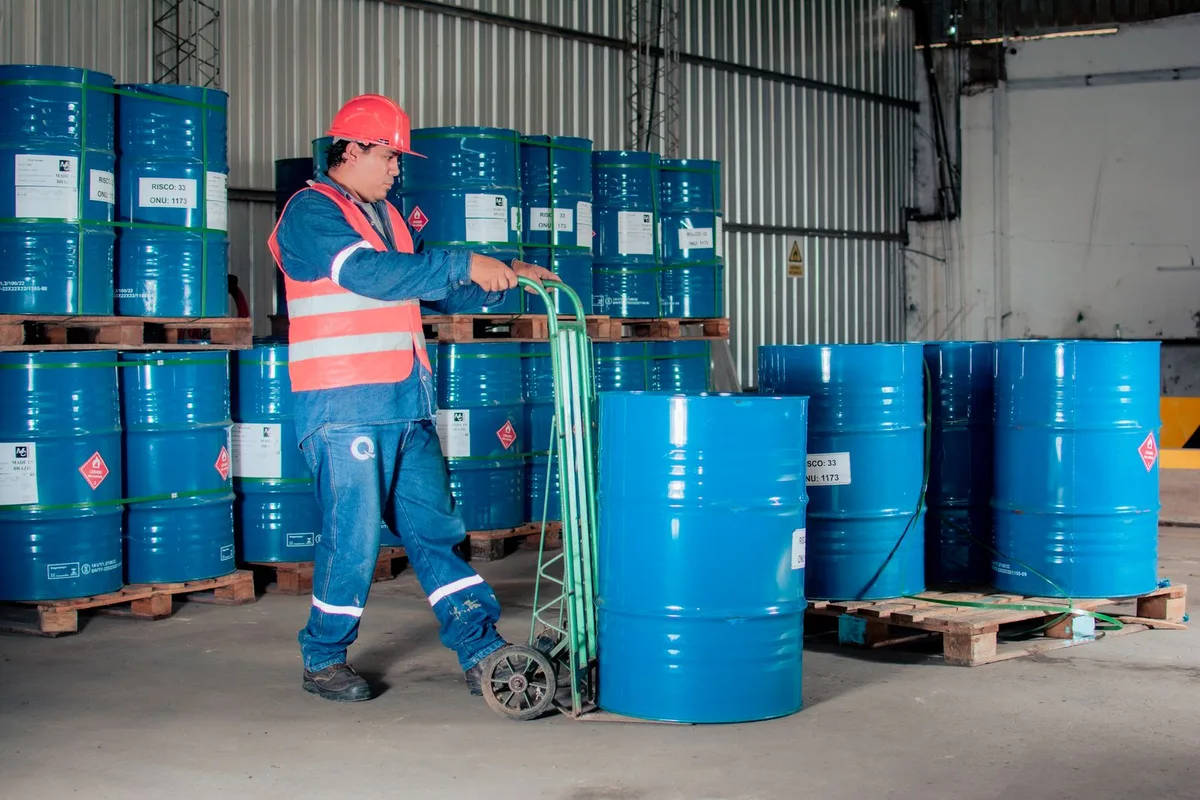
In a chemical store, plastic pallets play two roles. Ordinary pallets carry cans and sacks that do not react with water; spill pallets (with a sump underneath) carry liquid drums to retain any leakage. Regulation QCVN 05A:2020/BCT on safety in the production, trading, use, storage and transport of dangerous chemicals (amended by Circular 19/2024/TT-BCT) has several requirements that bear directly on pallet choice:
- The sump is part of the collection system: minimum collection capacity of 110% of the liquid in the largest container in the area.
- Chemicals that react with water must be stored at least 0.3 m above the ground. Ordinary warehouse pallets are only 120 to 180 mm high, so a higher rack or stand is needed.
- Stacking limit: containers under 1,000 litres may be stacked at most 3 tiers, and containers over 1,000 litres at most 2 tiers.
When advising on spill pallets, I always ask about the largest drum volume first: a 4-drum pallet needs a sump large enough for at least one 200-litre drum emptied completely, not one calculated from the pallet’s deck area.
Electronic components: ordinary pallets are not anti-static
Many places describe plastic pallets as “anti-static”. The reality is the opposite: ordinary HDPE and PP are insulators and build up charge easily when rubbed. An electrostatic protected area (EPA) under the IEC 61340-5-1 standard requires the surfaces of racks, trolleys and trays to be earthed with a resistance below 1 x 10⁹ Ω. For a pallet to meet this level it must be a type blended with a conductive additive (an ESD pallet), supplied with a surface resistance test sheet. If components are already in closed anti-static trays or bags, an ordinary pallet can still be used for storage outside the EPA.

Beyond warehouses and plants: floor liners, stages and bed bases
Plastic floor-liner pallets are thin with a flat surface, usually 35 to 50 mm high, and are used to support goods in shops, to floor event areas or to be joined into temporary stage platforms because they are light, waterproof and quick to assemble; ICD Vietnam’s catalogue has 18 models in this group.
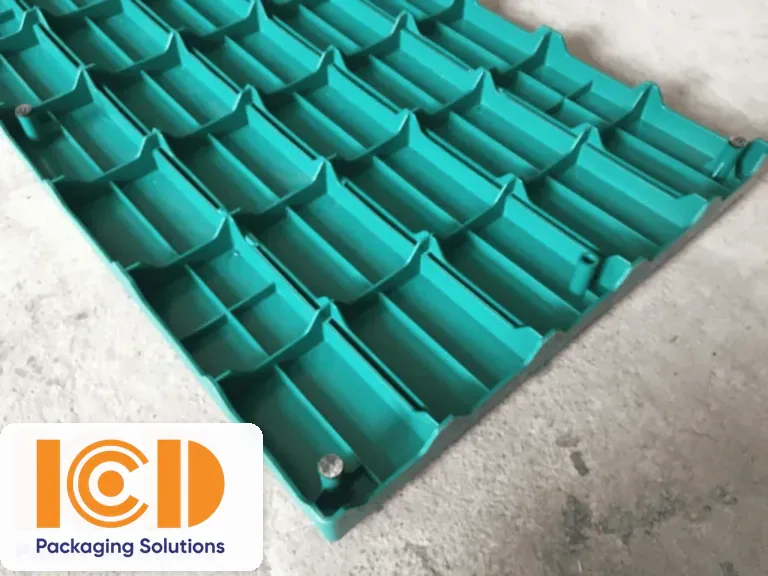
At home, plastic pallets are used under mattresses, as low beds or as shelves, provided you choose a closed deck or small-mesh deck, place them on a flat surface, fix the panels together and stay within the static load of that model. Compared with wooden pallets, plastic ones have no splinters or termites and can be wiped clean, but they feel less warm and need an extra cover panel to make the surface flat.
Which industries use plastic pallets most
Food, pharmaceuticals, cold storage, chemicals and export are the industries that use plastic pallets most. Each has its own requirements, and some come from legal documents rather than habit. The table below gathers the main requirement, the basis (where there is one) and the pallet type usually chosen.
| Industry | Main requirement | Basis | Type usually chosen |
|---|---|---|---|
| Pharmaceuticals | Medicines on shelves or pallets off the floor; clean pallets with location codes | GSP, Circular 36/2018/TT-BYT | Closed deck, same colour, same model |
| Food, seafood | Washable after each shift; migration-compliant plastic if unpackaged food is placed on it | QCVN 12-1:2011/BYT | Closed deck, virgin HDPE |
| Cold and frozen storage | Does not become brittle at sub-zero temperatures | Material property | HDPE cold-storage pallet |
| Chemicals, lubricants | Collection sump of at least 110%; stacking tier limit | QCVN 05A:2020/BCT | Spill pallet |
| Electronics | Earthed surface below 109 Ω in the EPA | IEC 61340-5-1 | ESD pallet with test sheet |
| Export | No quarantine treatment needed as for wood | ISPM 15 (applies to wood only) | Light export pallet |
| Rubber, printing | Withstands the concentrated load of heavy bales and reels | Industry-specific | Rubber-industry and printing-industry pallets |
| Retail, supermarkets | Back-store goods and display areas; light and easy to pull | Operating habit | Floor-liner pallet, 9-leg pallet |
Which pallet type for which use
Each use matches a separate group of pallets: floor support uses floor-liner pallets, warehouses and cold stores use warehouse pallets, very heavy goods use steel-reinforced pallets, and chemicals use spill pallets. By structure and function, the common plastic pallets are the types below, with real product photos and figures from ICD Vietnam’s catalogue.
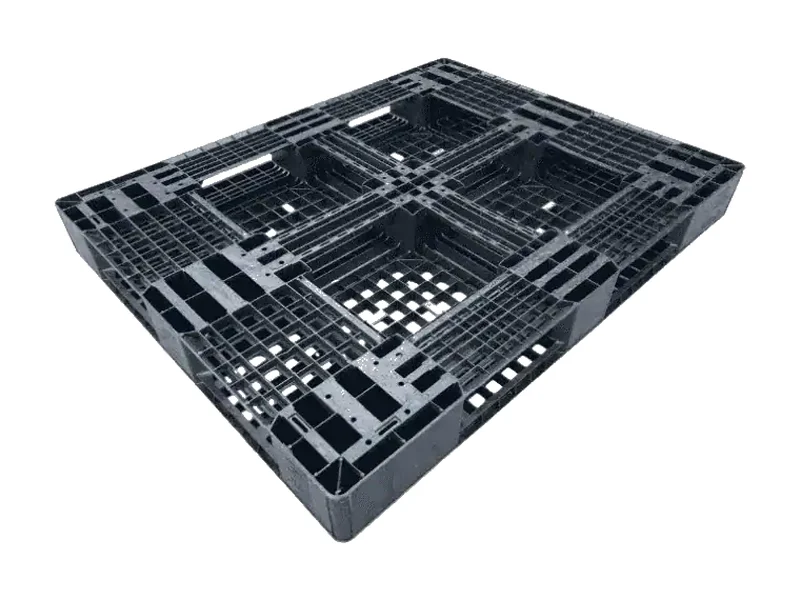
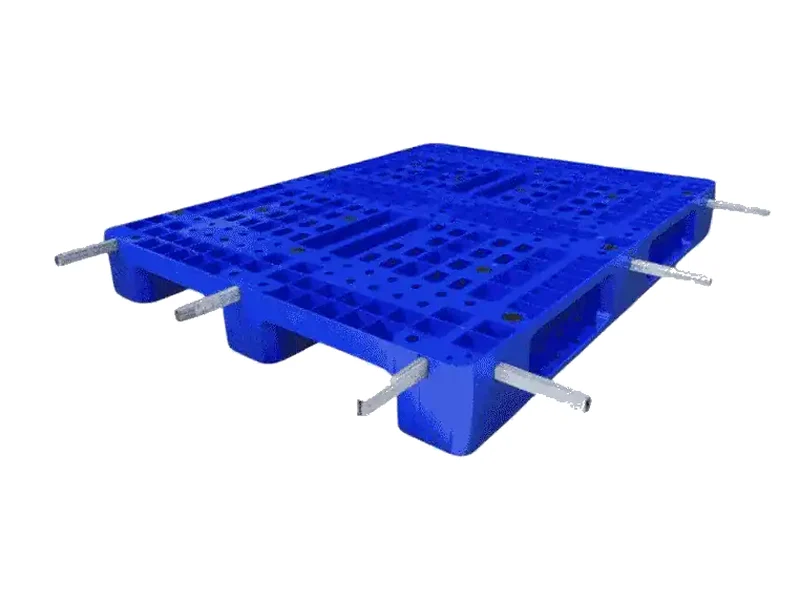
- Warehouse and cold-storage pallets: For storage and frequent lifting with a forklift. The cold-storage type is designed to withstand low temperatures without deforming or failing. (63 models; static 1,000 - 8,000 kg; dynamic 500 - 2,400 kg)
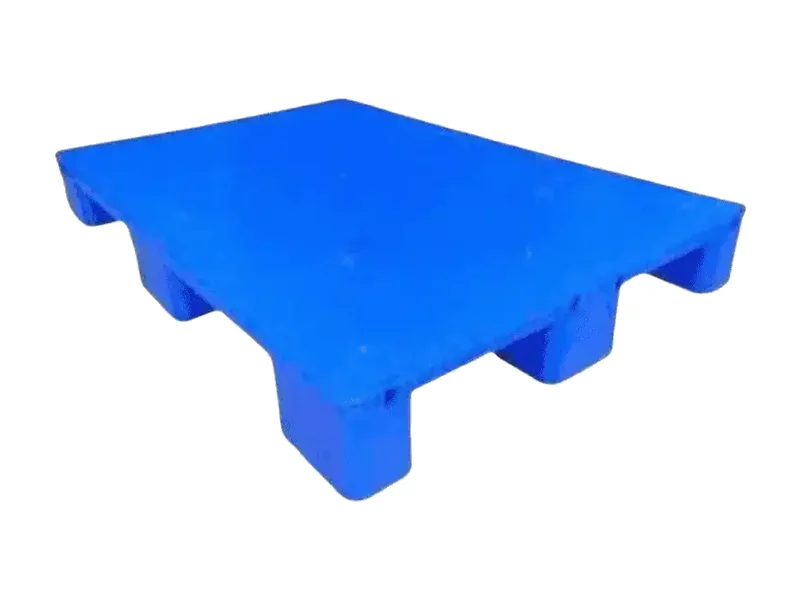
- Floor-liner pallets: Line the warehouse floor, keep goods from touching the floor directly, resist damp and mould and keep hygiene good. (18 models; static 100 - 3,000 kg; dynamic 300 - 1,000 kg)
- Steel-reinforced pallets: Reinforced with an internal steel core, they carry large loads and suit heavy goods and racking. (3 models; static 4,500 - 6,500 kg; dynamic 1,500 - 3,200 kg)
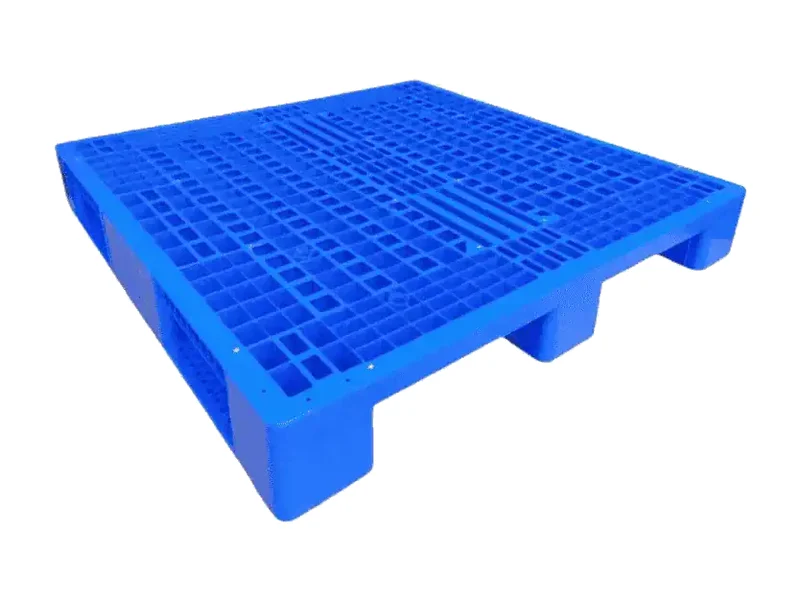
- 3-runner pallets: Three supporting runners make them easy to stack and move, and they run on conveyors and racks, making the best use of storage space. (30 models; static 2,000 - 6,000 kg; dynamic 800 - 1,800 kg)
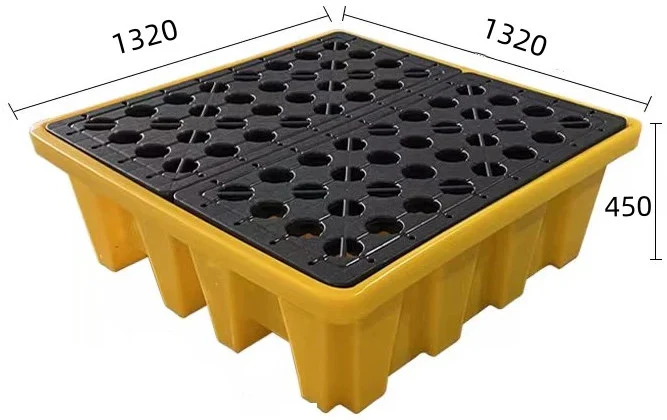
- Spill pallets: Carry chemical and oil drums; the sump underneath holds liquid and stops leaks from spreading. Suited to the chemical and oil and gas industries. (3 models; static 1,000 - 2,000 kg; dynamic 500 - 1,000 kg)
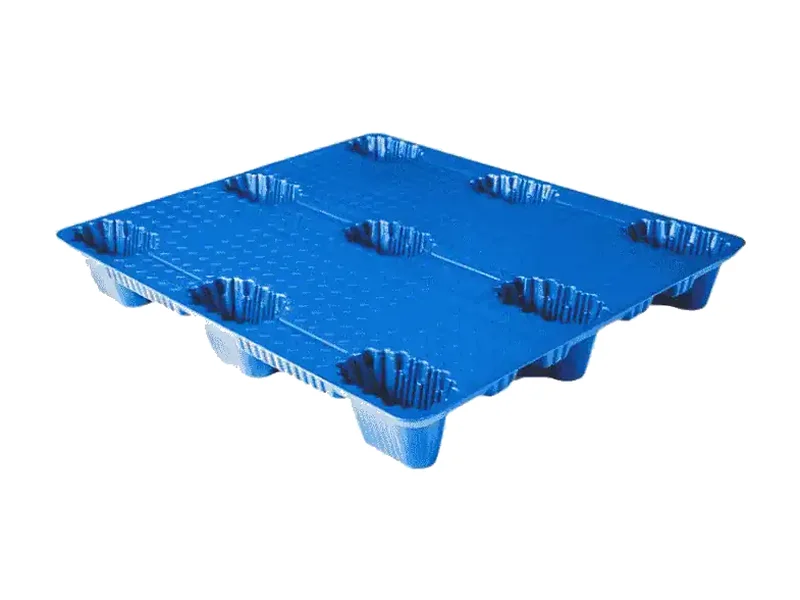
- Cup-leg pallets: Nine hollow cup-shaped feet let empty pallets nest inside each other to save space; suited to light goods, floor support and transport. (9 models; static 1,000 - 6,000 kg; dynamic 500 - 2,000 kg)
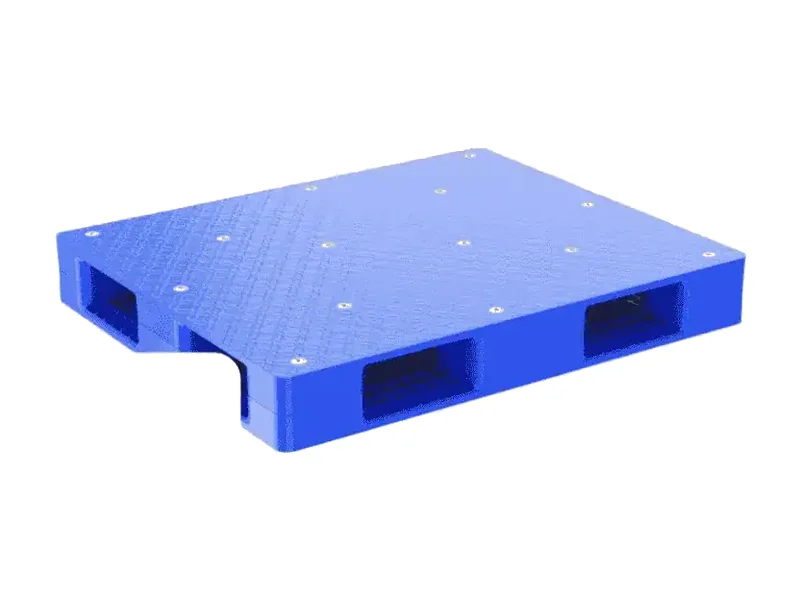
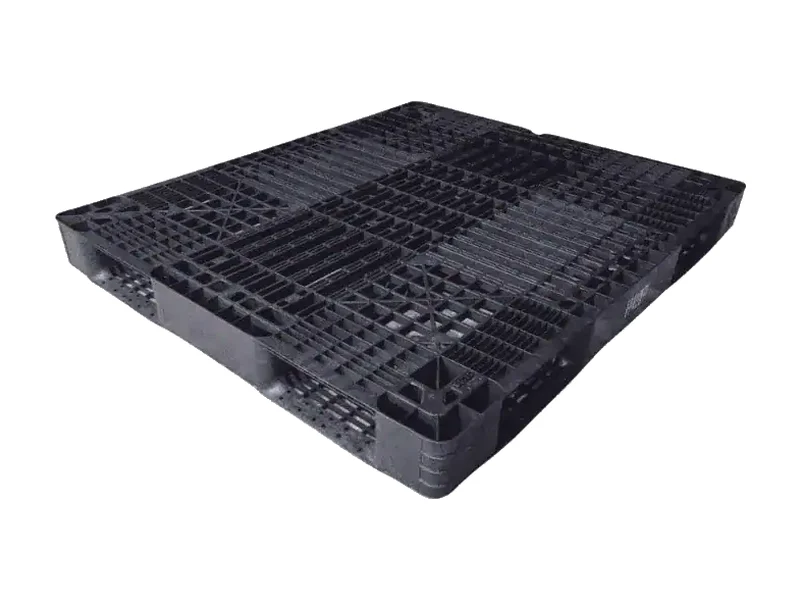
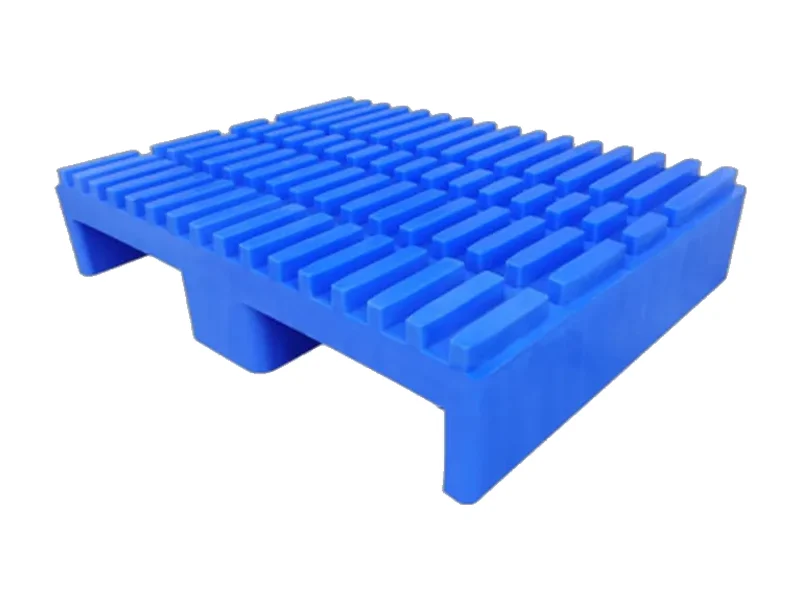
- Closed-deck pallets: The top is a flat, solid panel with no gaps, protecting small items and loose materials and easy to wipe clean. (5 models; static 4,000 - 5,000 kg; dynamic 1,200 - 1,500 kg)
- Export pallets: Travel with export cargo, used once or a few times; light, low price, and not subject to ISPM 15 treatment. (25 models; static 1,000 - 4,000 kg; dynamic 500 - 2,000 kg)
- Printing-industry pallets: Size and structure designed specifically to carry paper reels, printed products and packaging. (5 models; load varies by model)
Load figures are taken from ICD Vietnam’s plastic pallet catalogue, checked on 11 October 2026; each range counts only models with published load figures, excluding models suspected of data-entry errors.
How many kg does one plastic pallet weigh?
ICD Vietnam plastic pallets weigh from about 2 kg (a thin floor liner) to 22 kg (a large warehouse pallet). At the same 1200 x 1000 x 150 mm size, weight can range from 13.5 to 22 kg: the difference is the amount of plastic in the feet and deck boards, which determines load capacity and durability. When comparing the price of two models of the same size, ask about weight first.
| Pallet group | Typical size (mm) | Weight | Published static load |
|---|---|---|---|
| Thin floor liner | 1000 x 600 x 35 | 3.9 to 4.2 kg | 3,000 kg |
| Floor liner, nub-foot closed deck | 1200 x 800 x 140 | 10 kg | Varies by model |
| Nub-foot cup pallet | 1200 x 800 x 140 | 6.5 kg | Varies by model |
| Export | 1300 x 1100 x 130 | 11.5 kg | 3,000 kg |
| Warehouse and cold storage | 1200 x 1000 x 145 to 150 | 10.8 to 22 kg | 3,000 to 5,000 kg |
| 3-runner | 1200 x 1000 x 150 | 17.5 kg | 4,000 kg |
| Steel-reinforced | 1200 x 1000 x 150 | 18.9 kg | 4,500 kg |
Figures are taken from the product specifications published on the ICD Vietnam website, with a weight tolerance of about ±5%, checked on 14 October 2026.
Why plastic pallets are chosen over wood, metal and paper
Compared with wood, metal and paper pallets, plastic pallets strike the best balance between durability, hygiene and weight: more durable and cleaner than wood, lighter and cheaper than metal, and reusable many times instead of once like a paper pallet.
ICD sells both wooden and plastic pallets, so my advice is this: for one-way goods, a dry warehouse and no hygiene requirement, wooden pallets are still economical; plastic pallets are worth the money when they circulate many times, need washing, or when the warehouse cannot accept wood dust and termites.
How to choose a plastic pallet by use
Choose a plastic pallet by five criteria: the right type for the use, HDPE or PP material, a size that fits the goods and the warehouse, a load capacity higher than the real weight of the goods, and suitability for the environment. When you buy plastic pallets, note the following:
- 1. Choose the right type: Identify the pallet type that fits your use, such as a cold-storage plastic pallet for cold environments or a steel-reinforced plastic pallet for heavy goods.
- 2. Material: Choose pallets made of durable plastic such as HDPE or PP to ensure a long life and high reusability.
- 3. Size: Make sure the pallet size suits the size of the goods and the storage space.
- 4. Load capacity: Determine the required load to avoid overloading that damages the pallet.
- 5. Conditions of use: Consider the environment to choose a pallet with good heat and moisture resistance.
- Product group: Food and pharmaceuticals prefer closed-deck virgin plastic; one-way export goods prefer light export pallets.
Notes on using plastic pallets
To keep plastic pallets durable, use the correct load, inspect regularly, clean often, avoid direct sunlight and recycle them at the end of their life. Here are five specific points. This part relates to the meaning of plastic pallet colours, which has its own article.
- Regular inspection: Check the condition of pallets often to spot damage early and avoid risks when moving goods.
- Use the correct load: Do not exceed the permitted load, to avoid damage and keep people safe.
- Clean regularly: Keep plastic pallets clean, especially in industries with high hygiene requirements.
- Store properly: Store pallets in a dry place away from direct sunlight to extend their life.
- Reuse and recycle: Get the most reuse from plastic pallets and recycle them when they can no longer be used, to protect the environment.
Conclusion
Plastic pallets are used to support, store, lift and transport goods, but each use needs a different type. Pharmaceutical and food stores need clean pallets at the right clearance height; chemical stores need spill sumps of sufficient capacity; automated warehouses need solid bases and rack-load ratings; electronics plants need ESD pallets with test sheets.
- What goods, and how heavy is each load?
- Where will it stand: floor, rack, conveyor or container?
- What lifts it: hand pallet truck, electric forklift or automated system?
- How long is the turnaround, and are the pallets returned?
See also: what is a pallet | how to clean plastic pallets
Frequently asked questions
What are plastic pallets used for?
Plastic pallets are used to lift goods off the floor, store them, stack them on racks and lift and transport whole loads with a forklift. The industries that use them most are food, pharmaceuticals, cold storage, chemicals and export; outside industry they are also used as floor liners, stage platforms or bed bases.
Why do we need to use pallets?
Because a forklift can only lift goods that have gaps for its forks. A pallet groups many loose cartons into one unit load, lifted at once instead of by hand carton by carton, and it also keeps goods off the floor to avoid damp, standing water and dust.
How many kg does one plastic pallet weigh?
About 2 to 22 kg depending on the type. A thin floor liner weighs about 2 to 4 kg, a 1300 x 1100 mm export pallet about 11.5 kg, and a 1200 x 1000 mm warehouse pallet from about 10.8 to 22 kg depending on load capacity.
Are plastic pallets anti-static?
Ordinary plastic pallets are not anti-static, because HDPE and PP are insulators that build up charge when rubbed. Electrostatic protected areas need ESD pallets blended with a conductive additive, with a surface resistance test sheet.
What is a single-use plastic pallet?
It is a light, low-priced plastic export pallet that travels with the cargo to the importing country and is not returned. It is chosen instead of a wooden pallet because it needs no fumigation under ISPM 15, its light weight reduces freight cost, and its uniform size helps with container loading. If the pallet is recovered for many trips, choose a more durable warehouse pallet.
What are plastic pallets made of?
Plastic pallets are moulded from HDPE or PP resin, virgin or recycled. In ICD Vietnam’s catalogue, most models that state a material use HDPE (147 of 172 models with a published material), and some use PP or PPC (PP copolymer). HDPE is flexible and resists impact and cold well; PP is stiffer and handles heat better.
Can plastic pallets be used as beds or stages?
Yes. For a bed or shelf, choose a closed deck or small-mesh pallet, place it on a flat surface, fix the panels together and stay within the published static load. For a stage or event floor, a thin floor-liner pallet of 35 to 50 mm is easy to join, light and waterproof, but needs a carpet or cover panel so the surface is flat to walk on.
Contact us for plastic pallet advice
The ICD Vietnam team advises on pallet types according to use, load capacity and the actual conditions of your warehouse.
- Northern Vietnam: 0983 797 186
090 345 9186
090 5859 186 - Southern Vietnam: 098 6784 186
- Email: Sales@icdvietnam.com.vn
In stock, VAT invoices, nationwide delivery
References
- The concept and role of the pallet in logistics and goods transport - Material Handling Industry (MHI) - Pallets.
- Quarantine standard for wood packaging material - ISPM 15, International Plant Protection Convention (IPPC).
- Good Storage Practice for medicines - Circular 36/2018/TT-BYT, Ministry of Health.
- Product specifications - ICD Vietnam plastic pallet catalogue, checked on 11 October 2026.
- Migration from plastic packaging and utensils in contact with food - QCVN 12-1:2011/BYT, issued with Circular 34/2011/TT-BYT, Ministry of Health.
- Safety of dangerous chemicals - QCVN 05A:2020/BCT, amended by Circular 19/2024/TT-BCT, Ministry of Industry and Trade.
- Electrostatic control - IEC 61340-5-1, Electrostatics: Protection of electronic devices from electrostatic phenomena.
- Storage fire protection - NFPA 13, Standard for the Installation of Sprinkler Systems.