
Table of Contents
- Recycling used plastic pallets into furniture and household items
- Turning old plastic pallets into gardening items
- Reusing old plastic pallets in warehouses and workshops
- How are damaged plastic pallets recycled into pellets?
- Advice and cautions when recycling old plastic pallets
- Benefits of recycling old plastic pallets
- Frequently asked questions
- Can old plastic pallets be recycled into furniture?
- Why recycle old plastic pallets instead of throwing them away?
- Can recycled plastic pallets be used for food?
- How can you tell whether a plastic pallet is HDPE or PP?
- Should damaged plastic pallets be sold for scrap or repaired?
- Does ICD Vietnam buy back damaged plastic pallets?
- How should a business dispose of damaged plastic pallets in compliance with the rules?
- Contact for used plastic pallet advice
- References
Reviewed and updated by ICD - Week 44/2026
Recycling an old plastic pallet goes two ways: a board that can still carry load is reused whole as a table, shelf, vertical garden or warehouse stand; a board that is broken or cracked is recycled as material, meaning HDPE or PP is shredded, washed and melted into pellets to mould new products. According to the World Bank, Vietnam recycled only about 33% of the key plastics it consumed in 2019, so every pallet given one more cycle of use counts.
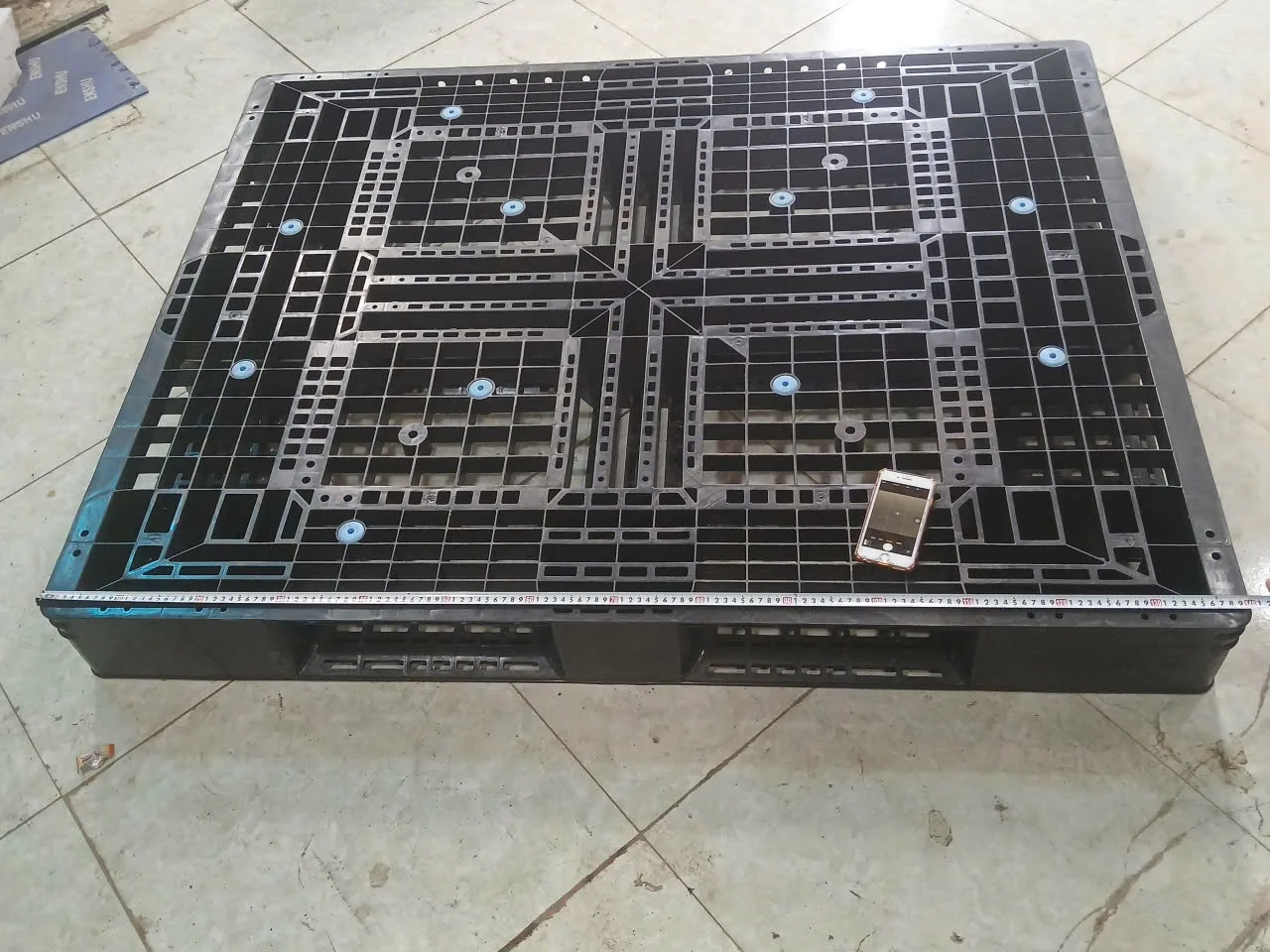
I am Le Van Thang, and I have worked with pallets at ICD Vietnam since 2011. The used plastic pallets that pass through my hands have usually carried goods in factories for years, but most still have intact legs and decks. Instead of ending up in a scrap yard, they can become useful items in the home, the garden or the warehouse, saving cost and cutting plastic waste. This article follows the order I usually recommend: reuse the whole board first, send it for pellet recycling only when it can no longer be used, and always know what that pallet carried before.
Recycling used plastic pallets into furniture and household items
Furniture is the easiest way to reuse a pallet, because it only needs intact boards to be joined, fixed and finished, with no shredding or melting of plastic. Plastic pallets are designed to hold hundreds of kilograms, so for a table, chair or shelf the stiffness is more than enough. For more background, see tips for buying used plastic pallets.
The most popular items are coffee tables and low sofas. Two boards stacked on each other already make a coffee table for a living room or garden; add cushions and a few back pillows and you have a simple outdoor sofa set. I have seen a few acquaintances use these very pallets as tea tables in warehouse offices, and one even put one in a living room with a glass top, which looked tidy. For more depth, see buying used plastic pallets from a market stall or a supplier.
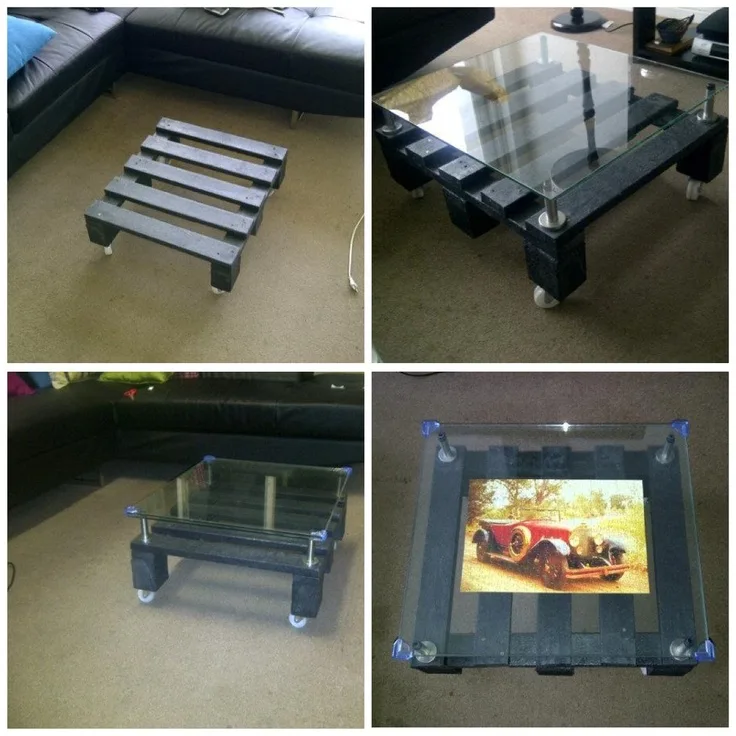
Bookshelves and display shelves can be made but take more skill, because the boards must be cut to size and joined straight. If you are not used to tools, ask a craftsman to pre-cut them. A plastic pallet is moulded in one piece with load-bearing ribs, so it is worked very differently from a wooden pallet: driving nails or wood screws straight into the deck easily cracks the ribs. The table below sums up the tools and joining methods I find suitable for DIY. You can also read on about the standard plastic pallet size chart.
| Task | Use | Avoid |
|---|---|---|
| Cutting boards | Fine-tooth saw, cutting slowly along the ribs | Fast cutting that melts the plastic and frays the edge |
| Smoothing edges | Fine sandpaper, rounding off corners and edges | Leaving sharp edges after cutting, which scratch hands |
| Joining boards | Outdoor-grade cable ties, strap clamps, corner brackets that wrap around the ribs | Nails or wood screws driven straight into load-bearing decks |
| Tables, sofas, floor beds | Set flat on the floor, with the legs of the upper board aligned over the legs of the lower | Stacking too high for bed frames or bunk beds |
| Protection | Goggles, gloves and a mask when cutting and sanding | Burning or torching the plastic in a closed space |
For the kitchen, I only suggest using old pallets as stands for water jugs, shelves for packaged dry goods and rests for rice sacks. Do not put vegetables, meat or food directly on the pallet surface, because with an old pallet you usually do not know what goods it carried before.
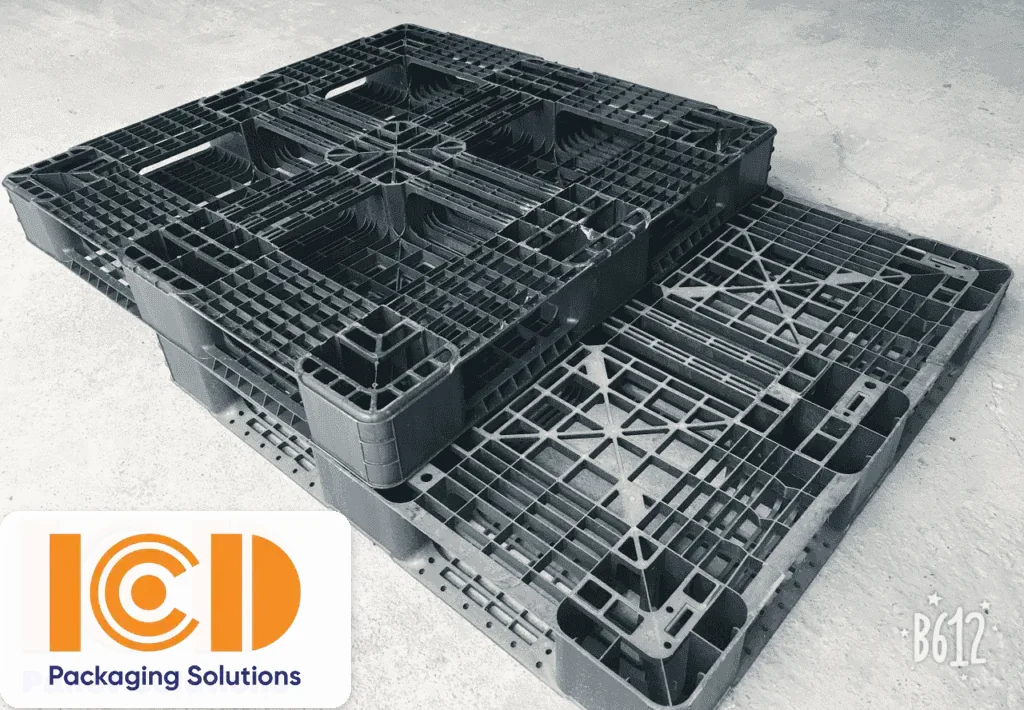
Turning old plastic pallets into gardening items
Plastic pallets suit gardening because they do not rot or get eaten by termites under daily watering. Remember to place them in partial shade, since long exposure to direct sun fades the plastic and makes it gradually brittle.
A small townhouse can stand pallets upright against a wall as a vertical garden, with a planting bag or small pot in each rib cell for herbs and ornamental plants. On balconies and rooftops you can cut pallets into small blocks as pot feet, which lets pot bases drain and keeps the floor from staining. A board laid flat also serves as a temporary garden path in the rainy season, and it does not sink underfoot the way a wooden board does.
Reusing old plastic pallets in warehouses and workshops
In a warehouse, old plastic pallets with intact legs and decks keep serving as light-goods stands, damp-proof floor liners and zone dividers; cracked or broken boards should not carry goods and should go to collection for recycling. This is the most profitable way to reuse them, because every extra year a pallet carries goods saves the business one new purchase.
Good boards lift goods off the floor, avoiding damp and mould on concrete-floor warehouses. A board with slightly worn legs but a flat deck can stay in the light-goods area, the packaging area or the pre-shipping area. To mark zones, you can paint the pallet edges or apply coloured tape for each goods group. Most used plastic pallets are black and mix together easily, so colour marking lets the storekeeper tell at a glance which board belongs to which zone.
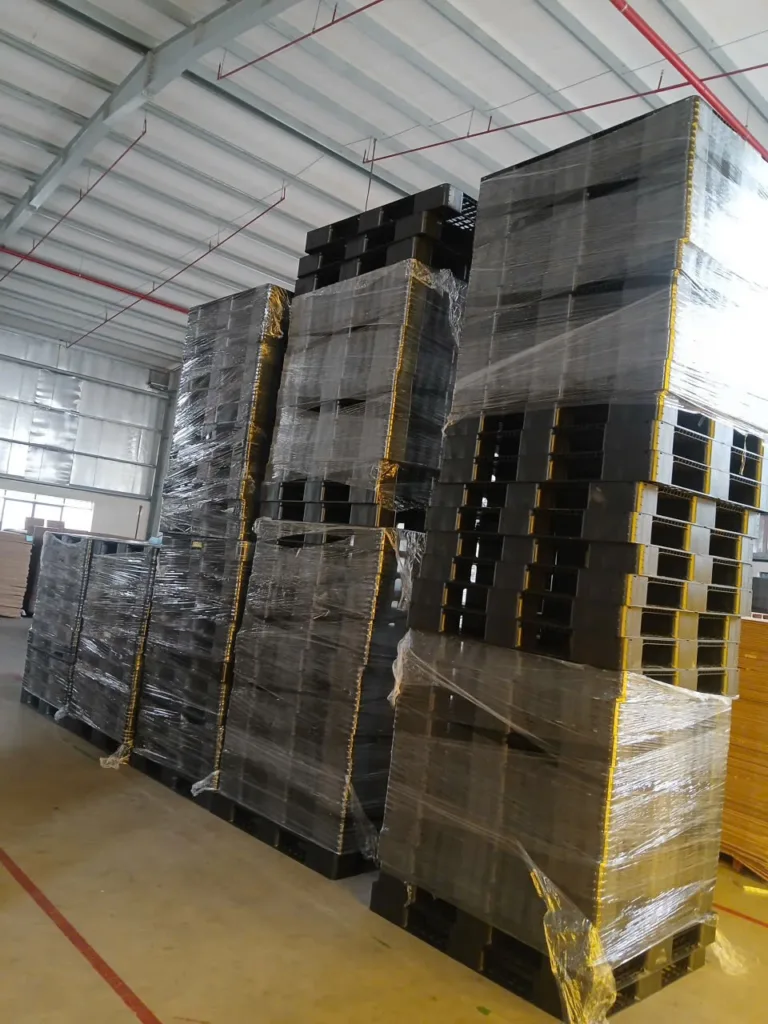
One caution I always repeat: use old boards for floor-level stands and do not put them on heavy-load racking without careful inspection. To know which boards are still strong enough to carry goods, see also the criteria for assessing used pallets.
How are damaged plastic pallets recycled into pellets?
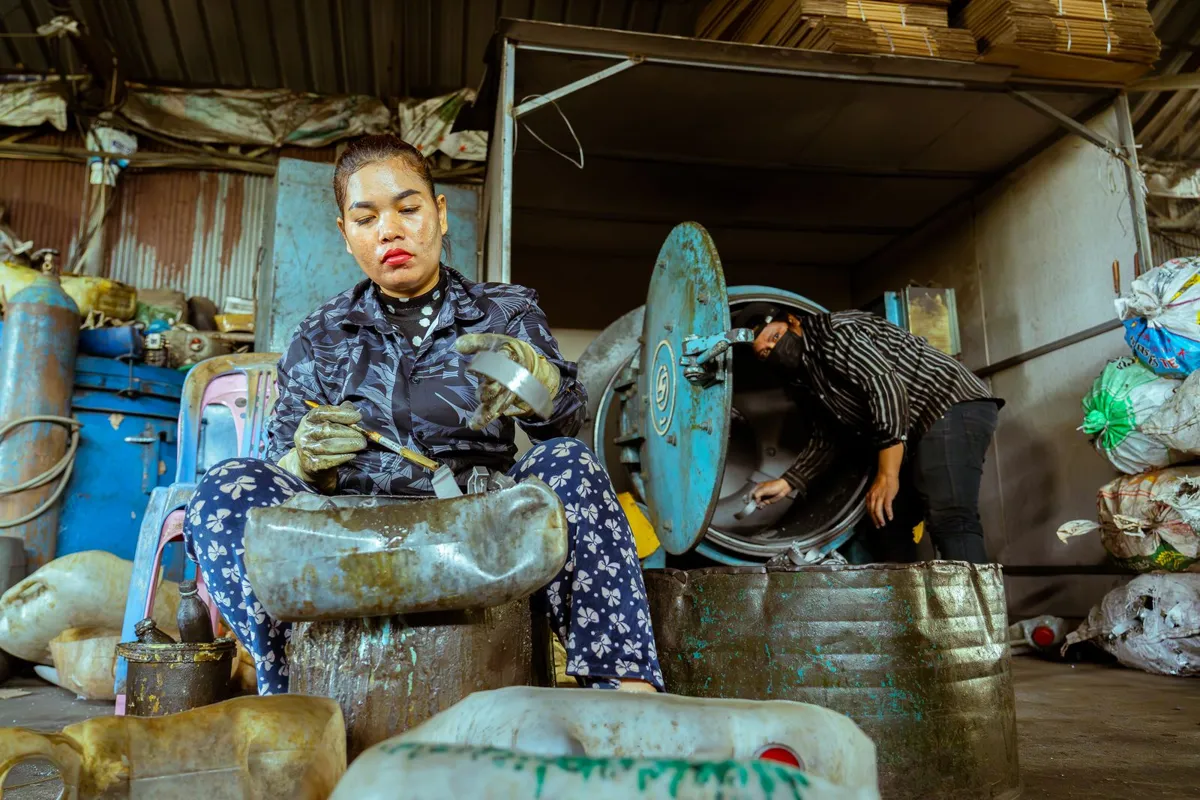
Damaged plastic pallets are mechanically recycled in seven steps: collection, sorting by material and colour, metal removal, washing and drying, shredding, melt extrusion into pellets, then moulding into pallets or new plastic products.
Sorting is the step that decides pellet quality. Plastic pallets are mainly made of HDPE (resin identification code 2) or PP (code 5). The two have different melting temperatures, about 130°C for HDPE and about 160°C for PP, and do not blend evenly when melted, so mixing them makes recycled pellets weak, brittle and hard to mould. Colour must also be separated: coloured plastic can only be recycled into darker products, which is why most pallets made of recycled plastic are black or grey.
After sorting comes metal removal. A pallet may still hold nails, screws or steel reinforcing cores; if these are not pulled out by hand and with magnetic separators, the metal chips the shredder blades and ends up in the pellets. Next, oil, mud and stickers are washed off and the plastic is dried, because leftover moisture and impurities create air bubbles during moulding and weaken the product. At the extrusion step, molten plastic is filtered through a screen and cut into even pellets; if this is done carelessly, pellets are uneven and the melt flow index swings between batches, making it very hard for the moulding plant to set its machines.
How do recycled plastic pallets differ from virgin plastic pallets?
Recycled plastic pallets are moulded from recycled pellets so they cost less, but quality depends on the scrap source and the sorting step; virgin pallets are moulded from new pellets so colour, load rating and consistency are uniform, and they suit the food industry. Two terms are often confused: a used plastic pallet is a pallet that has already been in service and may be moulded from virgin or recycled plastic; a recycled plastic pallet is one moulded from recycled pellets and may still be brand new.
| Criterion | Recycled plastic pallet | Virgin plastic pallet |
|---|---|---|
| Raw material | HDPE, PP pellets recycled from old pallets, crates and jerrycans | New HDPE, PP pellets from a petrochemical plant |
| Colour | Usually black, grey | Varied: blue, white, black on request |
| Consistency | Depends on each pellet batch | Stable to the specifications of each model |
| Suitable for | Dry industrial warehouses, floor liners, sealed packaged goods | Food, pharmaceuticals, heavy-load racking, export |
| Price | Lower | Higher |
Advice and cautions when recycling old plastic pallets
The three most important cautions are to know what the pallet carried, to clean it thoroughly before working on it, and never to use an old plastic pallet for anything in direct contact with food.
Before working on a pallet, check the material marking moulded into it and ask the seller what goods it used to carry. Wash with soap and hot water to remove leftover dirt and grease, dry it, and only then cut. When cutting and sanding, wear gloves, goggles and a mask, because cut plastic edges are quite sharp and plastic dust easily gets into the eyes. The reason not to use them for food is not that every old pallet is made of recycled plastic, but that later users usually do not know what the board has been in contact with.
Three cases should be set aside from the start:
- A pallet that carried chemicals should not become a household item, a children’s toy or a vegetable bed, but should go to a recycling facility.
- A pallet with cracked legs or broken ribs should not carry goods or become a chair or bed, because it can break under load.
- Offcuts from cutting should be collected with the damaged pallets and never burned, because plastic smoke harms health.
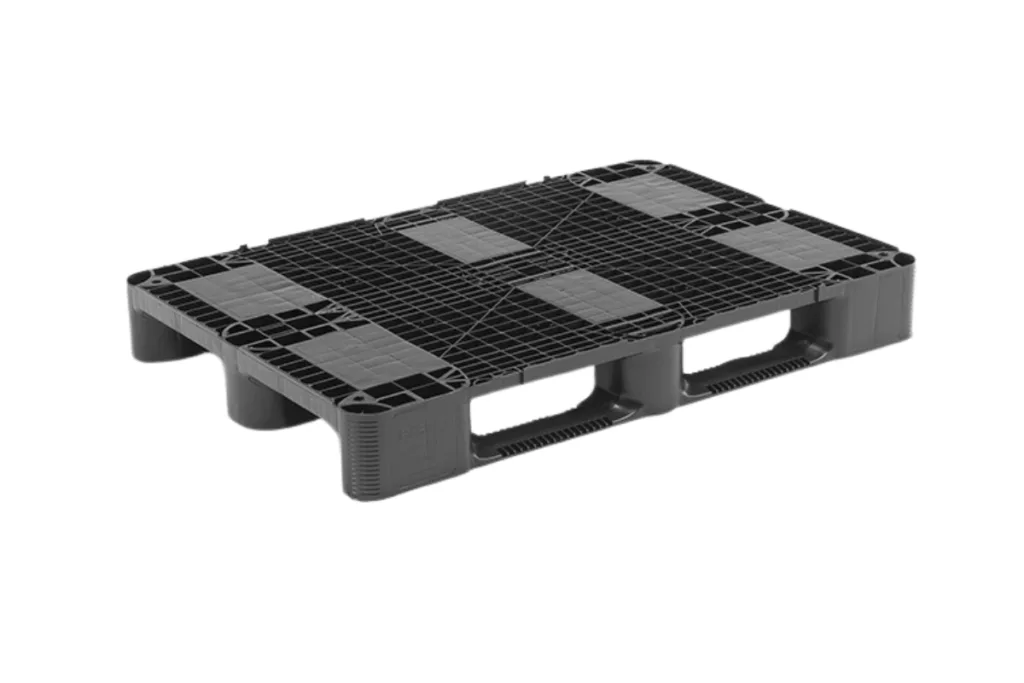
For a business, a damaged pallet is ordinary industrial solid waste. The 2020 Law on Environmental Protection (Articles 81 and 82) requires the generator to sort at source, store separately and either recycle itself or hand over to a suitably licensed facility. So selling damaged pallets to a licensed recycler not only recovers a little money but also complies with the rules, and is far better than leaving them mixed with general rubbish.
Benefits of recycling old plastic pallets
Recycling plastic pallets keeps the material value instead of sending it to landfill, because HDPE and PP are thermoplastics that can be melted and reshaped into new pallets and plastic crates. Every board that gets one more cycle of use means less new plastic to produce and less plastic waste in the environment.
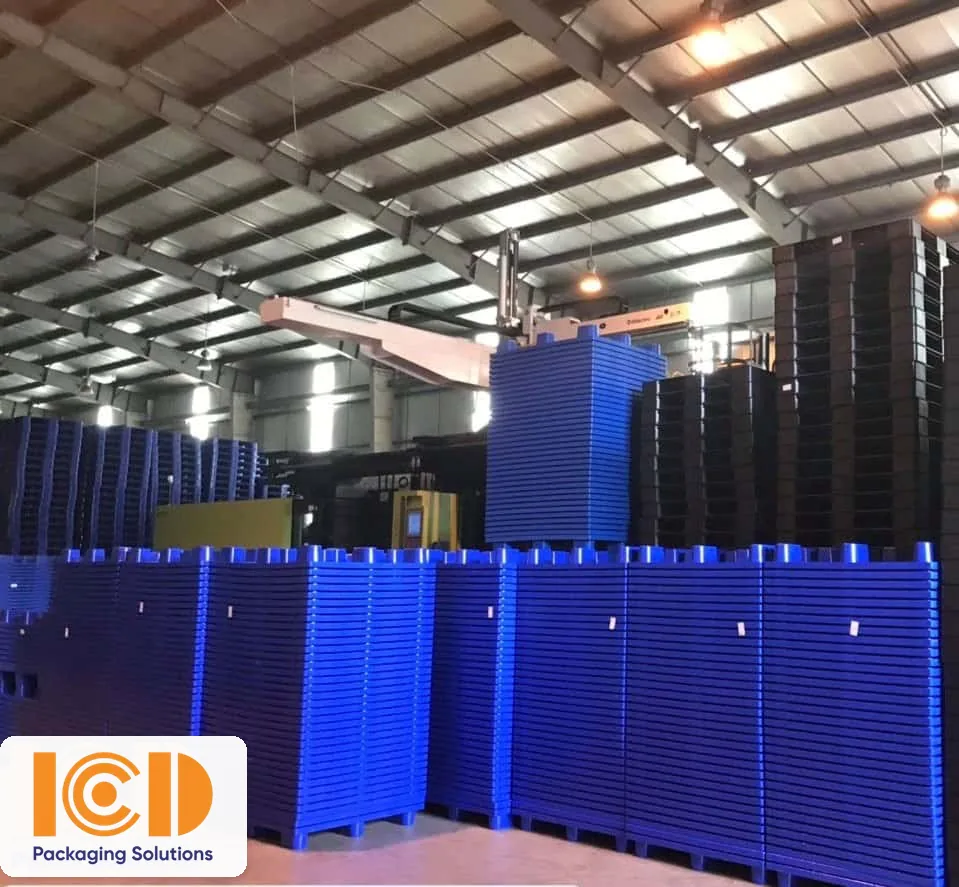
There is still a great deal of room in Vietnam. According to the World Bank’s plastics circularity market study published in 2021, Vietnam consumes about 3.90 million tonnes a year of four key plastics, PET, HDPE, LDPE and PP, but only about 33% is collected for recycling; the discarded share loses USD 2.2 to 2.9 billion of material value each year. Industrial pallets are a fairly clean and uniform source of HDPE and PP compared with household plastic waste, so recyclers favour them when already sorted.
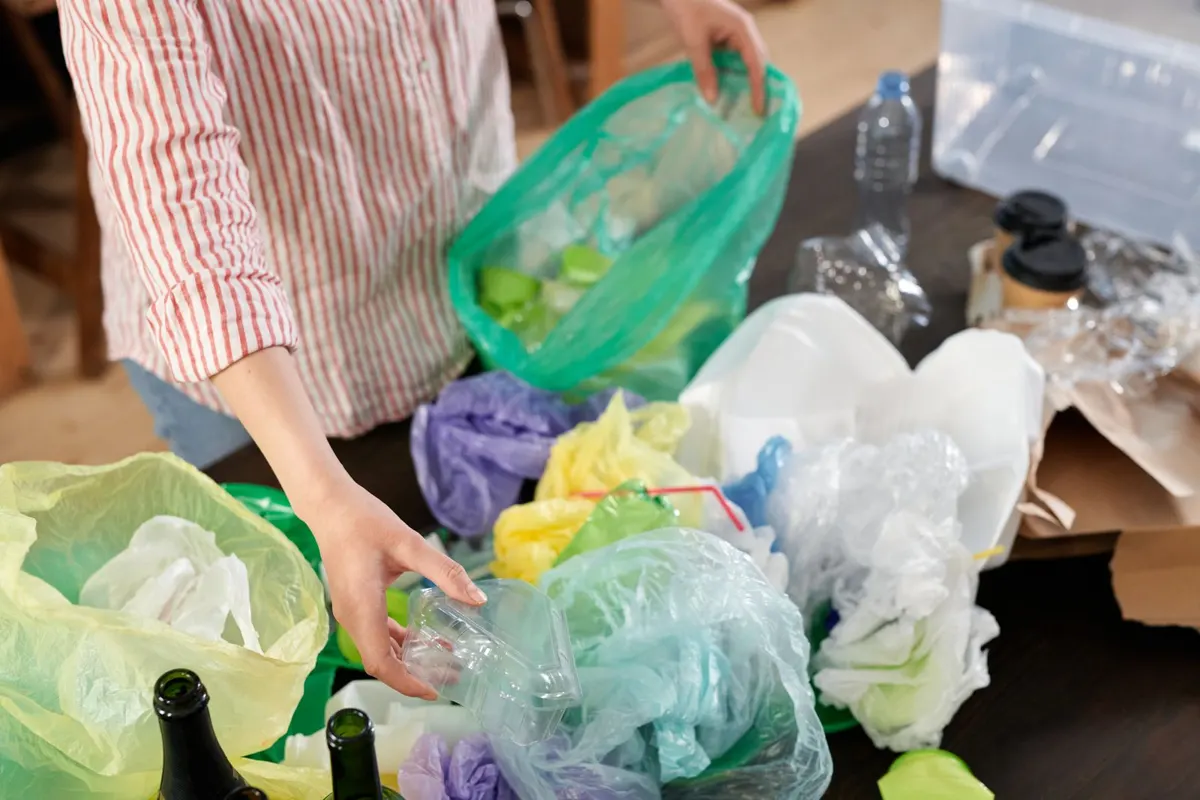
Beyond the environmental benefit, reuse opens up many design ideas, turning what looks like waste into something of value. If you are considering buying used pallets for a warehouse, you can read more on when to choose used plastic pallets to see when this choice makes sense.
Frequently asked questions
Can old plastic pallets be recycled into furniture?
Yes. Boards with intact legs and decks can become coffee tables, low sofas, floor beds, bookshelves and display shelves. Join them with cable ties, strap clamps or corner brackets that wrap around the ribs rather than driving nails or wood screws into load-bearing decks.
Why recycle old plastic pallets instead of throwing them away?
Recycling saves cost, cuts plastic waste and keeps material value. According to the World Bank, Vietnam recycles only about 33% of its key plastics, and the discarded share loses USD 2.2 to 2.9 billion of material value each year.
Can recycled plastic pallets be used for food?
Recycled plastic pallets should not be used in areas of direct food contact or in warehouses applying HACCP or ISO 22000, because recycled pellets may still carry impurities from a previous use cycle. Goods sealed in packaging in a dry industrial warehouse can sit on recycled pallets; food and pharmaceutical warehouses should use virgin plastic pallets.
How can you tell whether a plastic pallet is HDPE or PP?
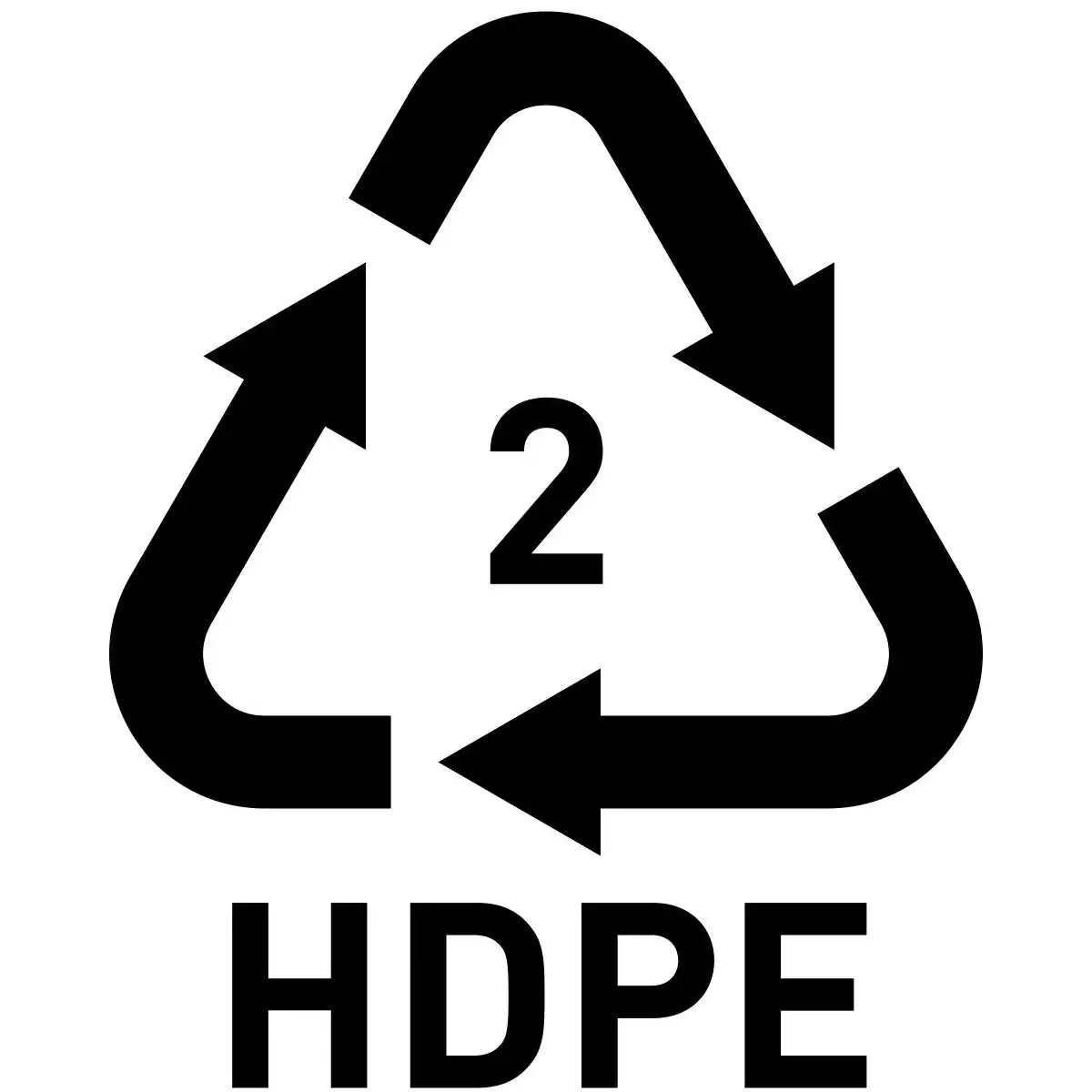
The fastest way is to look for the material marking moulded into the pallet: HDPE carries resin identification code 2, PP code 5. If there is no marking, ask the supplier for the original model code; for pallets bought from ICD Vietnam, the material is stated in the specifications of each model.
Should damaged plastic pallets be sold for scrap or repaired?
A pallet with only edge cracks or small chipped corners can still carry light goods or serve as a floor liner. A pallet with broken legs, a crack through the deck or warping is no longer safe to carry goods; remove the metal, sort by material and sell it to a recycler.
Does ICD Vietnam buy back damaged plastic pallets?
No. ICD Vietnam sells new plastic pallets and usable used plastic pallets and does not buy back damaged pallets. Damaged pallets should go to a suitably licensed local plastic collection and recycling facility.
How should a business dispose of damaged plastic pallets in compliance with the rules?
Under the 2020 Law on Environmental Protection, a damaged pallet is ordinary industrial solid waste: the business sorts at source, stores it separately, then recycles it itself or hands it to a suitably licensed facility, without burning it or mixing it with household waste.
Contact for used plastic pallet advice
To buy good used plastic pallets for storage or reuse, contact ICD Vietnam for advice on size, material and quantity. ICD Vietnam does not buy back damaged pallets.
ICD Viet Nam Industrial Production Company Limited
- North: 0983 797 186 / 090 345 9186 / 090 5859 186.
- South: 098 6784 186.
- Email: sales@icdvietnam.com.vn.
- Zalo: Chat with ICD Vietnam on Zalo.
References
- Recycling rate and value of lost plastic in Vietnam: World Bank, Market Study for Vietnam: Plastics Circularity Opportunities and Barriers (2021).
- Resin identification code 2 for HDPE, 5 for PP: Wikipedia, Resin identification code.
- Process and role of industrial plastic recycling: British Plastics Federation (BPF).
- Management of ordinary industrial solid waste: Law on Environmental Protection No. 72/2020/QH14, Articles 81 and 82.
- Materials of the 11 used plastic pallet models: ICD Vietnam product catalogue, checked 15 October 2026.