
Table of Contents
- When should you rent pallets instead of buying?
- What does the cost of renting pallets include?
- Should you rent wooden or plastic pallets?
- What is pooled rental and how does ICD Vietnam do it?
- What are the steps in the pallet rental process?
- What terms should a pallet rental contract cover?
- Rent or buy: how to choose correctly?
- Frequently asked questions
- How much does it cost to rent a pallet per day?
- Do you have to pay a deposit to rent pallets?
- What is the minimum quantity for renting pallets?
- Do rented pallets for export need ISPM 15 treatment?
- What if a pallet is damaged while rented?
- Is pooled rental suitable for my business?
- What is pallet pooling?
- How long should you rent pallets before switching to buying?
- What should you prepare before asking for a pallet rental quote?
- Contact ICD Vietnam
- References
Renting pallets suits a business that needs pallets for a short time or has seasonal ups and downs; for continuous use over many years at a stable quantity, buying is usually better value. ICD Vietnam offers a rotating (pooled) pallet rental service; the pallet type, quantity, period and specific conditions are quoted per order, so please contact us for advice.
I am Le Van Thang, and I have worked with pallets at ICD Vietnam since 2011. When a customer asks about renting pallets, I ask three questions before I talk about price: where will the pallets go, can they come back, and how many do you need each month? These three answers decide rent versus buy more than any price list, so this article follows that order: when to rent, what the cost includes, wooden or plastic pallets, how pooled rental works in practice and what the contract should say.
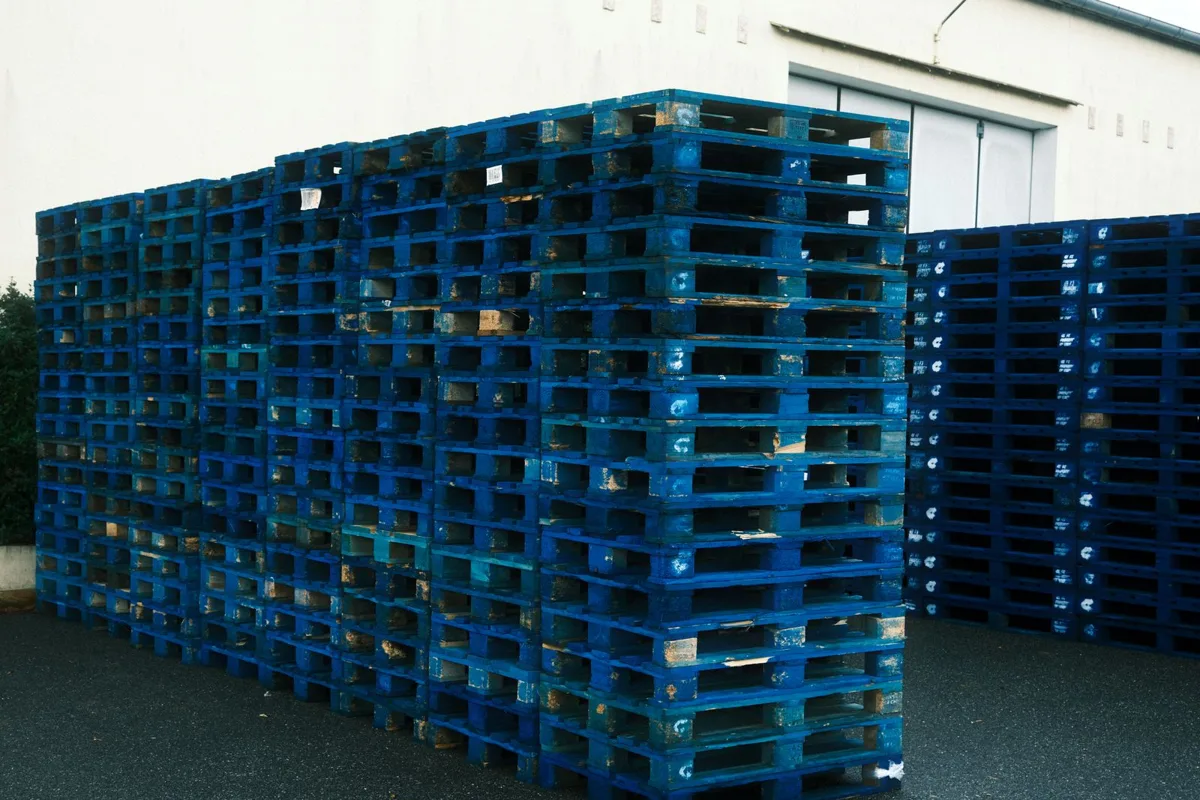
When should you rent pallets instead of buying?
Rent when the period of use is short, the quantity swings with the season or the long-term need is uncertain; buy when use is continuous over many years, the quantity is stable or you need a size made for your own goods. The underlying details are in the plastic pallet price list.
Three situations commonly lead to renting: needing extra pallets for the 2 to 3 month year-end peak and returning them so they do not sit and take up warehouse space; opening a temporary warehouse for a fixed-term project; and trying out a pallet type on real racking and forklifts before placing a large order. If pallets are used all year at a nearly fixed quantity, or must be built to a special size that fits only your own goods, buying is usually better because you do not pay rent forever. If you are interested, the article with pictures of plastic pallets in the warehouse is also worth a look.
| Criterion | Renting pallets | Buying pallets |
|---|---|---|
| Upfront cost | Low, mostly the first rental period fee and a deposit if there is one | High, you pay the full value of the pallets |
| Suitable period of use | Short term, seasonal, project-based | Long term, continuous over many years |
| Maintenance and repair | Per the terms of the rental contract | The business handles it |
| Quantity | Rises and falls with the season | Fixed, surplus outside the peak season |
| Risk of loss | A lost pallet is still charged as compensation | A loss is a loss of your own asset |
Where the line between the two options falls differs for each business, but you can estimate it with a simple division: take the purchase price minus the expected resale value, and divide it by the monthly rental fee minus the cost of holding owned pallets (storage, stocktaking, repairs). The result is the break-even number of months. Suppose a purchased pallet costs 100 units and resells for 20, renting costs 10 units a month and holding the pallet yourself costs a further 2 units a month: (100 - 20) / (10 - 2) gives 10 months. Use for fewer than 10 months and renting is cheaper; beyond 10 months, buying is cheaper. These figures only illustrate the calculation and are not ICD Vietnam prices; for real numbers, take a rental quote and compare it with the price of wooden or plastic pallets bought new.
A review published in the journal Sustainability (2021) cites supply chain cost simulations with a similar conclusion: renting pallets is more convenient for short-term use, while ownership suits long-term use. The diagram below summarises the thresholds I usually start from.
The range of about 6 to 12 months is the zone that needs careful calculation. For needs that fall in between, I usually suggest buying enough pallets for year-round use and renting the extra for the peak.
What does the cost of renting pallets include?
The cost of renting includes the rental fee by number of pallets and time, delivery and collection transport fees, compensation if pallets are damaged or lost, and a deposit if the contract provides for one.
ICD Vietnam does not publish a general rental price because the fee depends on pallet type, size, load rating, quantity, rental period and the delivery and return points. Each order is quoted separately; the deposit (whether there is one, the amount, the refund period) is agreed during the consultation.
The rental fee is usually calculated as number of pallets times number of days (or months) times the unit price: renting 500 pallets for 45 days is 22,500 pallet-days, so small differences in unit price or in how part days are counted become real money. According to a study in Transportation Research Part E (Roy et al., 2016), total cost also depends on the pallet issue fee, the late-return holding fee, the share of pallets that are retained and the transport cost. When you ask for a quote, ask all five of these:
- The unit price per day or month, how part days are counted, and the minimum rental period.
- Delivery and collection fees: one way or both ways, and who pays.
- Whether pallets kept past the due date are charged an extra fee.
- The compensation price list for damage and loss, fixed in writing before you take delivery.
- The cleanliness standard when pallets are returned.
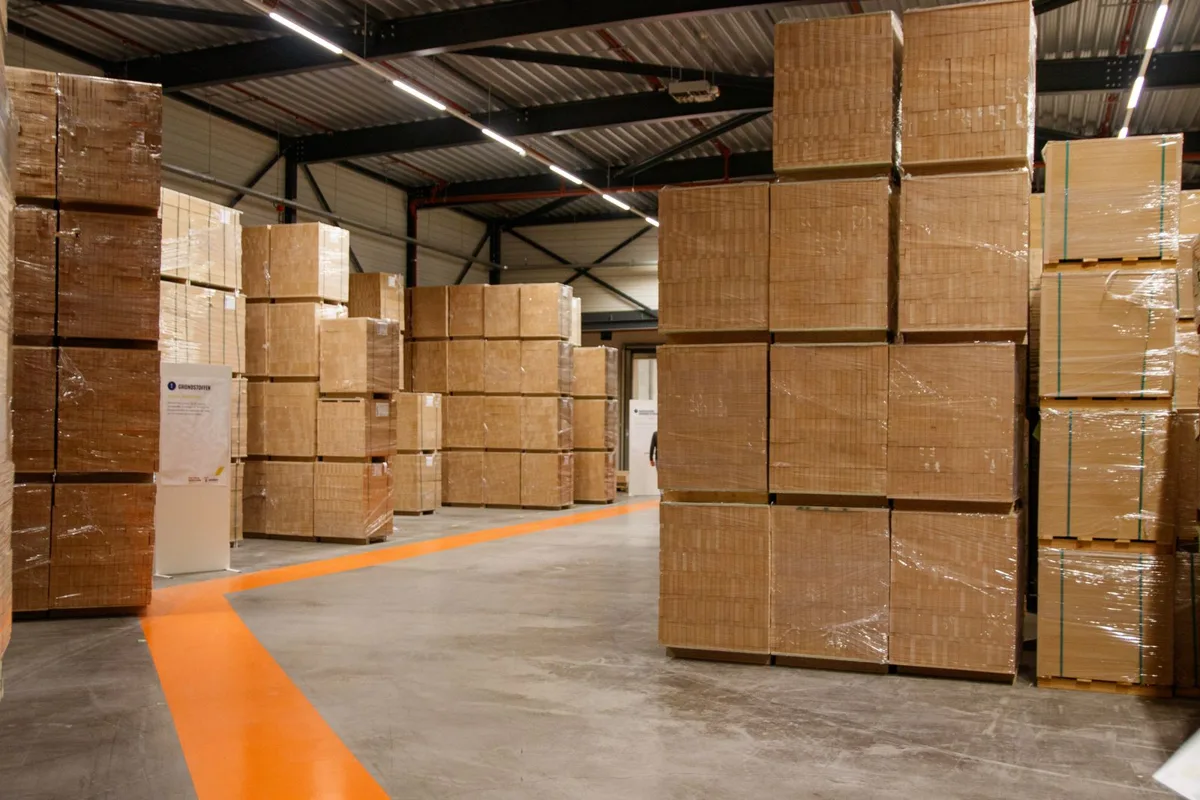
Should you rent wooden or plastic pallets?
Renting wooden pallets suits dry goods, short periods and a need for a low price; renting plastic pallets suits goods that must be clean, damp environments, cold stores and export goods where you do not want the paperwork of wood quarantine.
Wooden pallets for rent are usually already used, so on receipt you need to check their condition and compare the load rating with your goods. Wood goes mouldy easily if left outdoors, so keep it in a dry warehouse so that you are not charged for damage on return. If your goods move to the European standard with a 1200 x 800 mm size, you can read more about the Euro pallet.
Plastic pallets have no termites, absorb no moisture and wash easily, so they are a familiar choice for the food, pharmaceutical and cold-store sectors; in return the rental fee is usually higher than for wood. Plastic pallets also suit cases where one pallet circulates through many cycles during the rental period, because they need little repair between cycles.
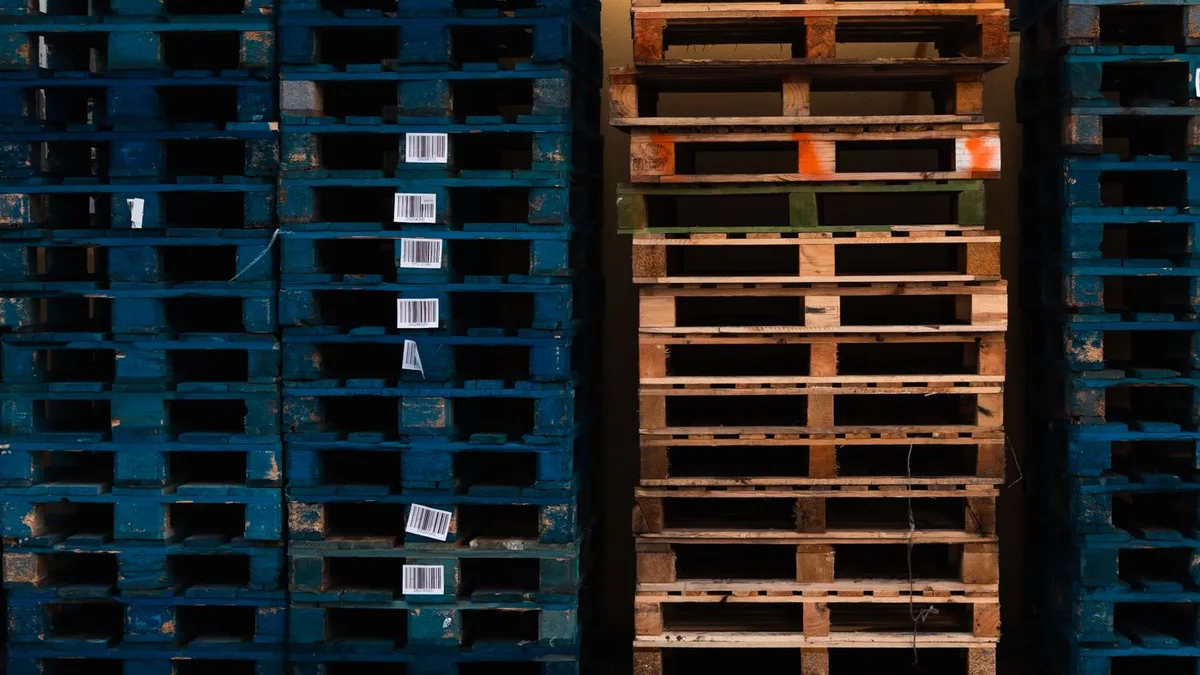
For export goods, the difference lies in quarantine. The ISPM 15 standard of the International Plant Protection Convention (IPPC) applies only to wood packaging material, so plastic pallets for export need no HT heat treatment or stamp. Wooden pallets need treatment and a compliant stamp, so state the export requirement clearly when you ask for a quote, and ask whether the treatment fee (if any) is included in the price or charged separately.
What is pooled rental and how does ICD Vietnam do it?
Pooled rental (pallet pooling) is an arrangement in which the lessor delivers pallets at point A, the business loads goods and ships to point B, and the empty pallets are collected at point B, so the business does not have to haul empty pallets back. ICD Vietnam offers this service; the routes, coverage and collection conditions are agreed per order. The diagram shows how it works:
This model is growing in markets that have data. The Modern Materials Handling survey The Pallet Report 2024 of 174 US businesses found that 17% use pallet pools, up from 8% in 2022, and 14% rent pallets from a rental company, up from 8% the year before. Most businesses, 76%, still do not rent and have no plans to, so this is the choice of a growing minority, not the default.
The most obvious benefit is cutting the empty-pallet return leg, which makes up half the round-trip distance of a one-way route. The caution also lies in this leg: a review in Sustainability (Tornese et al., 2021) records that pallets can be returned late or lost, which raises management costs. So pooling fits best when the receiving site agrees to hold pallets for the collector; for pallets going to many small scattered points where nobody can collect them, buying is usually better.
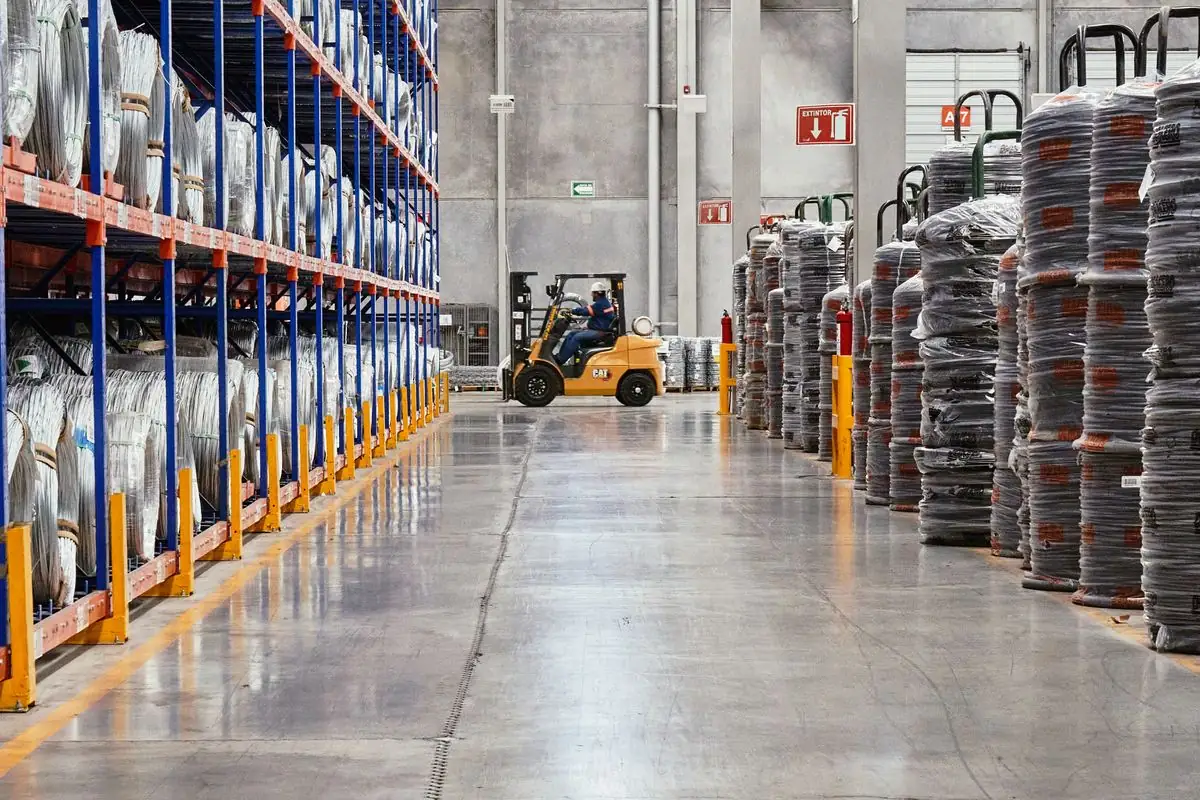
Besides pooling, the market also offers on-site rental (pallets delivered to your warehouse and collected when the term ends) and short-term rental for fairs and exhibitions. ICD Vietnam’s rental service is pooled plastic pallet rental; ICD does not rent wooden pallets and does not rent pallets for events.
What are the steps in the pallet rental process?
The rental process goes through six steps, from sending your requirements to settling up when the pallets are returned:
- Step 1: send ICD Vietnam the information by hotline or Zalo: pallet type, size, load of the goods, quantity, rental period, delivery and return addresses.
- Step 2: ICD advises on the right pallet type and sends a quote based on the information received.
- Step 3: both sides sign the rental contract and fix the terms, including a deposit if there is one.
- Step 4: pallets are delivered, both sides count the quantity and check the condition, and a record is drawn up.
- Step 5: the business uses the pallets and reports any damaged pallets immediately.
- Step 6: at the end of the term, the lessor collects the pallets, checks the condition and settles up.
Steps 4 and 6 are the two most important moments: the count records at receipt and at return are the basis for charging damage fees and refunding the deposit, so record quantity and condition clearly and attach photos. When a pallet is damaged midway, ordinary wear is usually borne by the lessor, while damage from misuse such as overloading, leaving in the rain or heavy impact is usually charged as compensation under the agreed price list. The specific handling must be in the contract, not left to verbal agreement.
What terms should a pallet rental contract cover?
A pallet rental contract should state seven things clearly: type and quantity, rental period, unit price and how days are counted, deposit, transport responsibility, the compensation price list for damage and loss, and the conditions for extension or early return. Missing any of these often leads to disputes when the deposit is refunded.
| Term | What to state | Why it matters |
|---|---|---|
| Type and quantity | Pallet type, size, load rating, quantity of each type | Avoids delivery of the wrong type for your racking and forklifts |
| Rental period | Start date, end date, minimum rental period | The basis for charging and for long-term discounts if any |
| Unit price | Price per day or month, how part days are counted | Avoids surprises when pallets are returned on the wrong day |
| Deposit | Whether there is one, the amount, the refund period | Defines the real cash outlay |
| Transport | Who pays delivery and collection; delivery and return locations | Important for multi-point pooled rental |
| Damage and loss | Compensation price list by level of damage | The basis for deducting the deposit, avoids arguments on return |
| Extension and early return | Notice period, unit price on extension | Keeps flexibility when the season changes |
For pooled contracts with multiple delivery points, I recommend adding one clause that is easily missed: who declares the hand-over of pallets when the goods reach the recipient, and within how long. This clause decides who is responsible when pallets go missing along the way.
Rent or buy: how to choose correctly?
If the need lasts only a few months or rises and falls with the season, ask about renting; if use is continuous over many years, run the break-even calculation above with a real quote before deciding. ICD Vietnam offers pooled pallet rental and also supplies both wooden pallets and plastic pallets for purchase. Specific rental prices and conditions are quoted per order.
Frequently asked questions
How much does it cost to rent a pallet per day?
There is no single price. The rental price is quoted per order, depending on pallet type, size, load rating, quantity, rental period and the delivery and return points. Contact ICD Vietnam for advice.
Do you have to pay a deposit to rent pallets?
It depends on the contract. Whether there is a deposit, the amount and the refund period are agreed during the consultation. If there is one, it is refunded when the pallets are returned, less any compensation if pallets are damaged or lost.
What is the minimum quantity for renting pallets?
The minimum quantity is agreed per order; state the quantity and the expected rental period when you contact us.
Do rented pallets for export need ISPM 15 treatment?
Wooden pallets do: ISPM 15 applies to wood packaging material, so wooden pallets for export need heat treatment and an IPPC stamp. Plastic pallets fall outside this scope.
What if a pallet is damaged while rented?
Handling is set out in the contract. Normally natural wear is borne by the lessor, while damage from misuse such as overloading or leaving in the rain is charged as compensation under the agreed price list. The count records at receipt and at return are the basis for deciding.
Is pooled rental suitable for my business?
It suits when the route repeats regularly and the receiving site agrees to hold pallets for the collector. It does not suit when pallets go to many small points where nobody can collect them, or when goods travel one way over a long distance; then buying is usually better.
What is pallet pooling?
Pallet pooling (pooled rental) is an arrangement where the lessor owns the pallets, the business receives pallets at one point, loads goods and ships them to another point, and the lessor collects the pallets at the destination. The business pays only for the time it uses the pallets and does not have to haul empty pallets back.
How long should you rent pallets before switching to buying?
Work out the break-even months: (purchase price minus resale value) divided by (monthly rental fee minus the cost of holding pallets yourself). Use beyond that number of months and buying is cheaper. The range of about 6 to 12 months needs careful calculation with a real quote.
What should you prepare before asking for a pallet rental quote?
Six pieces of information: pallet type, size, load of the goods, quantity, expected rental period, and the delivery and return addresses.
Contact ICD Vietnam
If you need pooled pallet rental or want to compare renting with buying, send the pallet type, size, quantity, period and the delivery and return points. ICD Vietnam advises per order.
- North: 0983 797 186 / 090 345 9186 / 090 5859 186.
- South: 098 6784 186.
- Email: sales@icdvietnam.com.vn.
- Zalo: Chat with ICD Vietnam on Zalo.
References
- Survey on the use of rented and pooled pallets: Modern Materials Handling, The Pallet Report 2024: Exploring the options (2 October 2024).
- Review of pooled pallet management and recovery: Tornese et al., Management and Logistics of Returnable Transport Items: A Review Analysis on the Pallet Supply Chain, Sustainability (2021).
- Costs of rental pallet programmes: Roy et al., Cost-effective pallet management strategies, Transportation Research Part E (2016).
- Wood packaging material in international trade: IPPC, International Standards for Phytosanitary Measures (ISPM), including ISPM 15.