
Mục lục
📊 Capability Radar of Plastic Pallet Lines
Select a category below to see a detailed comparison of performance and investment cost.
The Concept of Plastic Pallets
Definition of a Plastic Pallet
A plastic pallet, also called a plastic load board, is a flat structure that plays a foundational role in logistics. Made from synthetic plastics such as HDPE, PP or PET, the pallet has outstanding load-bearing ability, resists environmental impacts well and, in particular, is unaffected by water or chemicals. Pallets are designed to be easily lifted by hand pallet trucks or electric forklifts, making goods transport and storage fast and efficient.
Compared to traditional wooden pallets, the plastic pallet is considered a major step forward. It not only solves the problem of termites and mold but can also be reused many times, significantly saving cost for businesses in the long run.
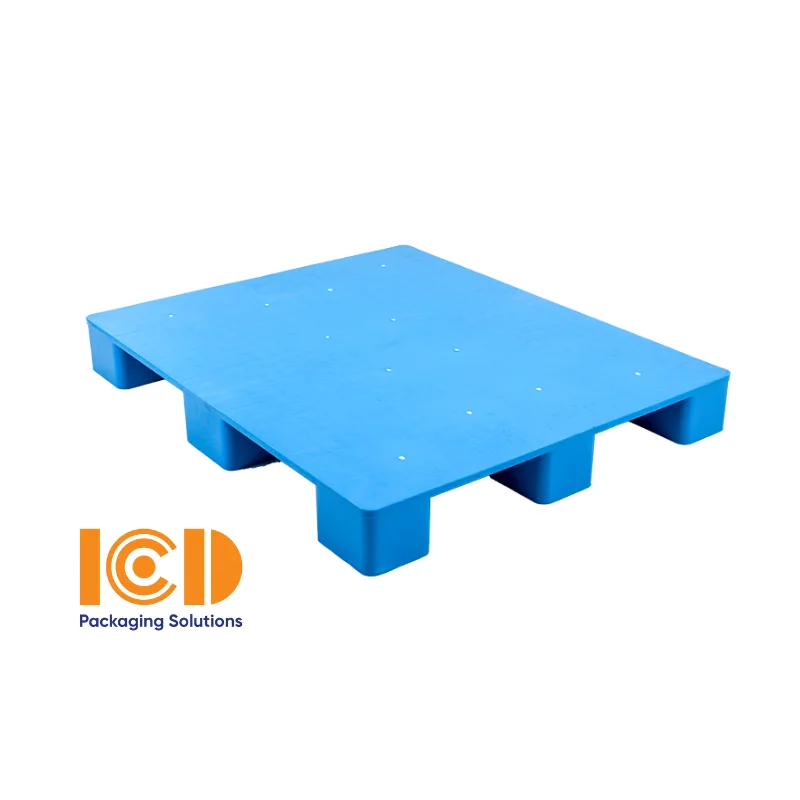
The Origin of Plastic Pallets
Throughout my work in the logistics industry, I have realized that the need for a durable and efficient load-board solution drove the birth of the plastic pallet in the 1970s. Although wooden pallets once dominated the market, they frequently ran into limitations such as easy damage, heavy weight, and especially the requirement for heat treatment (fumigation) to prevent the spread of pests in international trade. The arrival of plastic pallets thoroughly solved these difficult problems, opening a new era for the global supply chain industry.
Applications of Plastic Pallets in Industry
From my experience, I can confirm that plastic pallets have become an indispensable part of many fields:
- Logistics and Warehousing: Plastic pallets create open space underneath for forklifts to move easily, thereby optimizing warehouse space and increasing work efficiency.
- Seafood and Food: Thanks to water resistance and easy cleaning, plastic pallets are especially suitable for use in cold storage or humid environments, ensuring strict food hygiene and safety standards.
- Pharmaceuticals and Chemicals: The product is inert and does not react with chemicals, ensuring safety for sensitive goods.
- Agriculture and Export: Fumigation-free plastic pallets meet the strict standards of many countries, facilitating goods export without worrying about complex quarantine regulations.
Common Types of Plastic Pallets
Based on structure and intended use, these load boards are classified into several forms:
Single-Deck Plastic Pallet
This is the basic pallet type with a single flat surface. It is designed for light applications, static goods storage or one-way transport. They are usually lightweight, easy to move and reasonably priced.
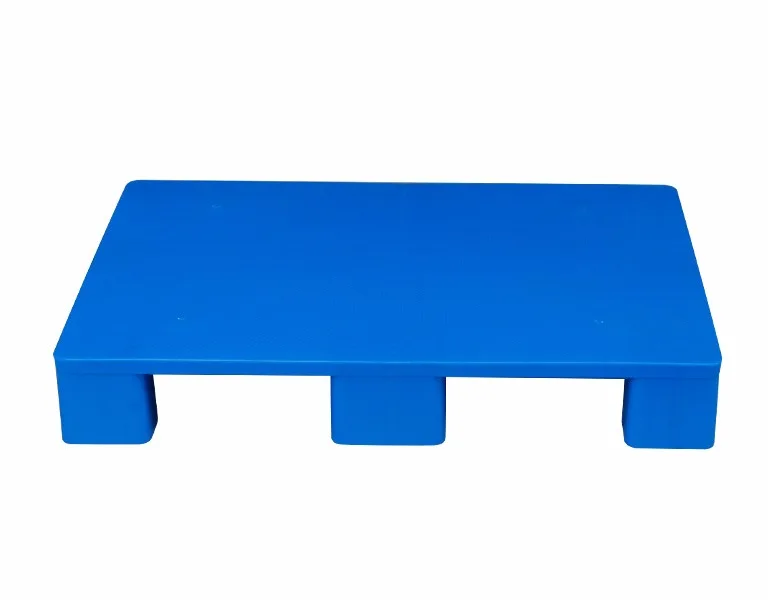
Symmetric Plastic Pallet (Double-Deck Pallet)
A symmetric pallet has an identical two-sided structure, letting the user use both faces for loading. This increases lifespan and flexibility in use. This pallet type is typically used for heavy loads or multi-tier stacking.
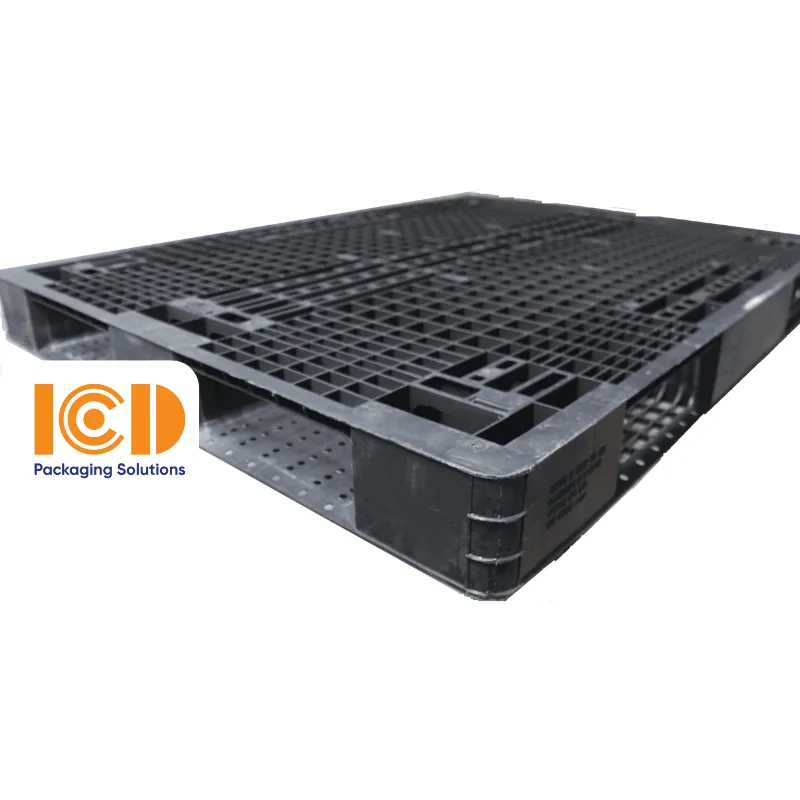
Multi-Entry Plastic Pallet (4-Way)
This is a smart design that lets a Xilin forklift approach from all four directions, providing maximum flexibility when moving and arranging goods in tight spaces. The 4-way plastic pallet is very common in high-density storage warehouses.

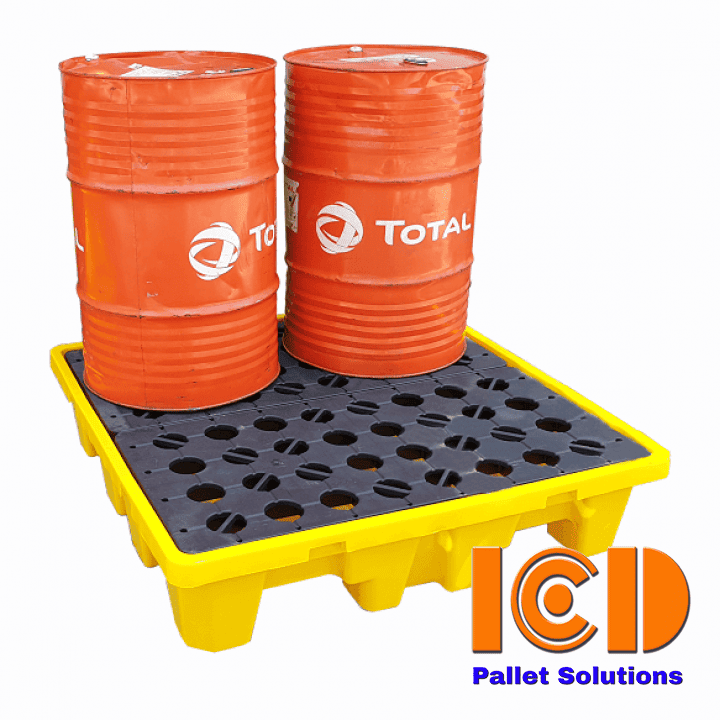
Plastic Pallet with Containment Tray
Designed with raised edges or a deep tray on the surface, this pallet type helps secure goods - especially drums, liquid cans or cylindrical products - limiting slipping and spilling during transport.
Classification by Structure and Function
- Used plastic pallet: This type is second-hand, cheap but with durability and safety that may not be guaranteed.
- Export plastic pallet: Usually lightweight, not bearing very high loads, designed for single or a few uses to save international shipping cost.
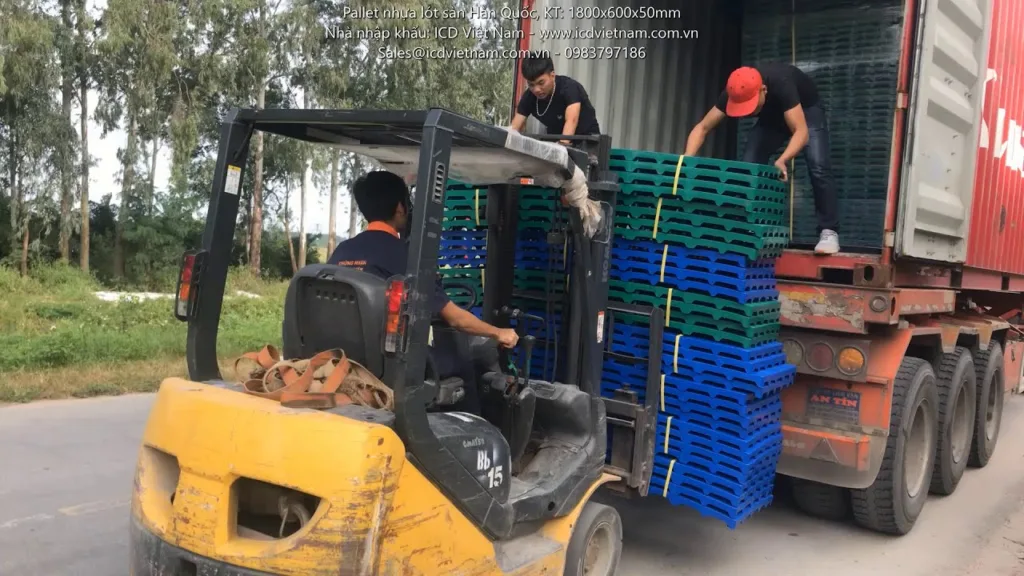
- Floor-lining plastic pallet: Used to rest goods directly on the ground, preventing mold and keeping goods clean.
- Cup-foot plastic pallet: Has round holes or cups on the surface to secure bottles, jars or products with round bases.
- 3-runner plastic pallet: A three-runner design, typically used to support drums or goods with uneven bases.
- Spill-containment plastic pallet: Has raised edges or a containment tray to prevent liquid spilling out, suitable for the chemical industry.
- Warehouse storage plastic pallet: Used to store goods in warehouses, optimizing space and easy to move by forklift.
- Closed-deck plastic pallet: A closed surface with no gaps, easy to clean and resistant to dirt buildup.
- Steel-reinforced plastic pallet: Has an internal steel core to increase load capacity, suitable for super-heavy goods.
Pros and Cons of Plastic Pallets
Advantages of Plastic Pallets
- High durability: They withstand strong impact and do not warp, get termites or rust like other pallet types.
- Light and flexible: Easy to move, the plastic pallet significantly saves transport cost.
- Easy to clean: A smooth, waterproof surface makes cleaning simpler than ever - just wash with water or chemicals.
- Long-term cost saving: Although the initial price is higher, the product’s long lifespan helps businesses reduce replacement cost.
- Safe: With no nails, wood splinters or sharp edges, this load-board solution minimizes risk to workers and goods.
- Reusable and eco-friendly: Easily recycled at end of life, reducing waste and contributing to a circular economy.

Disadvantages of Plastic Pallets
- High initial price: This is the biggest drawback. The upfront purchase cost of a plastic pallet is usually higher than a wooden pallet.
- Hard to repair: Once damaged, repairing a plastic pallet is very difficult and usually requires replacement.
- Prone to slipping: The smooth surface can cause goods to slide if there is no suitable securing measure such as stretch film or straps.
Criteria for Choosing a Plastic Pallet
In my experience, to choose the right plastic pallet you need to consider the following factors:
Load Capacity and Dimensions
- Static load: The pallet’s load-bearing ability when stationary on a flat surface.
- Dynamic load: The load-bearing ability while the pallet is being lifted by a forklift.
- Dimensions: Must suit the goods type, warehouse space and racking system.
Operating Environment
- Cold storage: Choose an HDPE plastic pallet with good low-temperature resistance.
- Humid environment: Plastic pallets are the ideal choice thanks to water resistance.
- Dry environment: Plastic pallets still work well with no termite worries.
Hygiene and Safety Requirements
For the food, pharmaceutical or sensitive-goods industries, choosing a pallet made from virgin plastic (HDPE) with an easy-to-clean, dirt-resistant surface is extremely necessary to ensure absolute safety.
Future Trends in Plastic Pallet Use
Plastic Pallet Manufacturing Technology
Manufacturing technology is increasingly modern, producing pallets that are lighter, more durable and technology-integrated (such as RFID chips to track location and goods information). This helps automate warehouse and supply-chain management more efficiently.
The Impact of E-commerce
The e-commerce boom demands a flexible and fast logistics system. The plastic pallet, with its ability to optimize movement and storage, is becoming increasingly important in meeting the enormous order-processing speed.
A Sustainable, Eco-Friendly Direction
With environmental-protection pressure, recycled and recyclable plastic pallets are becoming an inevitable trend. Switching from wooden pallets to a plastic load-board solution not only helps protect forests but also reduces waste, contributing to a circular, sustainable economy.
Frequently Asked Questions (FAQ) About Plastic Pallets
1. What material are plastic pallets made of? Which material is best?
Most plastic pallets are made from HDPE (High-Density Polyethylene) or PP (Polypropylene). In my experience, HDPE is usually preferred in cold-storage or low-temperature environments because it retains toughness and does not become brittle. Conversely, PP has higher stiffness and heat resistance, suitable for storing goods at room or slightly warm temperatures. It is important to choose virgin plastic if you work in the food or pharmaceutical industry to ensure absolute hygiene safety.
2. Should you choose a plastic or a wooden pallet?
This is the question I get most often over more than a decade of work. Wooden pallets have the advantage of a low initial price, easy repair and good load capacity. However, if you factor in long-term cost and risk, the plastic pallet is the more optimal choice. Plastic pallets need no fumigation (heat treatment) to export, last many times longer, have no termite or mold worries and are easy to clean. If you need a durable, clean solution across the international supply chain, you should invest in plastic pallets.
3. What do “static load” and “dynamic load” mean when choosing a pallet?
These two concepts are very important. Static load is the maximum weight the pallet bears when stationary on the floor or when stacked. Dynamic load is the maximum weight the pallet bears while being moved by a forklift. When buying, always remember that the dynamic load is much smaller than the static load, because movement adds inertia and vibration. If you store heavy goods and need to move them frequently, prioritize a pallet with a steel core or one designed for high dynamic load.
4. Are plastic pallets prone to goods slipping?
It is true that the virgin plastic surface, especially the closed-deck type, can be more slippery than a wooden pallet. To overcome this, reputable plastic pallet makers usually integrate anti-slip solutions such as anti-slip rubber plugs on the surface or design the surface with small ribs and a textured finish. In addition, packaging with PE stretch film or cargo straps is mandatory to secure goods - not only with plastic pallets but with every pallet type - to ensure transport safety.
5. How long can a plastic pallet be used?
For a high-quality plastic pallet, used at the correct load and in standard conditions, I have seen them work well in customer warehouses for up to 10-15 years or even longer. A plastic pallet’s lifespan depends greatly on adhering to dynamic and static loads, as well as on whether they are kept out of direct sunlight (UV rays reduce the plastic’s durability).