Table of Contents
- 1. What is Kraft paper? Definition, production process and core properties
- 2. Important technical figures for Kraft paper
- 3. Detailed classification and uses of Kraft paper
- 4. Technical features of Kraft paper air bags
- 5. Frequently asked questions about Kraft paper
- Contact us for Kraft paper dunnage bag advice
- References
Reviewed and updated by ICD - Week 43/2026
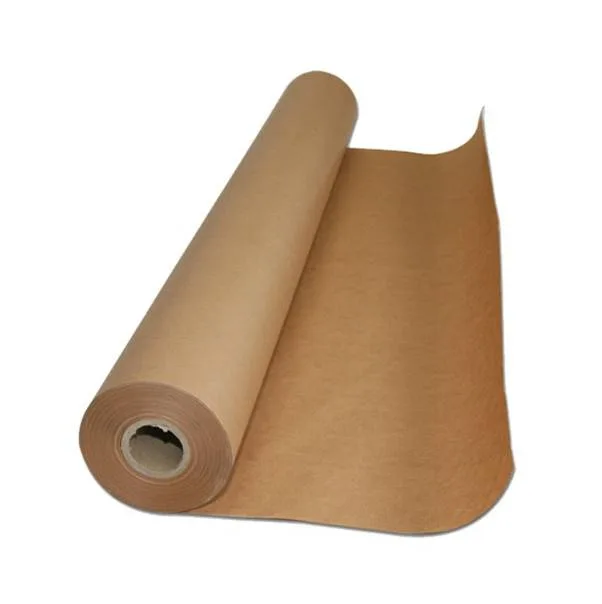
Kraft paper is paper made from wood pulp cooked in the Kraft process (using sodium hydroxide and sodium sulfide). It keeps the long cellulose fibres, so it is tougher, harder to tear and stronger in tension than many ordinary papers. The paper is naturally brown, the usual grammage is about 40 to 135 g/m², it can be recycled, and it is used for bags, boxes, sacks, the facing of corrugated cartons and the outer shell of dunnage bags in containers.
I am Le Van Thang. I have worked at ICD Vietnam since 2011 and advise many export warehouses on packaging supplies. This article collects what a buyer needs to know about Kraft paper: how it is made, why it is strong, the figures to ask a supplier for, and where Kraft paper sits inside a dunnage bag.
1. What is Kraft paper? Definition, production process and core properties
Kraft paper is paper made from chemical pulp produced by the Kraft process, also called the sulfate process. It is the dominant way of making pulp in the world because it keeps most of the long, strong cellulose fibres of the wood. The word “kraft” means “strength” in German and Swedish, which fits the most outstanding property of this paper.
1.1. The Kraft process and its strength advantage
The Kraft process cooks wood chips in an alkaline solution called white liquor, mainly sodium hydroxide (NaOH) and sodium sulfide (Na2S), at about 170°C and pH 13 to 14. These chemicals cut and dissolve lignin, the glue that binds the wood fibres together, to free the cellulose fibres. The yield of unbleached pulp is about 65 to 70% of the wood mass, while pulp to be bleached yields only about 50%.
The method was developed by the engineer C. F. Dahl and patented in 1884; the first mill ran at Munksjo in Sweden. The strength advantage comes from two points. First, the cellulose fibres are shortened very little, so the paper resists pulling and tearing well. Second, Kraft pulp is usually used unbleached or lightly bleached, so it keeps its natural yellow-brown colour and loses no extra strength to bleaching. The recovery furnace regenerates most of the cooking chemicals, which makes the process economical at large scale.
1.2. Core features of Kraft paper in packaging
The first strength is mechanical durability. Kraft paper withstands tension, tearing and handling impact better than paper made from mechanical pulp, so it suits packaging that must carry load and protect goods. The paper tolerates light moisture but, like any paper, weakens when it soaks up water; for damp environments a coating or a plastic film laminate is needed (see section 3.2).
The second strength is flexibility and easy forming. The paper can be folded, rolled, glued and printed easily, so the same raw material makes shopping bags, multi-wall sacks, boxes, liners and the shell of industrial dunnage bags. Sack kraft used for sacks is also micro-creped so that it stretches about 4% in the machine direction and 10% in the cross direction before breaking, which helps the sack absorb the force of a drop.
2. Important technical figures for Kraft paper
When choosing Kraft paper, ask the supplier for three groups of figures: grammage (g/m²), strength (tensile, tear, burst) and moisture resistance. Each figure has its own standard test method, so two data sheets can only be compared when they were measured by the same method under the same test-room conditions.
2.1. Kraft paper grammage (GSM)
Grammage is the mass of one square metre of paper, in g/m² (gsm), measured according to ISO 536. Grammage tells you how thick and stiff the paper is, but strength also depends on the fibre type, the papermaking method and the coating, so two sheets of the same grammage can still carry different loads. The table below gathers some published grammage ranges:
| Paper type / use | Grammage | Source |
|---|---|---|
| Kraft candy wrapping paper | 30 - 40 g/m² | Wikipedia, Kraft paper |
| Common Kraft paper (wrapping, lining, bags, labels) | 40 - 135 g/m² | Wikipedia, Kraft paper |
| Outermost layer of the ICD Vietnam dunnage bag | Laminated Kraft paper 65 g | ICD Vietnam construction diagram |
| Multi-ply Kraft board for boxes (for example the Stora Enso CKB range) | 195 - 415 g/m², tolerance ±4% | Stora Enso data sheet |
Beyond these ranges, Kraft liner for carton facing is usually heavier than wrapping paper, and US makers often state it in pounds per 1,000 ft² instead of g/m². The method, the tolerance and the conversion between the two units are a separate topic in the ICD Vietnam article on Kraft paper grammage.
2.2. Strength, tear resistance and the AAR standard for air bags
Paper strength is measured by several separate tests: tensile strength (ISO 1924-2), tear strength (ISO 1974) and burst strength (ISO 2758), all tested after conditioning the sample at 23°C and 50% relative humidity according to ISO 187. For dunnage bags specifically, what a buyer cares about is the strength of the finished bag, so the figures below are for the bag, not for the sheet of paper.
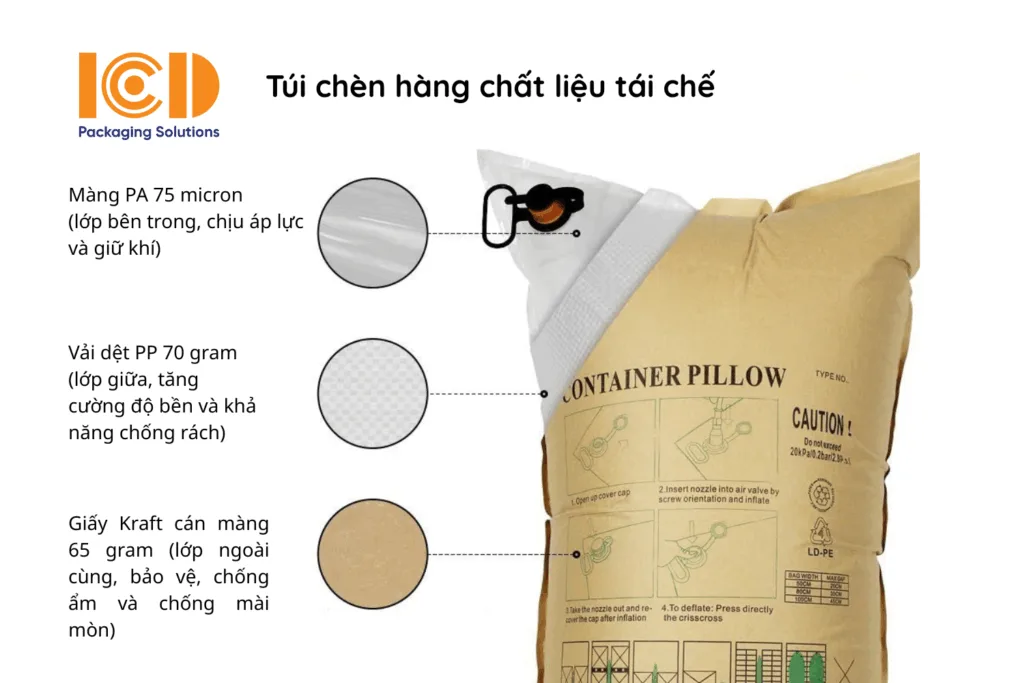
According to the ICD Vietnam catalogue, a Level 1 Kraft paper air bag withstands a compression force of up to 15,000 lbs (about 6.8 tonnes) when inflated to the working pressure of 0.2 bar (2.9 PSI), with a burst pressure of 9.1 PSI. The gap between working pressure and burst pressure is the safety margin: a bag inflated to the recommended pressure has plenty of room before it fails.
On construction, the catalogue states that the outer shell of the Kraft bag is paper-plastic lamination, while the ICD Vietnam diagram states that the outermost layer is 65 gram laminated Kraft paper. The number of paper plies and the grammage of each ply vary with the construction of each bag code, so when your paperwork needs detailed specifications, ask for the technical sheet for the exact bag code you plan to buy rather than relying on a general figure.
On levels, the Level 1 to Level 5 system is the classification by the Association of American Railroads (AAR) for dunnage bags in rail cars in North America. The ICD Vietnam catalogue places Kraft paper bags at Level 1; when a higher level is needed, for example heavy cargo in rail cars or routes with a lot of vibration, people move to woven PP bags, which come in more levels.
3. Detailed classification and uses of Kraft paper
Kraft paper is divided by colour (natural brown or bleached), by use (wrapping paper, sack kraft, liner) and by surface treatment (PE coating, film lamination, grease-resistant coating). The three groups buyers ask about most are liner, PE-coated paper and paper packaging.
3.1. What is Kraft liner?
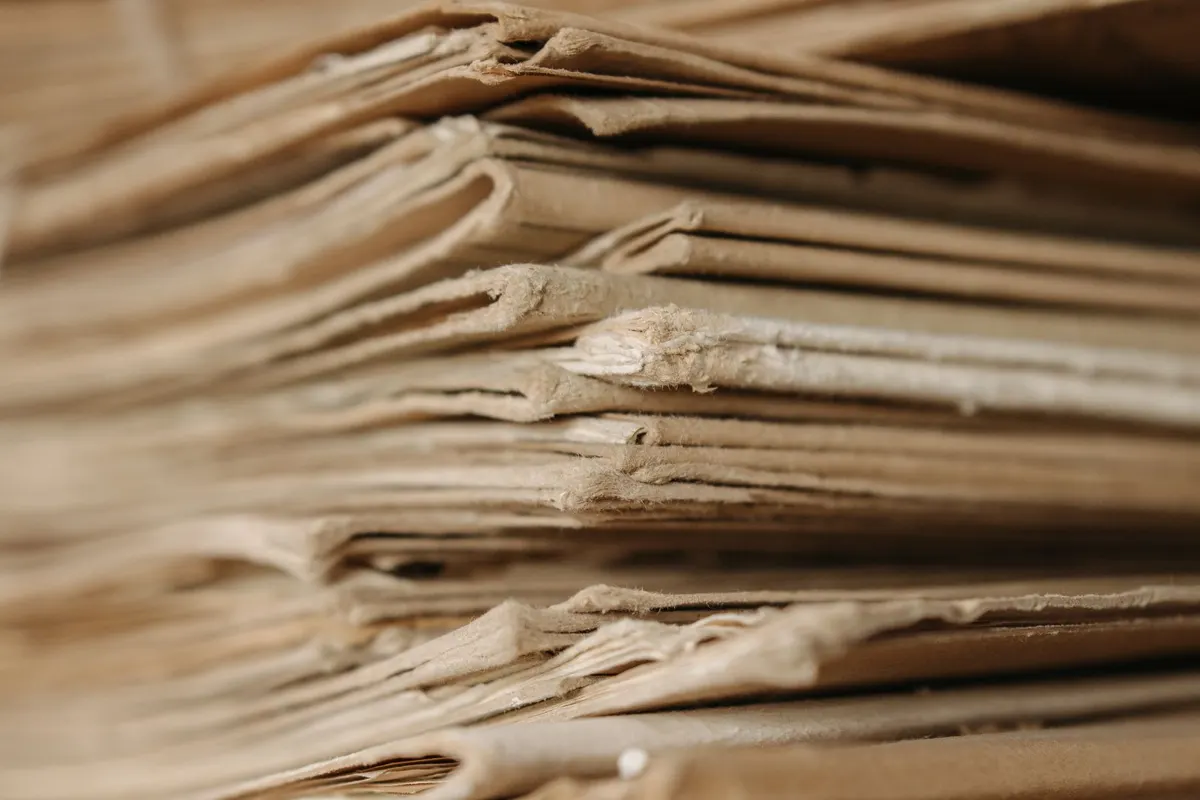
Kraft liner is Kraft paper with a high-quality surface, used as the outer and inner facing of corrugated cartons. The liner decides most of a carton’s stiffness, stacking strength and printing surface. In the United States, liner is usually named by pounds per 1,000 ft²; for example 42 lb liner is about 205 g/m² (converted by ICD Vietnam, where 1 lb per 1,000 ft² is about 4.88 g/m²).
3.2. What is PE-coated Kraft paper?
PE-coated Kraft paper is Kraft paper covered with a thin layer of polyethylene (PE), usually by extruding molten plastic onto the paper surface. The PE layer forms a barrier against water vapour, grease and bacteria that bare paper does not have. For example, Stora Enso CKB PE Kraft board has 15 g/m² of LDPE on the reverse side.
This barrier sharply reduces the moisture that gets through, but it does not block it completely. A study presented at the TAPPI conference in 2007 measured a 20 g/m² LDPE layer at a water vapour transmission rate of 3.03 g/m² per day at 23°C and 50% humidity, rising to 19.08 g/m² per day at 38°C and 90% humidity. That means in a hot, humid container the moisture passing through the PE layer is about six times higher than in a cool warehouse.
In sea container transport, water vapour condenses when the container passes through changing temperatures, known informally as “container rain”. The outer plastic film keeps the Kraft paper from softening quickly, keeps the shell strong and protects the air-holding liner inside. For food packaging, the PE layer used in Kraft paper zip bags and paper boxes needs to block grease and water vapour. In return, PE-coated paper is harder to recycle than bare paper because the plastic layer has to be separated.
3.3. Kraft paper packaging (bags, boxes) and sustainability
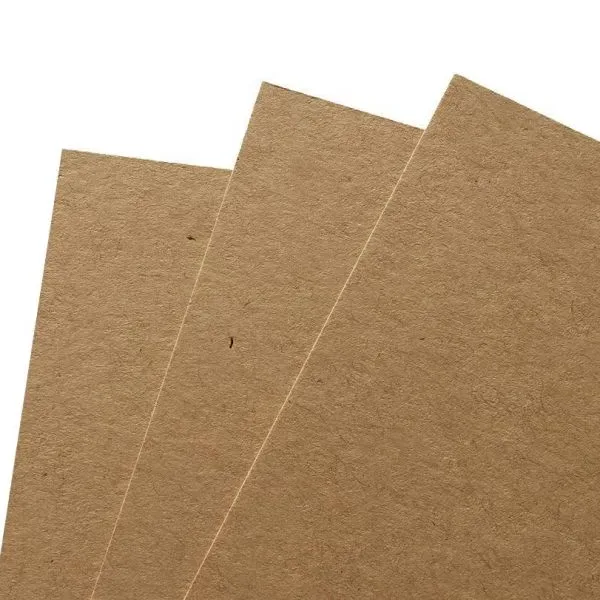
Kraft paper products are popular for their reasonable cost and because they meet the trend towards environmentally friendly packaging. Kraft paper bags include shopping bags and food bags in zip or stand-up form; Kraft paper box packaging is mainly cartons and gift boxes. Multi-wall sacks of sack kraft hold cement, flour, grain and fertiliser. Uncoated Kraft paper can be recycled in the ordinary recovered paper stream.
4. Technical features of Kraft paper air bags
In logistics, the Kraft paper air bag is a popular choice for blocking and securing loads in containers and trucks. The paper shell resists friction and pressing force from the cargo, while the plastic film liner holds the air. The table below summarises the specification according to the ICD Vietnam catalogue:
| Specification | Detail (ICD Vietnam catalogue) |
|---|---|
| Outer shell | Kraft paper laminated with plastic film (paper-plastic lamination); the ICD diagram states the outermost layer is 65 gram laminated Kraft paper |
| Inner air-holding layer | PA film and PE film, airtight |
| Level | Level 1 |
| Maximum compression force | 15,000 lbs (about 6.8 tonnes) |
| Working pressure | 0.2 bar (2.9 PSI, 20 kPa) |
| Burst pressure | 9.1 PSI |
| Size | Width 50 - 120 cm, length as required |
| Valve | Proair valve or standard valve |
| Colour | Natural yellow-brown |
| Certification | AAR, SGS, MSDS (ICD Vietnam catalogue) |
Related product: Kraft paper dunnage bag. Paper bags are normally single-use; for routes where you need to reuse the bag, or cargo with sharp edges, woven PP bags are more durable.
5. Frequently asked questions about Kraft paper
What is Kraft pulp?
Kraft pulp is the raw material for Kraft paper, made by cooking wood chips in a solution of sodium hydroxide and sodium sulfide. The process dissolves most of the lignin but keeps the long cellulose fibres, so paper made from Kraft pulp has high mechanical strength.
What is a Kraft paper label?
A Kraft paper label is a sticker whose face is made of Kraft paper, usually keeping its natural brown colour. This type of label is chosen for handmade, organic products or brands that want a rustic, eco-friendly look rather than a plastic label.
Can Kraft paper be recycled?
Yes. Uncoated Kraft paper has long fibres, can be recycled in the ordinary recovered paper stream and is a good fibre source for recycled paper. Paper coated with PE or laminated with plastic film is harder to recycle because the plastic has to be separated from the paper.
How do Kraft paper air bags and woven PP air bags differ?
Kraft paper bags have a low cost and suit ordinary load blocking by road and sea; the ICD Vietnam catalogue places this type at Level 1 and it is usually used once. Woven PP bags resist tearing and puncture better, come in more levels and can be reused if the shell and valve are intact. The AAR level is a requirement of the North American railroad industry for cargo in rail cars.
Does the colour of Kraft paper affect quality?
The natural yellow-brown colour does not weaken the paper, because it is simply the colour of unbleached pulp. White Kraft paper is bleached paper; bleaching reduces the pulp yield and can make the strength slightly lower than brown paper of the same type.
Does damp Kraft paper get weaker?
Yes. Paper absorbs moisture and loses strength as humidity rises. For cartons, the Clemson University study records that each extra 1% of moisture cuts compression strength by about 7%. That is why Kraft paper used in humid environments such as sea containers is usually coated or laminated with plastic film.
Contact us for Kraft paper dunnage bag advice
ICD Vietnam supplies Kraft paper dunnage bags, woven PP bags and inflation guns. Send us the gap size, the type of cargo and the shipping route to get advice on the bag type and size. Price: contact for a quote.
ICD Vietnam Industrial Manufacturing Co., Ltd.
- North Vietnam (Hanoi warehouse): 3rd Floor, Thang Long A1 Building, Thon Bau, Thien Loc Commune, Hanoi - 0983 797 186 / 090 345 9186 / 090 5859 186.
- Southern workshop: 551/212 Le Van Khuong Street, Tan Thoi Hiep Ward, District 12, Ho Chi Minh City - 098 6784 186.
- Email: sales@icdvietnam.com.vn. Zalo: Chat Zalo.
References
- ICD Vietnam air dunnage bag catalogue (Air dunnage bag ICD Vietnam Catalogue): construction, levels, working pressure and burst pressure of Kraft paper and woven PP bags.
- Kraft paper production process and properties - TAPPI (Technical Association of the Pulp and Paper Industry); LDPE water vapour transmission figures from Lahtinen (TUT), “Prediction of WVTR of extrusion coated papers”, TAPPI European PLACE Conference 2007.
- Wikipedia - Kraft process and the Kraft paper article: cooking chemicals, pulp yield, history, grammage and sack kraft.
- Stora Enso - CKB PE, technical data sheet: 15 g/m² LDPE layer, grammage and tolerance according to ISO 536, wet tear strength.
- Clemson University - study of the effect of moisture on carton compression strength (2019).
- ISO 536:2019 - Paper and board, determination of grammage.
- Association of American Railroads (AAR): classification of dunnage bag levels Level 1 to Level 5 for rail cars.
Further reading: Dunnage bag materials.