Table of Contents
- Common pallet stretch wrapper problems and effective fixes from experience
- 1. Shrink film seal not firm/not sealed
- 2. Belt jammed, cannot cut
- 3. Wrap tension not tight enough
- 4. Machine freezes, does not work
- Notes to boost performance & extend machine life
- Frequently asked questions
- Stretch Wrapper Troubleshooting Quick Reference
- Frequently Asked Questions
Reviewed and updated by ICD - Week 36/2026
QUICK SUMMARY FOR BUSY READERS:
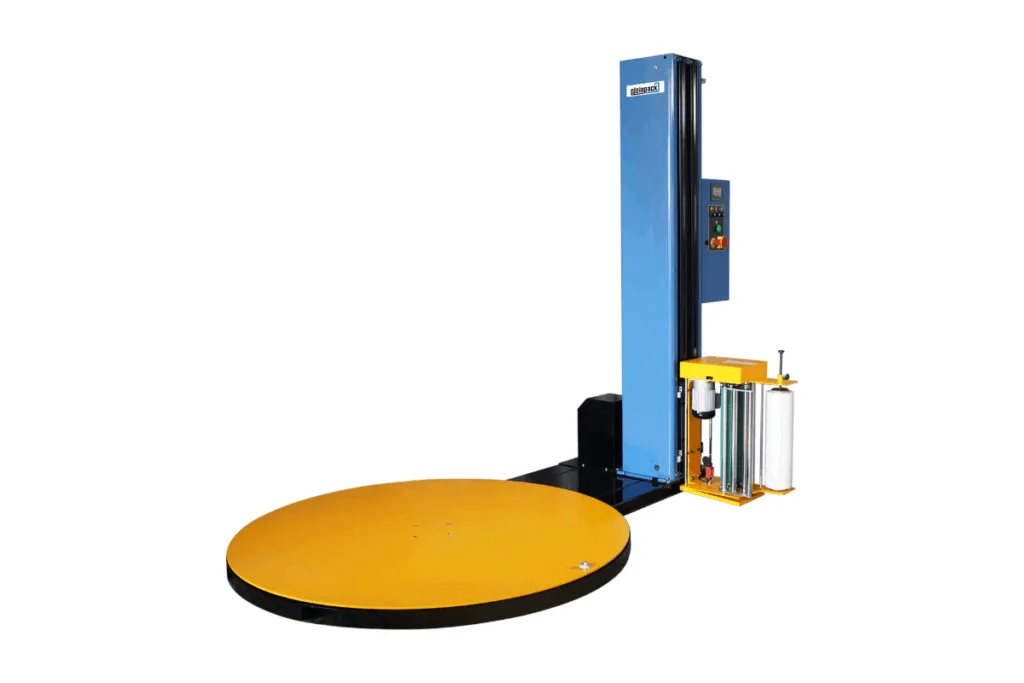
Pallet stretch wrappers are convenient but prone to several common problems during operation. The article below shares personal experience, how to identify and fix each problem, helping you optimize packaging performance, keep goods safe and save costs.
Common pallet stretch wrapper problems and effective fixes from experience
Having owned and operated pallet stretch wrappers for years at a manufacturing plant, I have faced all kinds of issues that, without practical knowledge, would be quite confusing and cause delays. Below is a summary of the most common problems, my handling experience and the best solutions you should apply.
1. Shrink film seal not firm/not sealed
Common causes:
- The sealing temperature is not hot enough.
- The sealing time is too short or the sealing blade is dusty.
- Using poor-quality shrink film not suited to the machine.
Real experience:
Several times I was complacent and did not check the temperature before operating, which made the seal easily come apart when packing bulky goods. After that experience, I always check the temperature panel and clean the sealing blade thoroughly before each shift.
How to fix:
- Check/manage the temperature per the manufacturer’s recommendation.
- Make sure the sealing blade and machine surface are clean.
- Use high-quality shrink film as specified.
2. Belt jammed, cannot cut
Causes:
- Dust and film scraps accumulated in the guide path.
- The belt is installed in the wrong direction or wrong specification.
- The blade is blunt/worn.
Experience and solution:
When I first started, I once left the blade unchanged for too long, leading to a jammed belt and dozens of minutes to fix. From then on, I check and replace the blade periodically each month and always clean the guide path regularly.
3. Wrap tension not tight enough
Problem:
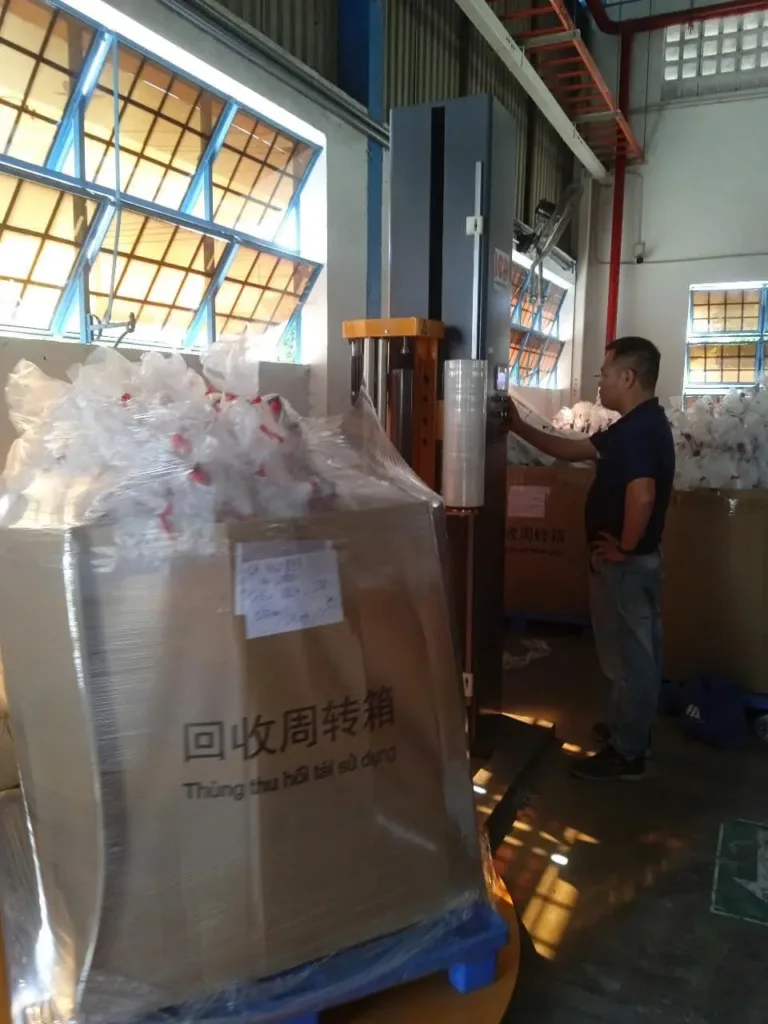
Film wrapped too loosely lets packages shift and break easily, especially during long-distance transport.
Experience:
Checking the wrap tension is the task I prioritize right after the machine is handed over. Adjusting the tension knob and cleaning the jaw keeps the film taut, protecting packages optimally.
Solution:
- Adjust the wrap tension on the control panel.
- Clean or replace the tension unit if needed.
- Use shrink film with good elasticity.
4. Machine freezes, does not work
Causes I have personally encountered:
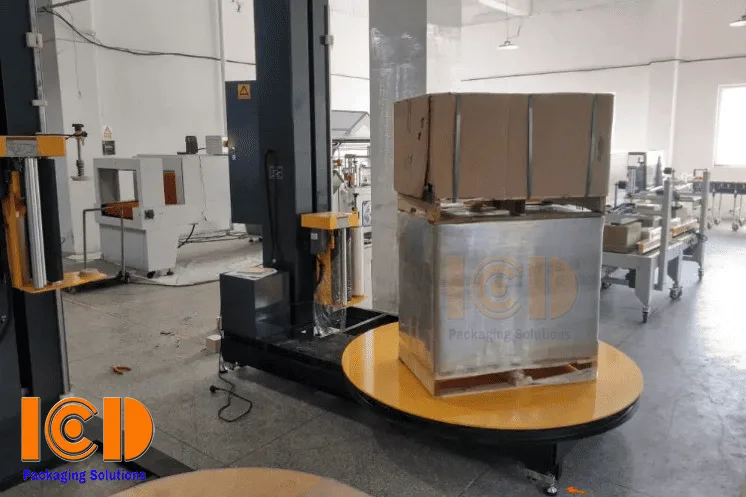
- Power loss/unstable electrical system.
- Blown fuse due to overload.
- Machine overheating from continuous long-shift operation.
Effective handling I have applied:
- Always check the power source and fuse before operating.
- Give the machine rest time between large packaging runs.
- Press Reset to restart if the machine freezes.
Notes to boost performance & extend machine life
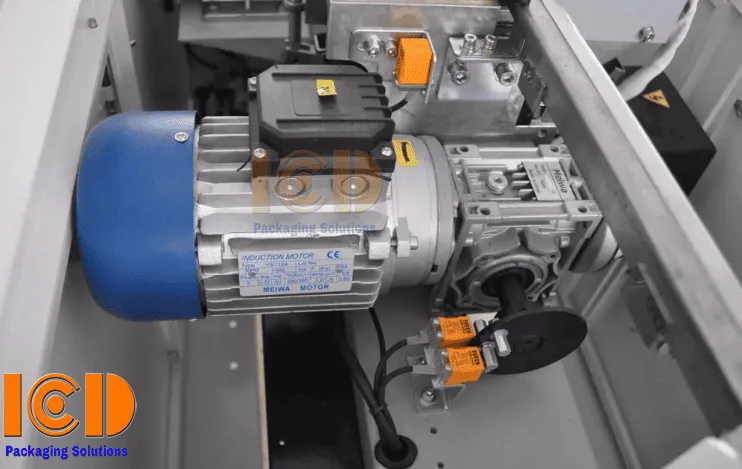
- Periodic maintenance: Clean and oil moving parts, check sensors, replace accessories at the first sign of wear.
- Choose quality materials: Always use shrink film and belts of the correct machine type, prioritizing tested brands.
- Operator training: Staff directly using the machine should be given detailed technical guidance from the supplier/specialist.
- Measure/check pallets: Choose intact pallets of a size compatible with the goods to ensure firm wrapping.
- Prioritize machines with safety sensors and emergency brakes: Avoid risks to the operator and minimize workplace accidents.
Frequently asked questions
1. Why do goods/film often come loose after wrapping with a pallet machine?
- The cause may be an insufficiently firm seal, too-weak wrap tension or using substandard shrink film. Recheck the machine settings and clean the sealing blade, or switch to a higher-quality shrink film.
2. How do I know a pallet stretch wrapper needs maintenance?
- When there are strange noises, uneven wrapping, a jammed blade or weak tension, you should perform maintenance immediately; it is best to schedule periodic weekly and monthly checks.
3. How should I choose stretch wrap so it does not tear during long-distance transport?
- Prioritize shrink film with high elasticity and good load resistance, suited to the package size. If the product has sharp edges, add a few thick turns at the sensitive area or use corner protection padding.
4. What is the most common pallet wrapper error operators tend to overlook?
- Checking the power source and machine cleanliness are the two factors most easily overlooked, leading to the machine freezing or errors arising during the shift.
5. Does a mini pallet stretch wrapper need maintenance like a large machine?
- Whether a mini or a large machine, periodic maintenance and using standard materials are essential to ensure equipment performance and lifespan.
Stretch Wrapper Troubleshooting Quick Reference
When a stretch wrapper stops performing correctly, the root cause usually falls into one of five categories. The table below maps each common symptom to its most likely cause and the fastest corrective action - covering the issues reported most often by warehouse and production teams.
| Symptom | Likely Cause | Fix |
|---|---|---|
| Film breaks mid-wrap | Pre-stretch ratio too high, or film roll defect | Reduce tension setting by 10-15%, then test with a new roll |
| Pallet load shifts after wrapping | Insufficient base wraps at floor level | Apply 2 overlapping base wraps that contact the pallet deck before ascending |
| Turntable rotates unevenly | Bearing wear or load exceeds machine weight limit | Verify pallet weight against machine spec, inspect and replace bearing if worn |
| Film will not seal at start of wrap cycle | Cut film end not clamped correctly in carriage | Re-thread film through the clamp mechanism following the machine threading guide |
| Film loses cling in cold storage | Ambient temperature below 15 degrees C reduces LLDPE tackiness | Switch to low-temperature stretch film rated for cold-chain environments |
If the same symptom returns after applying the fix above, escalate to a full inspection of the film carriage rollers and the pre-stretch gear ratio. Worn rollers create inconsistent tension that cannot be resolved by adjusting settings alone. ICD Vietnam supplies LLDPE stretch film compatible with all major semi-automatic and automatic wrapper models - contact the team at 0983 797 186 if you need guidance on film specification for a specific machine.
Frequently Asked Questions
Why does my stretch film keep breaking during wrapping?
The most common cause is a pre-stretch ratio set too high for the film gauge in use. Standard LLDPE stretch film is rated for pre-stretch between 150% and 300% depending on thickness - running above the rated limit causes micro-tears that propagate into a full break within a few revolutions. Check the film manufacturer’s data sheet for the maximum pre-stretch setting, then reduce your machine tension by 10-15% and run a test wrap. If breakage continues after adjusting tension, the issue is likely a defective roll or a film grade that does not match the application. Switch to a fresh roll from a different batch and retest. Blade-type cutters that are dull can also nick the film tail and initiate tears - replace the cutter blade if it shows visible wear or produces a ragged cut edge.
How many base wraps do I need to secure a pallet load?
At minimum, apply 2 overlapping wraps at the base that contact the pallet deck boards before the film ascends the load. These base wraps anchor the film to the pallet structure rather than relying solely on friction against the load. For heavy or unstable loads above 500 kg, increase to 3 base wraps and overlap the bottom wrap with the floor to create a skirt that resists lateral shift during forklift transport. The overlap at the base should cover at least 50% of the previous wrap width. Skipping base wraps is the single most common reason a pallet arrives at the destination with a shifted or collapsed load even when the mid-section and top wraps appear intact.
Can I use regular stretch film in a cold storage warehouse?
Standard LLDPE stretch film loses tackiness below 15 degrees C, which means the layers no longer bond to each other and the wrapped load can unravel. In cold chain environments - typically between -18 degrees C and 4 degrees C - you need a low-temperature stretch film formulated with additives that maintain cling and elongation at low temperatures. Low-temp film typically costs 8-15% more per roll than standard film, but prevents load failures and product damage that far exceed that cost difference. If your operation moves between ambient and cold zones, wrap in the ambient area and allow the film to cool with the load rather than wrapping inside the cold room, which reduces both film performance and worker comfort.