Table of Contents
Reviewed and updated by ICD - Week 38/2026
In the cosmetics industry, preserving and presenting products plays an extremely important role.
Using shrink wrap film for cosmetics - applied with a pallet stretch wrap machine - has become an optimal solution that not only protects products from external factors but also enhances aesthetics and brand value.
So, what is cosmetic shrink wrap and what benefits make it the top choice for manufacturers?
What Is Cosmetic Shrink Wrap?
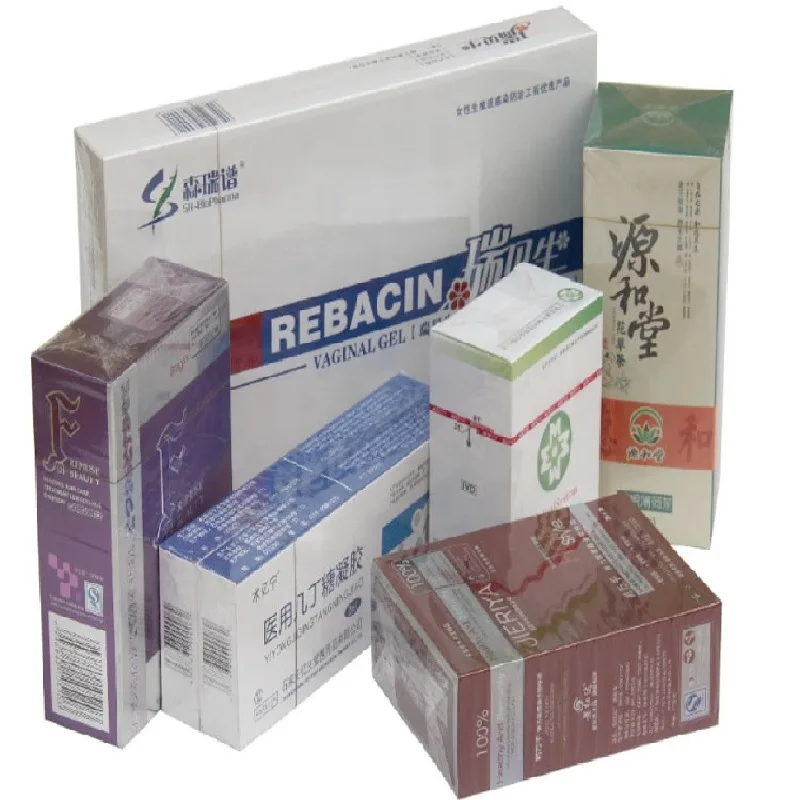
Cosmetic shrink wrap film is a thin plastic film, typically made from materials such as PVC, POF (Polyolefin), or PE (Polyethylene).
The defining characteristic of this film is its ability to shrink and cling tightly to the product when exposed to heat - usually from a heat shrink machine.
The primary purpose of shrink wrap is to create a sealed protective layer that guards against dust, moisture, bacteria, and physical damage, while keeping products fresh and intact.
Key Benefits of Cosmetic Shrink Wrap
Applying shrink wrap to cosmetics delivers many practical benefits for both manufacturers and consumers:
Optimal Product Protection
- Dust and moisture barrier: The sealed shrink layer prevents dust and moisture from penetrating the product, preserving cosmetic quality.
- Scratch and impact resistance: Reduces the risk of scratches and dented packaging during transportation and display.
- Tamper-evidence and anti-theft: An intact shrink seal indicates the product has not been opened, building customer confidence.
- Extended shelf life: Limits air contact with the product, helping maintain quality and extend usable life.
Enhanced Aesthetics and Brand Value
- Glossy, professional surface: Shrink wrap makes products look clean, shiny, and professional, attracting customer attention.
- Secure packaging: Keeps packaging components (such as caps and labels) firmly in place, preventing loosening or falling off.
- Premium impression: A carefully shrink-wrapped product typically conveys quality and brand investment.
Optimized Packaging Process and Cost Savings
- High efficiency: The heat shrink wrapping process is fast, increasing packaging throughput.
- Material savings: Shrink film is designed to contract maximally, enabling efficient material use and reducing waste.
- Lower damage costs: Better product protection reduces damage rates during transportation and storage, lowering compensation costs.
Common Types of Shrink Film Used in Cosmetics
In the cosmetics industry, the following shrink film types are commonly used:
- PVC shrink film (Polyvinyl Chloride): Popular due to its affordable price and good shrink performance. Note that temperature control is important, as some additives may migrate at excessively high temperatures.
- POF shrink film (Polyolefin): Highly regarded for safety, clarity, and durability. POF contains no harmful substances, is more environmentally friendly, and is commonly used for premium cosmetic products.
- PE shrink film (Polyethylene): Offers good strength and flexibility, typically used for larger products or those requiring higher protection levels.
Basic Cosmetic Shrink Wrapping Process
The cosmetic shrink wrapping process typically involves the following steps:
- Insert product into film: The cosmetic product is placed inside a shrink bag or a pre-cut length of shrink film.
- Seal and cut film (if needed): A sealing and cutting machine is used to form the bag shape and trim excess film.
- Heat shrinking: The wrapped product passes through the heat chamber of the shrink tunnel. Under high heat, the film rapidly contracts and conforms tightly to the product.
- Cooling: The product is cooled so the shrink film stabilizes and firms up.
Conclusion
Cosmetic shrink wrap is an indispensable solution in the beauty industry. With outstanding benefits in product protection, aesthetic enhancement, and cost optimization, it enables cosmetic brands to confidently deliver high-quality products to consumers.
Choosing the right type of shrink film and following a precise packaging process contributes significantly to a product’s success in the market.
Related article: Common Errors When Using a Stretch Wrap Machine: How to Fix Them Yourself
POF vs PVC Shrink Film for Cosmetics: Which Should You Choose?
The film type you choose directly affects product safety, print quality, and sealing speed on the line. POF and PVC shrink film are the two most common options in cosmetics packaging, but they behave differently under heat and have very different regulatory profiles. The table below compares them across the six properties that matter most for beauty and personal care products.
| Property | POF Film (Polyolefin) | PVC Film |
|---|---|---|
| Clarity | High gloss - crystal clear | Good but slightly hazy |
| FDA food/cosmetic safe | Yes - approved for direct contact | Limited - not for direct contact |
| Shrink temperature | 120-160 degrees C | 120-150 degrees C |
| Print friendly | Yes - flexo and rotogravure | Not recommended |
| Odor during sealing | None | Slight - HCl off-gas at high temp |
| Cost | Medium | Lower upfront |
The practical conclusion: for any cosmetics line that prints on the film or sells into regulated markets (EU, US, or export), POF is the correct choice. PVC costs less per roll but creates compliance risk and limits your print options. The cost difference narrows significantly once you account for rejected export shipments or reprinting unbranded packs.
Need stretch film or shrink film for your packaging line? ICD Vietnam supplies PE stretch film and shrink film with same-day dispatch from stock in Hanoi and Ho Chi Minh City.
Frequently Asked Questions
Is POF shrink film safe for cosmetics packaging?
Yes. POF (Polyolefin) shrink film is FDA-approved for direct contact with food and cosmetic products. It contains no plasticizers or chlorine, releases no harmful gases when heated to sealing temperature (120-160 degrees C), and leaves no residue on the product surface. This makes it the standard choice for lipstick sets, skincare bottles, and gift boxes that require tamper-evident wrapping with regulatory compliance in mind. PVC film is not recommended for direct cosmetic contact because it can off-gas hydrogen chloride at sealing temperatures.
What machine do I need to shrink wrap cosmetic gift sets?
For gift set bundling, an L-bar sealer paired with a heat tunnel is the standard setup for medium-volume cosmetics lines. The L-bar sealer cuts and seals the film around the set in one motion; the heat tunnel then shrinks the film tight at a controlled temperature - typically 130-150 degrees C for POF. For high-volume production above 20 packs per minute, a fully automatic shrink wrapper with integrated tunnel is more cost-effective. Small-scale or sample runs can use a hand impulse sealer with a heat gun, though consistency is lower.
Can I print logos on shrink film for cosmetics?
Yes, POF film accepts flexographic and rotogravure printing with good ink adhesion and sharp detail. Printed POF is widely used for branded cosmetics bundles and promotional sets where the shrink film itself carries product information, barcodes, or promotional graphics. PVC film is not recommended for printing because the chlorine content in the film can react with certain inks at sealing temperatures, and PVC film printing generates hazardous off-gas in enclosed production areas. If print quality is a priority, specify corona-treated POF for better ink bonding.