Table of Contents
Reviewed and updated by ICD - Week 43/2026
A shrink wrap machine is a system made of a sealer and a heat tunnel, giving a flat, clear wrap that hugs the product, so it suits retail goods, bottles, cosmetic boxes, and multipack bundles. In return, the tunnel must run hot continuously, the sealing consumables wear steadily, and pack size is limited. For pallet loads in a warehouse, a stretch wrapper is the right choice. This guide is a technical reference; the ICD Vietnam machines named in it are pallet stretch wrappers.
- Pros: snug wrap, high visual quality, quick multipack bundling, can be integrated into a production line.
- Cons: heat tunnel uses electricity, sealing consumables wear out, temperature and speed must be set correctly, pack size is limited.
- Best for: retail goods, food, cosmetics, gifts, multipacks.
- Not for: heavy pallet loads in a warehouse, where a stretch wrapper costs less.
What a shrink wrap machine consists of
A machine-selection guide describes two cooperating stages: a sealer that closes the film around the product (using an L-bar sealer, a continuous side sealer, or a sleeve wrapper), then a heating tunnel where hot air shrinks the film to hug the goods, followed by a cooling zone. A sealer without a tunnel gives only a loose bag, and a tunnel without a sealer has nothing to shrink, so the two parts are always chosen as a pair.
This two-step construction explains most of the pros and cons below: the film hugs the product thanks to heat, and because of that same heat the tunnel uses electricity and the sealing consumables wear out.
Advantages of a shrink wrap machine
A snug, tidy wrap. Shrink film contracts to the shape of the product, so the surface is flat and clear and does not hide the packaging inside. That is why water bottles, cosmetic boxes, gift sets, and display goods commonly use this method. The amount of shrink depends on the film type, so choose the film before choosing the machine.
| Shrink film type | Length shrink | Width shrink | Direct food contact |
|---|---|---|---|
| PVC | 35% | 50% | No |
| General-purpose polyolefin | 67% | 64% | Yes |
| Premium polyolefin | 80% (all directions) | 80% (all directions) | Yes |
| Polyethylene for bundling | 15-20% (all directions) | 15-20% (all directions) | No |
The table is taken from a shrink film guide by a US packaging supplies vendor. Polyethylene bundling film shrinks little but is durable, suited to bundling cans and water bottle packs; polyolefin shrinks more and suits goods with complex shapes.
Quick multipack bundling. Bundling six bottles or twelve boxes into one pack with film in place of a separate carton for each product is common in food and beverage plants. Output depends on the machine type: the same machine-selection guide gives about 5-40 packs per minute for semi-automatic and automatic L-bar sealers, and 40-150 packs per minute for continuous side sealers. These figures are industry-wide levels, not the specification of any particular machine.
Integration into a production line. A continuous side sealer combined with a tunnel and conveyor takes products straight from the production line without stopping to place goods on a turntable like a pallet wrapper. On film, the vendor above lists general-purpose polyolefin as meeting food-contact requirements; PVC does not, and the machine-selection guide notes that PVC releases hydrochloric acid vapor when heated, leaving residue that corrodes the sealing wire and the tunnel. Many lines have therefore moved from PVC to polyolefin.
Drawbacks to weigh before investing
Electricity for the tunnel. The machine-selection guide above gives about 4-5 kW of heating power for a small 220V machine, and about 12-18 kW for an industrial 380-440V tunnel depending on size and speed. A US vendor’s tunnel operating guide also notes the machine needs about 30 minutes to reach the set temperature, meaning it must be switched on early before the shift.
For comparison, the power of the ICD-X0PS turntable machine is 1.5 kW per the product page; the total motor power of the ICD-T1650FM is about 1.5 kW and of the ICD-R1800FZ-PL rotating-arm machine about 2.5 kW. Do not compare the kW figures directly with a tunnel because the two machines work differently, but the gap shows why a stretch wrapper is cheaper on electricity: it heats nothing.
Sealing consumables wear out. Teflon tape, silicone strips, sealing wire, and hot knives are all wear parts. A guide from a US packaging machine vendor says sealing wire typically lasts a few thousand seals and a hot knife tens of thousands, and life depends on the temperature setting: running the lowest temperature that still seals well extends life. A manufacturer’s maintenance document also advises checking the Teflon tape regularly, replacing it when burn marks appear, and cleaning the tunnel chamber, fan, and air ducts, because film residue and dust cause local overheating.
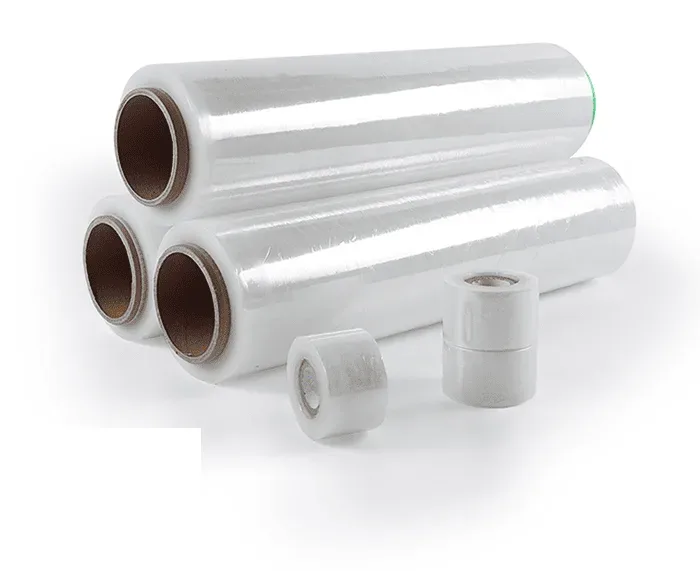
Temperature and speed must be set correctly. There is no single temperature for every film. A US vendor’s tunnel guide recommends a starting point of about 163°C for polyolefin and 135°C for PVC, while another machine-selection guide gives a range of 150-200°C for polyolefin and 120-160°C for PVC. This gap shows you must start from the film maker’s recommendation and then fine-tune. Common faults are also clear: low heat or a conveyor that is too fast causes wrinkles and incomplete shrink; high heat or too long a dwell causes holes and burnt film. Change only one parameter at a time and test a sample.
Pack size limits. An L-bar sealer is limited by the length of the sealing arm, so it suits only small to medium goods at low to medium output. Bulky goods need a continuous side sealer or sleeve wrapper, which is a very different investment.
Compared with stretch wrappers for pallets
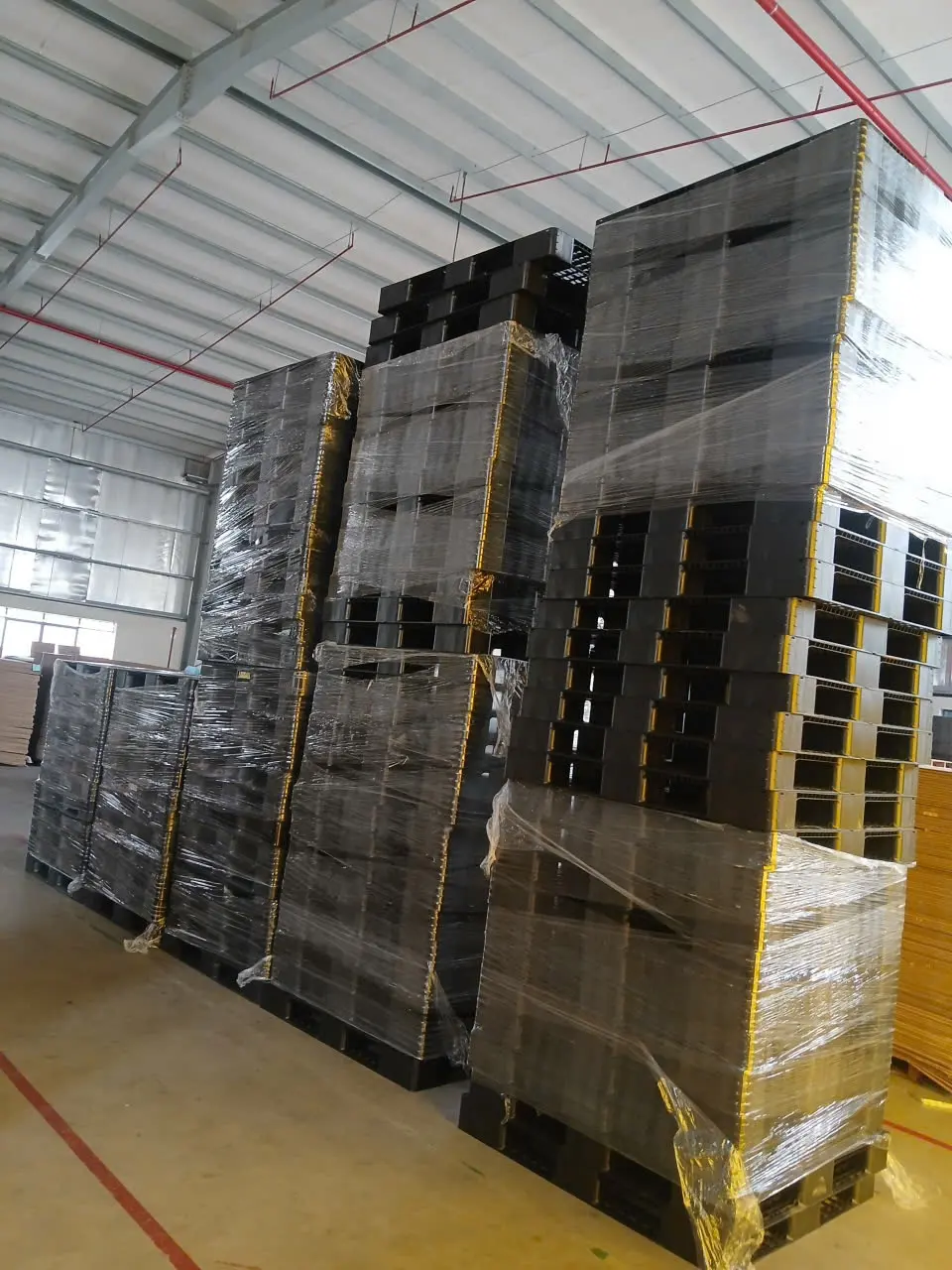
The two machine types solve two different problems, so the table below sets them side by side on operating criteria. The right column uses the ICD Vietnam stretch wrapper product page specifications, accessed October 2026.
| Criteria | Shrink wrap machine | Pallet stretch wrapper |
|---|---|---|
| Intended for | Small to medium packs, retail goods, multipacks, display goods | Pallet loads in storage and transport |
| How the load is held | Film shrinks and hugs the goods through heat | Stretch film is wrapped around the pallet, held by elastic force |
| Electrical power | Tunnel 4-5 kW (small 220V machine) up to 12-18 kW (industrial), per the machine-selection guide | Machine power 1.5 kW (ICD-X0PS); total motors of ICD-T1650FM about 1.5 kW, ICD-R1800FZ-PL about 2.5 kW |
| Output | 5-40 packs/min (L-bar sealer), 40-150 packs/min (continuous side sealer) | 20-45 pallets/hour (ICD-T1650FM, ICD-X0PS, ICD-R1800FZ-PL) |
| Load | Depends on the pack, no general specification | 1,000-2,000 kg per pallet (ICD-T1650FM 1,000 kg, X0MS 1,500 kg, T1650F 2,000 kg) |
| Main wear parts | Sealing wire or hot knife, Teflon tape, silicone strips, tunnel conveyor | No heat-sealing parts; wear is in the film roll |
For pallets, ICD Vietnam supplies pallet stretch wrapping machines in four groups: turntable (ICD-X0MS, ICD-X0PS, ICD-T1650FM, ICD-T1650F), rotating arm (ICD-R1800FZ-PL, 35-45 pallets per hour), mobile robot, and carton wrapping machine. The ICD-X0PS has 250% pre-stretch and 30 pallets per hour per the product page. Which line to choose also depends on the load, the load height, and the forklift type in the warehouse.
When to choose a shrink wrap machine
A shrink wrap machine suits goods that need a neat, snug wrap or bundling into packs: food and beverage plants bundling multipacks, cosmetics and pharmaceuticals needing tidy packaging, gift sets and display goods, and bottle label shrinking. In those cases electricity and sealing consumables are a cost worth paying for a kind of wrap that stretch film cannot do.
Frequently asked questions about shrink wrap machines
What are the advantages of a shrink wrap machine?
Shrink film hugs the product for a flat, tidy wrap that suits retail goods, bottles, cosmetics, and gift sets; multipacks are bundled quickly; a continuous side sealer combined with a tunnel and conveyor can be integrated into a production line.
What are the disadvantages of a shrink wrap machine?
The heating tunnel uses electricity (about 4-5 kW on small machines and 12-18 kW on industrial tunnels), sealing consumables such as sealing wire, Teflon tape, and silicone strips wear out, temperature and speed must be set correctly for each film, and pack size is limited.
Can a shrink wrap machine be used to wrap warehouse pallets?
It is not the usual choice. Warehouse pallets use stretch wrappers, such as ICD Vietnam’s turntable and rotating-arm models, because they wrap quickly, carry 1,000-2,000 kg, and need no heating.
How do PVC and polyolefin shrink film differ?
Per a US vendor’s guide, PVC shrinks about 35% in length and 50% in width and is not for direct food contact; general-purpose polyolefin shrinks 67% and 64% and meets food-contact requirements. PVC also releases acid vapor when heated and corrodes the sealing wire and tunnel.
What temperature should the tunnel be set to?
There is no single figure. One US vendor’s reference starting point is about 163°C for polyolefin and 135°C for PVC, but other documents give different ranges. Start from the film maker’s recommendation, then fine-tune one parameter at a time.
Contact ICD Vietnam
ICD Vietnam Industrial Manufacturing Co., Ltd. advises on pallet stretch wrappers, PE film, and packaging solutions. Send the load, load height, and forklift type to get advice on the right model, or request a quote for your configuration.
- Northern Vietnam (Hanoi warehouse): 3rd Floor, Thang Long A1 Building, Bau Hamlet, Thien Loc Commune, Hanoi - 0983 797 186 | 090 345 9186
- Southern Vietnam workshop: 551/212 Le Van Khuong Street, Tan Thoi Hiep Ward, District 12, Ho Chi Minh City - 098 6784 186
- Email: Sales@icdvietnam.com.vn
References
- Guide to choosing a shrink wrapping machine by an international packaging equipment technical editor: the two stages of sealing and shrinking, shrink of 30-80%, output of 5-40 and 40-150 packs/min, tunnel power of 4-5 kW and 12-18 kW, PVC releasing acid and corroding.
- Shrink wrap guide from a US packaging supplies vendor: shrink levels of PVC, polyolefin, and polyethylene and food-contact requirements.
- Heat tunnel operating guide from the same vendor: starting temperature 163°C for polyolefin, 135°C for PVC, about 30 minutes to warm up.
- Article on wear parts of shrink wrap machines from a US packaging machine vendor (2017): Teflon tape, silicone strips, sealing wire, hot knife.
- Maintenance document for shrink wrap machines from a manufacturer (August 2026): checking Teflon tape, cleaning the tunnel chamber, monitoring indicators.
- Specifications of the ICD-X0MS, ICD-X0PS, ICD-T1650FM, ICD-T1650F, and ICD-R1800FZ-PL on ICD Vietnam product pages, accessed October 2026.