Table of Contents
- What is blown film?
- What is cast film?
- Blown vs cast comparison
- When to choose which
- What ICD offers
- You cannot identify blown or cast film reliably from a photo
- Why the manufacturing process changes performance
- Compare cost per stable pallet, not price per kilogram
- Five-pallet comparison trial
- More on stretch film & wrapping
- Frequently asked questions
- Contact ICD Vietnam
- Sources
Reviewed and updated by ICD - Week 38/2026
Blown and cast stretch film are made differently: blown film is extruded upward and air-cooled, giving higher cling, puncture resistance and load retention; cast film is chilled on rollers, giving clarity, quiet unwind and consistent thickness. The choice depends on load type and noise tolerance.
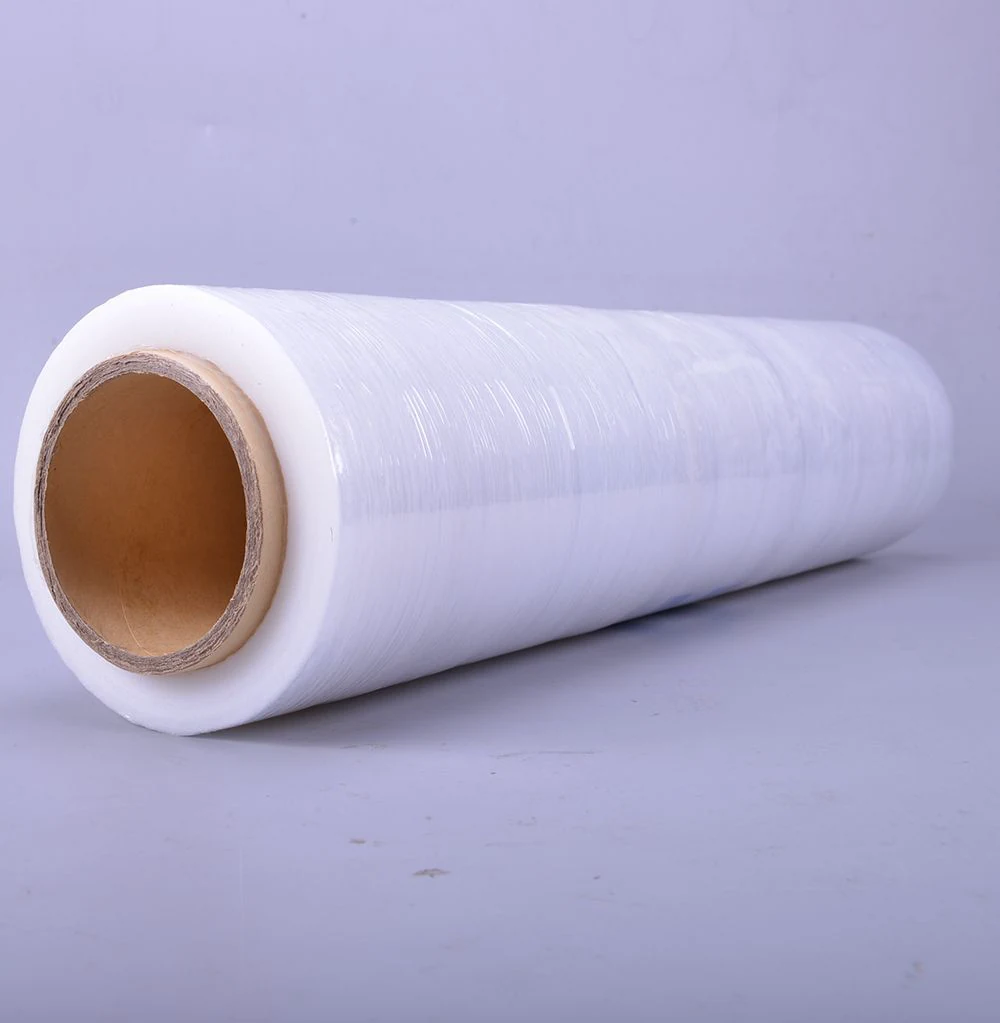
Blown and cast stretch film are two manufacturing processes: blown film is made by inflating a tube of plastic with air and cooling it in air, giving strong, two-sided-cling film; cast film is extruded through a flat die and chilled fast on a cold roller, giving clear, quiet film that pre-stretches well. Both are PE film but behave quite differently.
What is blown film?
Plastic is extruded into a tube and inflated like a bubble, then air-cooled. The slow cooling creates a tangled molecular structure, giving high tear and puncture resistance, two-sided cling and strong holding force for heavy, sharp-edged loads. Downsides: hazy (less clear), noisy to unwind, and more expensive.
What is cast film?
Plastic is extruded through a flat die and instantly chilled on a cold roller. Fast cooling gives very clear film with even thickness, smooth stretch and high pre-stretch - ideal for automatic wrappers. Cast film unwinds quietly, has one-sided cling (easier cling-side control) and usually costs less than blown film of the same thickness.
Blown vs cast comparison
| Criterion | Blown film | Cast film |
|---|---|---|
| Tear/puncture strength | High | Medium |
| Clarity | Hazy | Very clear |
| Noise on release | Noisy | Quiet |
| Cling sides | Two-sided | One-sided |
| Pre-stretch capability | Lower | High |
| Price | Higher | Lower |
| Best for | Heavy, sharp-edged, hand wrap | Automatic wrappers, see-through needs |
When to choose which
Choose cast film for most machine pallet wrapping: clear, quiet, high pre-stretch, low cost per pallet. Choose blown film for very heavy or sharp-edged loads needing high tear/puncture resistance, or when maximum holding force matters more than clarity. In Vietnam, cast film is the most common for industrial pallet wrapping.
What ICD offers
ICD supplies stretch film in both cast and blown, many thicknesses, plus suitable wrapping machines, advising on the right film for your goods and wrapping line.
You cannot identify blown or cast film reliably from a photo
Clarity and feel provide clues, but additives, resin blends and production settings can blur the difference. Request the process, nominal thickness, stretch capability, cling side, puncture data and recommended use. A controlled pallet trial is more reliable than looking at the roll.
Why the manufacturing process changes performance
Blown film is extruded as a tube and cooled more gradually, generally supporting strong puncture and tear resistance. Cast film is extruded through a flat die and cooled rapidly on chill rolls, typically producing consistent gauge, high clarity and quiet unwind.
| Requirement | Blown usually fits | Cast usually fits |
|---|---|---|
| Irregular/sharp load | Higher puncture demand | Needs trial or corner protection |
| Barcode visibility | May be hazier | Usually clearer |
| Quiet unwind | Usually noisier | Usually quieter |
Compare cost per stable pallet, not price per kilogram
Film cost per stable pallet = film consumed x purchase price + rewrap and damage cost. A cheaper roll can cost more if it needs extra revolutions, breaks frequently or creates unstable loads.
Five-pallet comparison trial
- Keep load pattern, weight and machine program identical.
- Wrap at least five pallets with each film.
- Weigh rolls before and after to calculate consumption.
- Record breaks, punctures, barcode readability and wrapping time.
- Move pallets through normal handling before making the decision.
More on stretch film & wrapping
Topic pillar
In-depth analysis articles
Frequently asked questions
How do blown and cast stretch film differ?
Blown film is air-inflated, strong, two-sided cling but hazy and noisy; cast film is roller-chilled, clear, quiet, one-sided cling and pre-stretches well.
Which is better for automatic wrappers?
Cast film, because it is clear, even, stretches smoothly and pre-stretches highly at low cost per pallet - ideal for automated lines.
Which has better tear and puncture resistance?
Blown film, thanks to its tangled molecular structure from slow cooling - better for heavy, sharp-edged loads.
Is cast film cheaper than blown?
Usually cheaper at the same thickness and more common for industrial pallet wrapping in Vietnam.
Is one-sided or two-sided cling better?
It depends: two-sided (blown) clings firmly all around; one-sided (cast) makes cling-side control easier, avoiding sticking to unwanted surfaces.
Does ICD sell blown or cast film?
ICD supplies both in many thicknesses, advising by goods and wrapping line, plus suitable wrapping machines.
Contact ICD Vietnam
ICD Vietnam Industrial Manufacturing Co., Ltd - pallets, plastic crates, stretch film, forklifts and packaging solutions.
Hotline: 0983 797 186 / 090 345 9186
Email: sales@icdvietnam.com.vn | Zalo: Chat on Zalo
Sources
Blown vs cast - quick comparison
- Blown: tougher, higher cling and tear resistance, better for sharp/heavy loads; noisier, less clear.
- Cast: clear, quiet unwind, consistent gauge, easy hand-wrapping; lower puncture resistance.
- Heavy or irregular pallets: choose blown film.
- High clarity or quiet manual wrapping: choose cast film.
Reference
Manufacturing process differences between blown and cast stretch film - British Plastics Federation (BPF).