Table of Contents
- What Is Danpla - Material Structure and Properties
- Real-World Applications of Danpla Across Industries
- ROI Calculation - Does Danpla Really Save Costs?
- Danpla Market Trends 2026 - Why You Should Act Now
- Danpla vs. Alternatives - Comparison
- Guide to Choosing the Right Danpla for Your Business
- Common Mistakes When Using Danpla - And How to Avoid Them
- FAQ - Frequently Asked Questions About Danpla Packaging
- Conclusion - Danpla Is a Trend You Cannot Ignore
- Contact ICD Vietnam
Reviewed and updated by ICD - Week 42/2026
- Danpla is industrial PP plastic packaging reusable 100+ times, reducing packaging costs by 50-70%
- Wide applications: Logistics, FMCG, electronics, food - saves 0.5-2 million VND/year per business
- 2Trend: Reusable packaging market growing 5.7%/year, Fortune 500 companies already adopting deposit return systems
- Measurable ROI: Danpla box priced competitively, used 2-3 years, which lowers cost per use significantly
What Is Danpla - Material Structure and Properties
Danpla is not ordinary cardboard. It is polypropylene (PP) plastic packaging structured in a honeycomb pattern - with internal air chambers, similar to corrugated cardboard but made of plastic. This structure creates a perfect combination: 5-10 times more durable than paper, yet weighing only 1/3 of traditional wooden boxes.
Danpla has three key properties. First, rigidity - it can support loads of 50-100 kg without deformation. Second, water resistance - it does not absorb moisture or swell like wet cardboard. Third, reusability - it can be folded, stacked, and reused 100+ times over 2-3 years.
Leading Danpla manufacturers such as Danpla Poland and Asian suppliers use virgin PP plastic, free of toxins and safe for food contact. International standards ISO 11607 and FDA approval are commonly applied to this type of packaging.
Real-World Applications of Danpla Across Industries
Danpla plastic is not only for logistics. It is widely used across 5 major industries in Vietnam today.
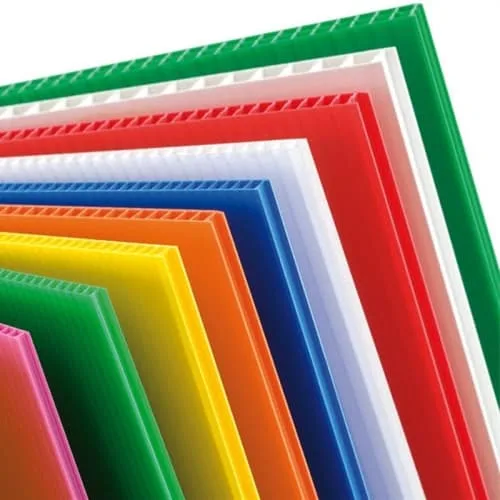
Logistics and Transportation: Express delivery companies (GHN, Ahamove, Grab) are gradually switching to foldable carton-style boxes to reduce operating costs. A delivery company using 10,000 boxes/month can save 200-300 million VND/year by switching from single-use cardboard to Danpla.
FMCG and Food: Beverage, beer, and dairy companies have adopted deposit return systems (customers return boxes and receive a refund). Danpla is ideal because it is odorless, non-greasy, and easy to clean.
Electronics and Components: Danpla plastic trays and liners are used to protect boards, chips, and sensitive components. The natural anti-static properties help safeguard electronic products.
Agricultural Exports: Fresh fruits and vegetables are packed in Danpla boxes for transport. Natural breathability and rust-free properties make it ideal for this type of cargo.
Automotive Manufacturing: Small components and motors are transported in Danpla boxes. High rigidity and load capacity protect goods from impact.

ROI Calculation - Does Danpla Really Save Costs?
This is what many businesses want to know. Here is a specific example from an actual ICD Vietnam customer.
A logistics company in Ho Chi Minh City uses 500 cardboard boxes/day (150,000 boxes/year). Current cost: approximately 375 million VND/year. After switching to Danpla:
This figure does not include indirect benefits: reduced emissions (reusable = -78% carbon footprint), improved brand image, and increased customer loyalty. Companies in Europe report that customers are willing to pay 5-10% more when they know goods are transported in reusable packaging.
Danpla Market Trends 2026 - Why You Should Act Now
The global reusable packaging market is projected to grow from USD 133.72 billion (2025) to USD 232.78 billion (2035), at a rate of 5.7%/year. Vietnam is currently in the early stage, but businesses that adopt early will gain a competitive advantage.
Three major trends are shaping the market:
1. Deposit Return Systems (DRS) Expanding: In February 2026, Unilever, L’Oreal, and P&G announced a pilot project in Ottawa, Canada - customers buy products in reusable containers and receive a refund when they return them. This model is expected to reach Vietnam within 2-3 years.
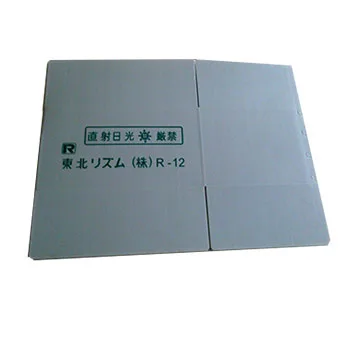
2. ESG Requirements from International Retailers: Major supermarkets and retailers (Walmart, Carrefour) are requiring suppliers to reduce single-use plastic. If you want to sell through these channels, Danpla will become the minimum standard.
3. Investment in Tracking Technology: IoT-enabled asset tracking, RFID tags, and cycle management software are becoming standard. This helps businesses optimize box utilization (reduce losses) and automate return processes.
Danpla vs. Alternatives - Comparison
This comparison shows that Danpla has a clear advantage in long-term cost, flexibility, and reusability. The only weakness is the higher upfront cost, which is typically recovered within 6-12 months.
Guide to Choosing the Right Danpla for Your Business
Not all Danpla is the same. ICD Vietnam offers 3 main product lines.
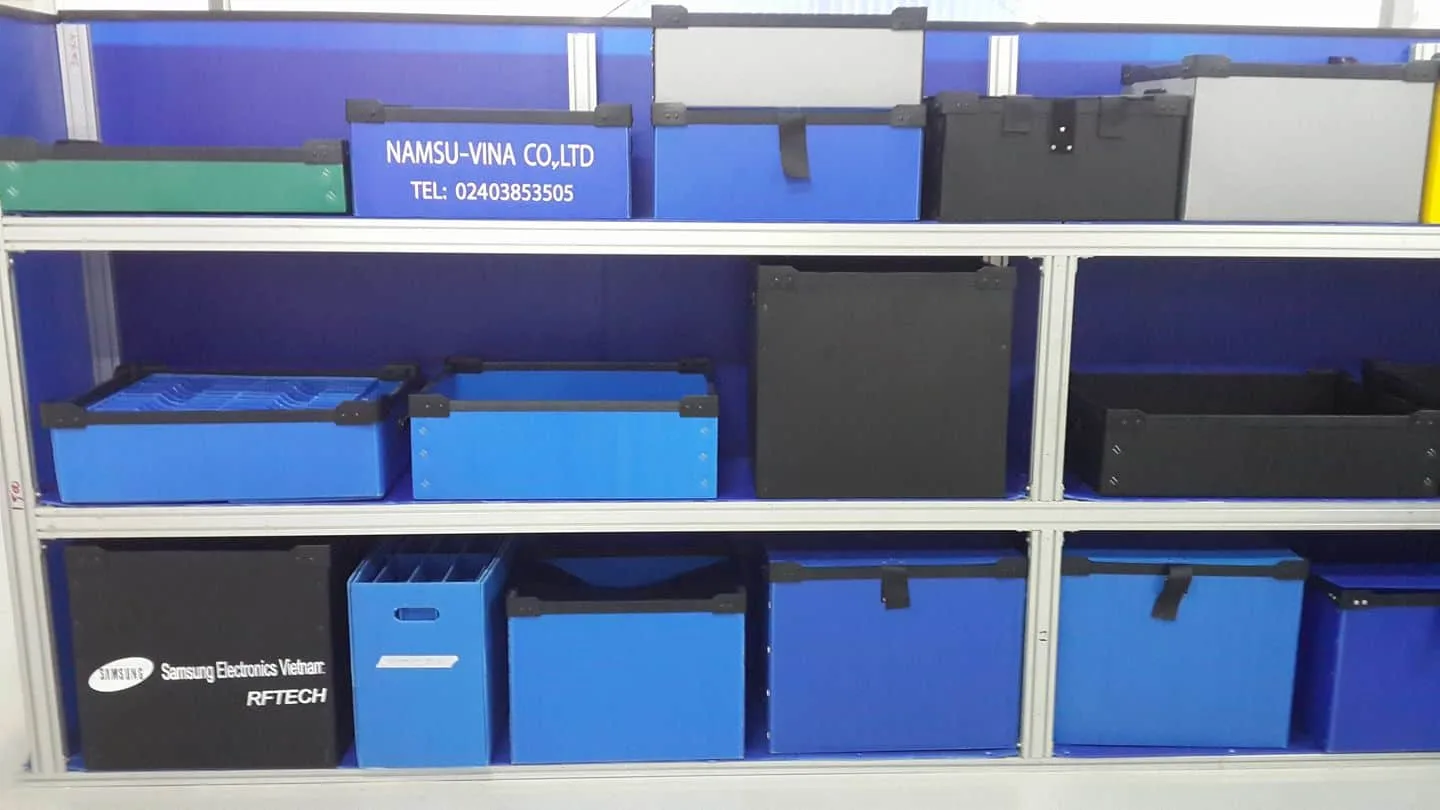
Standard Line (PP Danpla): For logistics and general cargo transport. Lowest price, moderate rigidity. Suitable for loads of 30-50 kg. Most businesses start with this type.
Anti-Static Line (ESD Danpla): For electronics, chips, and components. Special structure with conductive material to dissipate static. Priced 20-30% higher, but mandatory for the electronics industry.
Foldable Carton Line (Foldable Danpla): Carton-style foldable boxes that collapse to 1/4 of their original size. Excellent for reducing return freight costs on empty boxes. Widely used by modern logistics companies.
To choose the right type, you need to determine 3 factors: (1) maximum cargo weight, (2) frequency of impact or dropping, (3) anti-static and cleanliness requirements. ICD Vietnam’s consulting team can help you calculate the quantity and type needed. Warranty: 2 years.
Common Mistakes When Using Danpla - And How to Avoid Them
After 5 years working with Danpla, 80% of businesses encounter 3-4 similar issues.
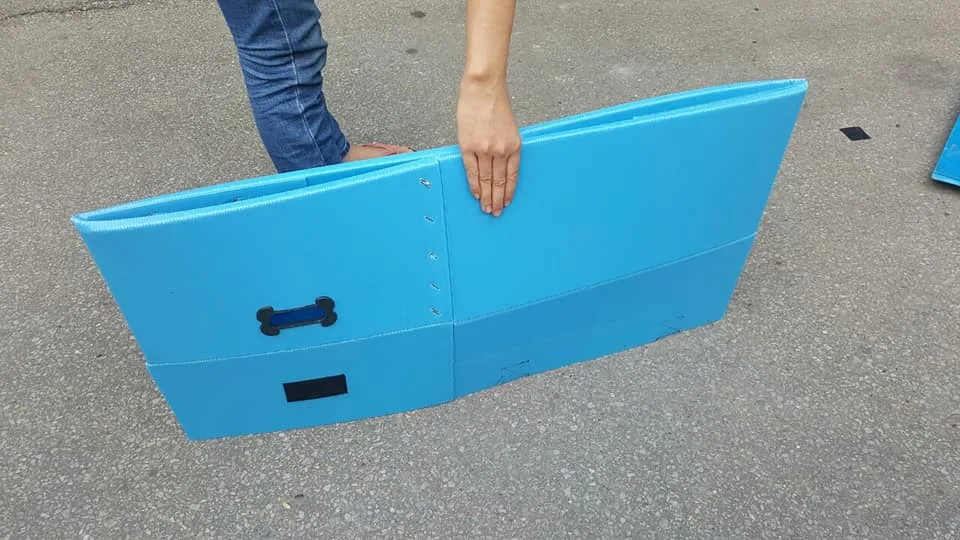
Mistake 1 - Not Calculating Cycle Time: Many companies buy Danpla boxes then leave them in the warehouse too long, or customers keep them without returning. Boxes only generate value when they are in circulation. Solution: plan a deposit system, set clear return timelines (2-7 days), and apply penalties for non-return.
Mistake 2 - Not Accounting for Cleaning Costs: Danpla needs to be wiped, sanitized, and dried before reuse. This cost is often overlooked. Requirements are even stricter for food-grade applications.
Mistake 3 - Choosing the Wrong Type for the Application: Using standard Danpla for static-sensitive products (ICs, chips) results in costly damage. Always consult your supplier before deciding.
Mistake 4 - Not Investing in Asset Management: Without tracking where boxes go and return from, losses of 5-10% are common. Using management software or RFID tracking can reduce losses to 1-2%.
FAQ - Frequently Asked Questions About Danpla Packaging
1. How is Danpla packaging different from ordinary cardboard?
Danpla is made from PP plastic, water-resistant, and reusable 50-100 times. Cardboard is made from paper, used 1-3 times, and deteriorates when wet. The cost per use of Danpla is 5-10 times lower than cardboard over the long term.
2. Should small businesses invest in Danpla packaging?
It is suitable if the business uses at least 200-300 boxes/month and needs frequent reuse. For smaller volumes, the upfront cost is difficult to recover within the first 12 months.
3. Can Danpla boxes handle heavy loads?
A 4mm Danpla box supports 30-50 kg depending on the structure. For higher loads, choose 5-6mm Danpla or reinforce the corners with an aluminum or steel frame.
4. Does ICD Vietnam make custom-size Danpla boxes?
Yes. ICD Vietnam manufactures Danpla boxes to customer drawings or existing samples. Sample production takes 3-5 days; mass production takes 7-15 days depending on quantity.
Conclusion - Danpla Is a Trend You Cannot Ignore
Within the next 5 years, Danpla will become standard for any logistics, FMCG, or manufacturing business that wants to remain competitive. The reasons are straightforward: 50-70% cost savings, improved brand image, 78% reduction in emissions, and alignment with global ESG requirements from customers.
If you have not started yet, now is the ideal time. The Vietnamese market is still in its early stage, and competition is not yet intense. Early adopters will have a clear competitive advantage - both in cost and brand image.
ICD Vietnam is ready to support you from ROI calculations and pilot programs through to full system deployment. Learn more about Danpla or view our Danpla box pricing.
Contact ICD Vietnam
ICD Vietnam Manufacturing & Industrial Co., Ltd.
North Vietnam: 0983 797 186 / 090 345 9186 / 090 5859 186
South Vietnam: 098 6784 186
Email: sales@icdvietnam.com.vn | Zalo: Chat on Zalo
Reference
Reusable and sustainable packaging use of corrugated plastic sheet - British Plastics Federation (BPF).