Table of Contents
- 1. What is the hydraulic pump on a high-lift pallet truck
- 2. Detailed construction of the hydraulic pump unit
- 3. Common faults and quick on-site repair guidance
- 4. Comparing the two main pump body types
- 5. Economic decision: repair or replace the pump unit
- 6. ICD’s genuine parts and pump-unit supply for high-lift stackers
- 7. Two pump configurations - choosing the wrong one means repeated repair bills
- 8. Faults specific to high-lift stackers not seen on low-lift trucks
- Related articles
- Frequently asked questions about the high-lift stacker hydraulic pump
Reviewed and updated by ICD - Week 37/2026
The hydraulic pump is the power core of every high-lift pallet truck (stacker): it takes the operator’s hand or foot force and converts it into oil pressure strong enough to raise loads of 1,000-2,000 kg to heights of 1.6 m, 2 m or 3 m. This guide covers how the pump is built, the three most common failures and how to fix them on the spot, how to tell cast-iron from welded-steel pumps, and when repairing makes economic sense versus replacing the pump unit outright.
Key points at a glance
- The hydraulic pump in a Xilin high-lift stacker converts mechanical force into oil pressure to raise loads of 1 to 2 tonnes.
- The five main components are the pump rod, piston rod, release valve assembly, seal kit, and return spring.
- The three most common faults are air ingress (no pressure), a stuck release valve (load drift), and a worn seal (oil leak).
- Choose a one-piece cast-iron pump body (as used on Xilin models) for superior durability and leak resistance.
- Replace the pump unit when the piston rod has deep scoring - seal replacement alone is only a temporary fix.
1. What is the hydraulic pump on a high-lift pallet truck
In the operating system of a high-lift pallet truck, the hydraulic pump is the primary drive mechanism. It receives the force applied by the operator through the hand lever or foot pedal, then converts that force into very high oil pressure to push the piston and lift loads weighing 1,000 kg to 2,000 kg up to common heights of 1.6 m, 2 m or 3 m.
The biggest difference between a high-lift stacker pump and the pump on a low-lift pallet truck is the stroke of the piston rod. Because the load must be raised to height, the piston rod in a high-lift stacker is much longer and is supported by a chain-drive system or a dedicated mast to maintain stability when the load is elevated.
2. Detailed construction of the hydraulic pump unit
Understanding the construction helps a technician diagnose faults quickly and source the correct replacement parts. A standard hydraulic pump unit consists of the following components.
Pump rod (small piston)
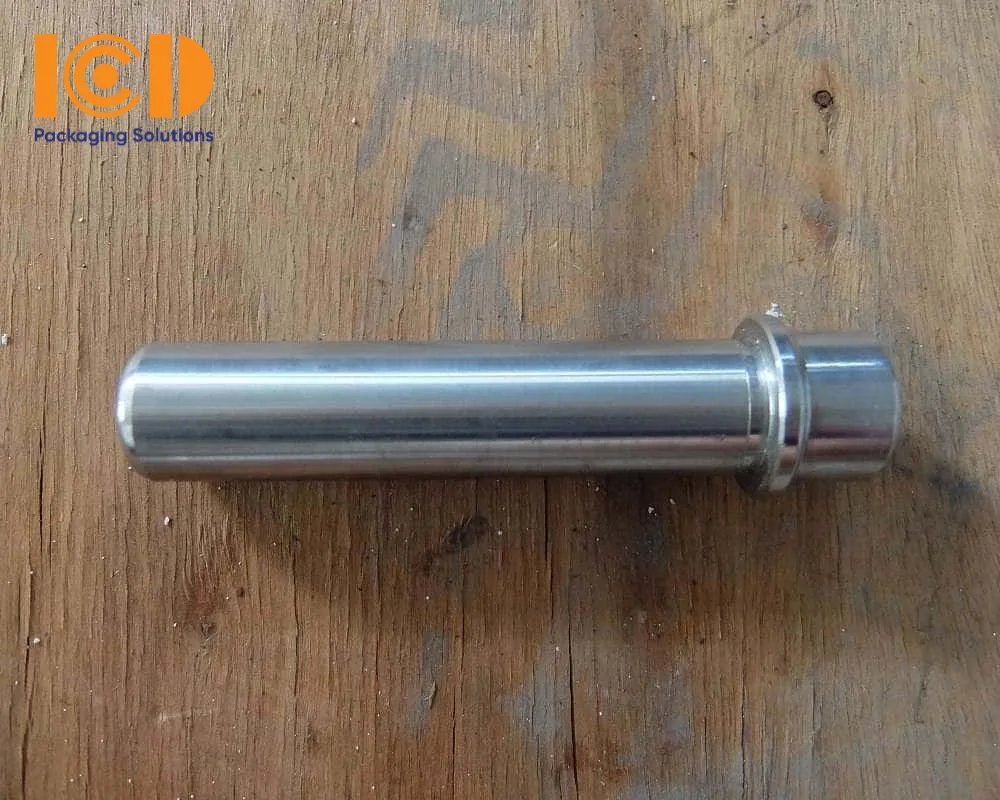
This component directly receives the lever or foot-pedal force. The pump rod has a small diameter so that it generates high pressure through the communicating-vessels principle.
Piston rod (large piston)
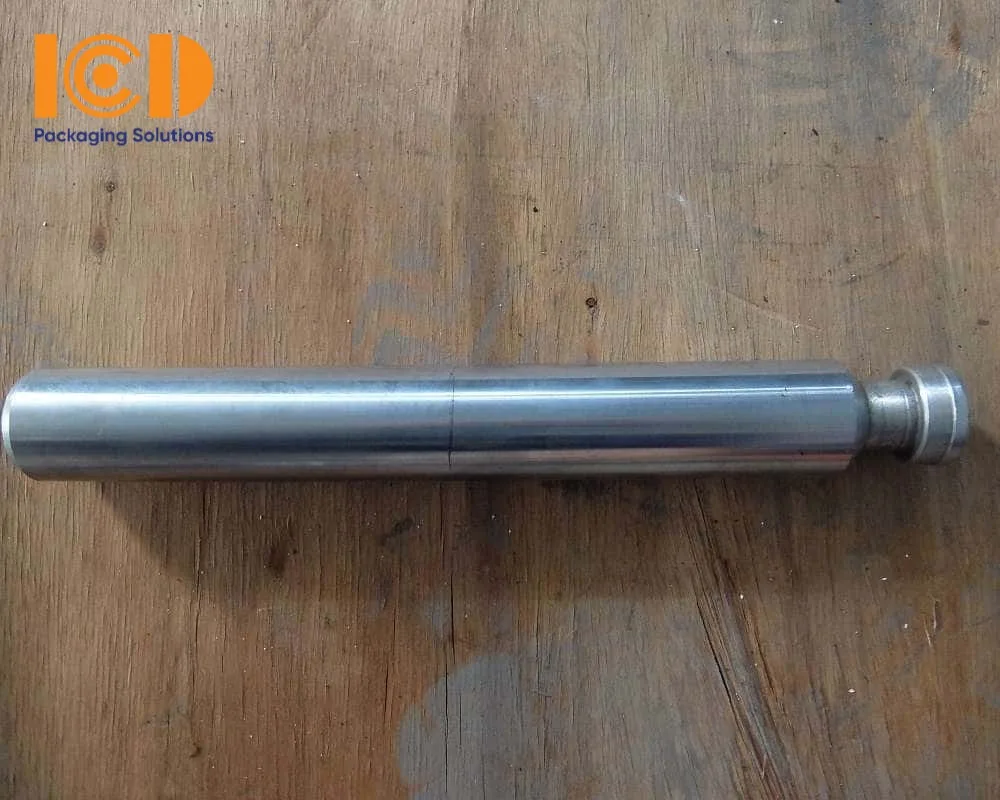
The component primarily responsible for pushing the fork carriage upward. The piston rod in a high-lift stacker requires an extremely smooth surface finish and a thick chrome plating to resist wear during continuous operation.
Release valve assembly
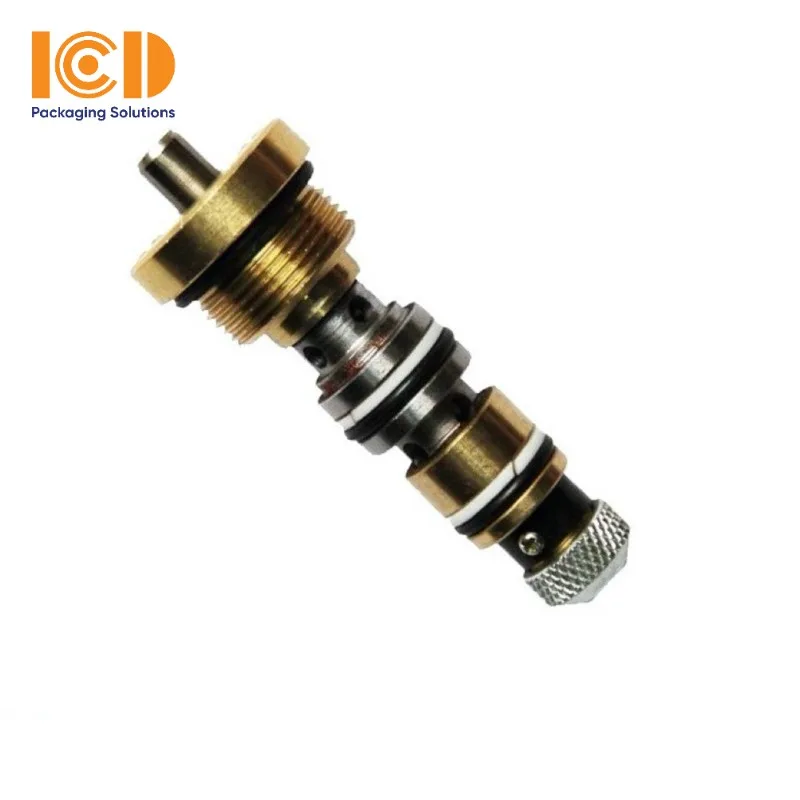
This valve controls the return flow of hydraulic oil to the reservoir. When the operator squeezes the release handle or presses the release pedal, oil from the pressurised chamber flows back and lowers the forks slowly and safely.
Seal kit
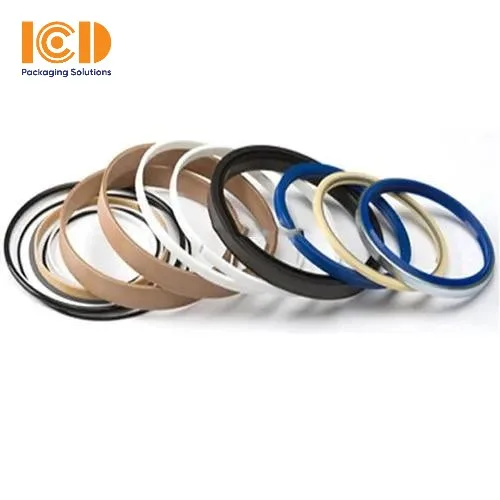
A set of high-pressure rubber seals that keeps oil inside the pump and prevents dirt from entering. The vast majority of oil-leak faults originate from aged or torn seals.
Return spring
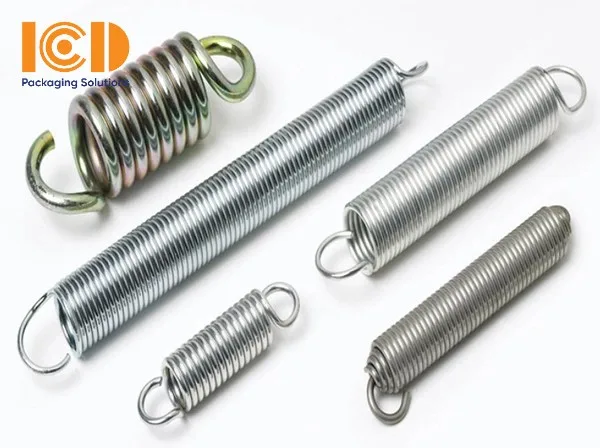
Returns the pump rod to its resting position after each stroke, ready for the next pumping cycle.
3. Common faults and quick on-site repair guidance
The following are real situations operators encounter regularly, and the fastest way to address each one in the warehouse.
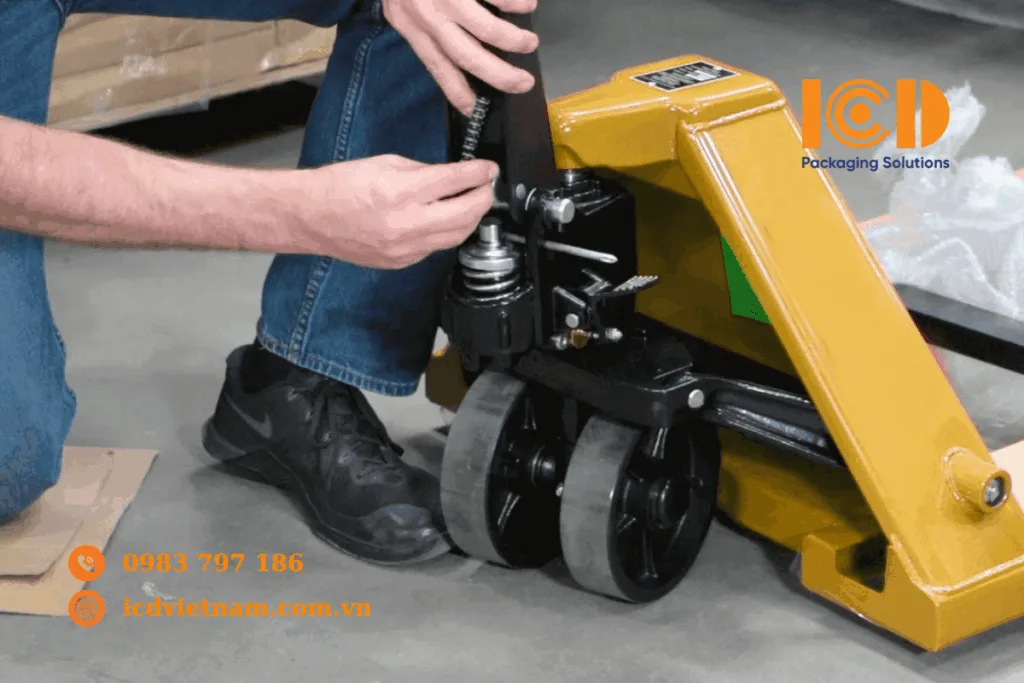
3.1. No lift or no pressure when pumping
This happens when the system cannot build pressure even after repeated strokes.
- Causes: Low hydraulic oil in the reservoir, a stuck-open release valve, or - most commonly - air trapped inside the system.
- Fix: Check and top up with the correct hydraulic oil. If air has entered, bleed the system by holding the release handle in the lowering position and pumping quickly 10-15 times to push the air out.
3.2. Load drifts down while raised
The truck lifts normally but the forks gradually lower on their own without the operator touching the release valve.
- Causes: A check valve stuck open by metal particles or sediment on the sealing face, or a worn internal seal allowing oil to bleed back into the reservoir.
- Fix: Remove the release valve and clean any metal shavings or sediment. If the problem continues, replace the seal kit.
3.3. Oil leaking from the top of the piston rod
Hydraulic oil seeps out and collects on the piston rod, dripping onto the floor.
- Causes: Aged seals or a scored piston-rod surface that cuts through the seals every time the rod moves.
- Fix: Replace the seal kit with the correct sizes specified by the manufacturer. Inspect the rod surface: if it is scratched, polish it or replace the rod to avoid destroying new seals quickly.
4. Comparing the two main pump body types
There are two main pump body types on the market. Knowing the difference helps buyers avoid a costly mistake.
Cast-iron pump body
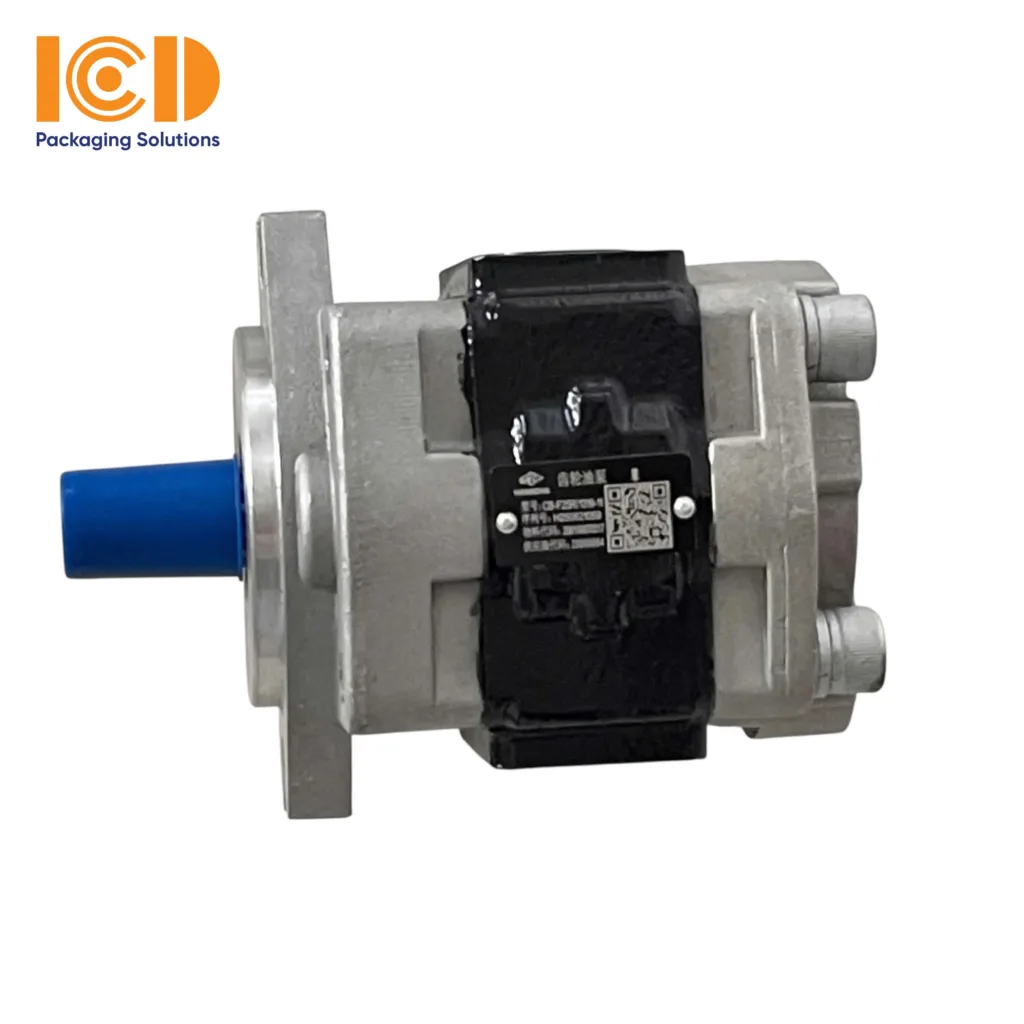
This type is cast as a single piece from load-bearing grey iron, giving it high wall thickness and rigidity. Premium stackers such as Xilin always use this type because of its absolute leak resistance and ability to handle intensive duty cycles. Cast-iron pumps have a significantly longer service life and are easy to maintain with individual replacement parts.
Welded-steel pump body
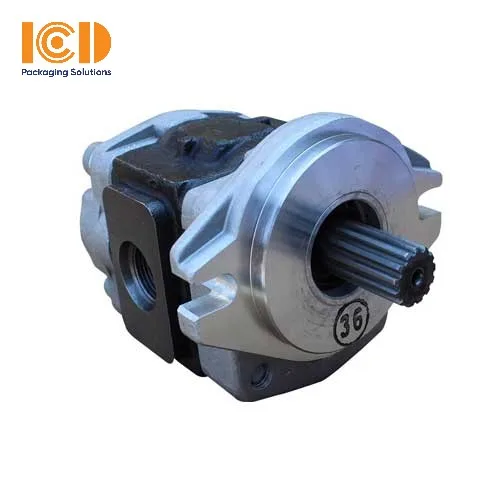
Made by welding steel plates together. Its only advantages are lower cost and lighter weight. After roughly 1-2 years of use, the welds tend to crack or deform under repeated high pressure, causing oil leaks that cannot be fully repaired.
5. Economic decision: repair or replace the pump unit
Whether to repair or replace depends heavily on the actual condition of the pump unit.
When to repair
If the pump unit has only a failed seal, low oil, or a dirty valve, and the piston rod is still smooth and scratch-free, repair is the better option. Cost is typically in the range of Liên hệ báo giá and can return the truck to full working order.
When to replace the pump unit
When the piston rod is corroded, deeply scored, or the cast-iron body is cracked, replacing the seal alone is only a temporary fix. Fitting a genuine replacement pump unit guarantees full safety for both operator and load, and typically comes with a 6-12 month warranty, giving the business reliable long-term operation.
6. ICD’s genuine parts and pump-unit supply for high-lift stackers
ICD Viet Nam is the leading supplier of Xilin high-lift stackers and genuine spare parts in Vietnam. We understand that every hour of downtime costs money, so the ICD warehouse always stocks:
- Complete hydraulic pump units for high-lift stackers rated at 1 tonne, 1.5 tonnes and 2 tonnes.
- Individual parts: piston rods, pump rods, and seal kits in Xilin standard sizes.
- High-quality specialist hydraulic oil.
With an experienced technical team, ICD provides on-site repair service in Hanoi, Ho Chi Minh City, and surrounding provinces, with a commitment to resolving every fault in the shortest time possible.
7. Two pump configurations - choosing the wrong one means repeated repair bills
- Single-action pump configuration:
- One vertical cylinder, lever plus pump handle
- Lift height 1.6-2 m, capacity 0.5-1.5 t
- Advantages: lower cost (15-22 million VND), fewer failure points, easy to service
- Disadvantage: slow pumping - approximately 80-100 strokes to raise a full load to 2 m
- Double-action pump with drive system:
- Two parallel pistons or a telescopic multi-stage cylinder
- Lift height 2.5-3 m, capacity up to 2 t
- Advantages: faster pumping - approximately 40 strokes; safe at heights above 2 m
- Disadvantage: 30-40% more expensive (28-35 million VND), more seals - maintenance costs are roughly 50% higher
8. Faults specific to high-lift stackers not seen on low-lift trucks
- Load drifts down before the operator releases: The check valve is stuck open by sediment - a characteristic fault of high-lift stackers because their long cylinders allow sediment to accumulate at the far end. Clean the valve every 6 months.
- Pump effort suddenly increases mid-stroke: A telescopic cylinder has scoring or pitting at a stage joint. The repair requires replacing the entire cylinder assembly (8-12 million VND) - the stage cannot be repaired individually.
- Forks tilt when raised above 2 m: One of the two cylinders has a failed seal on its own side. Measure the pressure of each cylinder separately to identify which side has failed. Most online guides do not explain how to distinguish this.
Related articles
| What is a high-lift pallet truck (stacker)? | Hydraulic pump of a low-lift pallet truck: construction and repair | Xilin SDJ1000 high-lift stacker: full review |
Frequently asked questions about the high-lift stacker hydraulic pump
1. What does the hydraulic pump do on a high-lift pallet truck?
It converts the operator’s manual force on the handle or foot pedal into high oil pressure that pushes the piston rod upward, raising loads of 1,000-2,000 kg to heights of 1.6-3 m depending on the model.
2. Why does a high-lift stacker pump differ from a low-lift pallet truck pump?
The main difference is the piston-rod stroke length. A high-lift stacker needs a much longer rod and uses a chain-drive system or mast to maintain stability at height. Low-lift trucks only raise the load a few centimetres off the floor.
3. What is the price range of a pump unit for a high-lift stacker?
A seal-kit repair costs roughly Liên hệ báo giá. A complete genuine replacement pump unit for 1-2 t Xilin stackers is typically available from ICD - contact us for a current price based on the model.
4. How do I know whether to repair or replace the pump unit?
If the piston rod surface is still smooth and scratch-free, repairing the seals and cleaning the valve is sufficient. If the rod is deeply scored, corroded, or the pump body is cracked, replace the entire unit to ensure safety and obtain a manufacturer warranty.
5. What hydraulic oil should I use in a high-lift stacker?
Use a specialist hydraulic oil recommended by the manufacturer - typically ISO VG 46 hydraulic oil. Do not mix oil grades, and check and top up the level regularly to avoid air entering the system.
6. Why is a cast-iron pump body better than a welded-steel one?
A cast-iron body is moulded as a single solid piece, so it has no welds that can crack under pressure. It resists oil leaks far better and has a significantly longer service life than a welded-steel body, which tends to fail at its welds after 1-2 years of intensive use.
7. Does ICD supply genuine hydraulic pump parts for Xilin stackers?
Yes. ICD Viet Nam is the authorised distributor of Xilin (Ningbo Ruyi) stackers in Vietnam and keeps a ready stock of complete pump units, piston rods, pump rods, seal kits, and hydraulic oil for 1 t, 1.5 t and 2 t models. On-site repair service is available in Hanoi and Ho Chi Minh City.
ICD Viet Nam Industrial Production Company Limited
North: Floor 3, Thang Long A1 Building, Bau Hamlet, Thien Loc Commune, Hanoi - 0983 797 186 / 090 345 9186 / 090 5859 186
South: 551/212 Le Van Khuong, Tan Thoi Hiep, District 12, Ho Chi Minh City - 098 6784 186
Email: sales@icdvietnam.com.vn · Zalo: Chat on Zalo now
Tell us your stacker model and fault symptoms - our technical team will diagnose the problem and quote for genuine parts or on-site repair the same day.