Author: Le Van Thang, CEO of ICD Vietnam – 15 years in warehouse handling equipment.
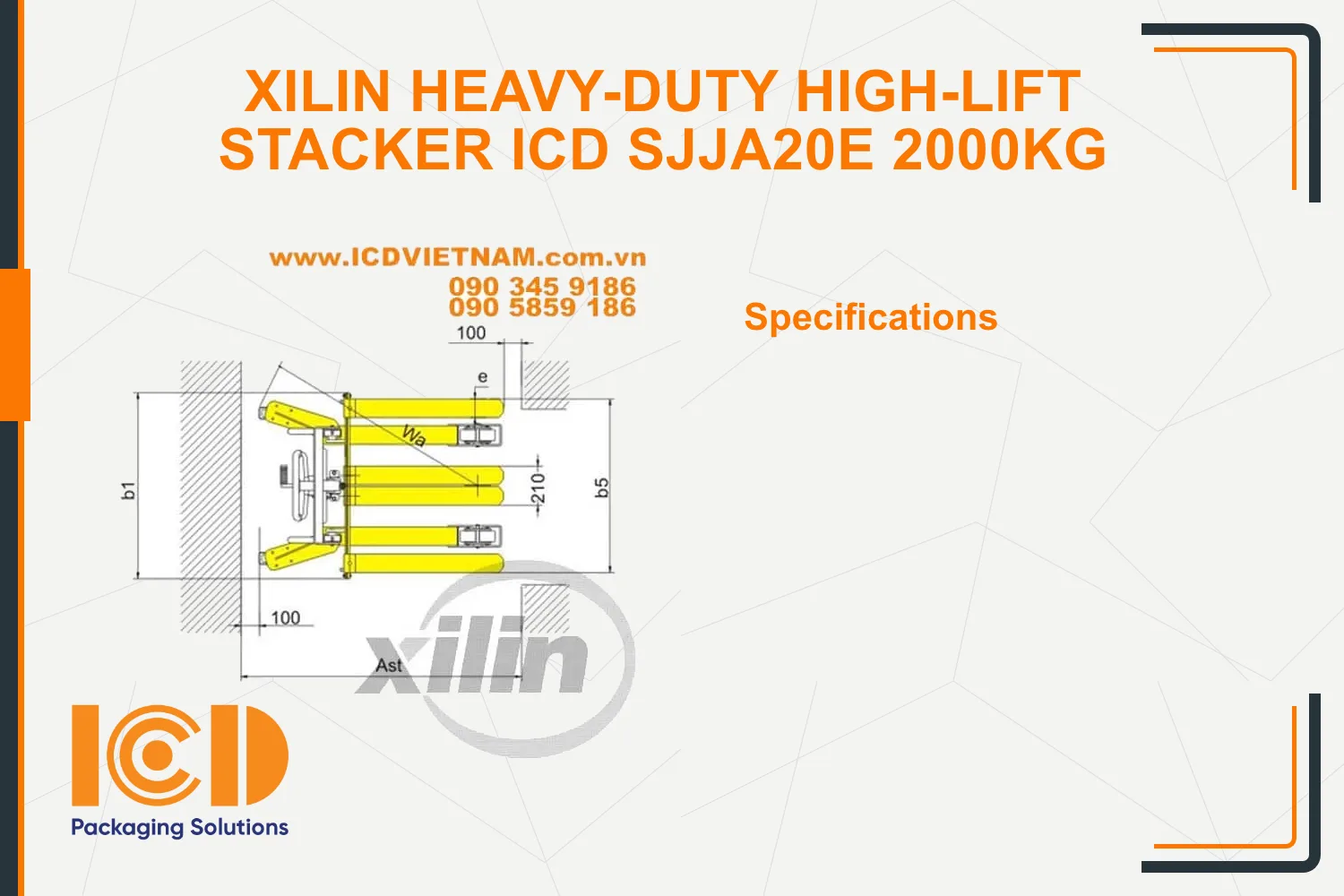
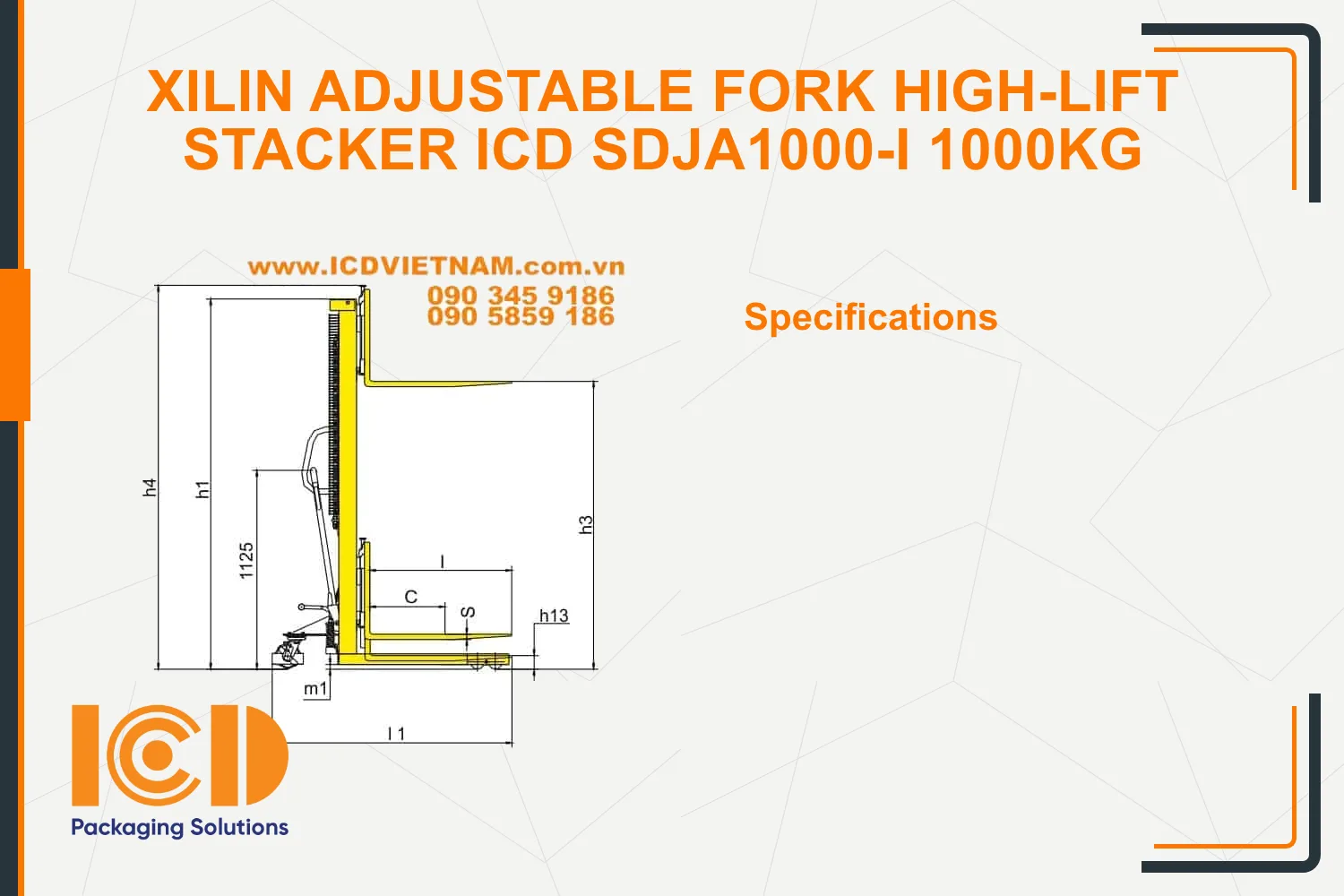
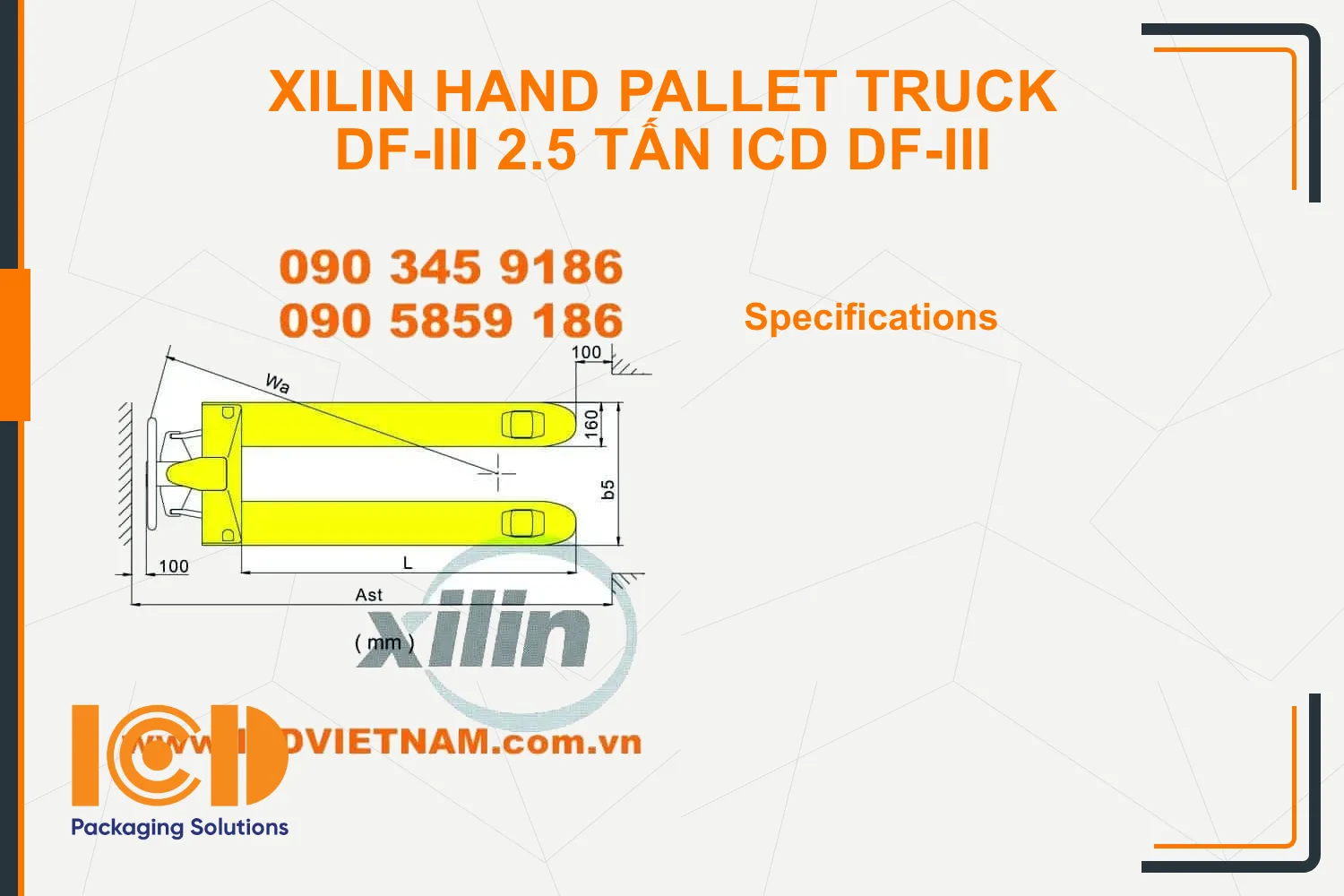
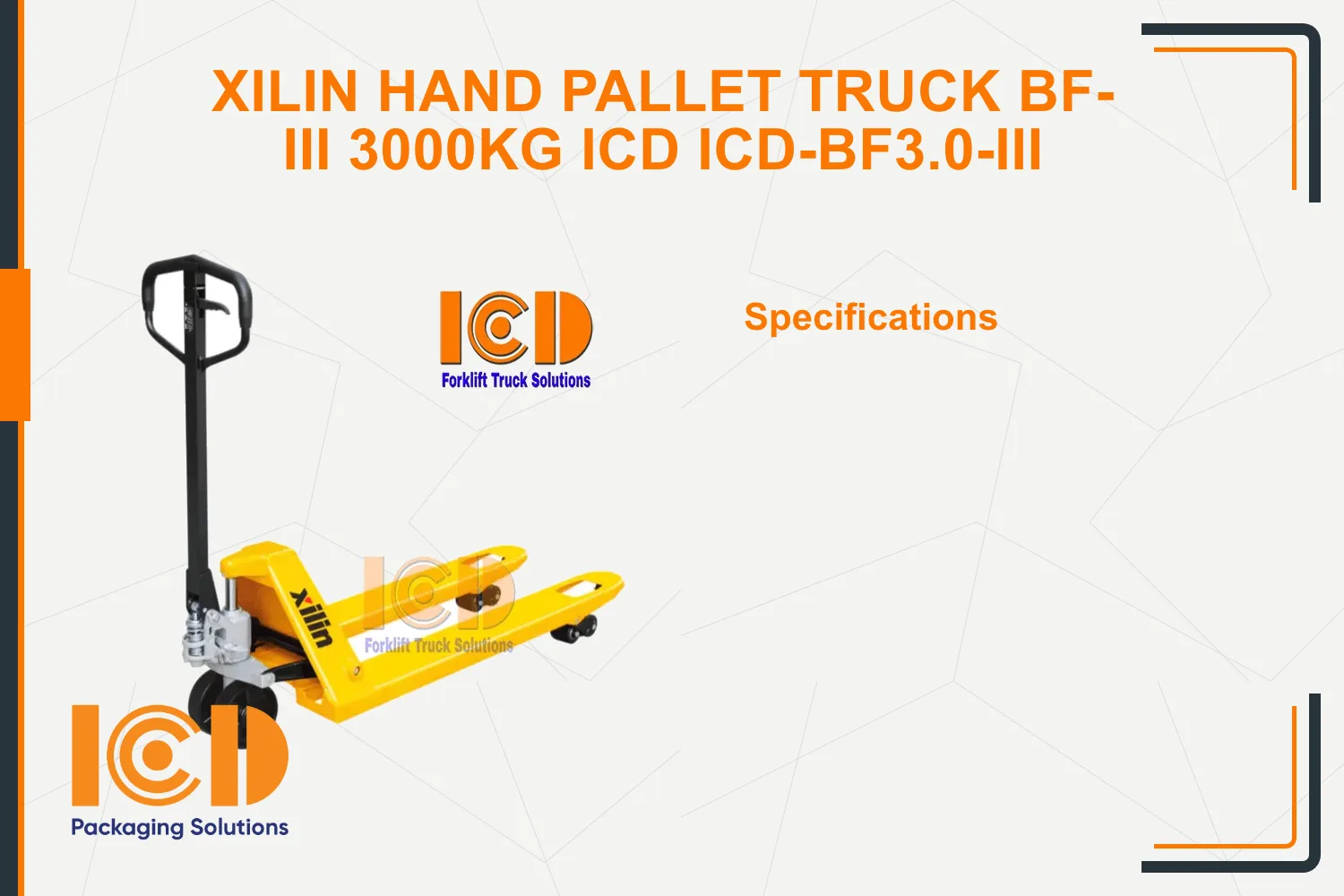
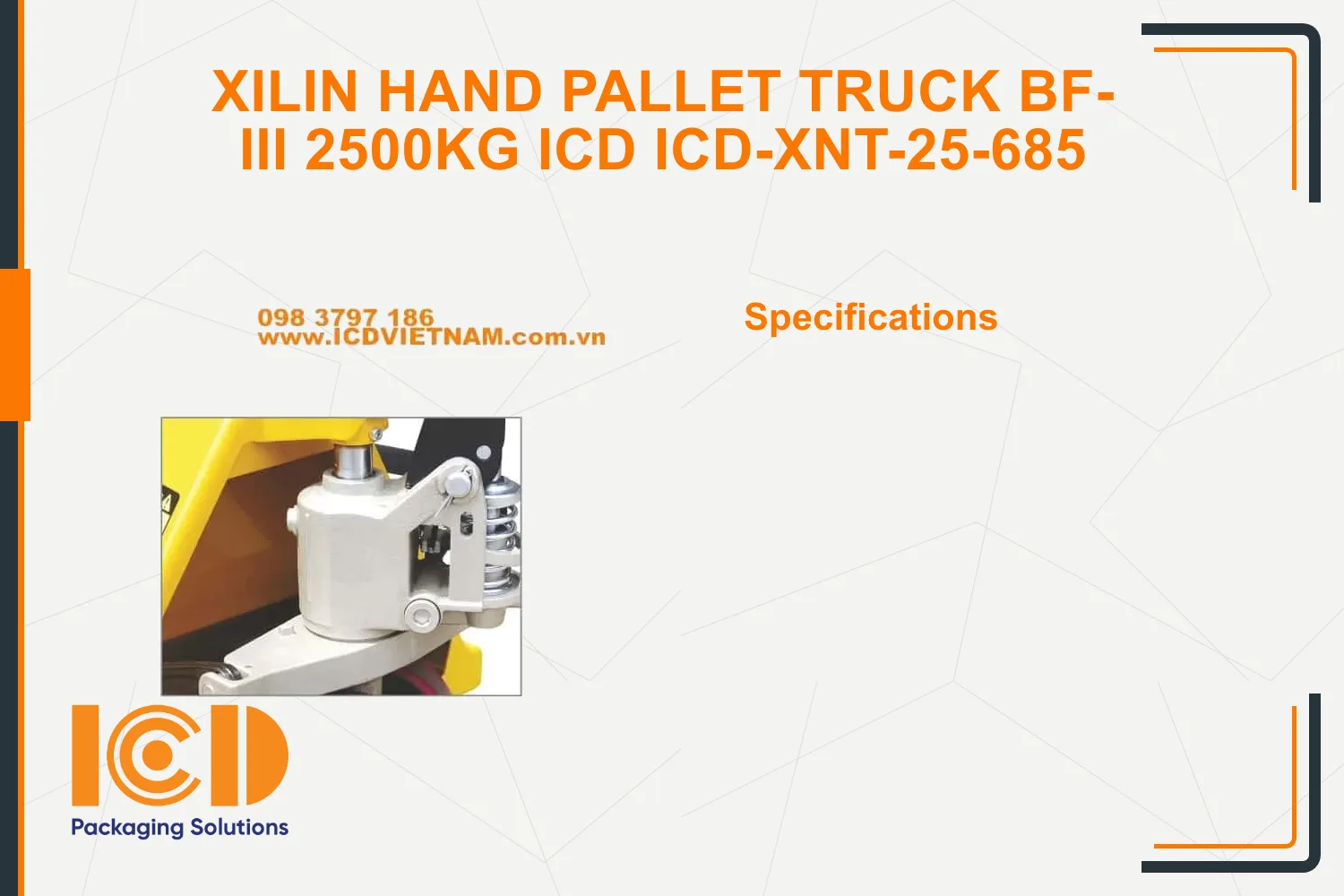
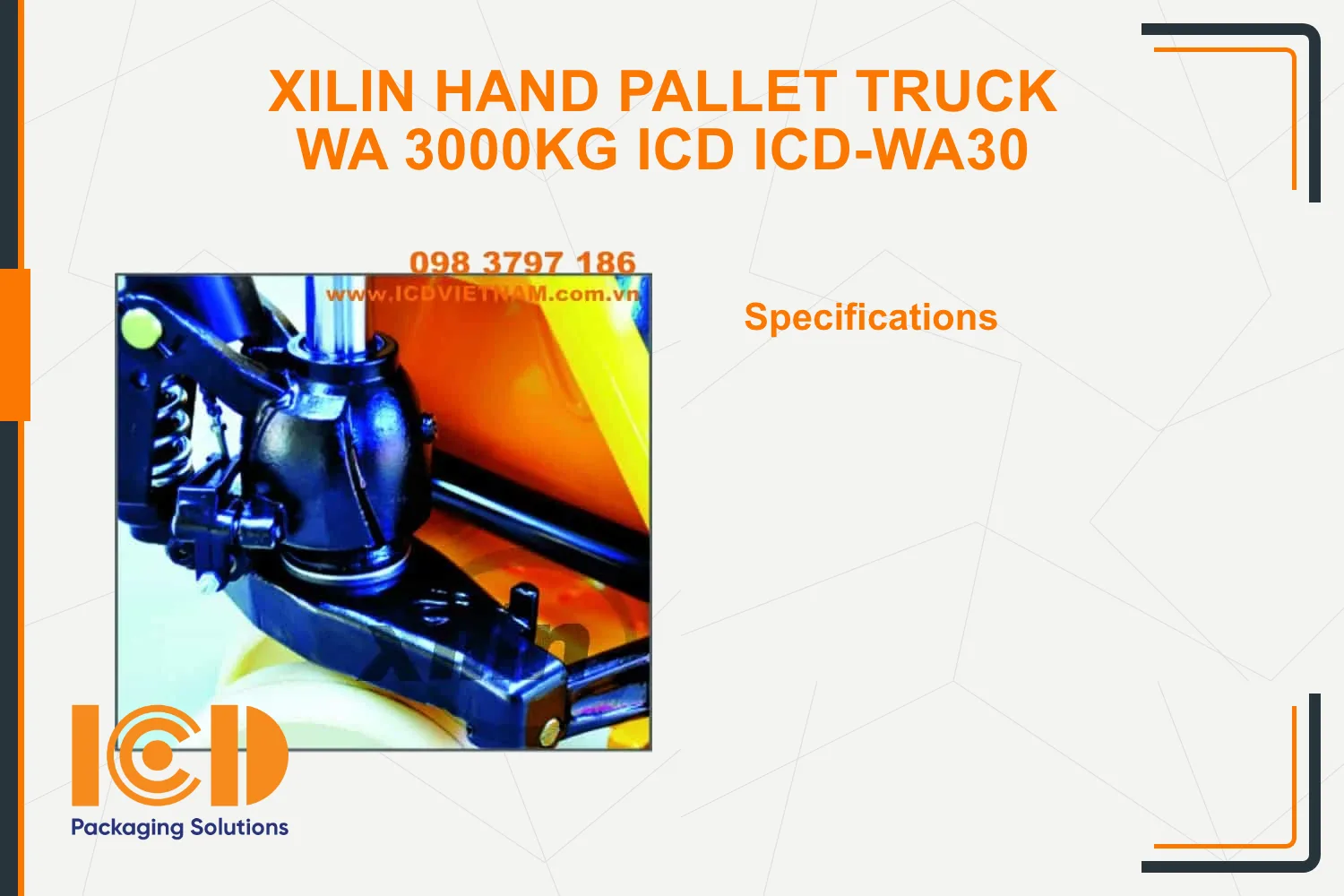
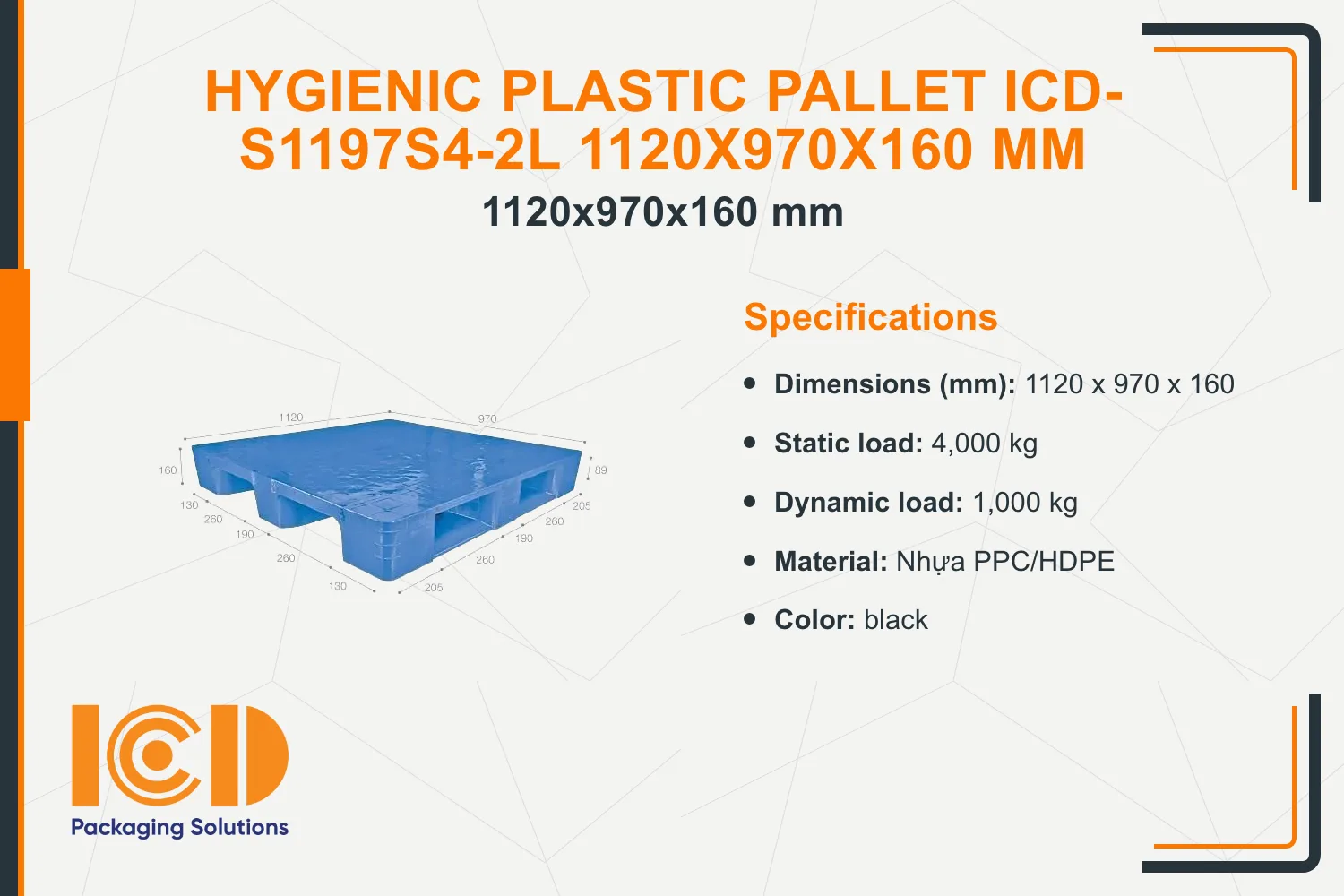
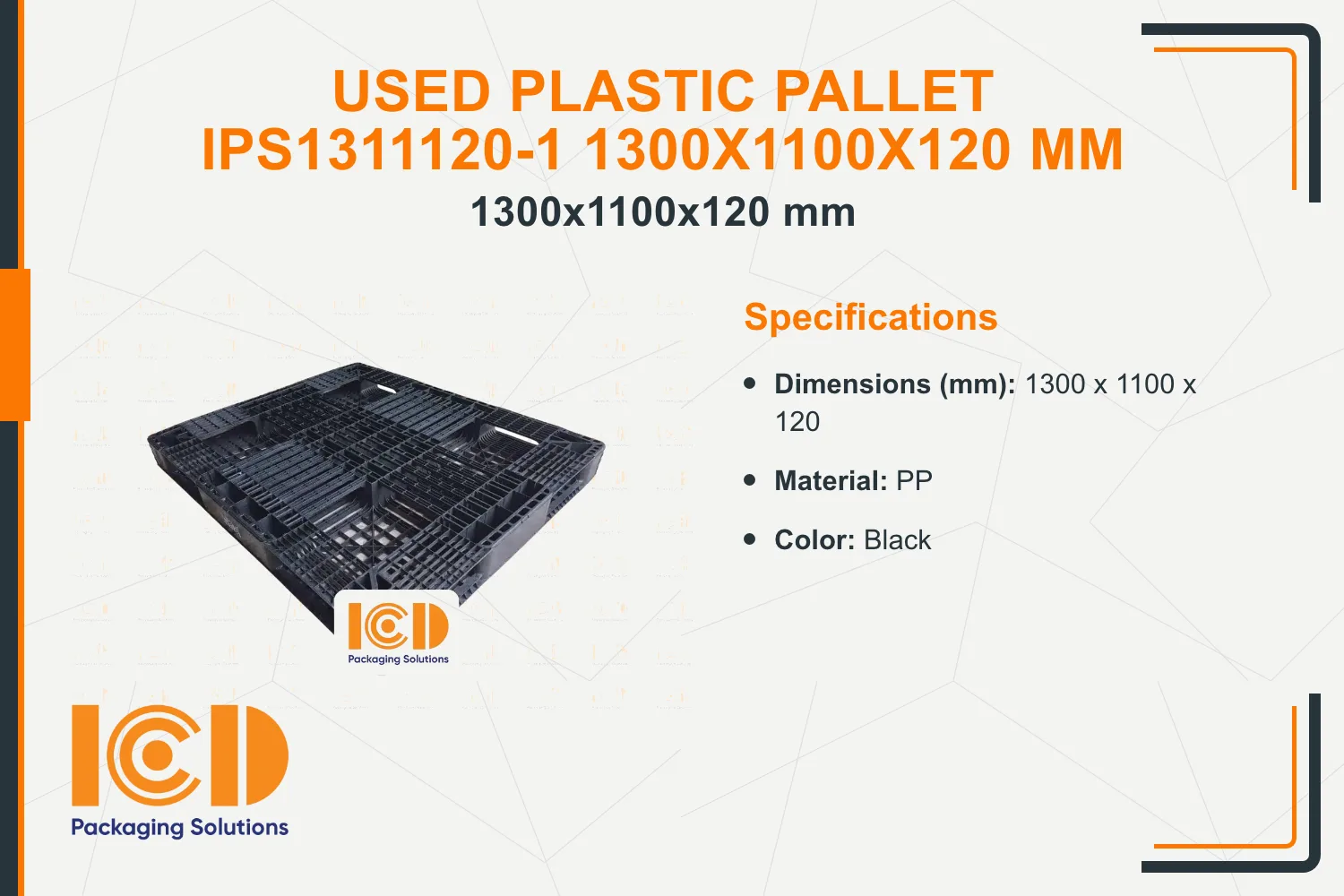
A hand pallet truck is the foundation tool of every warehouse – the lowest-cost way to lift a loaded pallet off the floor and move it. ICD distributes the full Xilin hand-truck family in three groups: low-profile trucks (2-5 tonne) for horizontal moves, high-lift stackers (1.6-5 m) for racking, and electric-assist trucks that remove the manual pumping. All built from robot-welded high-strength steel with PU or nylon wheels and a genuine 2-year warranty. Move loads onto plastic pallets or step up to electric forklifts for multi-shift work.
Choose a hand pallet truck when:
- Horizontal pallet moves: a low-profile truck is the cheapest, most reliable way to shift 2-3 tonne pallets.
- Mid-size warehouse, occasional stacking: a high-lift stacker reaches racking without the cost of an electric forklift.
- Tight aisles, no power source: compact and manual, it works where engine forklifts cannot reach.
1. The three hand-truck groups
Each group solves a distinct job in the supply chain. Pick by what you actually do with the pallet:
| Low-Profile Hand Pallet Trucks | High-Lift Hand Pallet Trucks | Used Hand Pallet Trucks |
Quick decision framework:
- Move pallets across a flat floor – low-profile trucks (BF-III/DF-III), 2-5 tonne, 200 mm lift.
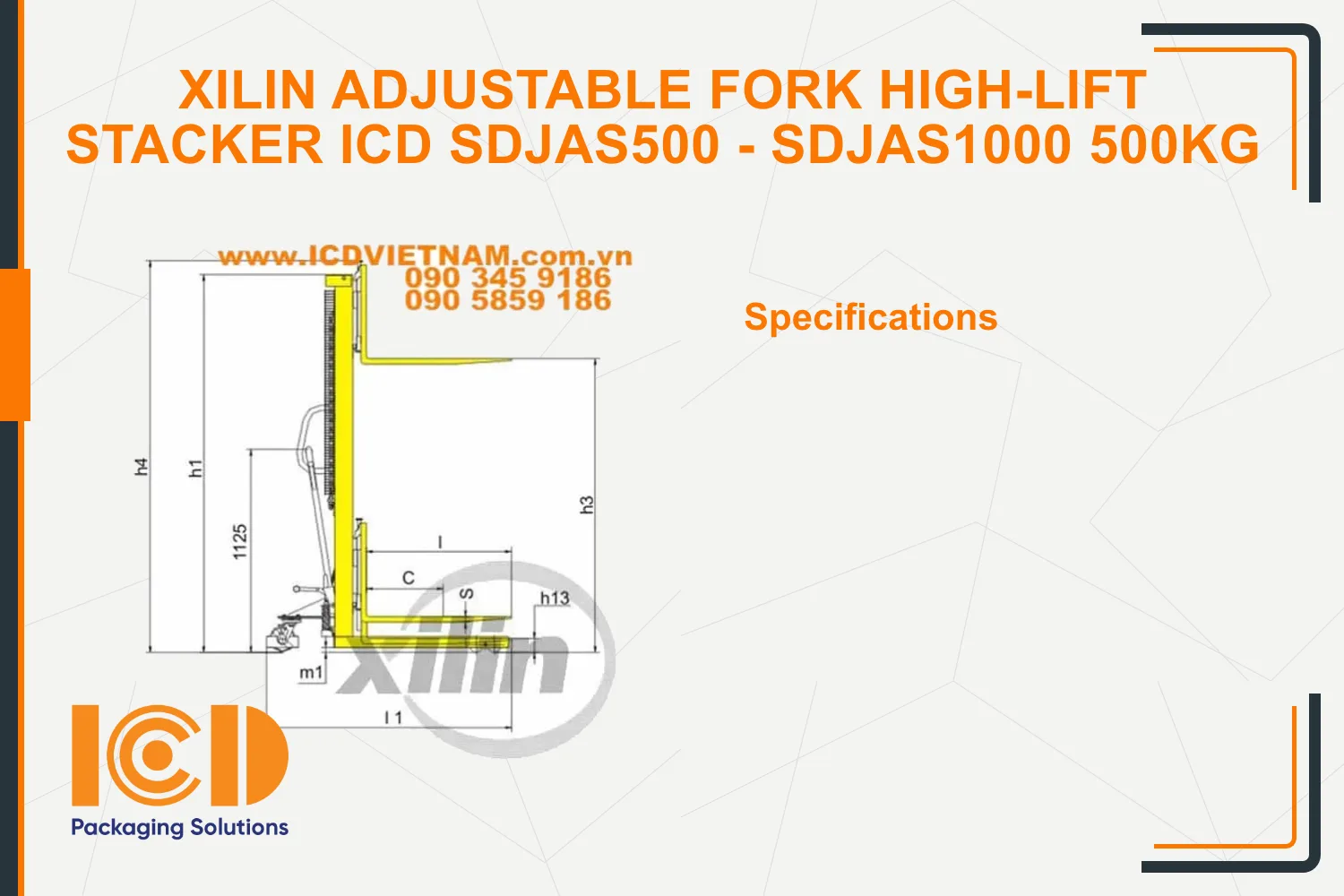
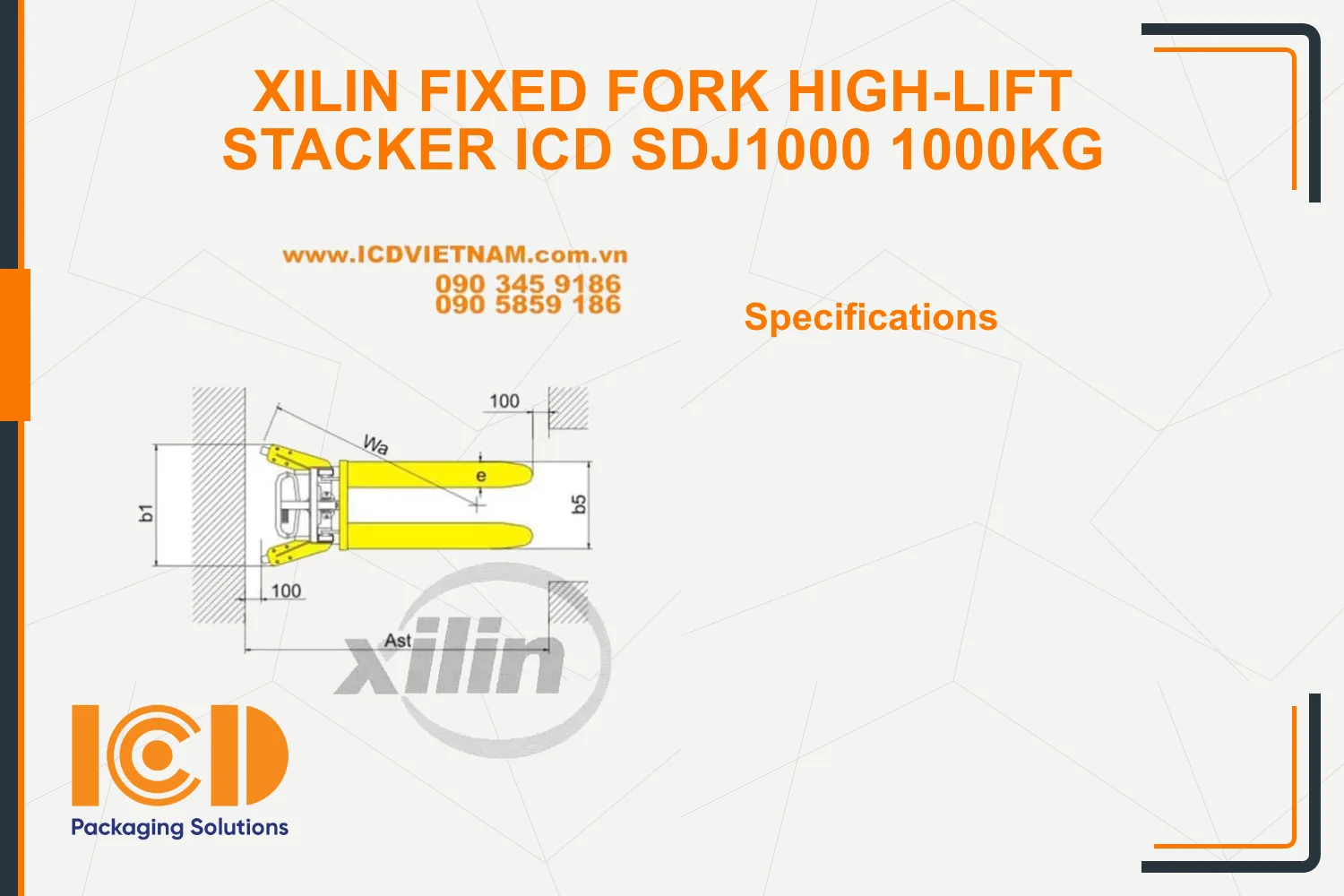
- Stack onto racking 1.6-5 m – high-lift stackers (SDJ series), 500-1,000 kg.
- Tight budget or seasonal demand – inspected used trucks, saving 30-50%.
2. How the hydraulic system works – and what wears
Every hand pallet truck runs on one principle: hydraulic pressure transmitted through fluid. When the operator pumps the handle, hydraulic oil is forced through a one-way valve into the piston chamber. Rising oil pressure pushes the piston up, raising the fork frame and the load with it. To lower, squeezing the release lever opens the discharge valve, oil flows back to the reservoir, and the forks descend in a controlled drop.
The two parts that decide a truck’s life are the pump-and-piston assembly and the wheels. A hard-chrome piston rod with good seals resists oil leaks for years; a poor chrome finish lets the seal wear and the truck slowly loses lift. Wheels are matched to the floor: PU (polyurethane) on a steel core runs quietly on epoxy floors, while nylon carries higher loads and resists chemicals on raw concrete. Choosing the wrong wheel – soft PU on rough concrete, or hard nylon on a polished floor – is the most common cause of premature wear. Below, each sub-line is sized to its specific job.
3. Frequently asked questions
1. Low-profile, high-lift or electric?
Low-profile for horizontal moves; high-lift stacker to put loads on racking; electric-assist to remove manual pumping in high-frequency work.
2. PU or nylon wheels?
PU runs quietly on epoxy floors; nylon carries higher loads and resists chemicals on raw concrete. We match the wheel to your floor.
3. What capacity do I need?
Most warehouses use 2-3 tonne; containers and heavy loads use 3-5 tonne. Capacity should exceed your heaviest loaded pallet with margin.
4. What warranty applies?
A genuine 2-year Xilin warranty with seal kits, wheels and pumps stocked in Hanoi and Ho Chi Minh City.
4. Related articles
| How to Use a Pallet Jack Correctly | Xilin BF-III vs DF-III | Pallet Jack Hydraulic System |
5. Contact and hand pallet truck quotes
ICD Vietnam Industrial Manufacturing Co., Ltd
Northern Vietnam: Floor 3, Thang Long A1 Building, Thon Bau, Thien Loc, Hanoi – 0983 797 186 / 090 345 9186 / 090 5859 186
Southern Vietnam: 551/212 Le Van Khuong, Tan Thoi Hiep, District 12, Ho Chi Minh City – 098 6784 186
Email: sales@icdvietnam.com.vn
Zalo: Chat on Zalo
Genuine Xilin – 2-year warranty – Parts in Hanoi & HCMC – CO/CQ certificates