

Table of Contents
- How to choose a plastic bucket for a mouse trap
- What tools and bait do you need to prepare?
- 3 ways to make a mouse trap from a plastic bucket
- Where should you place the trap and how long until you catch a rodent?
- How do you deal with a caught rodent safely?
- Why prefer a plastic bucket trap to rodenticide?
- Frequently asked questions
- What is the best bait for trapping rodents?
- Why is my trap not catching any rodents?
- How do I safely handle a rodent once caught?
- Should I fill the bucket with water for a mouse trap?
- How is a rat trap made from a plastic bucket different from a mouse trap?
- How long does it take to catch a rodent?
- Can electricity be used to kill rodents?
- Contact ICD Vietnam
- References
Reviewed and updated by ICD - Week 43/2026
The simplest way to make a mouse trap from a plastic bucket is to use a smooth-walled bucket 40 - 50 cm tall for house mice (60 - 80 cm for rats), balance a spinning can or a see-saw piece of cardboard baited with peanut butter across the rim, and lean a wooden ramp up to the edge. A mouse that steps out for the bait loses its balance, drops to the bottom of the bucket and cannot climb out. The trap uses no chemicals, so it is safer than rodenticide in a home with small children and pets, provided you check it every morning and deal with the catch properly.
An old plastic bucket at home, washed clean and with smooth walls, is enough to make all three kinds of trap in this article. The sections below follow the order of the job: choose the bucket by rodent species, prepare bait and tools, build one of the three traps, place it in the right spot, then handle the catch and clean the trap following health authority guidance. The last section explains when rodenticide may be used and which kinds are banned in Vietnam.
How to choose a plastic bucket for a mouse trap
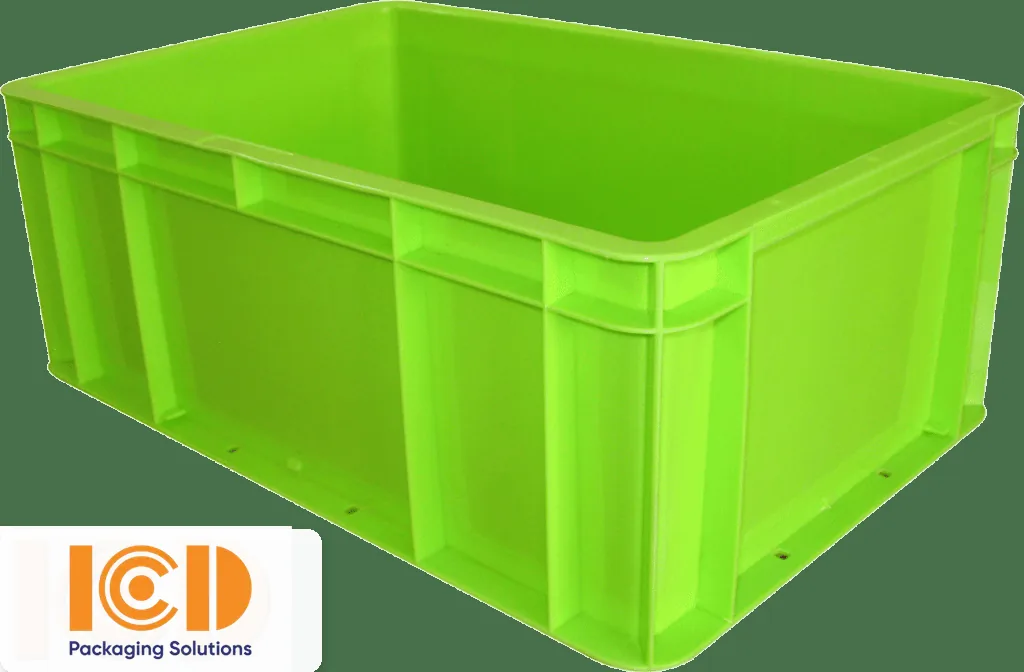
Choose by the inside height and the smoothness of the wall, not by capacity: the bucket must be clearly taller than the jump height of the rodent you have, and the inner surface must have no ridges or scratches to grip. A house mouse jumps about 30 cm, so a 40 - 50 cm bucket is enough; a rat can leap about 60 - 90 cm, so it needs a 60 - 80 cm bucket with thick walls so it cannot gnaw through. Before you start, measure the inside height, because many ordinary buckets and paint pails are shorter than this.
Rigid HDPE or PP with a smooth inner surface is a good choice; round or rectangular buckets both work. If you reuse an old paint pail, wash it thoroughly with soap and water and let it dry completely, because leftover paint or chemical smells make rodents stay away. The table below summarises the choice for the two species most often found in homes, drawing on pest management material from US universities:
| Rodent | Vertical jump | Bucket to choose | How to recognise it |
|---|---|---|---|
| House mouse | About 30 cm | 40 - 50 cm tall, smooth walls | Gnaw marks about 2 mm wide, small droppings |
| Norway rat | About 60 - 90 cm | 60 - 80 cm tall, thick smooth walls | Gnaw marks about 4 mm wide, much larger droppings |
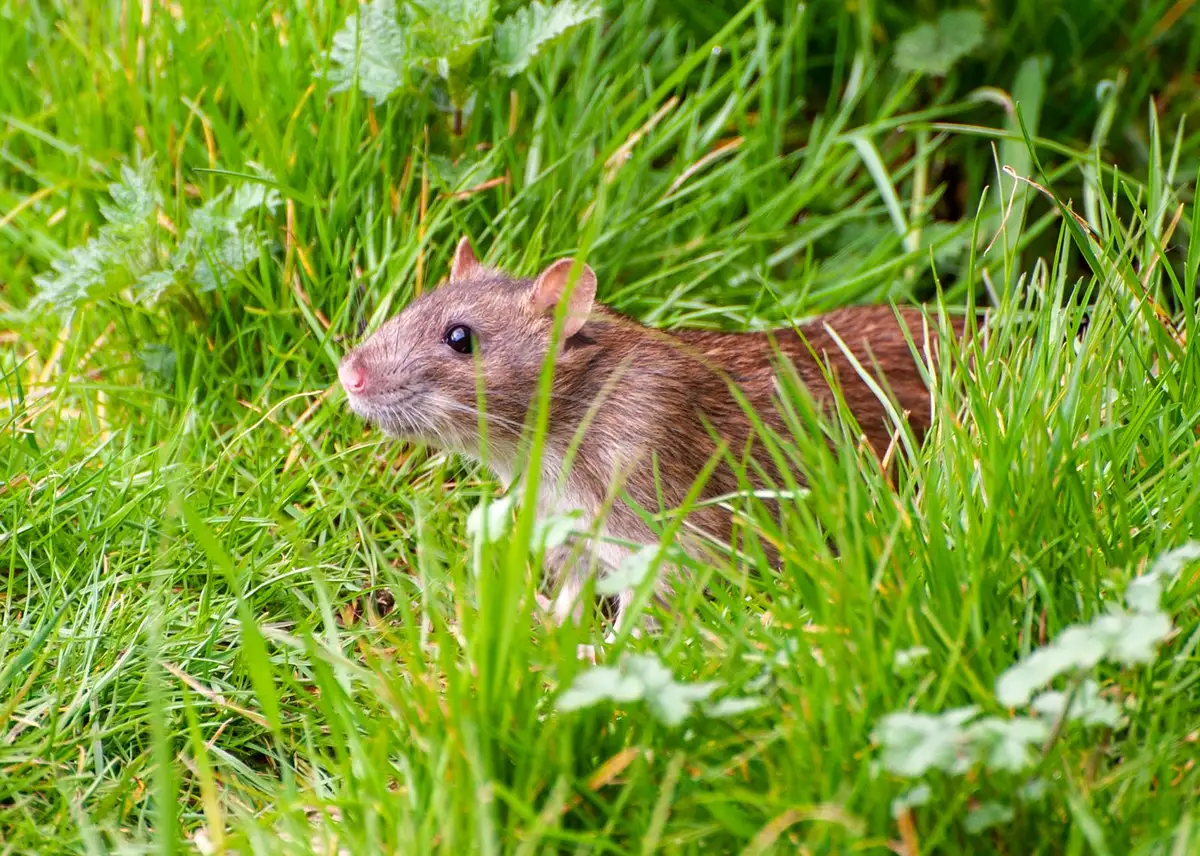
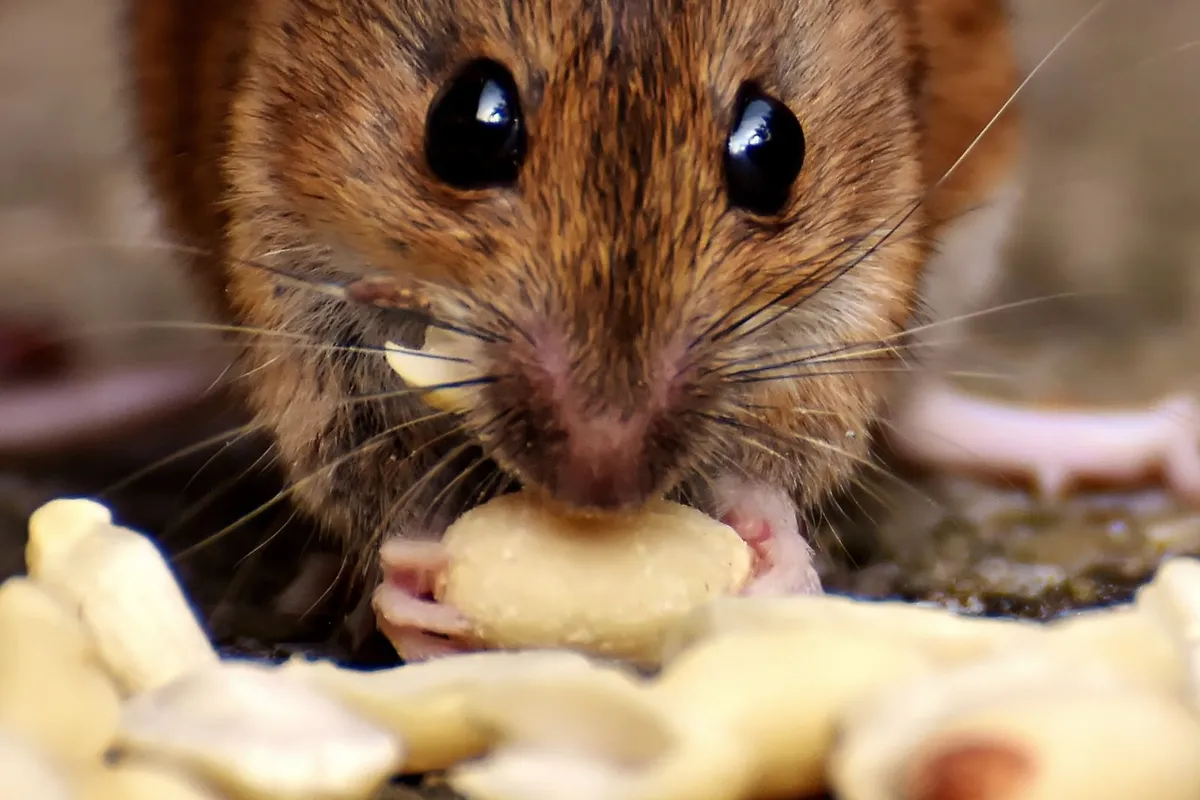
To find out which species you have, look at the tooth marks on gnawed items: according to UC IPM, a Norway rat leaves marks about 4 mm wide, while a house mouse leaves only about 2 mm. The Norway rat is big and strong and can gnaw through wood and thin plastic, so with this species do not economise on the bucket.
What tools and bait do you need to prepare?
Besides the bucket, you only need a few things already at home and an aromatic, sticky bait such as peanut butter. The list of things to prepare:
- A utility knife, scissors and a drill or awl to make holes.
- A length of stiff straight wire, longer than the diameter of the bucket mouth.
- An empty soft drink can or plastic bottle, and a piece of stiff cardboard.
- Tape or staples to fix the parts in place.
- A wooden plank or piece of cardboard long enough to span from the floor to the bucket rim.
- Rubber gloves for building the trap, placing bait and handling the rodent.
Peanut butter is usually the best bait because it is aromatic and sticky, so the rodent has to stay on the can or cardboard a long time to eat. Roasted peanuts crushed fine or cheese also work. Wear gloves when placing bait so you do not leave a human scent, and replace the bait every 1 - 2 days so it keeps its smell.
3 ways to make a mouse trap from a plastic bucket
The three traps below share the same principle: lure the rodent out onto a spot with no foothold, then let it fall into a smooth-walled bucket. The rolling log and tipping board traps can catch several animals in a row, while the one-way funnel made from a plastic bottle only suits house mice.
Method 1: Rolling log trap (using a soft drink can)
A rolling log trap hangs a baited can that spins freely on a wire axle across the bucket mouth: the rodent steps onto the can for the bait, the can rotates, the rodent loses balance and falls to the bottom. This is the most common type and works for both house mice and rats. Steps:
- Drill 2 small holes opposite each other, a few centimetres below the rim.
- Punch a hole in the centre of the base and the top of an empty soft drink can.
- Thread the wire through the bucket hole, through the can and through the opposite hole, and fix both ends so the can spins freely in the middle.
- Spread a layer of peanut butter around the middle of the can.
- Lean a wooden ramp from the floor up to the bucket rim as the way in.
- Keep the bucket bottom dry and check the trap every morning.
Method 2: Tipping board trap (using cardboard)
A tipping board trap uses a piece of cardboard balanced on the bucket mouth: when the rodent walks out to the baited end the cardboard tips down, throws the rodent into the bucket and then returns to its original position to catch the next one. This is the easiest to make; you only need to adjust the pivot so the board tips easily. Steps:
- Lay a chopstick or bamboo skewer across the bucket mouth as the pivot.
- Lay a stiff piece of cardboard on top, half resting on the rim and the other half extending into the bucket.
- Place the bait at the end of the part extending into the bucket.
- Lean a wooden ramp so the rodent can climb up to the other end of the cardboard.
Method 3: One-way funnel trap (using a plastic bottle)
A funnel trap makes a one-way entrance like a fish trap: the rodent squeezes through the neck of an inverted bottle to reach the bait but has trouble getting back out. It usually catches one animal at a time and only suits house mice. Steps:
- Take a 1.5-litre plastic bottle and cut off the neck.
- Put a little bait inside the body of the bottle.
- Turn the neck upside down and push it into the bottle body to form an inverted funnel.
- Fix the two parts with tape or staples.
Each trap type suits a different situation. The table below helps you choose quickly:
| Criterion | Rolling log (spinning can) | Tipping board (cardboard) | One-way funnel (bottle) |
|---|---|---|---|
| Difficulty to build | Medium, needs drilling | Easy | Easy |
| Catches several in a row | Yes | Yes, the cardboard returns itself | Usually 1 per time |
| Suitable rodent | House mouse, rat | House mouse, small rat | House mouse |
| Points to watch | The can must spin freely | Adjust the pivot | A large rodent gnaws through the bottle |
Where should you place the trap and how long until you catch a rodent?
Place traps against walls, in corners and wherever you see droppings or paw prints, let the rodents get used to eating the bait for a few days before arming the trap, and clear away all other food sources around it. Rodents habitually run along wall edges, so a trap in the middle of the room is usually ignored. Check the trap every morning, replace the bait and deal with any catch immediately.
A tip few people know: rodents are wary of unfamiliar objects. According to the University of California IPM programme (UC IPM), rodents often avoid new traps and bait for the first few days, sometimes weeks. Local agriculture-sector rodent control guidance also advises putting out bait for a few days so the rodents get used to it before setting the trap, setting traps before dark and collecting them early in the morning. So for the first 2 - 3 days keep the can or cardboard fixed so the rodents can eat the bait safely; once you see the bait being eaten regularly, release the can to spin or the cardboard to tip.
If you still catch nothing after about a week, move the trap closer to the rodents’ runway and change the bait. Place traps where small children and pets cannot reach, especially if the home has curious children.
How do you deal with a caught rodent safely?
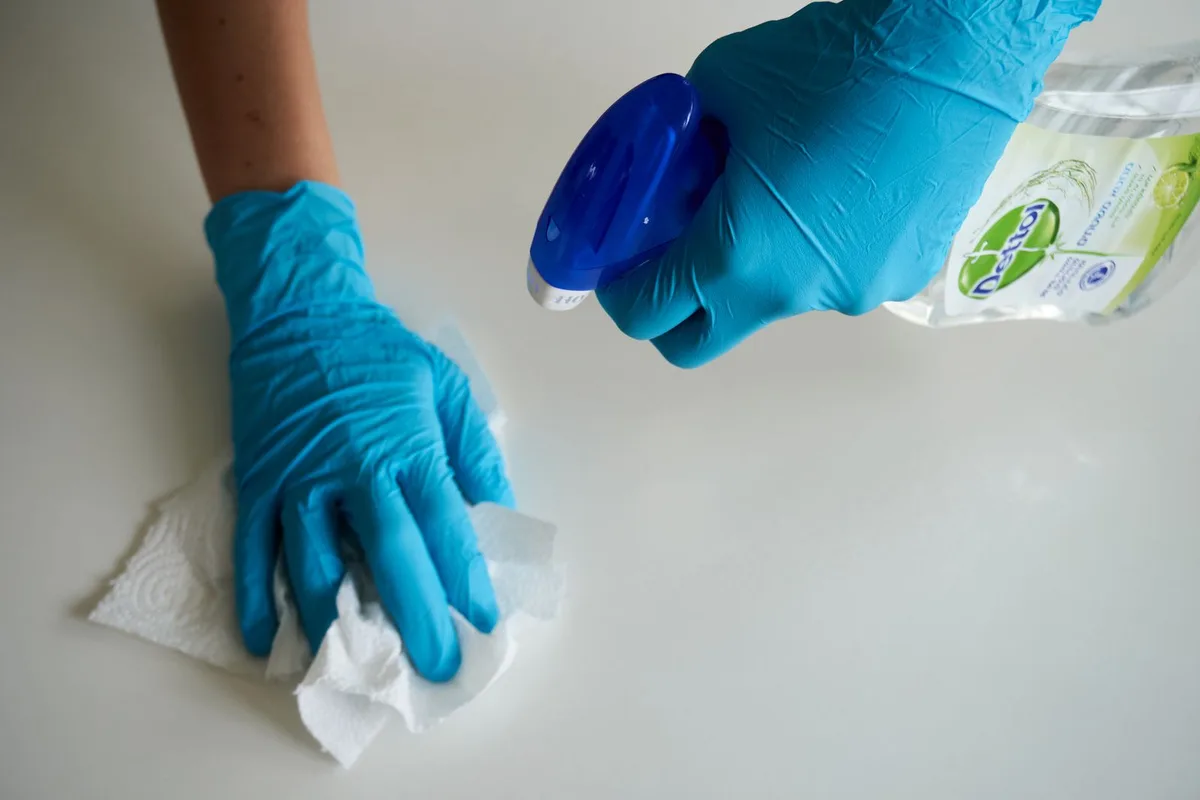
Wear gloves, do not touch the rodent with bare hands, do not carry it away and release it elsewhere, and do not drown it in water; the rodent must be killed quickly with as little pain as possible and then disposed of in a sealed bag following health authority guidance. Rodents and their waste can carry pathogens that spread to people, so every step needs gloves and disinfection.
Releasing the rodent elsewhere only moves the pest and its pathogens somewhere else: the University of Nevada, Reno Extension states that live-trapping and releasing is not acceptable and is illegal in many places, and a pest management specialist at the University of California (UC ANR) notes that released rats go on causing damage. The same source says drowning is not considered a humane way to kill and is banned under California state law, which is why this article recommends keeping the bucket bottom dry rather than the water-filled method many online guides still describe.
If you cannot deal with a live rodent in the bucket yourself, ask a professional pest control service. Do not use electricity to kill rodents: the Ministry of Agriculture and Rural Development has required that electricity must never be used to kill rodents.
For dead rodents, droppings and urine, the US Centers for Disease Control and Prevention (CDC) recommends the following steps:
- Wear rubber or plastic gloves and open doors to ventilate before cleaning.
- Spray a bleach solution of 1 part bleach to 9 parts water (freshly mixed) or a disinfectant onto the dead rodent, droppings and urine until thoroughly wet, and let it soak for 5 minutes.
- Put the dead rodent in a plastic bag, tie it closed, place it in a second bag and tie that closed, then put it in a lidded bin.
- Wipe the area clean with disinfectant; do not sweep or vacuum rodent droppings because that sends dust into the air.
- Wash your gloved hands with soap, remove the gloves, then wash your hands again with soap and warm water.
After each catch, wash the bucket, can and wooden ramp with disinfectant solution. Agriculture-sector rodent control guidance also advises scalding with boiling water or soaking in water and then drying the trap in the sun before reuse, because rodents are very sensitive to the smell of their own kind.
Why prefer a plastic bucket trap to rodenticide?
A plastic bucket trap uses no chemicals, so it does not poison small children, dogs, cats or poultry, and it catches the rodent whole to be handled, avoiding a dead rodent rotting in a wall gap. Rodenticide is a toxic chemical: pets that eat the bait by mistake, or eat a rodent that has been poisoned, can also be poisoned.
If you must use poison, only buy products named in the List of plant protection products permitted for use in Vietnam, currently issued with Circular 75/2025/TT-BNNMT of the Ministry of Agriculture and Environment (effective from 10 February 2026, amended and supplemented by Circular 28/2026/TT-BNNMT issued on 30 June 2026). Place poison bait in a closed box, away from food, children and pets, and follow the label instructions. Rice and dry goods at home should also be stored sealed so rodents have no food source, as described in storing rice in a lidded plastic container.
The Ministry of Agriculture and Rural Development directive on rodent control (March 2024) requires that electricity, banned poisons or poisons outside the permitted list must never be used to kill rodents, and emphasises manual measures such as digging out and trapping. For households, a plastic bucket trap is the easiest manual measure to make.
Frequently asked questions
What is the best bait for trapping rodents?
Peanut butter is usually the most effective because its aroma and stickiness force the rodent to stay on the can or cardboard for a long time to eat. Crushed roasted peanuts or cheese also work; replace the bait every 1 - 2 days.
Why is my trap not catching any rodents?
Usually because the trap still carries a human scent (wear gloves), it is placed in the wrong spot (place it against a wall where there are droppings), it was armed too early before the rodents were used to it, or there is plenty of other food around so the rodents ignore the bait.
How do I safely handle a rodent once caught?
Wear gloves, do not release the rodent elsewhere and do not drown it. The rodent must be killed quickly with as little pain as possible, or handled by a pest control service; then spray disinfectant, put the carcass in two sealed bags, put it in a lidded bin and wash your hands with soap.
Should I fill the bucket with water for a mouse trap?
No. Drowning is not considered a humane way to kill and is banned in some places such as the state of California (USA). Use a tall enough bucket with a dry bottom and check the trap every morning to deal with the rodent immediately.
How is a rat trap made from a plastic bucket different from a mouse trap?
Rats are big, strong and jump much higher, so you need a bucket 60 - 80 cm tall with thick walls, and an axle wire and can stiff enough to carry the rat’s weight. Do not use a thin plastic bottle trap because a rat can gnaw through it to escape.
How long does it take to catch a rodent?
It usually takes a few days. Rodents are wary of unfamiliar objects and often avoid a new trap for the first 2 - 3 days; leave bait out so they get used to eating it and only then arm the trap. If you still catch nothing after about a week, move the trap closer to the rodents’ runway and change the bait.
Can electricity be used to kill rodents?
No. The Ministry of Agriculture and Rural Development’s directive on rodent control (2024) requires that electricity, banned poisons or poisons outside the permitted list must never be used to kill rodents.
Contact ICD Vietnam
ICD VIETNAM INDUSTRIAL MANUFACTURING CO., LTD
If you need a smooth-walled plastic bin, with a lid or large capacity for trapping, storage or transport, please contact us for advice on a suitable model; ICD Vietnam plastic bins carry a 12-month warranty under the policy published on the website.
- Hotline: 0983 797 186.
- Email: sales@icdvietnam.com.vn.
References
- Rodent biology - Vietnamese Wikipedia - Chuot (Rodents).
- UC IPM (University of California) - Pest Notes: House Mouse and Pest Notes: Rats: jumping ability, wariness of new objects, tooth marks (linked in the trap placement section).
- UC ANR - Your Rat Management Questions Answered (01/2025): do not release rodents, drowning is not humane (linked in the handling section).
- University of Nevada, Reno Extension - Vertebrate Pest Management: do not release live-trapped pest animals (linked in the handling section).
- University of Nebraska-Lincoln Extension - Rodent-Proof Construction (G1530).
- CDC - How to Clean Up After Rodents (04/2024): 1 : 9 bleach mixture, steps for cleaning up dead rodents (linked in the handling section).
- Ministry of Agriculture and Environment - Circular 75/2025/TT-BNNMT (List of plant protection products permitted and banned for use in Vietnam) and Circular 28/2026/TT-BNNMT amending and supplementing it (linked in the rodenticide section).
- Ministry of Agriculture and Rural Development - Directive on organising rodent control to protect crop production, March 2024 (linked in the rodenticide section).
- Yen Tu e-portal, Ninh Binh province - Guidance on technical measures for rodent control: letting rodents get used to bait, scalding traps with boiling water.