
Table of Contents
- Humidity levels and their effects
- Causes of a damp room
- Why a room becomes damp fast at night and in the damp season
- How to reduce room humidity
- Choosing a dehumidifier by area
- A room at 70 to 99%: urgent handling
- Frequently asked questions
- Contact ICD Vietnam for desiccant advice
- References
- Related articles
Reviewed and updated by ICD - Week 40/2026
Indoor humidity is best at 40 to 60% RH; the EPA recommends keeping it below 60% and ideally 30 to 50%, because mold grows strongly above 60%. Below 30% the air is dry and dries out the nose, throat and skin; from 70% upward it is the damp season, with clothes, walls and floors wet.
This article explains each humidity level, the causes, and how to lower room humidity with ventilation, dehumidifiers and desiccant packets.
Humidity levels and their effects
| Relative humidity | How it feels | Effects | What to do |
|---|---|---|---|
| Below 30% | Dry, parched | Dry nose, throat and skin, static electricity, cracked wood | Use a humidifier, place a bowl of water |
| 30 to 50% | Comfortable, ideal (EPA) | Limits mold and dust mites | Keep it, check with a hygrometer |
| 50 to 60% | Acceptable | Starts to favor dust mites if prolonged | Ventilate, monitor |
| Above 60% | Slightly damp | Mold grows (EPA) | Dehumidify, fix moisture sources |
| 70 to 80% | Damp season, wet | Mold on clothes, walls, paper, wooden items | Dehumidifier, desiccant packets in wardrobes, close doors on damp days |
| Above 80 to 99% | Condensing moisture, standing water | Mold spreads fast, electrical damage | High-capacity dehumidifying, fix leaks |
The 40 to 60% band is the meeting point of two opposing groups of risk.
Too low lets respiratory viruses survive longer and dries out mucous membranes: a summary on influenza virus estimates 75% remain alive after one hour at very low humidity, falling to about 50% at 40% RH and about 35% at 60% RH. Too high feeds dust mites and mold: research from Ohio State University showed house dust mites need RH above 50% to survive and reproduce, below which they lose water and decline, while the EPA records that mold grows strongly above 60%.
Children’s bedrooms and allergy sufferers should stay in the lower half of the band, about 40 to 50%.
On technical standards, ASHRAE 55 specifies a 30 to 60% RH range for occupied spaces, while ASHRAE 62.1 sets no fixed number but requires ventilation systems to control moisture below the level that feeds mold, commonly interpreted as below 60%.
The limit must be stated honestly: the 40 to 60% conclusion originates from the review by Arundel and colleagues (1986), and later authors note that the experimental evidence for the whole band is limited.
So the figure should be read as a safe practical range and not a precise biological threshold; in Vietnam, where humidity is high all year, the practical target is to keep below 60% and near 50% in bedrooms.
Causes of a damp room
Damp-season weather brings very humid outdoor air into the house, leaving the floors and walls wet.
According to the EPA, indoor moisture comes from four main sources:
- Daily activities: cooking, showering, washing and drying clothes.
- Leaks, plumbing leaks and damp walls: need to be fixed at the root.
- Poor ventilation: water vapor cannot escape.
- Condensation on cold surfaces such as air conditioners, cold pipes and uninsulated wall corners, causing local dampness.
How to tell these sources apart is in prevent mold and damp in home and wardrobe.
Why a room becomes damp fast at night and in the damp season
RH depends on temperature: when temperature falls while the water vapor stays the same, RH rises. In the damp season, warm, very humid outdoor air meets cooler floors and walls, so the surfaces drop below the dew point and water condenses.
For example at 30 degrees C and 70% RH the dew point is about 23.9 degrees C, so a floor at a cool 22 degrees C will get wet.
How to calculate it and the dew point table are in how to measure humidity. This explains why opening windows to ventilate in the middle of a damp spell makes the floor even wetter, and why you should close doors and run a dehumidifier on damp days.
How to reduce room humidity
Ventilation and exhaust fans in the kitchen and bathroom deal with the moisture source on the spot at almost no cost, but only work when it is drier outside than inside.
A dehumidifier lowers humidity in a whole 20 to 40 m² room quickly, taking RH down by tens of percent in a few hours, at the price of electricity, emptying water and being useless if the room is open. An air conditioner in dry mode uses existing equipment but usually costs more electricity than a dedicated machine and cools the room.
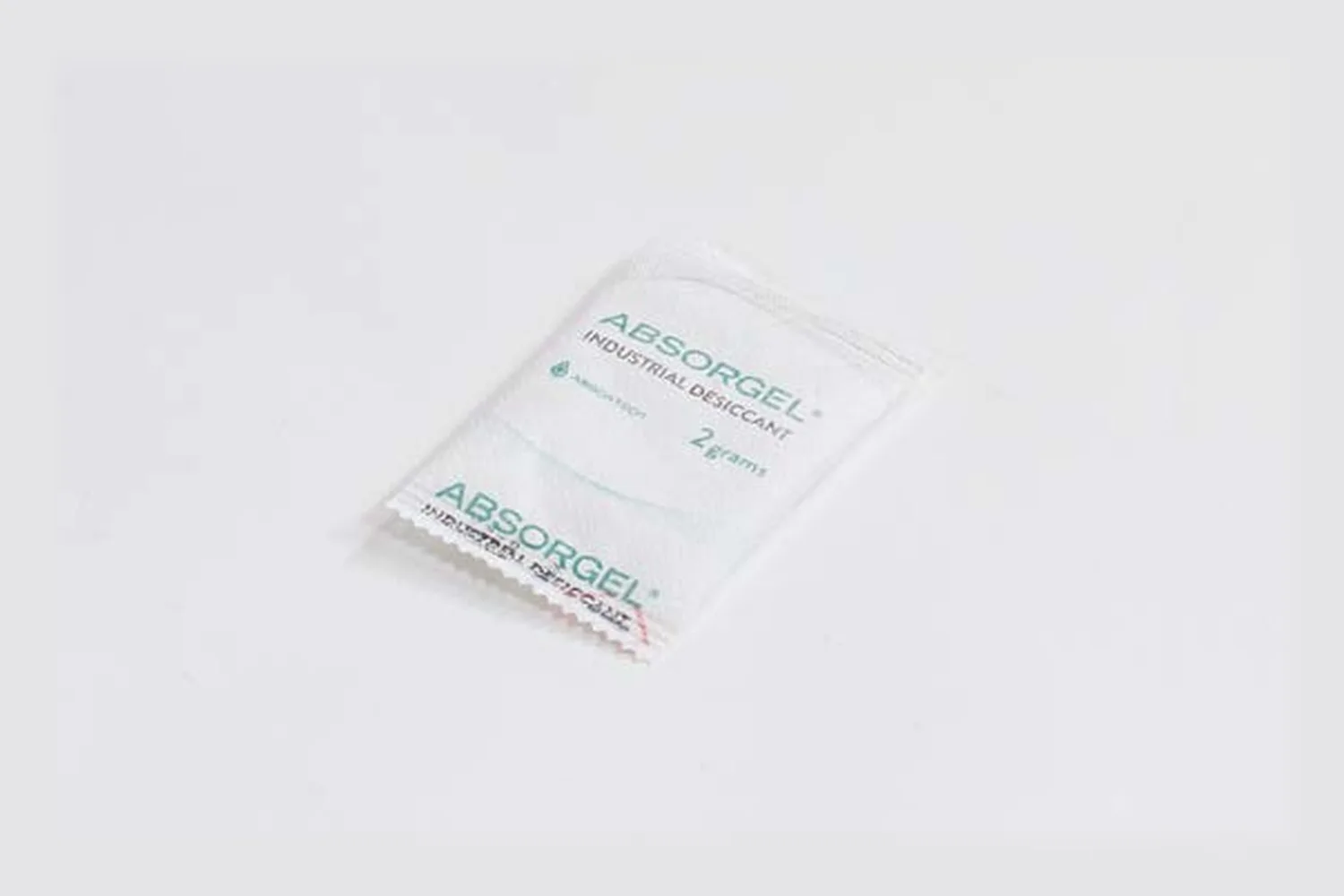
Desiccant packets, beads and rods can be used in enclosed spaces such as wardrobes, shoe cabinets, boxes and small stores, keeping things stable at only the cost of periodic replacement, but are not enough for an open room: the capacity of one packet (see types of desiccant) is small compared with the amount of water vapor moving in and out of a room.
Wet materials need drying within 24 to 48 hours (EPA), while leaks and cold pipes must be repaired and insulated at the root.
Choosing a dehumidifier by area
Dehumidifier capacity is measured in liters of water removed per day, usually tested at 30 degrees C and 80% RH, so in real conditions it usually achieves less than stated. A reference level from common guides in Vietnam:
| Room area | Reference capacity (liters per day) | Notes |
|---|---|---|
| About 20 m2 | About 7 to 12 | Bedroom, closed office |
| About 30 m2 | About 16 to 20 | 16 liters for a closed room with few people; 18 to 20 liters if damp, with lots of wooden furniture, or drying clothes indoors |
| Over 40 m2 | Split across 2 machines or choose a higher capacity | Connected rooms are hard to dehumidify effectively with 1 small machine |
A 2 to 5 liter tank reduces how often you empty water, or choose a machine with a continuous drain port. Close the doors when running it, because the machine has no effect in a room open to damp outdoor air; place it 20 to 30 cm from the wall and away from vapor sources such as the bathroom.
Measure with a hygrometer and stop at about 50 to 55%: there is no need to dehumidify to a very low level, which costs electricity and causes dryness.
A room at 70 to 99%: urgent handling
First identify the moisture source (leak, plumbing leak or damp-season air outside), then measure humidity with a hygrometer; see how in how to measure humidity. Use a suitably sized dehumidifier in the closed room, wipe dry the surfaces with standing water and take damp items out of the room to dry.
Place desiccant packets in wardrobes to protect clothes and belongings. After 24 hours, if humidity is still above 60%, check for leaks. For humidity thresholds for goods and warehouses see safe humidity for storing goods; for warehouses and containers there are ICD desiccants.
Frequently asked questions
Why is the ideal humidity 40 to 60%?
Lower lets respiratory viruses survive longer and dries mucous membranes; higher than 50 to 60% feeds dust mites and mold. Evidence for the band specifically is limited, so read it as a safe practical range.
How many liters should a dehumidifier be for a 30 m2 room?
About 16 to 20 liters per day; 16 liters for a closed room with few people, 18 to 20 liters in the damp season or when drying clothes indoors.
At what humidity can dust mites live?
According to Ohio State University research, dust mites need RH above 50% to survive and reproduce; below that they lose water and decline.
What is a good indoor humidity?
40 to 60% RH. The EPA recommends below 60%, ideally 30 to 50%.
What is a good bedroom humidity?
About 40 to 50%, especially for children’s rooms and allergy sufferers.
At what humidity does mold grow?
Above 60% RH mold grows strongly according to the EPA.
Is 70% humidity high?
Yes, it is damp-season level; mold on clothes, walls and wooden items easily appears. A dehumidifier should be used.
How do I handle 80 to 99% humidity in a room?
Find the moisture source, use a high-capacity dehumidifier, wipe surfaces dry and fix leaks if there are any.
Contact ICD Vietnam for desiccant advice
ICD Vietnam Industrial Production Co., Ltd.
North: 3rd Floor, Thang Long A1 Building, Bau Hamlet, Thien Loc Commune, Hanoi, 0983 797 186 / 090 345 9186 / 090 5859 186
South: 551/212 Le Van Khuong, Tan Thoi Hiep, District 12, Ho Chi Minh City, 098 6784 186
Email: sales@icdvietnam.com.vn
Zalo: Chat on Zalo