Table of Contents
- First, identify the packet that was swallowed
- What to do in the first 5 minutes
- Children who swallow a desiccant packet
- Dogs and cats that eat a desiccant packet
- Are blue, pink and orange beads poisonous?
- Inhalation, skin contact, eyes, and accidental cooking
- Does silica gel really cause stomach bleeding?
- Prevention
- Frequently asked questions
- Can eating a desiccant packet kill you?
- I swallowed a desiccant packet. Do I need to go to the hospital?
- What should I do if my child swallows a desiccant packet?
- Is it dangerous if a baby puts a desiccant packet in the mouth?
- What if a desiccant packet was accidentally cooked with food?
- Is it harmful to drink water that had a desiccant packet in it?
- Is it a problem if a dog eats a desiccant packet?
- Is an oxygen absorber poisonous?
- Contact ICD Vietnam for desiccant advice
- References
- Related articles
Reviewed and updated by ICD - Week 40/2026
Swallowing a few clear silica gel beads or clay granules is usually not poisonous, because these materials are chemically inert and pass through the digestive tract without being absorbed. The real risks lie elsewhere: beads can cause choking (especially in children under 5), swallowing a whole paper or fabric sachet can block the intestine, and some packets are not silica gel at all, such as calcium chloride packets, beads with a cobalt indicator, or oxygen absorbers containing iron powder.
So the first step is to work out which type of packet it was.
This article is for information only and does not replace medical or veterinary advice. If a child has trouble breathing, turns blue, vomits repeatedly or has severe stomach pain, call your local emergency number (115 in Vietnam) or go to the nearest emergency room immediately.
First, identify the packet that was swallowed
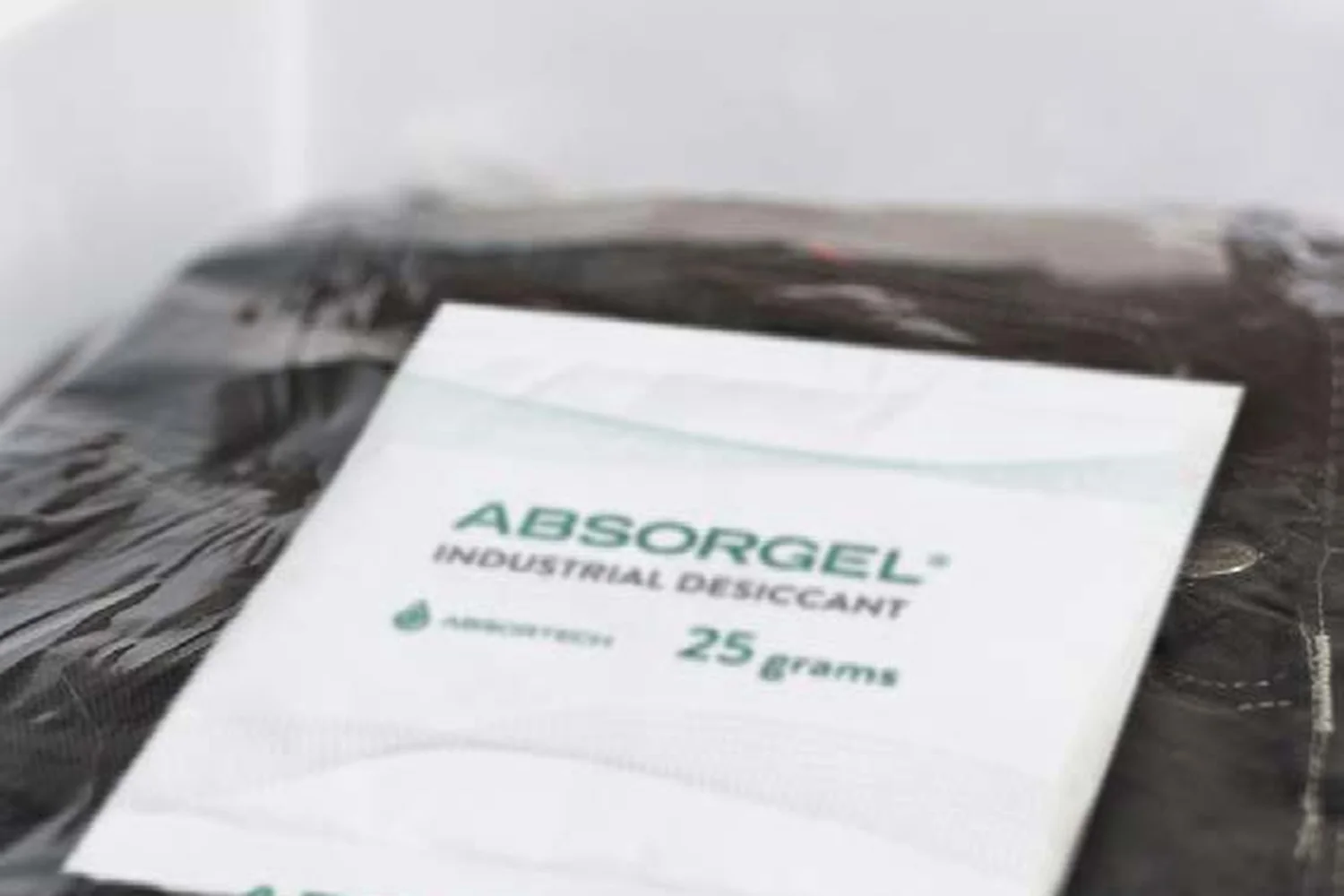
The everyday names “desiccant packet”, “moisture absorber” and “anti-humidity bag” cover several very different products, and the danger depends entirely on what is inside. Pick up the packet, read the label or take a photo, and compare it with the table below.
| Packet type | How to recognize it | Risk if swallowed | Main concern |
|---|---|---|---|
| Clear, white or orange silica gel | Small glass-like beads in a paper or non-woven pouch, usually printed “Do not eat” | Low | Choking, dry mouth, intestinal blockage if the whole sachet is swallowed |
| Blue silica gel (cobalt chloride indicator) | Blue when dry, turns pink when damp | Moderate | Nausea and vomiting; cobalt chloride is classed as a suspected carcinogen with long-term exposure |
| Clay (bentonite) | Grey-brown granules, often in a kraft paper pouch | Low | Dust dries the nose and throat when inhaled |
| Calcium chloride | White granules or powder that turn wet easily, often in hanging container bags | Moderate to high | Irritates mucous membranes, very irritating to the eyes, releases heat on contact with water |
| Oxygen absorber (iron powder) | Rust-red powder, attracted by a magnet | Low for adults, high for small dogs and small children | Iron poisoning, especially in dogs under about 7 kg |
There is a quick way to spot an oxygen absorber: hold a magnet near it, and if it is attracted, it contains iron. Pet Poison Helpline recommends this test to tell silica packets from iron powder packets when a dog has swallowed one.
The difference between the two kinds of packet is explained in oxygen absorber vs desiccant packet. Activated carbon in odor-control sachets and industrial molecular sieves are less common: carbon is almost non-toxic, while molecular sieve dries so aggressively that it can dry out and irritate mucous membranes.
What to do in the first 5 minutes
- Remove any beads still in the mouth and rinse with clean water. For a small child, only take out what you can see with a finger and do not probe deeper, which can push beads down the throat.
- Keep the packet or photograph the label so the contents are known; this is essential information when you call a poison center or go to hospital.
- Give water to drink (boiled and cooled water for young children). Water relieves dry mouth, and silica gel that has absorbed water becomes inert and passes through the gut.
- Do not induce vomiting: hard beads can be inhaled into the airway, and with calcium chloride vomiting irritates the esophagus a second time.
- Watch for 24 to 48 hours. Most cases involving a few clear beads cause no symptoms at all.
The usual course is a dry mouth, a gritty feeling and a mild cough in the first 15 minutes. If there is choking, wheezing or blue lips, call emergency services immediately and give first aid for an airway obstruction.
Within the first 2 hours there may be mild nausea and stomach discomfort. If the beads were blue (cobalt) or the packet held calcium chloride, go to a medical facility straight away.
After 24 to 48 hours, repeated vomiting, severe stomach pain, a swollen abdomen, or being unable to pass stool or gas suggests a possible intestinal blockage, especially if a whole sachet was swallowed, and needs emergency care.
Children who swallow a desiccant packet
For adults, a few silica gel beads usually pass through the body with no consequence. For small children the main danger is not toxicity but choking: the beads are round, hard and slippery, and the sachet casing can lodge in the airway. Healthline and Medical News Today both name choking, not poisoning, as the main risk.
If a child swallows one to a few clear beads but keeps playing and eating normally, give water and watch for 24 hours. If the child coughs and chokes, wheezes, turns blue or cannot speak, treat it as an emergency: call for help and give first aid for an airway obstruction.
If a child bites open a sachet and swallows many beads, swallows the whole sachet, swallows colored (blue or pink) beads, or the packet was calcium chloride, go to a medical facility and bring the packet so the doctor can identify the contents.
If beads get into the eyes, rinse with saline, let the child blink, do not rub, and see an eye doctor if the eye stays sore or gritty.
For toddlers up to age 3 who mouth or chew a sachet, the principle is the same: remove what remains in the mouth, give water, watch closely and get checked if you are not sure all the beads were removed.
Dogs and cats that eat a desiccant packet
For silica gel packets, international veterinary sources agree fairly closely: toxicity is low, and symptoms are usually mild, such as drooling, vomiting, diarrhea and loss of appetite, resolving within 24 hours. The main worry is the sachet casing causing an intestinal blockage in small dogs, according to Dogster and Rex Vet. Activated carbon odor packets are also low risk.
Oxygen absorbers containing iron powder are different. Pet Poison Helpline warns that iron can cause vomiting (sometimes bloody), metabolic acidosis, shock and liver damage 3 to 5 days later, with the highest risk in dogs under 15 pounds (about 7 kg).
If you suspect a dog ate an iron powder packet, go to the vet immediately rather than waiting for symptoms. Swallowing the whole casing, several packets at once, or colored beads also warrants a visit, and go to emergency care if the pet vomits blood, vomits repeatedly or has a swollen, painful abdomen.
Are blue, pink and orange beads poisonous?
Silica gel is normally clear. The color-changing type (blue when dry, pink when damp) uses cobalt chloride to show saturation, and this substance is more toxic than silica gel itself: Healthline notes it can cause nausea and vomiting, and Medical News Today advises contacting a poison center after ingestion.
There is also an orange-to-green indicator type that contains no cobalt. Because the two are hard to tell apart by eye, the safe approach is to treat blue beads as cobalt-containing and seek medical care; the meaning of each color is explained in color-changing desiccant beads.
Inhalation, skin contact, eyes, and accidental cooking
Breathing in dust from a broken packet dries the nose and throat and causes coughing; move to fresh air, drink water and see a doctor if coughing or breathlessness does not settle. Touching silica gel is harmless but dries the skin, whereas calcium chloride irritates skin and eyes, so wear gloves when handling large quantities.
If beads get into the eyes, rinse with plenty of water, blink and do not rub.
If a desiccant packet was accidentally cooked with food, throw that food away, because the packet may have split and contaminated the dish; if a little was eaten, treat it like swallowing a few beads.
Drinking water in which a silica gel packet was soaked is low risk, but water from a calcium chloride packet, or water that has changed color, should be checked by a doctor.
Do not burn or heat desiccant packets, because the paper, plastic and fabric give off smoke and chemical odors; see also desiccant packet hot, wet or leaking.
Does silica gel really cause stomach bleeding?
Some Vietnamese websites state that silica gel can cause stomach bleeding or ulcers.
In the international sources used for this article (Healthline, Medical News Today), silica gel is described as inert, insoluble, non-reactive with stomach acid and not absorbed; the risks named are choking and intestinal blockage when a large amount or a whole sachet is swallowed.
We did not find stomach bleeding from silica gel described in these sources, so we do not claim it. For calcium chloride and cobalt chloride the risk is clearly higher, which is why identifying the packet comes first.
The “Do not eat” printed on the sachet is there to prevent choking, intestinal blockage and confusion with food, not because every bead is poisonous.
Prevention
After opening a shoebox, handbag or dry food pack, take the packet out and throw it away at once instead of leaving it around the house.
Do not place packets in kitchen cabinets, food containers or anywhere children and pets can reach; in a wardrobe, put them high and inside a zip bag, as described in how to use desiccant packets correctly. Read the label to know whether it is silica gel, clay or calcium chloride, and do not tear a packet open over the sink, because swollen beads can block the drain.
Importers and exporters should print bilingual warnings on cartons that contain calcium chloride bags; see ICD industrial desiccants and the safety documentation in HS code and MSDS for desiccant beads. To understand what is inside a packet, read what is a desiccant and types of desiccant.
Frequently asked questions
Can eating a desiccant packet kill you?
Almost never with silica gel or clay: these are inert and pass through the digestive tract. The deaths that do occur mostly involve airway choking in small children or other packet types (large doses of calcium chloride, iron powder in small dogs). Identify the packet and see a doctor if there are symptoms.
I swallowed a desiccant packet. Do I need to go to the hospital?
Not in every case. After a few clear silica gel beads, if the person feels normal, rinse the mouth, drink water and watch for 24 to 48 hours. Go to hospital if the beads were blue or pink, a whole sachet was swallowed, a small child is choking, or there is repeated vomiting, stomach pain or a swollen abdomen.
What should I do if my child swallows a desiccant packet?
Remove any beads left in the mouth, rinse, give water and watch. Call emergency services if the child coughs and chokes, wheezes or turns blue. Go to a medical facility if a whole sachet was swallowed, the beads were colored, or there is vomiting or stomach pain.
Is it dangerous if a baby puts a desiccant packet in the mouth?
If it was only mouthed and not swallowed, take it out, rinse the mouth and watch. If the packet split and beads are in the mouth, remove all the beads, give water and watch. If the baby bit through a calcium chloride packet or the beads were colored, get a medical check.
What if a desiccant packet was accidentally cooked with food?
Throw that food away. The risk from silica gel is low, but the packet can break down and release beads and impurities into the dish. If a little was eaten, drink water and monitor.
Is it harmful to drink water that had a desiccant packet in it?
Water from a soaked silica gel packet is usually low risk. Water from a calcium chloride packet, or water with a suspicious color, should be checked by a doctor.
Is it a problem if a dog eats a desiccant packet?
Silica packets are usually mild and may cause vomiting or diarrhea. More dangerous are swallowing the casing (intestinal blockage) or an oxygen absorber containing iron powder, which needs a vet right away, especially for dogs under about 7 kg.
Is an oxygen absorber poisonous?
For an adult, swallowing a little iron powder is less dangerous than for a small dog or a small child. Seek care if a lot was swallowed or there is vomiting or abdominal pain. An iron packet is attracted by a magnet, which separates it from silica gel.
Contact ICD Vietnam for desiccant advice
ICD Vietnam Industrial Production Co., Ltd.
North: 3rd Floor, Thang Long A1 Building, Bau Hamlet, Thien Loc Commune, Hanoi, 0983 797 186 / 090 345 9186 / 090 5859 186
South: 551/212 Le Van Khuong, Tan Thoi Hiep, District 12, Ho Chi Minh City, 098 6784 186
Email: sales@icdvietnam.com.vn
Zalo: Chat on Zalo
References
- Healthline, What happens if you eat silica gel
- Medical News Today, Silica gel: ingestion and effects
- Pet Poison Helpline, Are packaging freshness packets really toxic to dogs
- Dogster, My dog ate a silica packet: what to do