
Table of Contents
- Where to buy industrial plastic crates? Five criteria for choosing a manufacturer
- Groups of plastic crate manufacturers in Vietnam
- Household plastic makers with a light industrial range
- Injection molding plants specializing in crates and load-bearing containers
- Blow molding and rotational molding plants making jerrycans, drums and large tanks
- Engineering plastics, component trays and anti-static suppliers
- Logistics solution providers for agricultural products and the cold chain
- Suppliers of many crate lines and accessories
- Which manufacturing process decides which plastic crate you get?
- Which plastic crate lines does ICD Vietnam supply?
- Frequently asked questions
- Which criterion matters most when choosing a plastic crate manufacturer?
- Should I buy plastic crates from a manufacturer or a supplier?
- Why does virgin plastic matter when choosing a plastic crate manufacturer?
- Where can I buy industrial plastic crates from a reliable source?
- How do I check that a plastic crate manufacturer is really operating?
- What paperwork do food-grade plastic crates need?
- Contact ICD Vietnam
- References
Reviewed and updated by ICD - Week 46/2026
A trustworthy industrial plastic crate manufacturer is one whose company registration you can look up, who states virgin PP or HDPE on the quotation, who publishes both the contents load and the stacking load for every model, and who owns the right process for the type of crate you need. Injection molding makes solid crates, lidded crates and component trays; blow molding makes jerrycans and drums; rotational molding makes large tanks and round bins.
I am Le Van Thang, and I have worked at ICD Vietnam since 2011. The question customers ask most before placing their first order of industrial plastic crates is “which company can I trust?” I do not answer with a ranking, because each manufacturer is strong in a different group of crates: a maker of good-looking household bins does not necessarily own molds for load-bearing crates, and a plant that casts large tanks does not make component trays. This article shows how to choose the right kind of supplier, from large lidded plastic containers to specialist storage containers, and how to check a supplier yourself before you sign an order.

Where to buy industrial plastic crates? Five criteria for choosing a manufacturer
Buy directly from a manufacturer, or from a supplier whose company registration can be looked up, who states the virgin plastic grade and who gives the stacking load for each model. For factories and logistics operators, a crate is an asset used for years, so a wrong choice of supplier usually shows up late: crates crack at the rim after a few months, tall stacks sag, or the next batch differs in color and dimensions from the last.
These are the five criteria I use to assess a plastic crate manufacturer. First is material: virgin PP or HDPE with a resin data sheet, able to withstand the chemicals and temperatures of your environment. Second is process and molds: injection-molded crates (injection molding) have even wall thickness and accurate rims; the manufacturer must already own a mold for the exact model you need, otherwise you will have to pay for a new one.
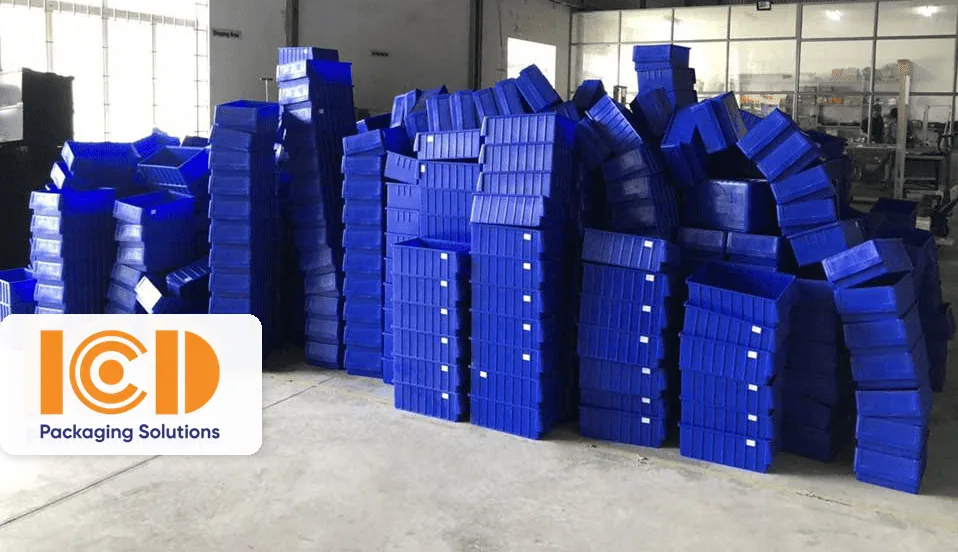
Third is customization: logo printing, label card holders, wheels, and square crates, lidded crates or crates on wheels built for the real load of your goods. Fourth is delivery and after-sales service: the delivery area, a written warranty period and how a faulty batch is handled; a supplier that keeps a customer’s own design confidential also earns points. Fifth is price: a quotation that states the model, material, quantity, volume discount and delivery terms so that offers can be compared on the same basis.
The five criteria only mean something when they can be verified with documents. The table below suggests how to check each one before you sign the first order.
| Criterion | How to check | Documents to request |
|---|---|---|
| Company legal status | Look up the company registration number, founding date and business lines on the national business registration portal | Business registration certificate, VAT invoice |
| Virgin plastic | Check the resin code under the crate (5 is PP, 2 is HDPE) and an even color without speckles | Resin data sheet (COA) for the production batch |
| Food safety | Crates in direct contact with food must carry a declaration of conformity to QCVN 12-1:2011/BYT | Declaration of conformity, migration test results |
| Management system | If the supplier states it holds an ISO 9001 certificate, look up the certificate number on IAF CertSearch | Copy of a valid certificate |
| Load capacity | Ask separately for the contents load and the stacking load | Technical data sheet for each crate model |
Groups of plastic crate manufacturers in Vietnam
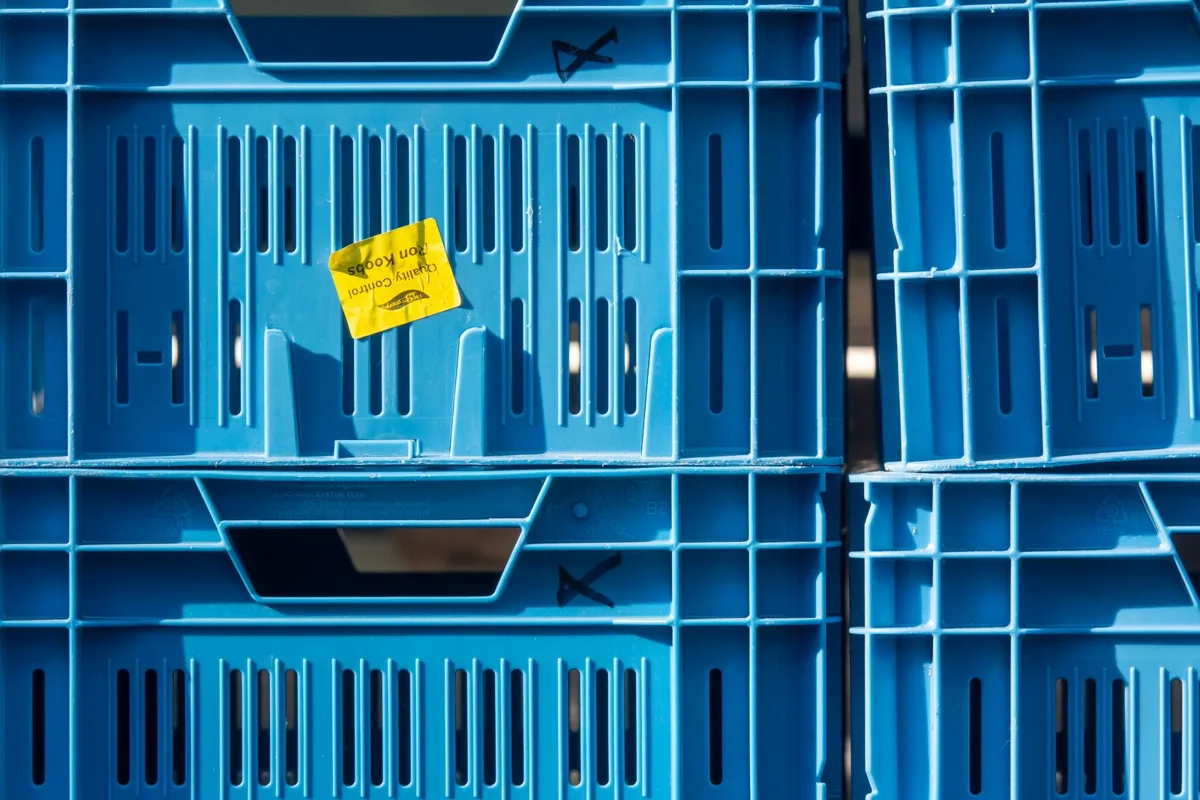
The domestic plastic crate market can be divided into six groups of manufacturers, each strong in one kind of crate. Knowing which group you need lets you ask the right party from the start, instead of comparing quotations from companies that do not make the same product.
Household plastic makers with a light industrial range
This group is strong in design, color and surface finish, and stands out in household lidded crates and lidded plastic storage boxes. Stock is plentiful and distribution runs widely through dealers. What to ask about closely is the stacking load, because many models are designed for homes and offices rather than for tall warehouse stacks.
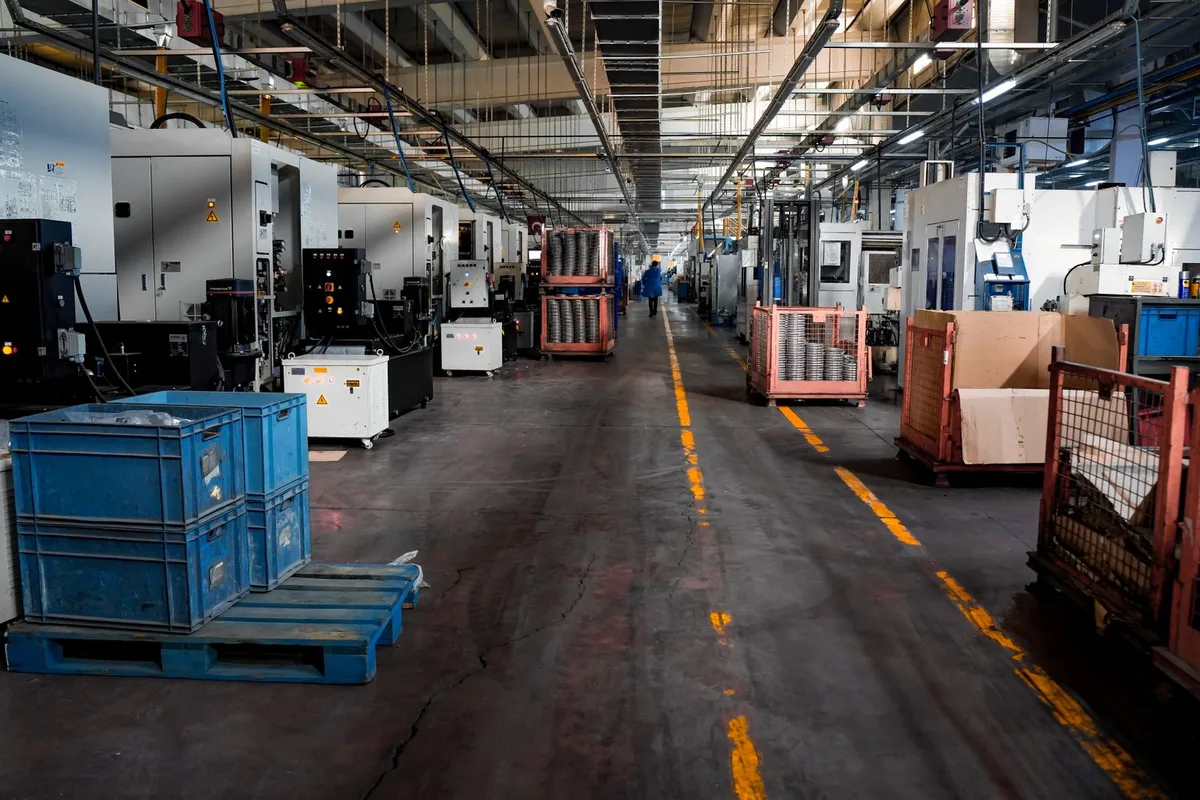
Injection molding plants specializing in crates and load-bearing containers
This group makes solid plastic bins, open crates, industrial lidded crates and component trays on large injection molding machines. Their strengths are consistent dimensions from batch to batch, accurate stacking rims, and crates that survive heavy goods and rough handling. They suit factories and logistics operators that need large quantities of one model, and they usually accept a custom mold once the volume is large enough.
Blow molding and rotational molding plants making jerrycans, drums and large tanks
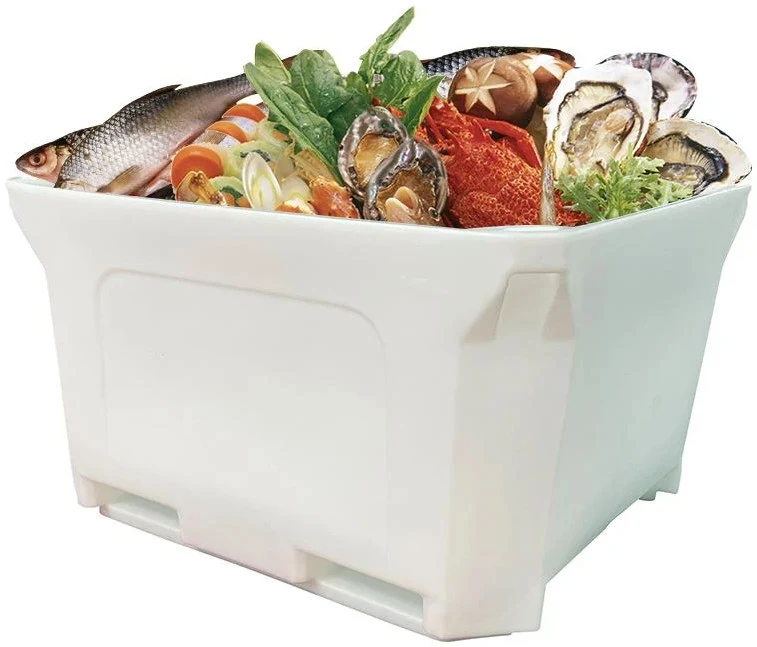
Drums and jerrycans of 120 - 220 liters and IBC inner tanks are made by blow molding; tanks and round bins of several thousand liters are made by rotational molding. These two processes need machines and molds completely different from injection molding, so a crate factory usually does not make its own drums or fish tanks. When you need a container for liquids, chemicals or aquaculture, ask directly whether the supplier has a blow molding or rotational molding workshop.
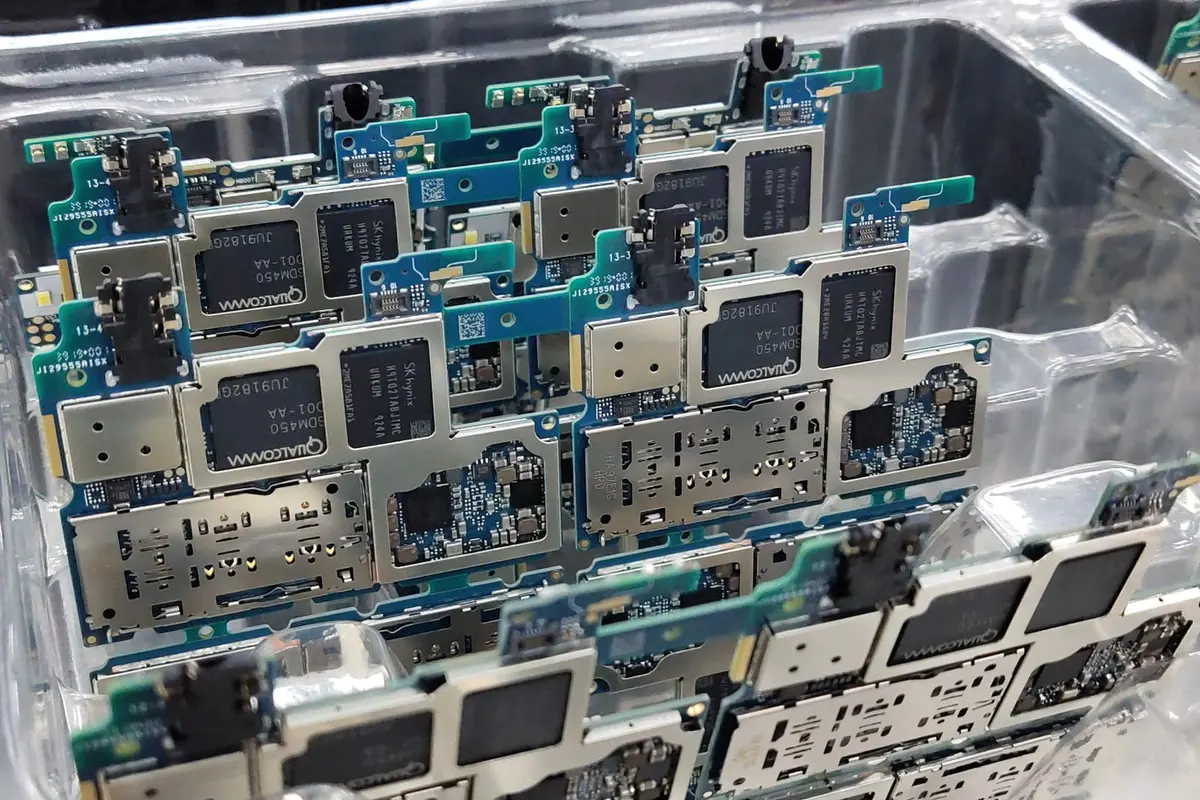
Engineering plastics, component trays and anti-static suppliers
This group makes products that need high precision: component positioning trays, anti-static crates for the electronics industry, and technical plastic parts for supporting industries. When ordering from this group, also ask about surface resistance (for anti-static goods) and the dimensional tolerance of the component cavities.
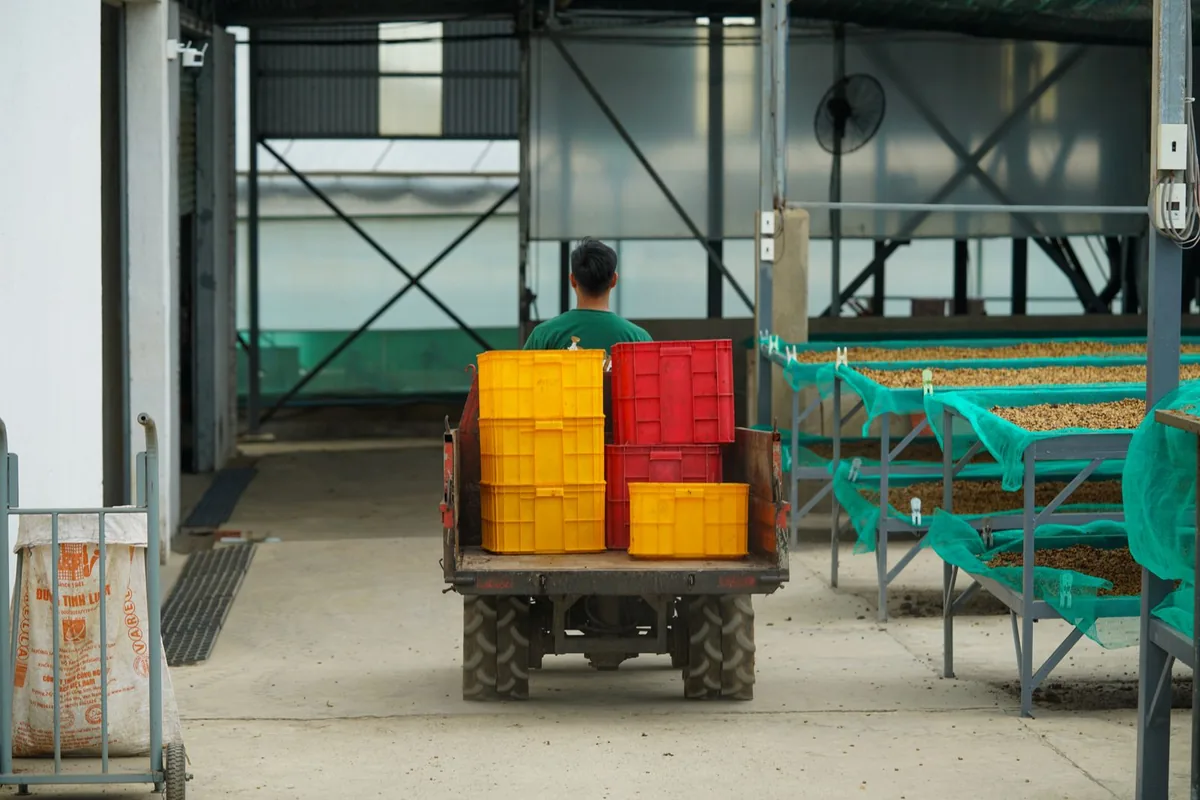
Logistics solution providers for agricultural products and the cold chain
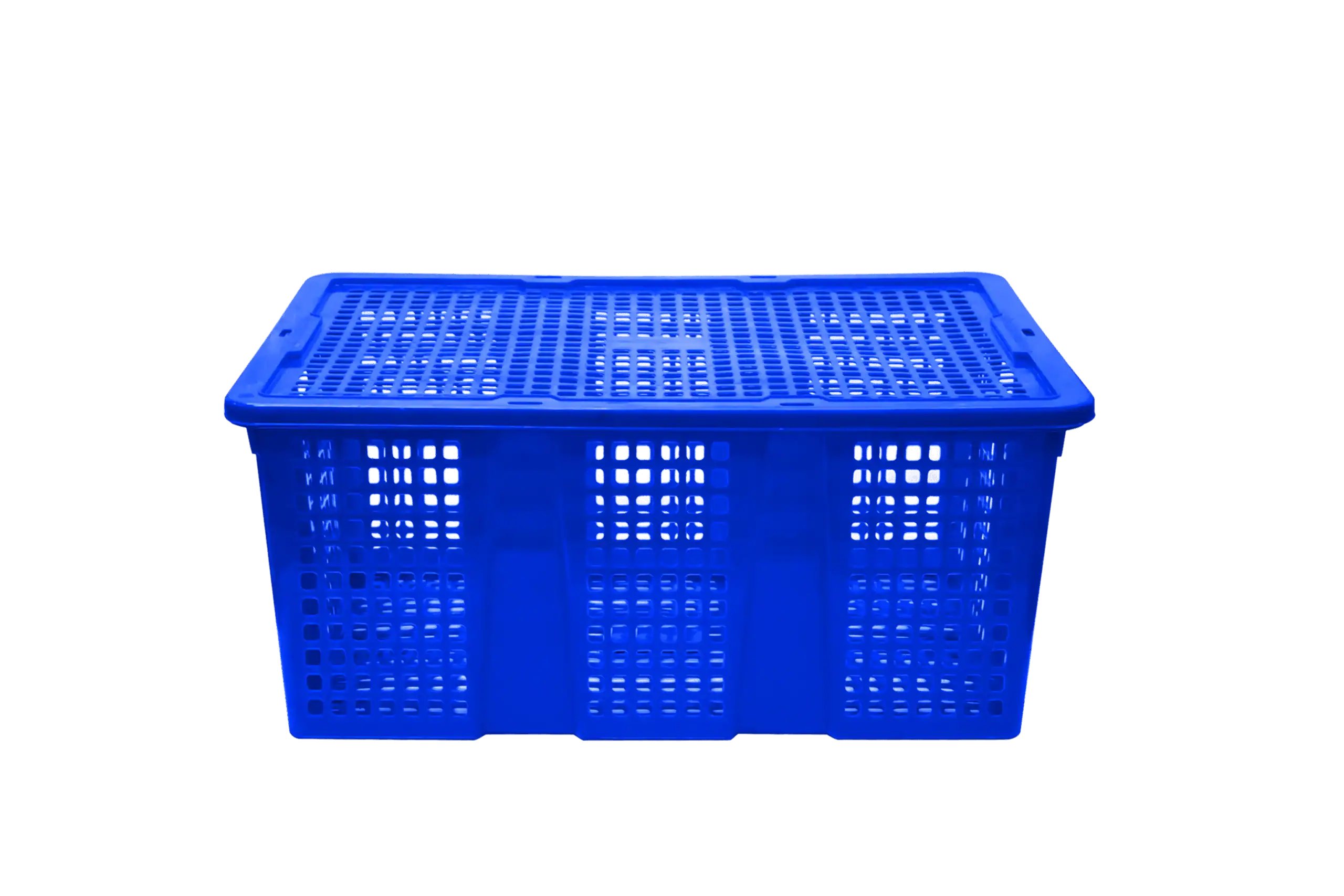
Some manufacturers focus on mesh plastic crates, folding crates and modular crates designed to fit pallets, refrigerated trucks and automated warehouses. For farm produce and seafood, what matters is fast drainage, resistance to low temperatures and a footprint that loads onto a pallet without wasted space.
Suppliers of many crate lines and accessories
The last group covers suppliers that offer many models across several product lines: solid crates, open crates, lidded crates, trays and IBC tanks, with accessories such as lids, label cards and wheels. The advantage is one contact point for many kinds of crates, with advice on choosing a model for your goods; what to ask about is the source of each model, the material stated on the quotation, and the warranty policy.
Which manufacturing process decides which plastic crate you get?
Each forming process suits only one family of crates: injection molding for crates, lidded crates and component trays; blow molding for jerrycans, drums and IBC inner tanks; rotational molding for tanks and bins of thousands of liters. Knowing the process helps you ask the manufacturer that actually owns the machine and mold for the crate you need.
| Process | Principle | Typical crate | Notes when ordering |
|---|---|---|---|
| Injection molding | Molten plastic is pumped under high pressure into a closed metal mold | Solid crates, open crates, lidded crates, component trays | Molds are expensive, so a custom model needs a large quantity |
| Blow molding | A hollow plastic preform is inflated with compressed air against the mold wall | Jerrycans, 120 - 220 liter drums, 1000 liter IBC inner tanks | Thin, even walls suited to holding liquids |
| Rotational molding | Plastic powder in a mold is heated while rotating around two axes | Tanks and round fish bins of 500 - 5,000 liters | No weld seams and good resistance to salt water |
| Thermoforming | A plastic sheet is heated and then vacuum-formed into a mold | Thin trays, component positioning trays | Cheaper molds, lower load capacity than injection molding |
Besides the four processes in the table, there is also the corrugated plastic (danpla) crate: a crate cut, folded and welded from hollow PP sheet, which needs no casting mold and so can be made in any size in small quantities. Danpla crates are light and compact and suit components and garments moving around a factory, but they take impact and stacked loads less well than injection-molded crates. The pros and cons of each process are compared in the article on the plastic crate manufacturing process.

On material, PP is stiffer and handles heat better, while HDPE is tougher in the cold. According to references on polypropylene, PP becomes brittle below 0 °C, so crates for deep-freeze warehouses are usually made of HDPE or of PP copolymer with a cold-resistant additive. When you ask for a price, state the working temperature so the manufacturer can choose the right grade.
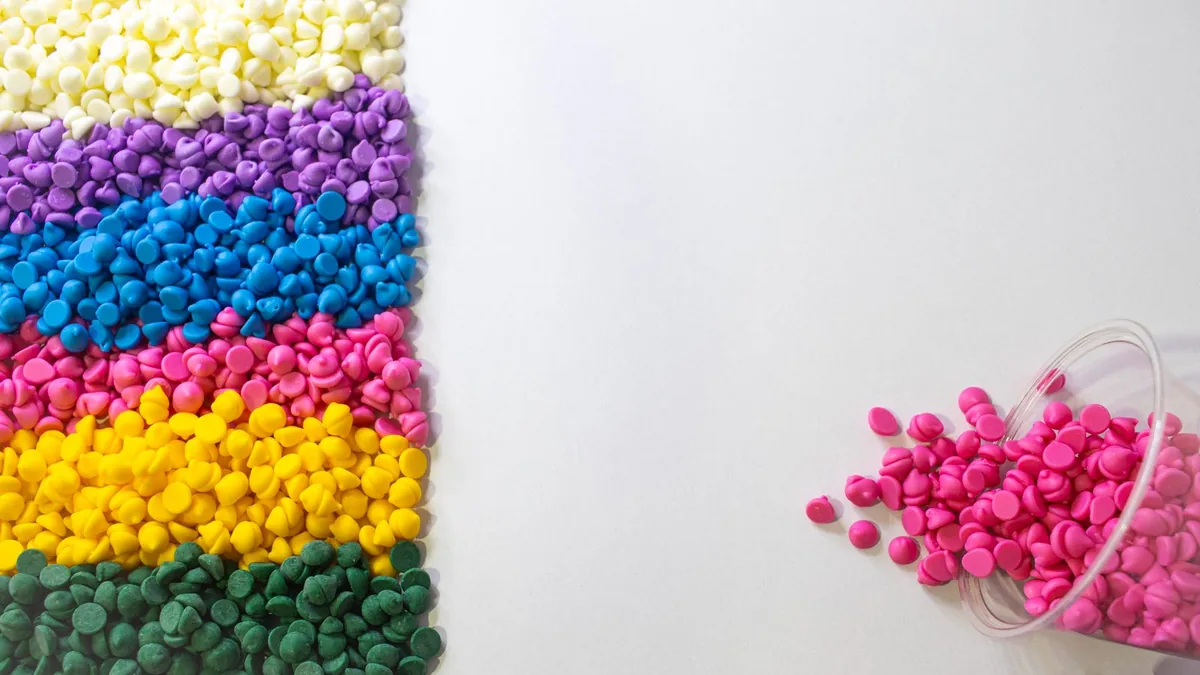
Recycled resin deserves a close look. Crates blended with recycled plastic are cheaper, but the color is often cloudy and speckled and the toughness drops, so the rim cracks easily in tall stacks. For food goods or load-bearing crates, I recommend asking the quotation to state whether the resin is virgin or blended, and how much is blended.
Which plastic crate lines does ICD Vietnam supply?
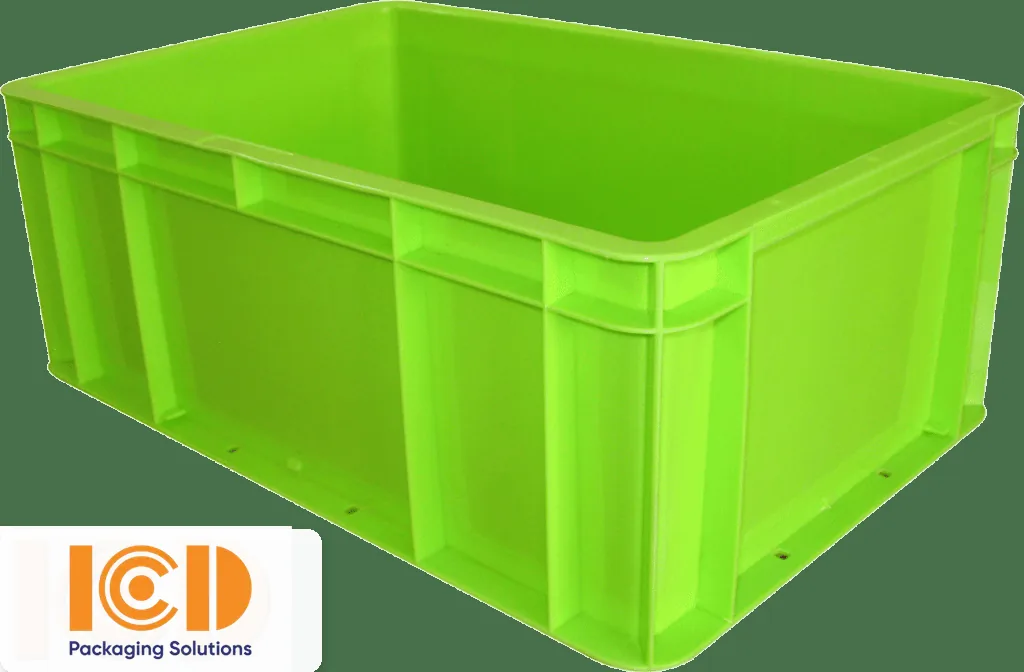
ICD Vietnam manufactures industrial plastic crates and delivers nationwide, with more than 110 models listed on its website (checked on 16 October 2026): solid plastic bins from small trays to logistics crates, open crates and baskets for farm produce and seafood, lidded plastic crates from 10 to 220 liters, square crates, large round bins, component trays, anti-static crates and IBC tanks. You can also browse the types of plastic crates to choose the right group before asking for a price.
Our focus is large lidded crates of 120 - 220 liters, heavy-duty containers and custom options such as logo printing, label cards and wheels. ICD Vietnam crates use PP or HDPE stated model by model, come with a data sheet for dimensions and material, and carry a 12-month warranty under the warranty policy published on the website. The price of each model is “contact for a quote”, because it depends on quantity, color, accessories and delivery point.

Whichever supplier you choose, the four questions below help you compare quotations on the same basis:
After more than fifteen years in this trade, what I have seen most clearly is that returned batches are rarely about color or styling. They come from specifications that were not asked about at the start: stacking load, working temperature, and the internal dimensions against the goods. Ask all of that before you order, and you will pick the right supplier whoever it turns out to be.
Frequently asked questions
Which criterion matters most when choosing a plastic crate manufacturer?
There are five core criteria: virgin PP or HDPE material, a process and mold that fit the crate type, customization, delivery and warranty, and a clear quotation. Of these, material and stacking load decide how long the crate lasts.
Should I buy plastic crates from a manufacturer or a supplier?
If you order large quantities of one model or need your own mold, work directly with the manufacturer that owns the mold. If you need several crate types at once in moderate quantities and want advice on choosing models, a supplier with many product lines is more convenient; in that case, ask clearly about the source and material of each model.
Why does virgin plastic matter when choosing a plastic crate manufacturer?
Virgin PP or HDPE has a known composition and is tougher and more color-stable than recycled plastic, so crates crack less at the rim in tall stacks and can be used in areas that need hygiene. Crates blended with recycled plastic are cheaper, but their composition is hard to prove.
Where can I buy industrial plastic crates from a reliable source?
Buy from a manufacturer or a supplier whose company registration can be looked up, who states virgin plastic, and who provides a load specification and a written warranty policy. ICD Vietnam manufactures industrial plastic crates, delivers nationwide and gives a 12-month warranty.
How do I check that a plastic crate manufacturer is really operating?
Look up the company name or registration number on the national business registration portal to see its operating status, founding date and business lines; ask for a VAT invoice on every order; and if the supplier says it holds an ISO 9001 certificate, check the certificate number in the IAF CertSearch database.
What paperwork do food-grade plastic crates need?
Plastic crates in direct contact with food must meet QCVN 12-1:2011/BYT of the Vietnamese Ministry of Health. Ask the supplier for the declaration of conformity and the migration test report for the exact crate model.
Contact ICD Vietnam
For advice on choosing industrial plastic crates (square crates, lidded crates, crates on wheels) or a quotation for a large order, contact ICD Vietnam Industrial Manufacturing Co., Ltd.:
- Address: Floor 3, Thang Long A1 Building, Bau Hamlet, Thien Loc Commune (formerly Kim Chung, Dong Anh), Hanoi.
- North Vietnam: 0983 797 186 / 090 345 9186 / 090 5859 186.
- South Vietnam: 098 6784 186.
- Email: sales@icdvietnam.com.vn.
- Zalo: Chat with ICD Vietnam on Zalo.
References
- Plastic in direct contact with food: QCVN 12-1:2011/BYT (issued with Circular 34/2011/TT-BYT).
- Company lookup: National business registration portal.
- Management system certificate lookup: IAF CertSearch, International Accreditation Forum.
- Plastic identification codes (2 HDPE, 5 PP): ASTM D7611, Resin Identification Coding System.
- Polypropylene properties by temperature: Polypropylene, Wikipedia.
- Catalog data and the plastic crate warranty policy on the ICD Vietnam website, checked on 16 October 2026.