Table of Contents
- Where to put desiccant packets in a car
- Why car windows fog
- Defogging quickly before relying on a desiccant packet
- Water vapor in a headlight: how the vent works
- A car left unused for a long time
- The limits of desiccant packets
- Frequently asked questions
- What is the fastest way to defog car windows?
- Why do the windows still fog if I only turn on the heater?
- What if a car left unused smells musty?
- Which desiccant packet should I use for car headlights?
- Is water vapor in a car headlight normal?
- Will a desiccant packet get rid of water vapor in the lamp?
- Will fog in a car headlight go away on its own?
- Where do I put desiccant packets in a car?
- Contact ICD Vietnam for desiccant advice
- References
- Related articles
Reviewed and updated by ICD - Week 40/2026
Desiccant packets for cars fall into two groups used differently: one or two small silica gel packets placed behind the dust cap to prevent water vapor in the headlight, and 300 to 500 g silica gel bags placed on the dashboard and under the seats to reduce condensation on the glass and the damp smell in the cabin. A desiccant packet can only deal with water vapor; if the lamp already has water droplets or the glass fogs because of a leak, the seal must be repaired, and you cannot count on the packet.
Where to put desiccant packets in a car
For headlights and tail lights, place one or two small silica gel packets behind the dust cap or in the lamp housing, away from the bulb and large heat sources. For the windshield, place a 300 to 500 g bag in the middle of the dashboard, without blocking the view or sensors.
Under the seats and on the floor also use 300 to 500 g bags to reduce floor moisture and odor, but if the car has been flooded or the floor is wet, dry the floor first. In the trunk use a 500 g bag or a few small packets spread around, together with a cloth bag for belongings before leaving it for long.
A car left unused for days needs one large bag in each compartment, replaced after 4 to 8 weeks, along with slightly cracking a window or covering it with a breathable cover.
Why car windows fog
A desiccant packet only works on part of the cause. Breath, wet clothes and umbrellas left in the car make the glass fog in the early morning or when many people get in; a desiccant packet reduces baseline humidity and helps in this case.
Prolonged recirculation mode keeps moisture in the cabin, so turn it off and draw in outside air.
If you only turn on the heater and not the air conditioner when defogging, the fog takes a long time to clear, because the air conditioner is what removes moisture; a clogged cabin air filter weakens airflow at the windshield vents and the glass clears slowly, so the filter needs replacing.
Two situations need the water source dealt with before using desiccant packets:
- Wet carpets, wet floor or a leaking seal: cause a musty smell and persistent fogging; dry the carpet, find the leak and replace the seal, with a desiccant packet only as a supplement afterward.
- Greasy film with a sweet smell and falling coolant level: a sign of a leaking heater core, so go to a garage immediately.
According to industry technical documents, fogging happens when warm, humid cabin air cools and touches glass that is colder than the dew point, so water vapor condenses. Sources of moisture include breath (about 0.3 liters of vapor per hour per person), wet clothes, umbrellas and vapor seeping through the door seals.
A desiccant bag lowers the relative humidity in the cabin so fog condenses less easily. Place it in the middle of the dashboard, under the front seat and, for a larger car, add one in the trunk or on the rear shelf.
For 500 g bags, one source suggests 1 bag for a small car, 2 bags for a sedan or hatchback, 3 bags for an SUV, and 5 or more for a van or camper. This is a reference from one seller and not an industry standard, so use a hygrometer to adjust.
A 500 g bag needs re-drying after about 4 to 8 weeks depending on climate and the color indicator.
Defogging quickly before relying on a desiccant packet
The fastest way, according to common guides, is to do several things at once: turn on the windshield defogger first at a warm to hot temperature so the glass rises above the dew point, turn on the air conditioner to remove moisture from the air, turn off recirculation so humid air is replaced by outside air, and crack the windows slightly to let moisture escape.
A desiccant packet is a long-term preventive measure that keeps cabin humidity low between trips, not an instant defogging method.
Water vapor in a headlight: how the vent works
Car headlights have a small vent to equalize pressure as the lamp heats up and cools down. When it cools suddenly (washing the car, driving in rain), humid air is drawn in through the vent and condenses on the inside of the reflector.
According to 1CAR GARA, a lamp gets water vapor for three reasons: a sudden temperature difference when washing the car or driving in rain, ageing of the seal and rubber dust cap, and incorrect installation after modifying the lamp.
A thin film of fog that clears after 30 to 60 minutes with the lamp on is normal, while droplets or water pooling at the bottom of the lamp is a sign of a failed seal that needs professional treatment.
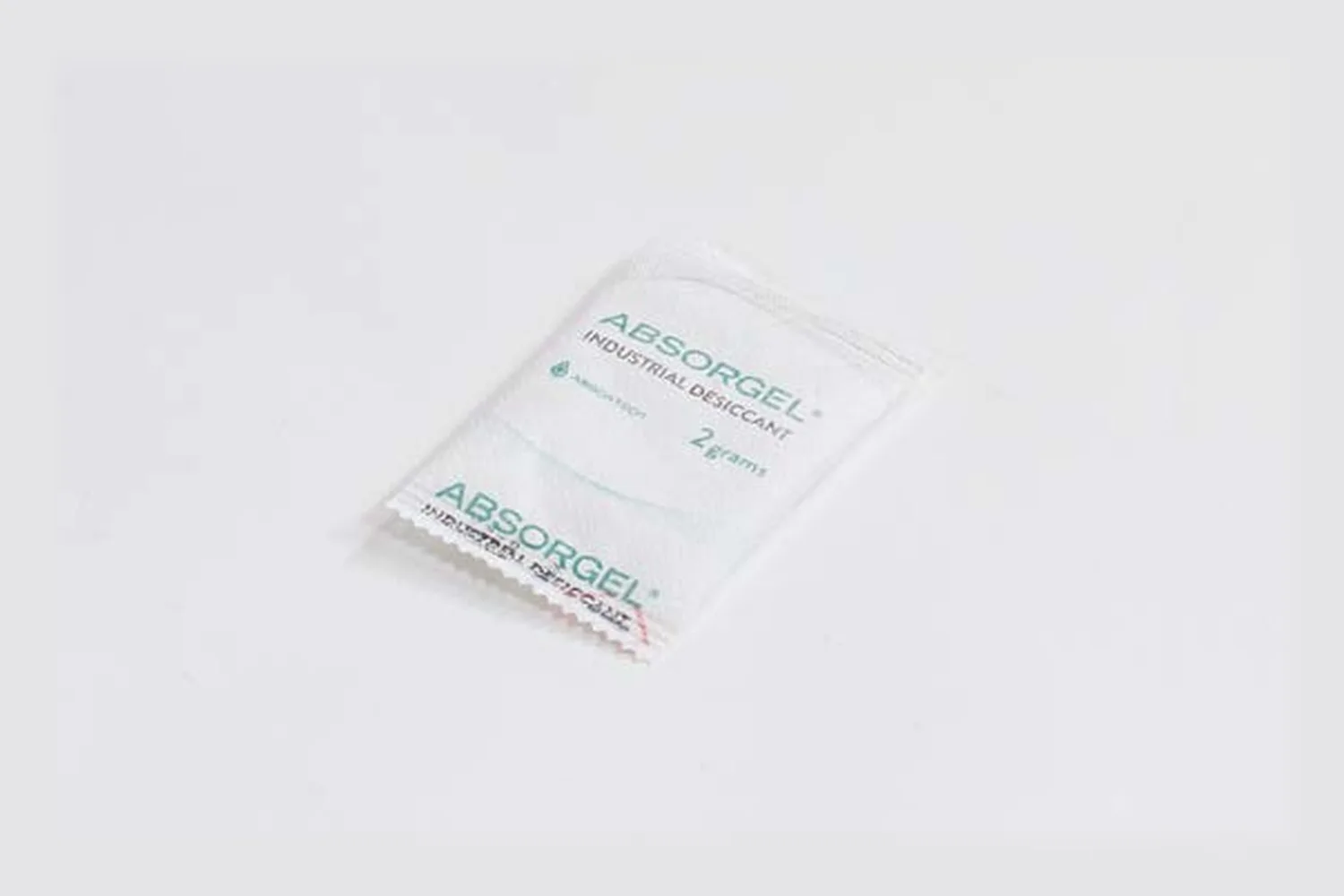
For thin fog, turn the lamp on for 15 to 20 minutes so heat evaporates the moisture, check the dust cap and replace it if cracked, and then place a silica gel packet if the condition is mild.
For pooled water, take the lamp to a garage to be removed, vacuum-dried, resealed with sealant and fitted with new seals; for a modified lamp where fog appears after the modification, it means it was not sealed properly and the seal must be redone. A silica gel packet behind the dust cap only helps keep it dry while the seal is still good.
Prevent it by not pressure-washing the lamp and by checking the dust cap periodically. To choose beads see types of desiccant.
A car left unused for a long time
Before leaving the car, wash and dry the interior, and leave no food or damp items. Place 500 g desiccant bags on the front floor, rear floor and trunk, and park the car in a ventilated place, avoiding parking against a damp wall or beside a pond.
Open the doors to air and check the bags every 2 to 4 weeks, drying or replacing them when full. When you use the car again, turn on the air conditioner and crack the windows for a few minutes to let moisture out.
The limits of desiccant packets
A desiccant packet cannot deal with fog that has a sweet or greasy smell (a coolant leak) or fog between two panes of glass (a failed insulated glass seal); water pooling in a lamp needs the seal replaced; and a flooded floor or wet carpets must be dried first.
Silica gel packets for cars are a small consumer type, different from industrial desiccant packets for containers. For imported and exported automotive parts, see how to use desiccant packets correctly and the ICD desiccants range. For the principle of condensation see the container rain section in safe humidity for storing goods.
Frequently asked questions
What is the fastest way to defog car windows?
Turn on the windshield defogger first at a warm temperature, turn on the air conditioner, turn off recirculation and crack the windows slightly, all at the same time.
Why do the windows still fog if I only turn on the heater?
The heater warms the air but does not remove moisture; you need to turn on the air conditioner to take water vapor out of the air.
What if a car left unused smells musty?
Dry the carpets and floor, place 500 g desiccant bags and check for seal leaks; desiccant only supplements after the water source has been dealt with.
Which desiccant packet should I use for car headlights?
A small dust-free compliant silica gel packet, placed behind the dust cap or in the lamp housing, not touching the bulb.
Is water vapor in a car headlight normal?
Thin fog that clears after 30 to 60 minutes with the lamp on is normal. Droplets or pooled water means a failed seal that needs treatment.
Will a desiccant packet get rid of water vapor in the lamp?
It only helps keep it dry in a mild case. If the seal has failed the vapor will return, and the seal needs redoing.
Will fog in a car headlight go away on its own?
Thin fog clears when the lamp is on. If it lasts for several days, check the dust cap and the seal.
Where do I put desiccant packets in a car?
In the middle of the dashboard, under the front seats and in the trunk; add bags for a larger car.
Contact ICD Vietnam for desiccant advice
ICD Vietnam Industrial Production Co., Ltd.
North: 3rd Floor, Thang Long A1 Building, Bau Hamlet, Thien Loc Commune, Hanoi, 0983 797 186 / 090 345 9186 / 090 5859 186
South: 551/212 Le Van Khuong, Tan Thoi Hiep, District 12, Ho Chi Minh City, 098 6784 186
Email: sales@icdvietnam.com.vn
Zalo: Chat on Zalo
References
- Filterbuy, Why car windows fog up and will not clear
- Allstate, How to defog windshield in any weather