
Table of Contents
- Preparing beads, box and flowers
- The steps
- Shortening it with a microwave
- After removing the flowers
- Common mistakes
- A few related questions
- Frequently asked questions
- How do you dry flowers with desiccant beads?
- How long does drying flowers with desiccant beads take?
- Which flowers dry best with silica gel?
- Can I dry flowers in a microwave with desiccant beads?
- Can the desiccant beads used for flowers be reused?
- Are beads or silica sand better for drying flowers?
- Does coarse salt absorb moisture?
- What should dried flowers be stored with to stop them re-absorbing moisture?
- Contact ICD Vietnam for desiccant advice
- References
- Related articles
Reviewed and updated by ICD - Week 40/2026
Drying flowers with silica gel desiccant is the best way to keep the color and shape of fresh flowers: spread 2 to 3 cm of beads in the bottom of an airtight box, lay the flowers on top, cover them fully with beads and wait 2 to 7 days depending on flower size. Silica draws water out of the petals slowly and evenly, so pigment fades less and the petals do not shrivel.
Used beads can be re-dried at 120 °C for the next batch. This article gives step-by-step instructions, how to choose suitable flowers, common mistakes and related questions such as making your own desiccant packet and whether salt absorbs moisture.
Preparing beads, box and flowers
You need silica gel beads, ideally the color-changing type (orange or blue) so you can tell when the beads are saturated, since white beads show no color. Use a plastic or glass box with an airtight lid, tall enough for the beads to cover the flower fully.
A bottom layer of beads 2 to 3 cm deep (Proven Winners states at least about 2.5 cm) both absorbs water and supports the petals so they do not break. Choose flowers that are still fresh with firm petals, such as roses, carnations, chrysanthemums, gerberas, hydrangeas, statice or zinnias, and have scissors and a soft brush ready to dust off the beads.
Granular beads suit large flowers because they absorb slowly and evenly, while fine silica sand suits small, delicate flowers because it gets between the petals better.
The steps
- Cut the flowers in the morning once the dew has dried, remove extra leaves and cut the stems to the height of the box, keeping 1 to 2 cm. Flowers with less water dry faster (Proven Winners).
- Spread a 2 to 3 cm layer of dry beads on the bottom of the box; if you reuse beads, they must be dried first.
- Lay the flowers on top, with the blooms not touching, using the beads underneath to support the petals.
- Gently pour beads over and around the flower with a spoon until it is covered, and do not pour directly onto thin petals.
- Close the lid tightly and keep it in a dry, dark place away from sunlight, because a sealed lid stops the beads absorbing moisture from the room.
- Check after 2 to 3 days for small flowers or 5 to 7 days for large ones; the flower is dry when the petals are crisp and papery. When removing, pour the beads off gently and dust with a brush, handling lightly because dried flowers are very brittle.
Timing depends on flower size, room humidity and the amount of beads. Indicator beads that change color quickly show the beads are saturated and need re-drying or more dry beads; if the flower is still soft after the expected time, extend by 1 to 2 days and check again.
| Flower size | Reference time | Examples |
|---|---|---|
| Small flowers | 2 to 3 days | Small daisies, statice, grasses |
| Medium flowers | 3 to 5 days | Carnations, gerberas, zinnias |
| Large, thick-petaled flowers | 5 to 7 days, up to 14 days for very thick ones | Roses, hydrangeas, dahlias |
Shortening it with a microwave
It can come down to a few minutes: place an uncovered box holding the flowers and beads in the microwave together with a cup of water, run at medium power in 1-minute rounds, a total of 1 to 3 minutes for small and medium flowers and about 3 and a half minutes for large ones, then let it cool for 24 hours before taking out the flowers.
The box must be microwave-safe. This method is for flowers sitting in a box of beads, which is different from drying the desiccant beads themselves in a microwave, which is not recommended; see how to reuse desiccant beads.
After removing the flowers
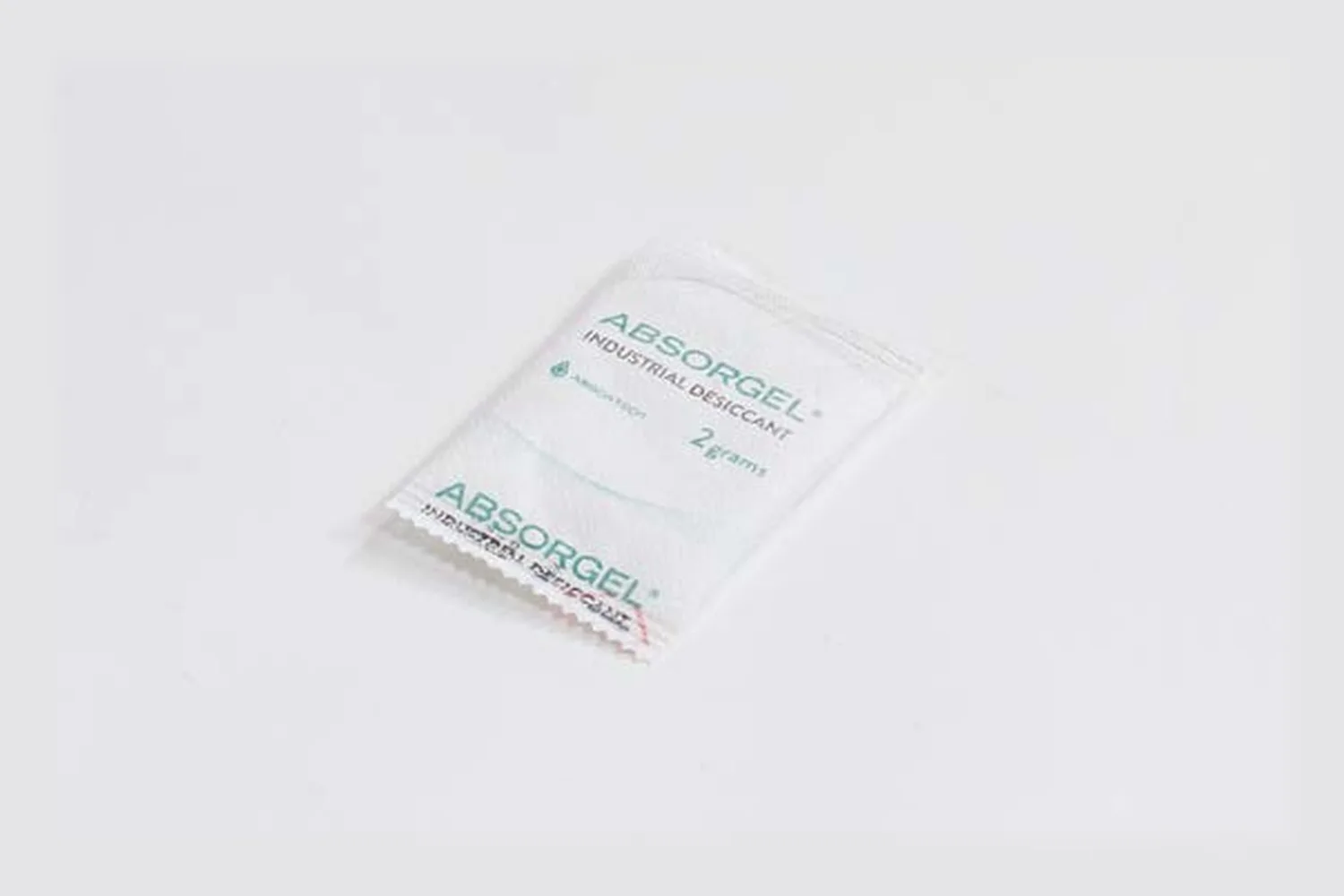
Re-dry the beads at 120 °C for about 2 to 3 hours until indicator beads return to their original color, seal them when cool, and keep blue beads no hotter than 125 °C. Dried flowers should be kept in a sealed box or frame with a small desiccant packet, away from sunlight, at 18 to 22 °C and 40 to 55% humidity, replacing the preserving beads every 3 to 4 months according to some guides; place a mesh barrier so the beads do not touch the flowers directly.
How to choose the preserving packet is covered in how to use desiccant packets correctly.
Common mistakes
Flowers still wet with dew or rain dry slowly and mold easily, so pick them after the dew has dried. Removing flowers too early leaves them soft and they wilt again after a few days, so wait until the petals are crisp.
Pouring beads directly onto thin petals bruises them, and thin flowers such as daisies are easily flattened, so they need fine silica sand and even support.
Beads already full of water dry flowers unevenly and must be re-dried before use, and dried flowers left out in humid air absorb moisture again, so they need a sealed box with a desiccant packet.
To make a desiccant packet at home, put dried silica gel beads in a non-woven fabric bag or filter paper and sew or glue it shut, to use in boxes of dried flowers, shoes and toolboxes but not for food.
Table salt absorbs a little moisture but has low capacity, clumps easily and cannot replace silica gel, while the beads in diapers are a super-absorbent polymer, different from silica gel and not used for preservation. Silica gel beads are sold in baking supply and flower-drying shops, or bought by the kilogram from suppliers.
When there are children and pets at home, keep the beads used for flower drying closed; see what happens if you swallow a desiccant packet. To learn more about silica gel beads read what is a desiccant and color-changing desiccant beads; if you need desiccant packets at the right dose for goods, see ICD desiccants.
Frequently asked questions
How do you dry flowers with desiccant beads?
Spread a 2 to 3 cm layer of silica beads in the bottom of an airtight box, lay the flowers on top, cover them with beads, close the lid and leave 2 to 7 days depending on flower size.
How long does drying flowers with desiccant beads take?
Small flowers 2 to 3 days, medium flowers 3 to 5 days, large flowers 5 to 7 days, up to 14 days for very thick petals.
Which flowers dry best with silica gel?
Roses, carnations, chrysanthemums, gerberas, hydrangeas, statice, zinnias, dahlias.
Can I dry flowers in a microwave with desiccant beads?
Yes. Place an uncovered box with a cup of water, medium power in 1-minute rounds for a total of 1 to 3 minutes, and let cool for 24 hours.
Can the desiccant beads used for flowers be reused?
Yes. Dry at 120 °C for about 2 to 3 hours until the beads return to their original color, and seal them when cool.
Are beads or silica sand better for drying flowers?
Beads suit large flowers because they absorb evenly; fine silica sand suits small, delicate flowers.
Does coarse salt absorb moisture?
It absorbs a little but has low capacity, clumps and does not replace silica gel.
What should dried flowers be stored with to stop them re-absorbing moisture?
A sealed box or frame with a small desiccant packet, away from sunlight, at 18 to 22 °C and 40 to 55% RH.
Contact ICD Vietnam for desiccant advice
ICD Vietnam Industrial Production Co., Ltd.
North: 3rd Floor, Thang Long A1 Building, Bau Hamlet, Thien Loc Commune, Hanoi, 0983 797 186 / 090 345 9186 / 090 5859 186
South: 551/212 Le Van Khuong, Tan Thoi Hiep, District 12, Ho Chi Minh City, 098 6784 186
Email: sales@icdvietnam.com.vn
Zalo: Chat on Zalo